


Orders
.png&w=48&q=75 "login")
Profile


Wallet

5 Home Remedies for Cough and Cold in Toddlers

 1.4K Likes|
 11 min
Key Takeaways
Quick overview in 30 seconds.webp&w=32&q=75)
- Nasal saline drops combined with a bulb syringe help loosen and clear mucus from toddlers who cannot blow their nose, giving instant breathing relief during cold.
- Steam from a vaporizer, humidifier, or hot shower loosens nasal mucus, while warm fluids like soups, moong pani, and breastmilk ease congestion and fatigue.
- Elevating your baby's head with extra pillows during sleep helps easier breathing, and plenty of undisturbed rest lets her body fight the infection faster.
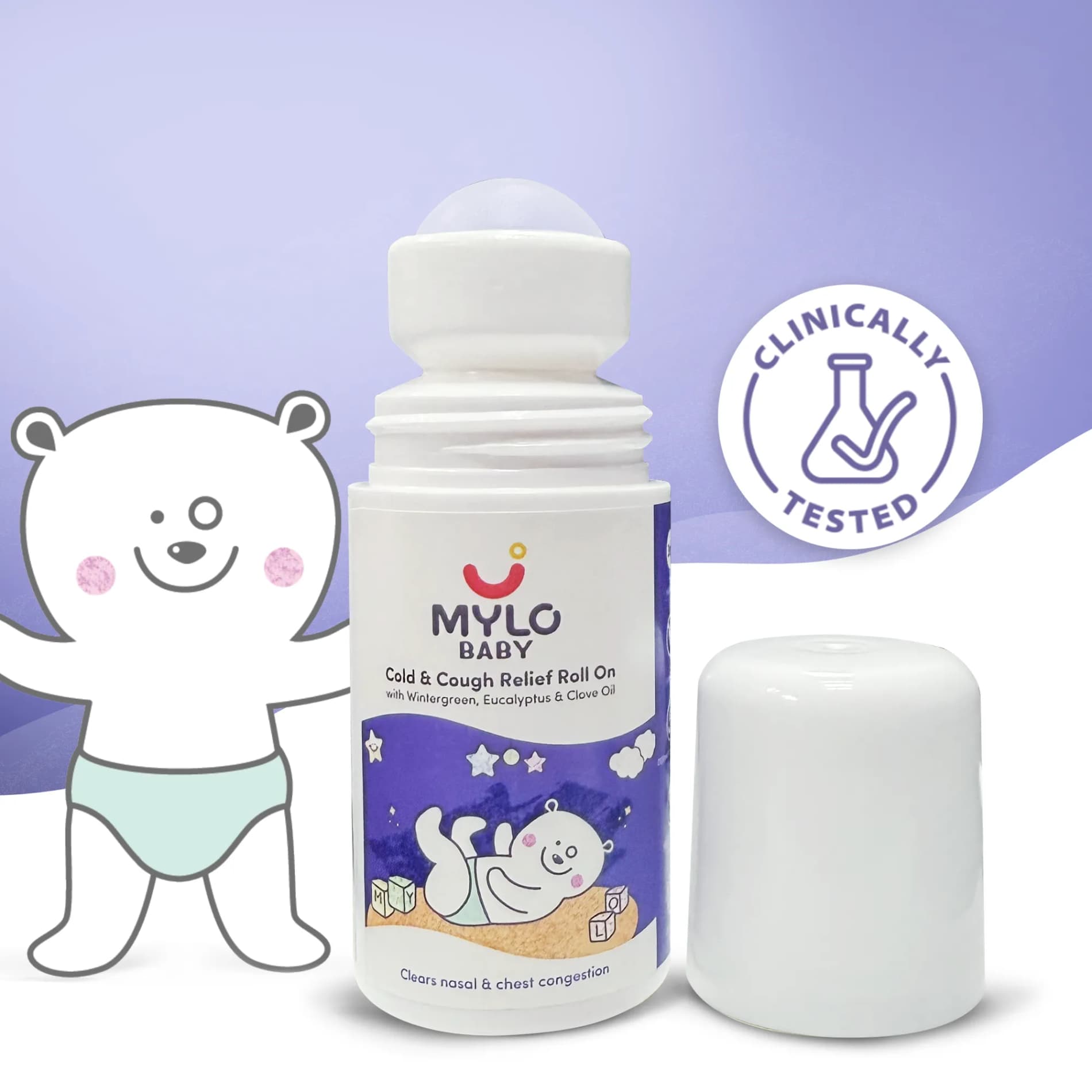
- Looking for gentle congestion relief for your little one? Explore our Mylo Baby Cold & Cough Roll-On - 40ml designed to soothe blocked noses and ease breathing naturally.
 4.5
4.5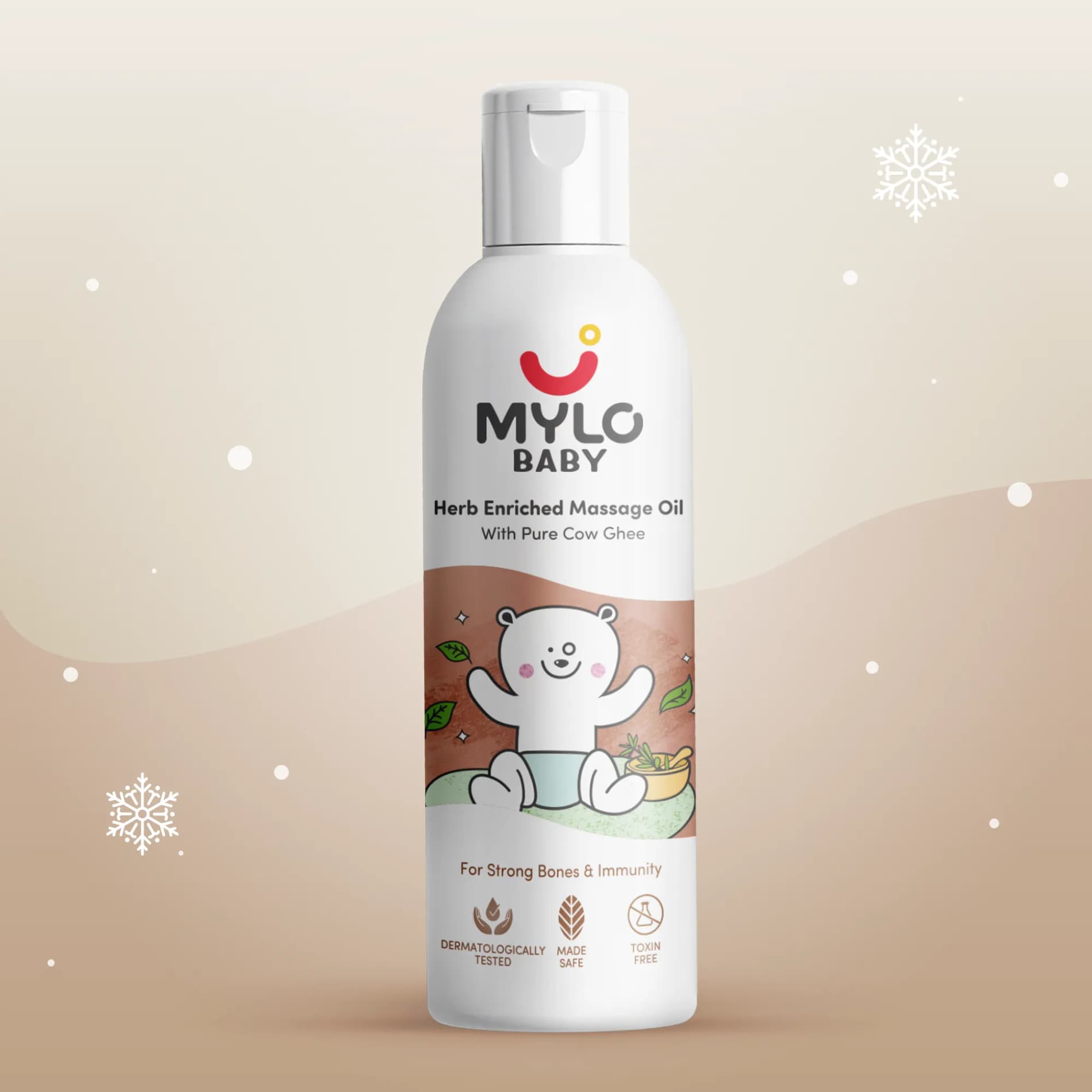 4.3
4.3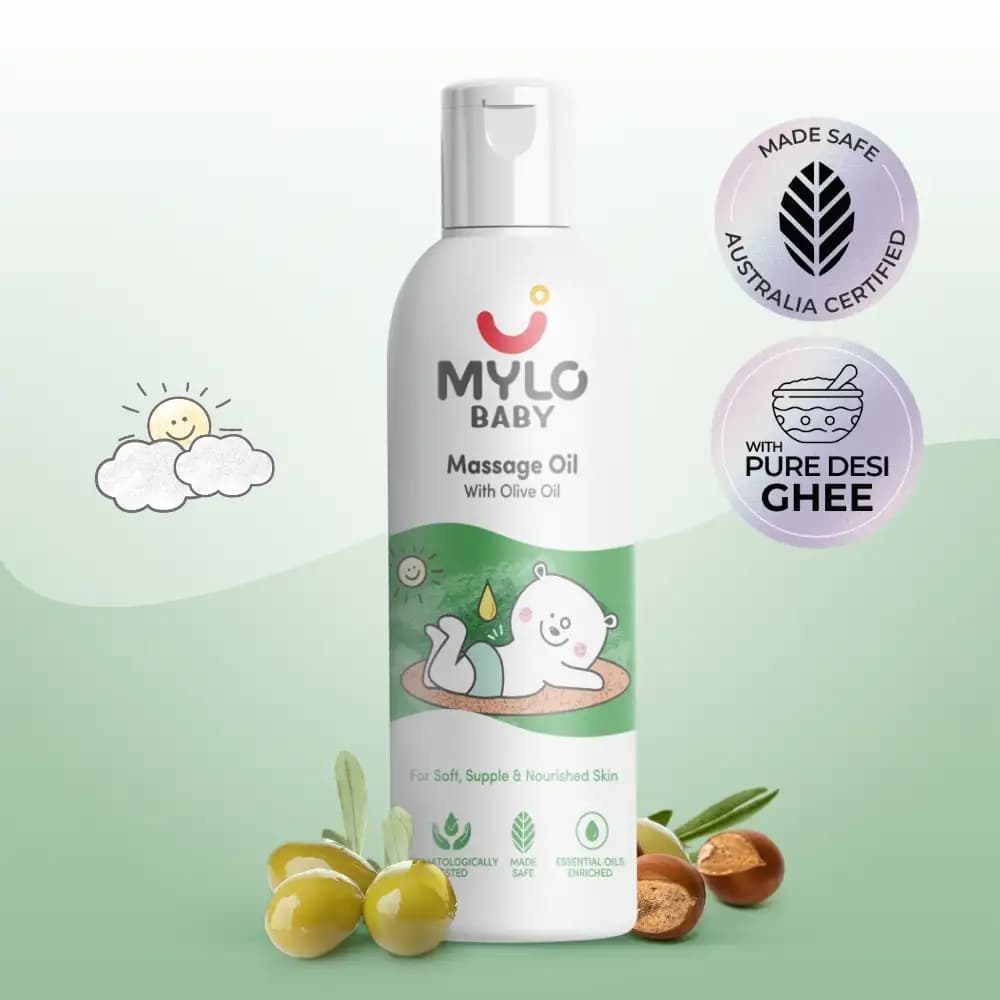 4.4
4.4Quick answer
Most coughs and colds in toddlers are viral and clear on their own in one to two weeks. Home care makes your child more comfortable but does not cure or shorten the illness. The five measures below have the best support: saline drops with gentle suction, fluids, humid air, honey for children over one year, and rest. Do not give cough syrups to children under four.
Key takeaways
Age decides everything. Honey is unsafe under 12 months. Vapour rubs are unsafe under 2 years. Never prop or elevate an infant's cot.
Home remedies are for comfort, not cure. Nothing shortens a viral cold, and that is normal rather than a sign the remedy failed.
Do not give over-the-counter cough and cold syrups to children under four unless a paediatrician has specifically prescribed one.
Steam devices cause serious burns in small children. A bathroom with a hot shower running is the safer way to get humid air.
Learn the breathing signs. Fast breathing, chest pulling in, grunting or blue lips need medical care immediately, not home care.
The 5 remedies
1. Saline nasal drops and gentle suction
The single most useful thing you can do, because a blocked nose is what stops a toddler eating and sleeping.
Lay your child down with the head tilted slightly back
Put two to three drops of paediatric saline into each nostril
Wait 30 to 60 seconds for the mucus to loosen
Suction gently with a bulb syringe or nasal aspirator, one nostril at a time
Do this before meals and before sleep, not every hour
Use sterile paediatric saline drops rather than mixing salt and water at home. Home mixtures can be the wrong concentration and are not sterile. Over-suctioning makes the nose sore and swollen, so keep it brief.
Safe from birth.
2. Plenty of fluids
Fluids keep mucus thinner and prevent dehydration, which is the complication that actually matters in a small child.
Offer small amounts often rather than large drinks occasionally, which is easier when the nose is blocked
Under 6 months: breast milk or formula only, offered more frequently
From 6 months: water, milk, dal water, rice water, thin soups, diluted juice
Warm fluids are soothing for an older toddler
Watch the output, not the input. Fewer wet nappies than usual, dark urine, no tears when crying or a dry mouth all mean your child needs medical attention.
3. Humid air, used safely
Moist air eases a dry, irritated airway and helps a blocked nose.
A cool mist humidifier in the room is a reasonable option, particularly in dry winter air. Clean and dry it every day, since a damp unwashed humidifier spreads mould
Sitting with your child in a bathroom with a hot shower running is a safer alternative
⚠️ A warning about steam. Steam bowls, kettles and steamers are a well-recognised cause of serious scald burns in young children. If you use any steam device, it must never be within reach of a child, and your child must never be left with it.
Safe from birth.
4. Honey, for children over 1 year
Half to one teaspoon, plain or in warm water, ideally about 30 minutes before bed. Honey performs better than no treatment for night-time cough in children, and it is one of the genuinely evidence-supported remedies rather than a folk one.
🚩 The age limit is absolute. Honey can contain spores that cause infant botulism in babies under 12 months. This applies to all honey, including raw, organic, pasteurised, honey mixed into food, and honey given as part of a traditional ghutti. There is no safe amount under one year.
5. Rest, comfort and safe positioning
Rest lets your child's body do the work. Expect broken nights and a clingy toddler, and plan around it rather than fighting it.
On positioning, which is where most articles get it wrong:
Holding your child upright while awake often eases congestion and is fine at any age
For a child over 12 months who sleeps on a normal bed, slightly raising the head end of the bed itself may help
🚩 Never put pillows, wedges, rolled towels or props in an infant's cot, and never tilt the cot. Babies must sleep flat on their back on a firm, flat surface with nothing in the cot. This is a suffocation risk, and it is the most common piece of unsafe advice on cold remedy pages
Quick age guide
Remedy | Safe from |
|---|---|
Saline drops and gentle suction | Birth |
Extra fluids | Breast milk or formula from birth. Water from 6 months |
Cool mist humidifier | Birth |
Rest and upright holding while awake | Birth |
Honey | 12 months |
Raising the head end of a bed | 12 months, and only once out of a cot |
Vapour rubs | 2 years, and only products labelled for that age |
Salt water gargling | 4 to 5 years, once your child can reliably spit |
What to avoid
Avoid | Why |
|---|---|
Honey under 12 months | Infant botulism risk. No exceptions |
Cough and cold syrups under 4 years | Not recommended in this age group, limited benefit, real risk of side effects. Several combination formulations are restricted for young children in India |
Vapour rubs under 2 years, and rubs in or near the nostrils at any age | Camphor and menthol can cause breathing problems in young children |
Camphor tablets or pouches, or camphor burnt in the room | Camphor is toxic to children and readily absorbed |
Adult medicines in a smaller dose | Children are not small adults. Dosing must be by weight and by a paediatrician |
Antibiotics for a viral cold | They do not work on viruses and drive antibiotic resistance |
Pillows, wedges or propping in an infant's cot | Suffocation risk |
Unlabelled traditional preparations for infant cough | Some have contained sedating or unsafe ingredients |
On cough syrups specifically: these are widely available over the counter in India and frequently given to very young children. Indian regulators have restricted certain fixed-dose cough and cold combinations for children under four. Do not buy one over the counter for a toddler. If your child needs medication, it should come from a paediatrician who knows their age and weight.
When should you see a doctor?
This section was missing from the original version of this page, and it matters more than the remedies.
🚩 Go to a doctor or hospital immediately if your child has:
Fast or laboured breathing. As a guide, faster than 60 breaths a minute under 2 months, 50 a minute from 2 to 11 months, or 40 a minute from 1 to 5 years
Chest pulling in below or between the ribs with each breath, nostrils flaring, or grunting
Blue or grey lips, tongue or face
Any fever in a baby under 3 months
Noisy breathing at rest, a barking cough with difficulty breathing in, or new wheezing
Refusing feeds, or far fewer wet nappies than usual
Unusual drowsiness or floppiness, or difficulty waking
A seizure
Sudden coughing or choking after your child may have swallowed or inhaled something
Book an appointment if:
Fever lasts more than three days, or goes and comes back
Cough lasts more than three weeks, or worsens after day five
Ear pain or discharge, or your child keeps pulling at one ear
Your child is not back to normal within about ten days
Trust your judgement. If your child looks or behaves in a way that worries you, that is reason enough to have them seen.
Frequently asked questions
Can I give honey to my 10-month-old for cough?
No. Honey is unsafe under 12 months because of infant botulism risk, including honey mixed into food. Use saline drops, suction, frequent feeds and rest instead.
Is steam inhalation safe for toddlers?
Sitting with your child in a bathroom with a hot shower running is the safer way to get humid air. Steam bowls and steamers cause serious scald burns in small children.
Should I raise my baby's mattress to help them breathe?
No. Babies must sleep flat on their back with nothing in the cot. Do not use pillows, wedges or props, and do not tilt the cot.
Can I use a vapour rub on my 1-year-old?
Most vapour rubs are labelled for age two and above. Check the product's own age label, and never apply anything in or under the nostrils at any age.
How long should a toddler's cough last?
The cold settles in seven to ten days, but the cough often lingers for two to three weeks. A cough worsening after day five, or still present after three weeks, should be reviewed.
Does my child need antibiotics?
Almost never. Colds are viral, and antibiotics do not work on viruses.
Can I give a cough syrup from the pharmacy?
Not without a paediatrician's advice, particularly under four years.
The bottom line
Saline drops with gentle suction, fluids, humid air, honey after the first birthday, and rest are the five things worth doing, and none of them will shorten the cold itself. Get the age limits right, keep steam devices out of reach, and never prop an infant's cot. The most important thing on this page is not a remedy at all: fast breathing, chest pulling in, grunting or blue lips mean your child needs to be seen straight away.
Sources
World Health Organization, Integrated Management of Childhood Illness, including fast breathing thresholds and general danger signs
American Academy of Pediatrics, guidance on cough and cold medicines in young children, and safe sleep recommendations
Centers for Disease Control and Prevention, common colds in children and antibiotic use
NHS, coughs, colds and fever in children
Cochrane Database of Systematic Reviews, honey for acute cough in children
Central Drugs Standard Control Organisation, Government of India, restrictions on paediatric cough and cold formulations
Indian Academy of Pediatrics, guidance on acute respiratory infections in children
This article is for general information and is not a substitute for medical advice. If your child is struggling to breathe, is under three months with a fever, or you are worried about them, seek medical care immediately.


Trusted By Moms Caring For Sniffly Little Ones
When your toddler is down with cough and cold, these gentle essentials can bring soothing comfort and faster relief.
Mylo Baby Cold & Cough Roll-On - 40ml
Helps with breathing blockage | Dermatologist Approved | 100% Natural



Mylo Herb Enriched Baby Massage Oil - 200 ml
Dermatologically Tested | Made Safe Certified | Nourishes Skin | Strengthens Immunity | Ayurvedic Preparation


100% Baby Safe Massage Oil - 200ml
Improves Complexion & Skin Tone | Moisturizes & Nourishes Skin | Aids in Sun Protection | Made Safe Australia Certified



Article Posted Under
Related Articles



Related Topics
.webp&w=32&q=75)
Medical Disclaimer
This content is for informational purposes only and should not replace professional medical advice. Consult with a physician or other health care professional if you have any concerns or questions about your health. If you rely on the information provided here, you do so solely at your own risk.


AWARDS AND RECOGNITION

Mylo wins Forbes D2C Disruptor award

Mylo wins The Economic Times Promising Brands 2022
AS SEEN IN













- Mylo Care: Effective and science-backed personal care and wellness solutions for a joyful you.
- Mylo Baby: Science-backed, gentle and effective personal care & hygiene range for your little one.
- Mylo Community: Trusted and empathetic community of 10mn+ parents and experts.


Product Categories
Baby Carrier | Baby Soap | Baby Wipes | Stretch Marks Cream | Baby Cream | Baby Shampoo | Baby Massage Oil | Baby Hair Oil | Stretch Marks Oil | Baby Body Wash | Baby Powder | Baby Lotion | Diaper Rash Cream | Newborn Diapers | Teether | Baby Kajal | Baby Diapers Pants | Cloth Diapers | Laundry Detergent | Lactation Granules |