


Orders
.png&w=48&q=75 "login")
Profile


Wallet

Soybean in Pregnancy: Is It Safe? Benefits, Phytoestrogen Concern & Daily Limit
 8 Likes|
 9 min
9 min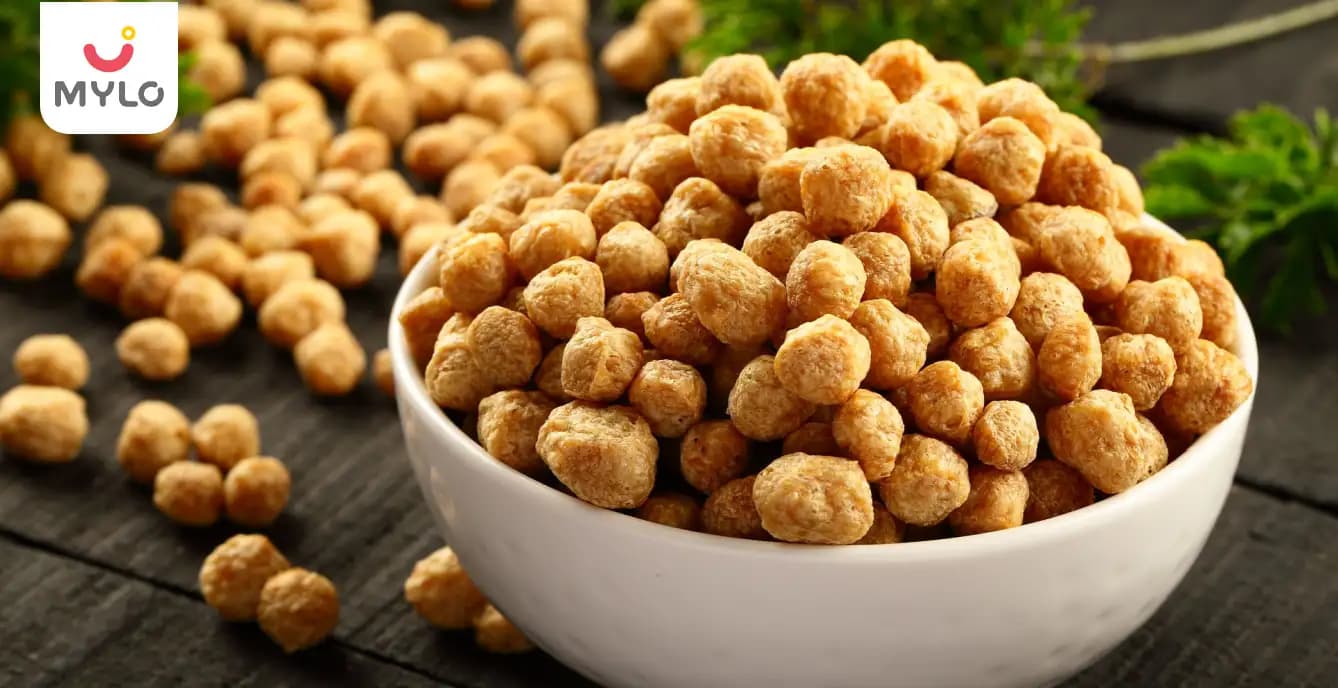
Key Takeaways
Quick overview in 30 seconds.webp&w=32&q=75)
Summary
- Soybean is safe during pregnancy in moderation, offering complete plant protein with all 9 essential amino acids, ideal for vegetarian Indian mums avoiding meat or eggs.
- Soya chunks, tofu, and soy milk provide protein, calcium, iron, folate, and omega-3 ALA that support foetal brain growth, bone development, and prevent anaemia.
- Limit intake to 25-30g soya chunks, 1 cup soy milk, or 100g tofu daily as excess phytoestrogens and isoflavones may disturb hormones and thyroid function.
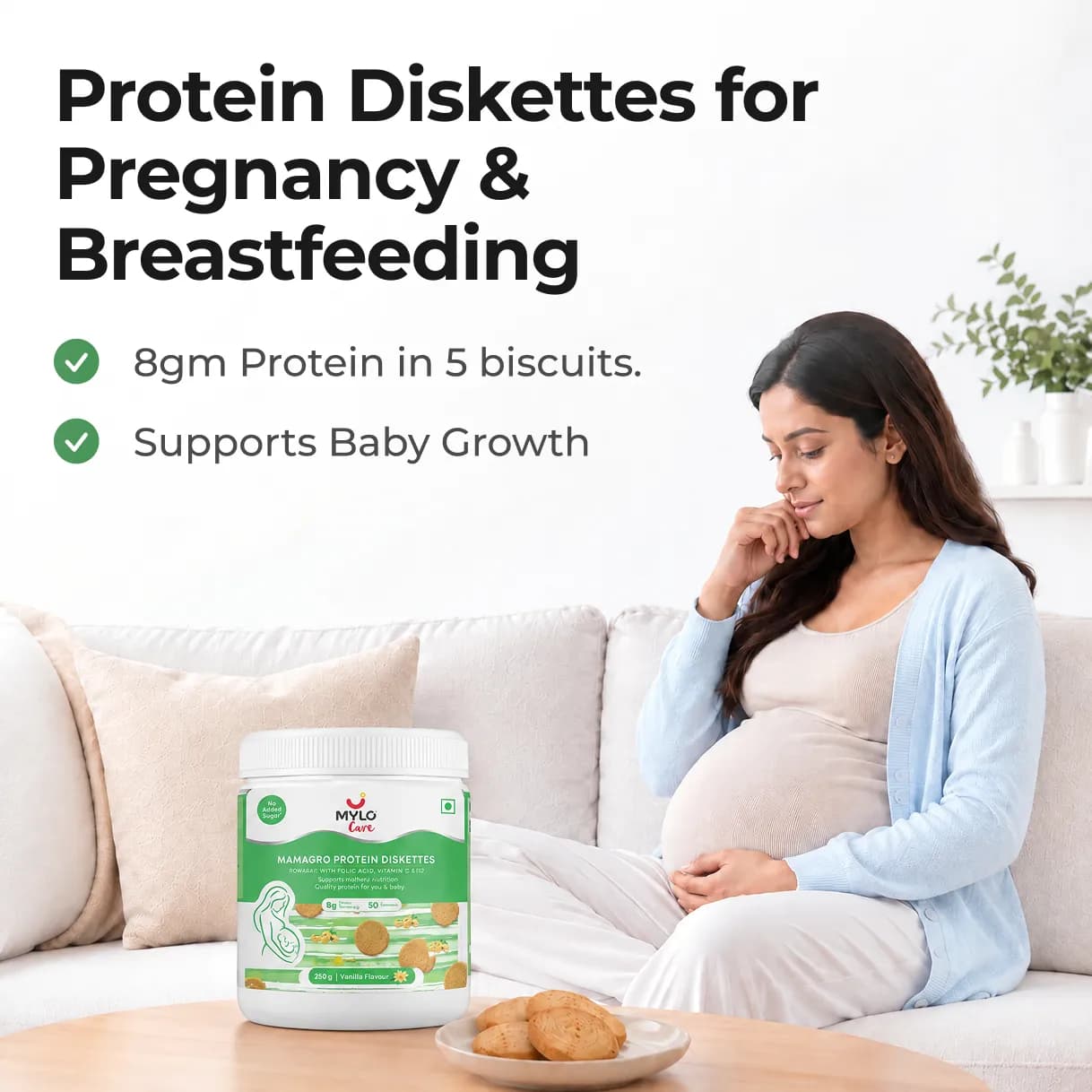
- Looking for safe pregnancy nutrition support? Explore our MamaGro™ Protein Diskettes - High Protein & No Added Sugar - 250gm (50 Diskettes).
 4.6
4.6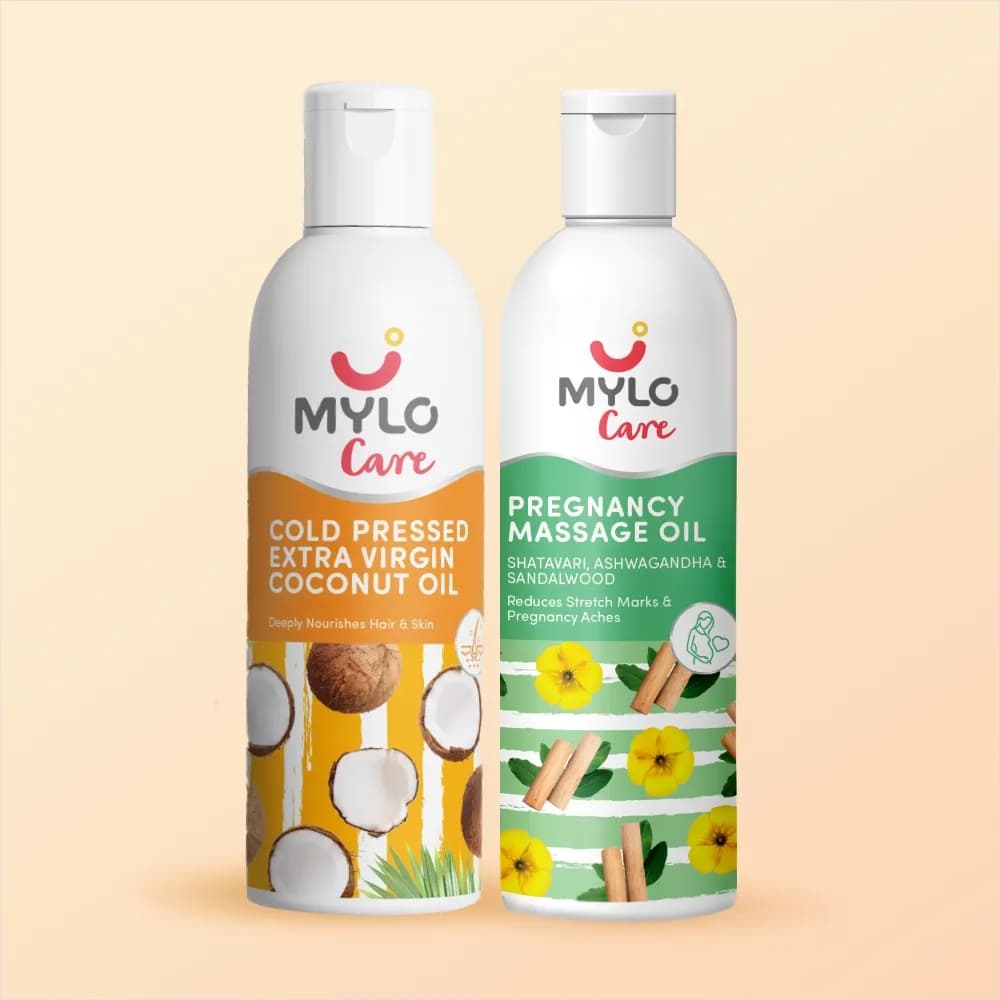 4.7
4.7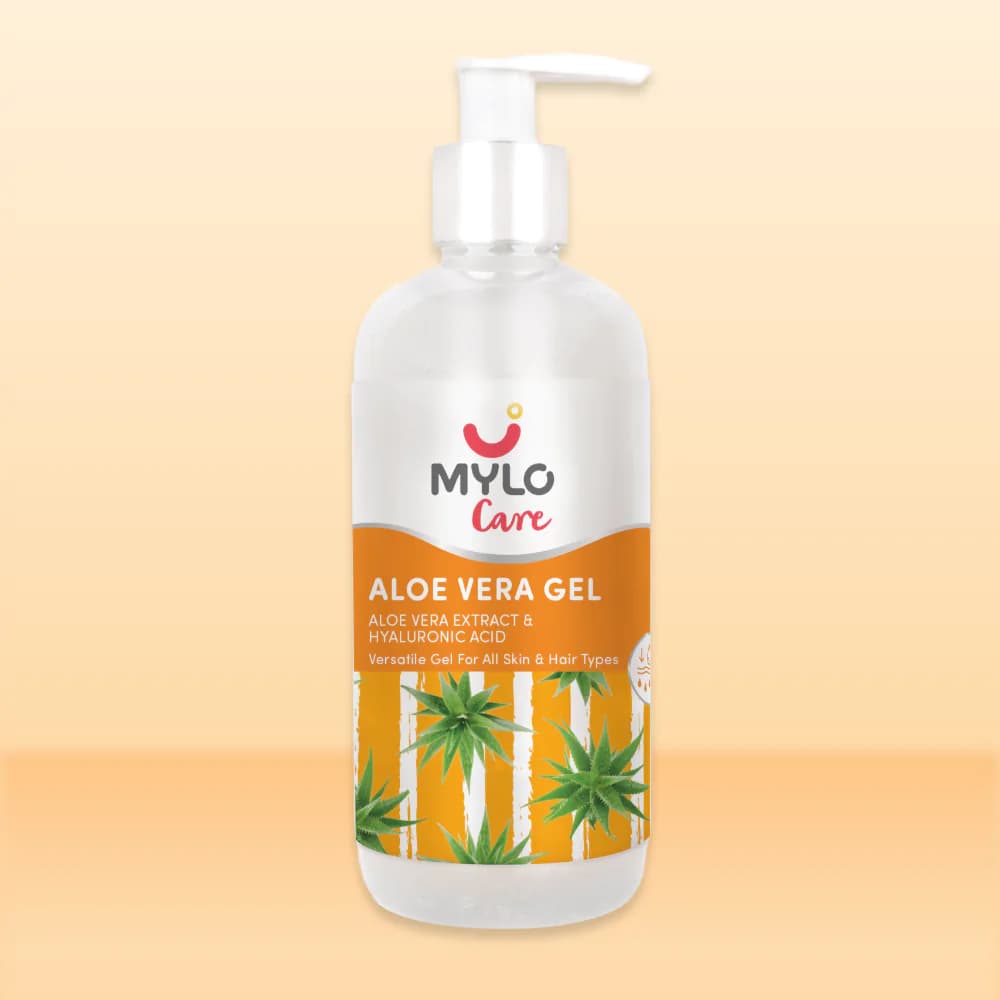 4.4
4.4Are you wondering whether it is safe to eat soybean in pregnancy or not? An excellent source of protein, soybean in pregnancy comes with its fair share of benefits and risks. In this article, we will discuss everything you need to know about eating soybeans in pregnancy, its benefits, risks and tips.
What is soybean and its forms in Indian diet?
Soybean is a plant-based legume that appears in Indian diets as soya chunks (nutrela), tofu, soy milk, soybean oil, and tempeh. It is a complete protein source, offering all 9 essential amino acids. 100g of dry soya chunks provides 52g protein, making it a popular protein swap for vegetarian Indian pregnant women who avoid eggs or meat.
Soybean, or Soya bean, is an edible legume native to East Asia. It is often used by vegetarians as a replacement for meat because it is a rich source of protein. It is a complete protein as it has all nine essential amino acids. Soybeans are available in many forms and contain antioxidants and phytonutrients. They provide multiple health benefits. However, there are concerns about its side effects. Soybean in pregnancy - is it good or bad.
Is it safe to eat soybean during pregnancy?
Yes, soybean is safe during pregnancy in moderation - about 25-30g of soya chunks or 1 cup of soy milk per day. Always cook soya chunks thoroughly and buy from FSSAI-certified brands. Avoid excess, as soy contains phytoestrogens that may affect hormone balance. Women with thyroid disorders should consult their Indian gynaecologist before adding soy.
Yes, it is safe to eat soybean during pregnancy if you take them moderately. Soya bean is available in many forms. Each has its advantages and concerns, including soya chunks. Is soya chunk good for pregnant ladies? Soya chunks during pregnancy are a good source of protein but have a high content of isoflavones that increases estrogen levels. So, too much consumption of soya chunks in pregnancy is not advisable. Tofu has more antioxidants than chunks but too much tofu increases the risk of breast cancer. Soy milk has lesser calories than tofu but too much soy milk can cause digestion problems and constipation. Soyabean during pregnancy is safe if cooked properly and used moderately.
You may also like : Paneer During Pregnancy: Benefits, Side Effects & Precautions
What is the nutritional value of soybeans in pregnancy?
100g of cooked soybeans provides 173 calories, 16.6g protein, 9g fat, 9.9g carbs, 6g fibre, 15.7mg iron, 277mg calcium, and folate. 50g of soya chunks delivers 26g protein - nearly 35% of the 71g daily protein needed during the second and third trimesters. It also supplies omega-3 ALA critical for foetal brain growth.
Protein is the main component of soybeans. It contains other nutrients too. What are they?
The nutritional value of 100 grams of boiled soybeans is as follows:
-
It contains 18.2 grams of protein, the main component. The protein content is 36 to 56% of the dry weight.
-
Carbohydrates are about 8.4 grams. It has a low glycemic index. So, there is no danger of a sharp spike in sugar levels.
-
The fat content is 9 grams. It can be split into 1.3 grams of saturated fat, 1.98 grams of monounsaturated fat, and 5.06 grams of polyunsaturated fat. Linoleic acid is the main fat in soybeans.
-
The fibre content is 6 grams. It has both soluble and insoluble fibres.
-
Sugar is about 3 grams.
-
It is a good source of omega-3 fatty acids. It has 510 mg of omega-3 fatty acids per half cup of serving.
-
Apart from the above, it contains a wide variety of minerals like manganese, copper, folate, thiamine, phosphorus, and vitamin K1.
The calorie count in 100 grams of soybeans is 172.
What are the benefits of eating soybean during pregnancy?
Soybean offers 5 pregnancy benefits: high-quality plant protein for foetal tissue growth; calcium (277mg per 100g) for baby's bones; iron to fight the 50% anaemia rate in Indian pregnancies; folate that prevents neural-tube defects; and fibre that eases constipation. It is also cholesterol-free, helping control gestational weight gain and blood pressure.
Eating soya in pregnancy provides a lot of benefits.
-
As it is a rich source of protein, it ensures the right growth of the baby's organs including the brain. Moreover, it increases the blood and oxygen supply to the baby.
-
Omega-3 fatty acids are important because they act as building blocks of the baby's brain and retina. It also prevents perinatal depression.
-
The fibre content improves digestion.
-
The minerals in soybeans provide a lot of health benefits and provide nutrition to the foetus.
-
Carbohydrates increase energy levels.
-
Folate and zinc keep birth defects at bay.
You may also like : Fennel Seeds or Saunf in Pregnancy: Benefits, Risks & Nutritional Value
What are the risks of eating soybean during pregnancy?
Excess soy (over 60g daily) may disturb thyroid function, interfere with iron and calcium absorption, cause bloating, and mildly affect oestrogen levels due to isoflavones. Genetically modified or poorly processed soy can carry pesticide residues. Pregnant women with hypothyroidism, soy allergy, or PCOS should limit intake and always pick non-GMO, FSSAI-approved Indian brands.
1. Isoflavones
Isoflavones in soybeans are phytoestrogens and have the same properties as human estrogens. Too much consumption of soybeans during pregnancy can affect the growth of the baby.
2. Phytic acid
It also has phytic acid which is good because it blocks the absorption of harmful metals like lead and mercury. However, it can also block the absorption of minerals like magnesium, calcium, iron, and zinc. They are all essential minerals during pregnancy and help in the growth of the foetus.
3. Pesticides
Pesticide residue present in soybeans can cause hormonal imbalance that is not good during pregnancy. It should be rinsed well before cooking.
4. Estrogen
As soya beans increase the estrogen levels in your body, it increases the risk of cancer, especially, breast cancer.
Is eating too many soya chunks harmful during pregnancy?
Yes, eating more than 50g of soya chunks daily can be harmful. High phytoestrogens may affect hormonal balance, excess protein stresses the kidneys, and overcooking in oily gravies adds 400-500 extra calories. Stick to 25-30g (1 small bowl) 3-4 times a week, soaked in hot water for 10 minutes and squeezed well before cooking with vegetables.
The studies on soya chunks in pregnancy are not conclusive. Some of the studies were conducted on animals and rats. However, here are the reports of the studies.
In 2102 a study was made and it warned that there are concerns about the phytoestrogens in soya affecting the reproductive health of the baby.
A study conducted in 2013 shows that babies are at risk of getting a urological disorder called hypospadias because of the overconsumption of soya beans. Another study done on rats in 2016 points out that too much soya beans may affect the immunity system of the baby, especially, in female children. So, it is better to avoid too much consumption of soya during pregnancy.
You may also like: Hing (Asafoetida) During Pregnancy: Risks, Benefits & Precautions
How much soy should a pregnant woman eat daily?
A safe range is 25-30g of soya chunks OR 1 cup (240ml) soy milk OR 100g tofu per day - not combined. This delivers roughly 15-20g plant protein, covering around 25% of daily pregnancy protein needs. Rotate soy with dal, paneer, curd, and eggs for variety, and limit to 3-4 servings per week to prevent phytoestrogen overload.
There are no official limitations to how much soybeans a pregnant woman can consume. However, experts recommend one cup of soymilk or half a cup of tofu or half a cup of soy chunks, or half a cup of whole soybean in pregnancy. If you take more than the recommended dose, it may cause a few side effects. It is better to consult a doctor to get specific recommendations on how much soy to eat during pregnancy.
References
1. Pang X, Cai C, Dong H, Lan X, Zhang Y, Bai D, Hao L, Sun H, Li F, Zeng G. (2022). Soy foods and nuts consumption during early pregnancy are associated with decreased risk of gestational diabetes mellitus: a prospective cohort study. J Matern Fetal Neonatal Med.
2. Miyake Y, Tanaka K, Okubo H, Sasaki S, Tokinobu A, Arakawa M. (2021). Maternal consumption of soy and isoflavones during pregnancy and risk of childhood behavioural problems: the Kyushu Okinawa Maternal and Child Health Study. Int J Food Sci Nutr.
Tags
Soybean in Pregnancy in Hindi, Soybean in Pregnancy in Tamil, Soybean in Pregnancy in Telugu, Soybean in Pregnancy in Bengali
Is soybean safe in first trimester?
Yes, soybean in moderate amounts is safe in all trimesters. Good plant protein source. Don't exceed 1-2 servings per day.
How much soybean per day during pregnancy?
1-2 servings per day (50g soy chunks or 200ml soy milk). Moderate intake is key due to phytoestrogen content.
Can soy cause hormonal issues during pregnancy?
Phytoestrogens in soy are mild. Normal dietary amounts are safe. Avoid mega-doses of soy supplements during pregnancy.
Is soy sauce safe during pregnancy?
Small amounts for flavoring are fine. High in sodium — limit if you have high BP or swelling. Choose low-sodium soy sauce.
Can soy cause gestational diabetes?
Soy is low-GI and actually helps manage blood sugar. Soy chunks, tofu are good protein sources for GD diet.
Trusted by Mums Nourishing Two Through Pregnancy
Pair your balanced soy-rich meals with gentle pregnancy nutrition essentials that support protein, iron, and folate needs every trimester.
MamaGro™ Protein Diskettes - 250gm - Vanilla
Supports Healthy Placenta | Supports Fetal Development


Pregnancy Massage Oil + Coconut Oil - 200 ml each



Organic Aloe Vera (300 ml)
Nurtures Skin & Hair | Reduces Suntan | Soothes Burns | Enhances Hair Resilience



Article Posted Under
Related Articles
Related Topics
.webp&w=32&q=75)
Medical Disclaimer
This content is for informational purposes only and should not replace professional medical advice. Consult with a physician or other health care professional if you have any concerns or questions about your health. If you rely on the information provided here, you do so solely at your own risk.


AWARDS AND RECOGNITION

Mylo wins Forbes D2C Disruptor award

Mylo wins The Economic Times Promising Brands 2022
AS SEEN IN












- Mylo Care: Effective and science-backed personal care and wellness solutions for a joyful you.
- Mylo Baby: Science-backed, gentle and effective personal care & hygiene range for your little one.
- Mylo Community: Trusted and empathetic community of 10mn+ parents and experts.


Product Categories
Baby Carrier | Baby Soap | Baby Wipes | Stretch Marks Cream | Baby Cream | Baby Shampoo | Baby Massage Oil | Baby Hair Oil | Stretch Marks Oil | Baby Body Wash | Baby Powder | Baby Lotion | Diaper Rash Cream | Newborn Diapers | Teether | Baby Kajal | Baby Diapers Pants | Cloth Diapers | Laundry Detergent | Lactation Granules |