


Orders
.png&w=48&q=75 "login")
Profile


Wallet

Hyperprolactinemia: How High Prolactin Levels Can Affect Your Chances of Conception
.webp&w=96&q=75)

MBBS, MS (OBS & Gynae) · 4 years experience
 8 min
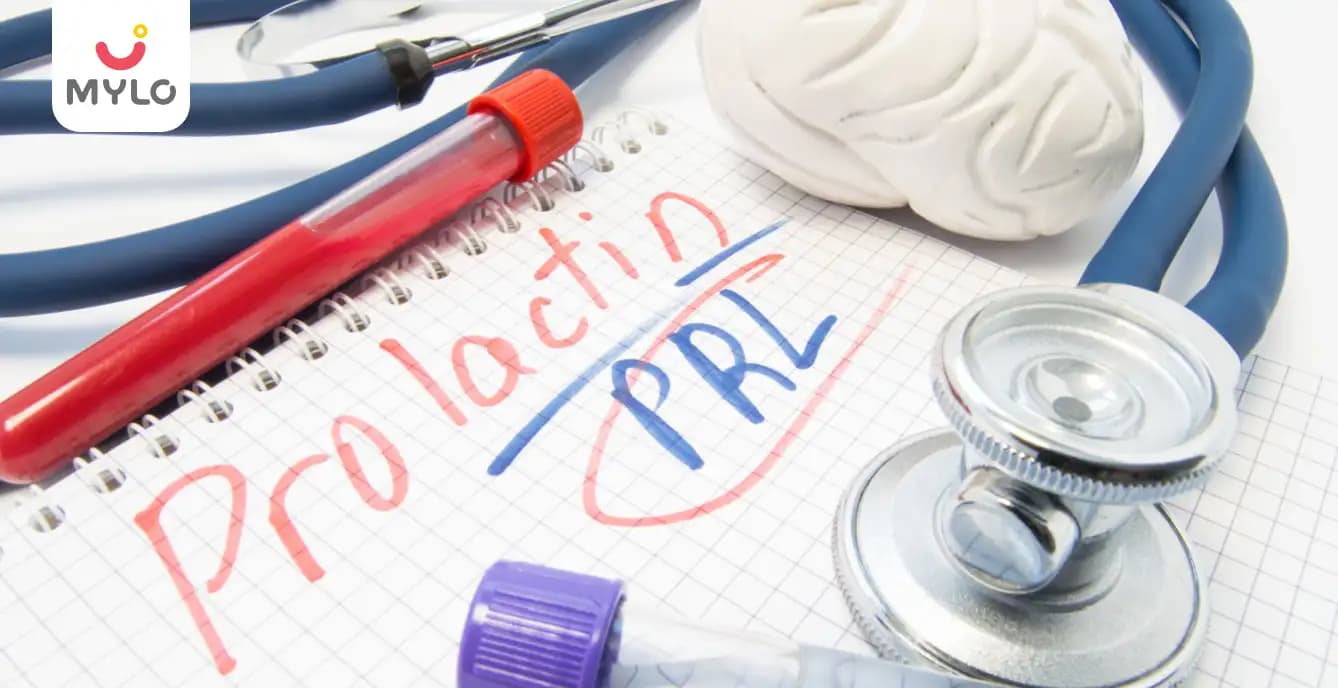
8 minImagine a complex puzzle inside your body, where hormones work together to create the perfect environment for getting pregnant. One important hormone in this puzzle is prolactin, which is usually associated with breastfeeding. However, when prolactin levels become too high, it can disrupt the delicate balance and affect your ability to conceive. Hyperprolactinemia is a condition where elevated prolactin levels can interfere with your chances of getting pregnant.
In this article, we will explore how high prolactin levels can impact your fertility journey, from causing problems with ovulation to making it difficult for an embryo to implant. Let's uncover the connections between prolactin and conception and understand the challenges of hyperprolactinemia along the way.
Symptoms of Hyperprolactinemia
High prolactin symptoms are as follows:
1. Irregular or absent menstrual periods
2. Milky discharge from the breasts (galactorrhea) unrelated to breastfeeding
3. Infertility or difficulty getting pregnant
4. Decreased sex drive
5. Vaginal dryness
6. Headaches
7. Vision problems
8. Acne or excessive hair growth (in some cases)
You may like: Oligomenorrhea: What Every Woman Needs to Know About Irregular Periods
Causes of High Prolactin Levels
The causes of high prolactin, or hyperprolactinemia, can vary. Here are some common factors that can contribute to elevated prolactin levels:
1. Prolactinoma
This is a benign tumor of the pituitary gland that produces excess prolactin. Prolactinomas are the most common cause of hyperprolactinemia.
2. Medications
Certain medications, such as antipsychotics, antidepressants, blood pressure medications, and some hormone treatments, can increase prolactin levels.
You may like: Hormone Replacement Therapy (HRT) : Type, Side Effects & Treatment
3. Hypothyroidism
An underactive thyroid gland can lead to increased prolactin production.
4. Stress and physical stimulation
Stressful events, chest wall stimulation, nipple stimulation, and sexual activity can temporarily elevate prolactin levels.
5. Other causes
Certain conditions, such as kidney disease and liver disease can also contribute to high prolactin levels.
Effects of High Prolactin Levels on Conception
High prolactin levels can have significant effects on conception and fertility. Here are some ways in which elevated prolactin can impact the ability to conceive:
1. Disrupted ovulation
Prolactin inhibits the release of certain hormones that are necessary for ovulation. This can lead to irregular or absent menstrual cycles, making it difficult to predict fertile periods and conceive.
2. Suppressed fertility hormones
Elevated prolactin can interfere with the production of other fertility hormones, such as follicle-stimulating hormone (FSH) and luteinizing hormone (LH). These hormones are essential for the maturation and release of eggs from the ovaries.
3. Decreased libido
High levels of prolactin can reduce sexual desire, which may impact the frequency of intercourse and, consequently, the chances of conception.
4. Impaired sperm production
In men, elevated prolactin can disrupt the production and function of sperm, leading to decreased sperm count, motility, and overall sperm quality.
5. Increased risk of miscarriage
Hyperprolactinemia has been associated with an increased risk of early pregnancy loss or miscarriage.
Effects of Hyperprolactactinemia on Breastfeeding
Hyperprolactinemia, or high prolactin levels, can have both positive and negative effects on breastfeeding. Here are some ways in which elevated prolactin can impact breastfeeding:
1. Increased milk production
Prolactin is the hormone responsible for stimulating milk production in the breasts. Higher levels of prolactin can lead to an abundant milk supply, which can be beneficial for breastfeeding mothers.
2. Breast engorgement
Excessive prolactin levels can contribute to breast engorgement, which is a condition characterized by swollen and painful breasts due to an overabundance of milk. This can make breastfeeding uncomfortable for the mother.
3. Oversupply issues
Hyperprolactinemia can sometimes lead to an oversupply of milk, causing the baby to struggle with breastfeeding. It can result in difficulties with latching, excessive milk flow, and potential issues such as choking or gagging.
4. Delayed or irregular menstrual cycles
High prolactin levels can suppress ovulation and delay or disrupt the return of menstrual cycles in breastfeeding mothers. This can affect fertility and the ability to conceive again.
Diagnosis of Hyperprolactinemia
If you suspect any high prolactin symptoms, it is important to get it diagnosed. The diagnosis of hyperprolactinemia, or high prolactin levels, involves several steps to determine the underlying causes of high prolactin and confirm the condition.
1. Medical history and physical examination
The healthcare provider will gather information about your symptoms, menstrual history, medications, and any relevant medical conditions. A physical examination may be conducted to check for signs such as milk discharge from the breasts.
2. Blood tests
A blood test is performed to measure the levels of prolactin in the blood. Typically, the test is done in the morning after an overnight fast because prolactin levels are usually highest during that time.
3. Repeat testing
In case the initial prolactin levels are elevated, the test may be repeated to confirm the diagnosis. Sometimes, stress or other factors can temporarily increase prolactin levels, so a single abnormal result may not be conclusive.
4. Imaging studies
In some cases, additional imaging studies such as magnetic resonance imaging (MRI) or computed tomography (CT) scans may be recommended to assess the pituitary gland and rule out any structural abnormalities or tumors.
5. Hormonal tests
Depending on the individual case, other hormone tests may be performed to evaluate the function of other endocrine glands, such as the thyroid or adrenal glands. This helps identify potential underlying causes of hyperprolactinemia.
Treatment Options for High Prolactin Levels
The treatment for high prolactin levels, or hyperprolactinemia, depends on the underlying cause and the individual's specific circumstances. Here are some common treatment options:
1. Medications
The primary approach to treating hyperprolactinemia is medication. The most commonly prescribed medications are dopamine agonists, such as cabergoline or bromocriptine. These medications work by reducing the production of prolactin and restoring normal levels.
2. Surgical intervention
In certain cases, such as when a tumor or other structural abnormality is causing the high prolactin levels, surgery may be necessary.
3. Lifestyle modifications
Certain lifestyle changes may help manage hyperprolactinemia. This may include stress reduction techniques, regular exercise, adequate sleep, and a balanced diet. These lifestyle modifications can help support overall hormonal balance and optimize fertility.
4. Regular monitoring
Once treatment is initiated, regular monitoring of prolactin levels is necessary to assess the effectiveness of the treatment and make any necessary adjustments. This may involve periodic blood tests and follow-up appointments with the healthcare provider.
Natural Remedies for Hyperprolactinemia
While medication and medical interventions are typically the primary approaches to treating hyperprolactinemia, there are some natural remedies and lifestyle modifications that may help in managing the condition. Here are some natural remedies that may be beneficial:
1. Stress management
Chronic stress can contribute to hormonal imbalances, including elevated prolactin levels. Engaging in stress-reducing activities such as yoga, meditation, deep breathing exercises, or hobbies you enjoy can help promote relaxation and hormonal balance.
2. Herbal supplements
Certain herbs have been traditionally used to support hormonal balance. For example, Vitex agnus-castus (chasteberry) is often recommended for hormonal disorders, including hyperprolactinemia.
3. Nutritional adjustments
A well-balanced diet rich in essential nutrients can support overall hormonal health. Including foods that are high in vitamin B6, zinc, and magnesium, such as leafy green vegetables, nuts, seeds, and legumes, may be beneficial.
4. Regular exercise
Engaging in regular physical activity can help regulate hormone levels and promote overall well-being. Aim for moderate-intensity exercise, such as brisk walking, cycling, or swimming, for at least 30 minutes a day.
5. Adequate sleep
Getting enough quality sleep is essential for hormonal balance. Establish a consistent sleep routine and create a sleep-friendly environment to ensure you get sufficient rest.
Lifestyle Changes to Manage High Prolactin Levels: Tips to Lower Prolactin Naturally
Managing high prolactin levels often involves a combination of medical treatments and lifestyle changes. While lifestyle changes alone may not significantly lower prolactin levels, they can complement medical interventions and promote overall hormonal balance. Here are some lifestyle tips that may help in managing high prolactin levels:
1. Reduce stress
2. Maintain a healthy weight
3. Limit alcohol consumption
4. Get enough sleep
5. Exercise regularly
6. Eat a balanced diet
7. Limit caffeine intake
8. Stay hydrated
9. Seek emotional support
Conclusion
In conclusion, hyperprolactinemia, or high prolactin levels, can have various effects on fertility, conception, and breastfeeding. Whether you are trying to conceive or facing challenges with breastfeeding, understanding the impact of high prolactin levels can help you make informed decisions and seek the necessary support. With proper management and care, it is possible to address hyperprolactinemia and improve your chances of conception and successful breastfeeding.
References
1. Majumdar, A., & Mangal, N. (2013). Hyperprolactinemia. Journal of Human Reproductive Sciences, 6(3), 168.
Article Posted Under
Related Articles




Related Topics
.webp&w=32&q=75)
Medical Disclaimer
This content is for informational purposes only and should not replace professional medical advice. Consult with a physician or other health care professional if you have any concerns or questions about your health. If you rely on the information provided here, you do so solely at your own risk.


AWARDS AND RECOGNITION

Mylo wins Forbes D2C Disruptor award

Mylo wins The Economic Times Promising Brands 2022
AS SEEN IN












- Mylo Care: Effective and science-backed personal care and wellness solutions for a joyful you.
- Mylo Baby: Science-backed, gentle and effective personal care & hygiene range for your little one.
- Mylo Community: Trusted and empathetic community of 10mn+ parents and experts.


Product Categories
Baby Carrier | Baby Soap | Baby Wipes | Stretch Marks Cream | Baby Cream | Baby Shampoo | Baby Massage Oil | Baby Hair Oil | Stretch Marks Oil | Baby Body Wash | Baby Powder | Baby Lotion | Diaper Rash Cream | Newborn Diapers | Teether | Baby Kajal | Baby Diapers Pants | Cloth Diapers | Laundry Detergent | Lactation Granules |