


Orders
.png&w=48&q=75 "login")
Profile


Wallet

Ovulation disorders and their medications
 355 Likes|
 3 min
3 min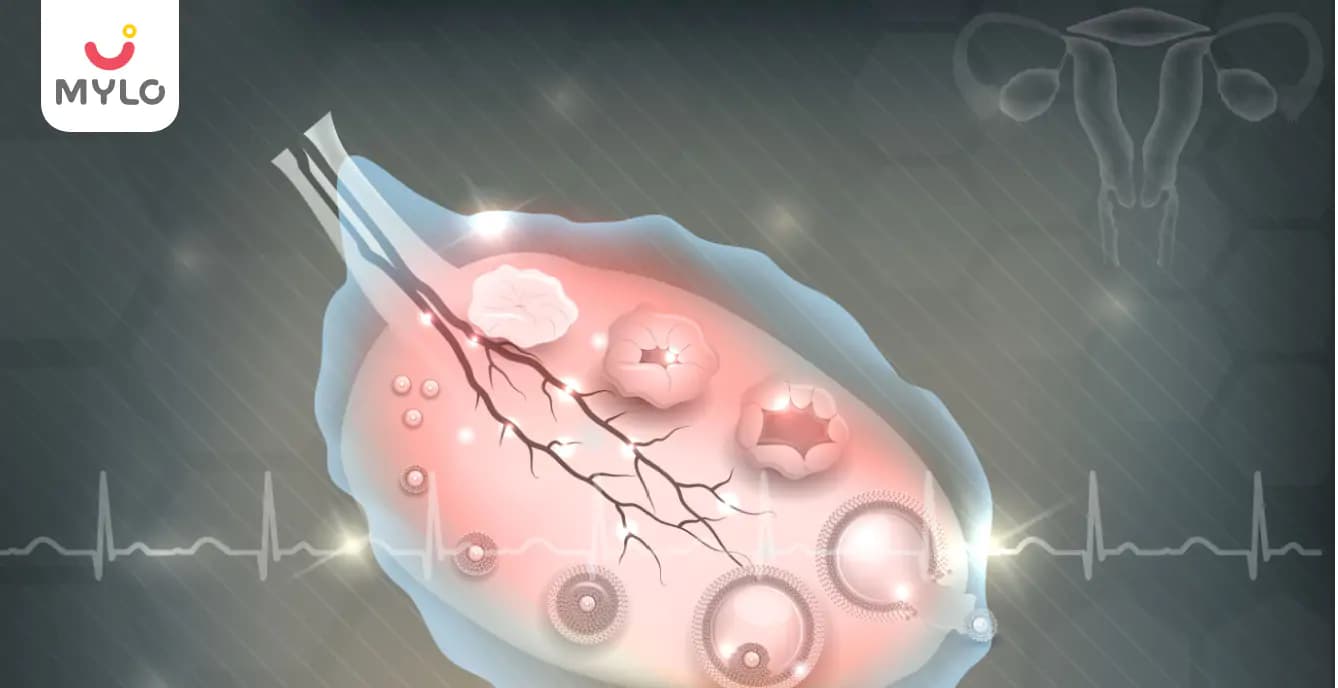
Ovulation refers to the process during which the female body releases an egg. Disorders or problems with the ovulation process can cause difficulty in conceiving and may even lead to infertility.
Common Ovulation Disorders in Women
Some types of ovulation disorders are:
1. Polycystic ovarian syndrome
A woman with polycystic ovarian syndrome (PCOS) has enlarged ovaries, often with small, fluid-filled cysts on them. It can lead to a hormonal imbalance which may disrupt the ovulation process.
Other symptoms of PCOS include: insulin resistance, obesity, abnormal hair growth, and acne.
PCOS is the leading cause of infertility in women.
2. Hypothalamic dysfunction
Hypothalamic dysfunction occurs when the production of the FSH and LH hormones is disrupted. These are the hormones that stimulate ovulation. This can affect the menstrual cycle.
Irregular menstrual cycles and amenorrhea, which means not menstruating at all, are common.
Causes of hypothalamic dysfunction include: excessive physical or emotional stress, extremely high or low body weight, substantial weight gains or losses, extreme exercise or tumours on the hypothalamus.
3. Premature ovarian insufficiency
This is when egg production stops prematurely because of a reduction in oestrogen levels.
It can be caused due to an autoimmune disease, genetic anomalies, or environmental toxins.
It typically affects women before the age of 40 years.
4. Hyperprolactinemia, or excess prolactin
In certain situations, such as the use of specific medication or an abnormality in the pituitary gland, which is responsible for the production of hormones in the body, women can produce excessive amounts of prolactin. This, in return, can cause a reduction in the production of oestrogen.
Excess prolactin is an uncommon cause of ovulatory dysfunction in women.
Medications for Ovulation Disorders
Ovulation can be induced by fertility drugs. These medications are known to regulate or trigger ovulation. Doctors may prescribe the following medications to treat ovulation disorders or the cessation of ovulation.
- Clomiphene citrate (Clomid): This oral medication increases pituitary secretion of FSH and LH, stimulating ovarian follicles.
- Letrozole (Femara): This works by temporarily lowering a woman's level of the hormone progesterone to stimulate ovum production.
- Human menopausal gonadotropin or hMG (Repronex, Menopur, Pergonal) and FSH (Gonal-F, Follistim): These medications are injectable and known as gonadotropins. They stimulate the ovary to produce several eggs for ovulation.
- Human chorionic gonadotropin or hCG (Profasi, Pregnyl): This matures eggs and subsequently triggers their release during ovulation.
- Metformin (Glucophage): This medication is typically used in women with PCOS to treat insulin resistance and increase the chances of ovulation.
- Bromocriptine (Parlodel) and Cabergoline (Dostinex): These medications are used to treat hyperprolactinemia.
Side-effects of Fertility Drugs
Beware that taking fertility drugs can increase your chances of multiple pregnancies, i.e. having twins or triplets. The above may trigger side effects, including:
- abdominal pain
- hot flushes
- heavy menstrual flow
- tenderness in the breasts
- vaginal dryness
- increased urination
- spots
- insomnia
- mood swings
If these become severe, a doctor may be able to suggest other options.
References
- Smith, L. (2021). When do I ovulate, how do I know, and what does it feel like?. www.medicalnewstoday.com
- Yann Robert. (1995). Ultrasound assessment of ovarian stroma hypertrophy in hyperandrogenism and ovulation disorders: visual analysis versus computerized quantification. sciencedirect.com
Article Posted Under
Related Articles


Related Topics
.webp&w=32&q=75)
Medical Disclaimer
This content is for informational purposes only and should not replace professional medical advice. Consult with a physician or other health care professional if you have any concerns or questions about your health. If you rely on the information provided here, you do so solely at your own risk.


AWARDS AND RECOGNITION

Mylo wins Forbes D2C Disruptor award

Mylo wins The Economic Times Promising Brands 2022
AS SEEN IN












- Mylo Care: Effective and science-backed personal care and wellness solutions for a joyful you.
- Mylo Baby: Science-backed, gentle and effective personal care & hygiene range for your little one.
- Mylo Community: Trusted and empathetic community of 10mn+ parents and experts.


Product Categories
Baby Carrier | Baby Soap | Baby Wipes | Stretch Marks Cream | Baby Cream | Baby Shampoo | Baby Massage Oil | Baby Hair Oil | Stretch Marks Oil | Baby Body Wash | Baby Powder | Baby Lotion | Diaper Rash Cream | Newborn Diapers | Teether | Baby Kajal | Baby Diapers Pants | Cloth Diapers | Laundry Detergent | Lactation Granules |