


Orders
.png&w=48&q=75 "login")
Profile


Wallet

How to Increase Breast Milk After C Section: Tips and Strategies

 3 Likes|
 9 min
9 minAI-Generated Summary
Quick overview in 30 seconds.webp&w=32&q=75)
Summary
- After a C-section, hormonal changes, delayed breastfeeding initiation, stress, pain, and limited physical activity can all temporarily affect breast milk production and supply for new mothers.
- Low milk supply may result from delayed breastfeeding, insufficient breast stimulation, inadequate hydration and nutrition, or unnecessary formula supplementation that disrupts the demand-supply cycle.
- Boost milk supply by breastfeeding early and often, ensuring proper latch, practising skin-to-skin contact, pumping, massaging breasts, and consuming lactogenic foods like oats, fenugreek, and fennel.
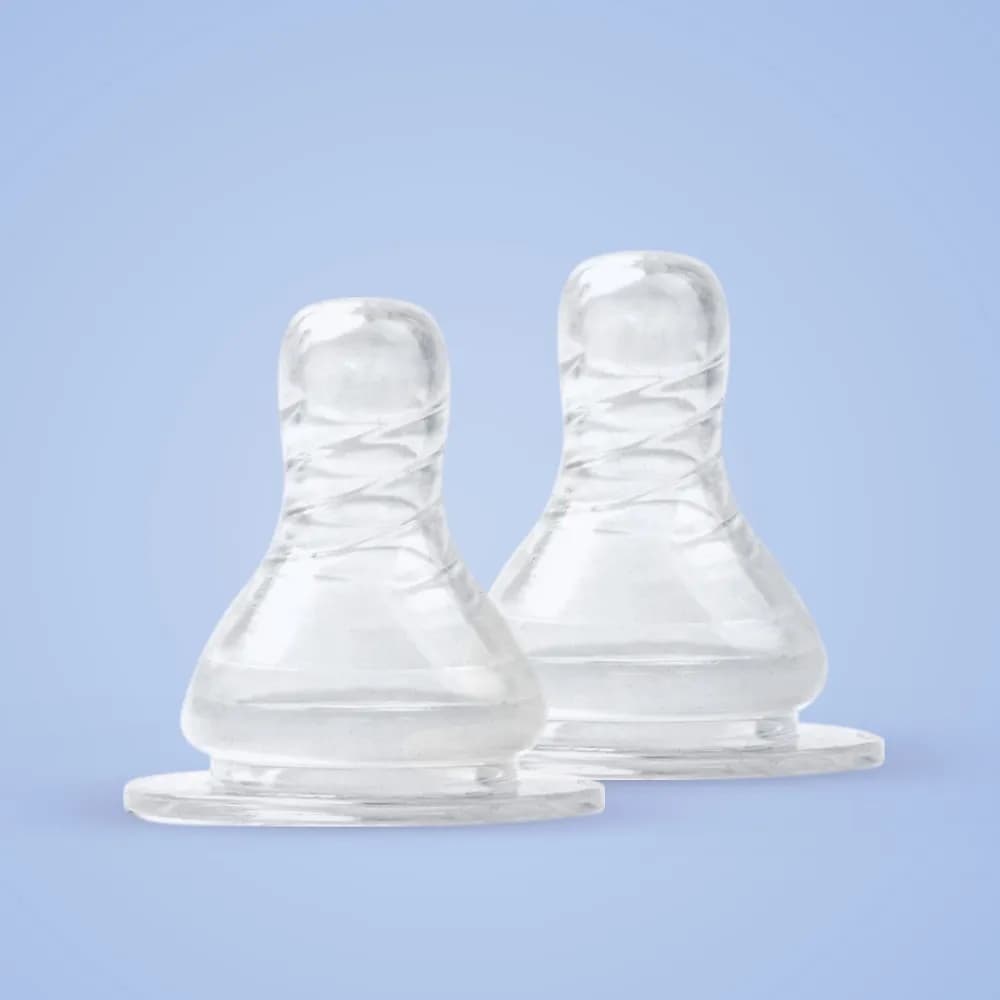
- Looking for trusted lactation support after C-section? Explore our Anti Colic Slow (S) Flow Grooved Baby Nipple - Pack of 2.
 4.8
4.8 4.6
4.6Whether you planned for a Cesarean section delivery, or it was the need of the hour, you have delivered your baby by C Section. Alongside medical guidance and a balanced diet, some mothers also explore trusted lactation support options like Mylo Lactomama Lactation Granules to complement their breastfeeding routine. However, breastfeeding after a C section is beneficial.
What’s the Relation Between C Section and Breast Milk Production?
Breast milk production is a natural process that occurs after childbirth. However, women who have undergone a Cesarean section, commonly known as a C section, may face some challenges in producing an adequate milk supply. A C section is a surgical procedure that involves delivering a baby through an incision in the mother's abdomen and uterus.
This surgical intervention can have an impact on the hormonal balance and milk production process in a woman's body. The hormonal changes caused by a C section can sometimes delay the onset of milk production, making it important for mothers to take proactive steps to increase their milk supply.
What Are the Factors Affecting Breast Milk After C Section?
There are several factors that can affect breast milk production after a C section. By understanding these factors, new mothers can better navigate their breastfeeding journey and take appropriate measures to boost their milk supply.
1. Hormonal changes
As mentioned earlier, a C section can disrupt the hormonal balance in a woman's body. Hormones like prolactin and oxytocin play a crucial role in milk production. The surgical procedure and the use of anesthesia during a C section can temporarily affect the release of these hormones, which can in turn impact the initiation of milk production.
2. Delayed breastfeeding initiation
Due to the nature of a C section, there may be a delay in initiating breastfeeding compared to a vaginal delivery. This delay can affect the stimulation of the breasts and the release of prolactin, which is essential for milk production. It is important for new mothers to communicate their desire to breastfeed immediately after the surgery to ensure timely initiation of breastfeeding.
3. Stress and pain
Recovering from a C section can be physically and emotionally demanding. The stress and pain associated with the surgery can have an impact on milk production. Stress hormones can inhibit the release of prolactin and oxytocin, making it important for new mothers to manage their stress levels.
4. Limited physical activity
Following a C section, new mothers are advised to limit their physical activity during the initial recovery period. However, physical activity plays a role in promoting milk production. Engaging in gentle exercises and movements, as advised by healthcare professionals, can help stimulate milk production.
5. Medications and interventions
Women who undergo a C section may be prescribed pain medications or other interventions that can potentially affect milk production. It is important to discuss the potential impact of these medications with healthcare professionals and explore alternative options that are compatible with breastfeeding.
What Are the Reasons for No Breast Milk After C Section?
While many women are able to establish a good milk supply after a C section, some may face challenges in producing sufficient breast milk. Here are five possible reasons for low milk supply after a C section:
1. Delayed initiation of breastfeeding
As mentioned earlier, a delay in initiating breastfeeding can impact milk supply. It is important to advocate for immediate skin-to-skin contact and breastfeeding as soon as possible after the surgery to ensure optimal milk production.
2. Insufficient breast stimulation
Proper and frequent breast stimulation is essential for milk production. If a baby is not latching well or if pumping is not done frequently enough, it can lead to a low milk supply.
3. Inadequate hydration and nutrition
Breast milk production requires an adequate intake of fluids and nutrients. Women who have undergone a C section may experience difficulties in maintaining proper hydration and nutrition due to the recovery process.
4. Supplementing with formula
In some cases, new mothers may turn to formula supplementation if they believe they are not producing enough milk. However, supplementing with formula can interfere with the demand and supply cycle of breastfeeding, leading to a decrease in milk production.
How to Increase Breast Milk After C Section?
Here are some tips to increase your breast milk after C Section that you can follow:
1. Start breastfeeding as early as possible
If you were given an epidural or spinal anesthesia, you will be awake and ready to breastfeed your baby right away. In case, you were given general anesthesia, your recovery may take longer. If you are unable to breastfeed right away, hold your baby skin-to-skin.
2. Find the right breastfeeding position
After a C-section, you’ll have to protect your abdominal incisions, IV line and blood pressure cuff. So, try to find the most comfortable and safest position for you to breastfeed your baby. You can try football, laid-back, side-lying or cradle hold positions.
3. Ensure the right latch
It’s vital for your baby to find the right latch to make sure your breast milk supply remains up and you don’t have any problems. You can take help from the lactation consultant to help you ensure the right latch and breastfeeding position.
4. Breastfeed frequently
Breastfeeding frequently is the best way to increase your breast milk supply. You should try to breastfeed your little one around 10-12 times a day and even at night. In fact, your prolactin levels are highest after midnight so, to increase your breast milk supply, breastfeed at night.
5. Practice skin-to-skin contact
Spending skin-to-skin time with your little one can help encourage your prolactin hormones, which will help increase your milk production. So even if you can’t breastfeed right away with your baby, try skin-to-skin contact.
6. Use a breast pump
When you are not breastfeeding your baby, you can try using a breast pump. This will help to stimulate your breast milk production and keep up your supply.
7. Take pain medications
You will be able to breastfeed better if your pain is under control. Additionally, it may also help to relax your body. So, ask your doctor to give you breastfeeding-friendly pain medications.
8. Avoid supplements
You should not supplement your baby with formula milk or pacifiers unless told by the doctor. This may cause reduction in breast stimulation and your baby may not want to breastfeed as often as he/she would if not supplemented.
9. Try massaging your breasts
Massaging your breasts before a feeding or pumping session and even during breastfeeding can help maximise your breast milk supply. You can also use warm compresses before feeding sessions to simplify the process.
10. Avoid practices that reduce milk production
Consuming alcohol, smoking or wearing tight bras can affect your ability to produce milk negatively. Avoid these practices along with any over-the-counter or prescription medicines that may dry up your milk supply.
11. Consume lactogenic foods
There are plenty of lactogenic foods to increase breast milk after C section. Try consuming foods like oats, barley, brown rice, fenugreek, fennel and sesame seeds, spinach, almonds, date and chickpea to increase your breast milk supply.
12. Consult a lactation expert
You will be staying in the hospital longer after a C section so you might as well try consulting the lactation expert there. In case the hospital doesn’t have one, you may try lactation experts outside who can help you with latching and breastfeeding positions.
You may also like: No Breast Milk After Delivery: What to Do & What are the Factors Responsible
FAQs
1. Why is my milk supply low after C section?
Several factors can contribute to low or no breast milk after C section, including hormonal changes, delayed breastfeeding initiation, stress and pain, limited physical activity, and medications. Understanding these factors and taking appropriate measures can help improve milk supply.
2. How long after C section does milk come in?
The timing of C section and breast milk production can vary from woman to woman. On average, milk production begins around 2 to 5 days after delivery. However, it is important to note that every woman's body is unique, and it may take some time for milk production to fully establish.
Final Thoughts
Stressing about breastfeeding or low breast milk supply will do you more harm than good. Take a breath of relief, make the most of these joyous days and cherish every moment with your baby. Using the above tips on how to increase breast milk after c section will make sure that your body start producing milk in adequate quantity for you to feed your baby. Remember, patience and persistence are key, and reaching out for help when needed can make a significant difference in your breastfeeding journey.
References
1. Hobbs AJ, Mannion CA, McDonald SW, Brockway M, Tough SC. (2016). The impact of caesarean section on breastfeeding initiation, duration and difficulties in the first four months postpartum. BMC Pregnancy Childbirth.
2. Paksoy Erbaydar N, Erbaydar T. (2020). Relationship between caesarean section and breastfeeding: evidence from the 2013 Turkey demographic and health survey. BMC Pregnancy Childbirth.
Trusted by New Moms Healing After C-Section
Gentle lactation support and recovery essentials to help you nurture your baby while your body heals beautifully.
Anti Colic Slow (S) Flow Grooved Baby Nipple - Pack of 2
BPA Free | Breast-Like Nipple | Food Grade Material | Wide Base for Better Latch | Can be Sterilized | Microwave Safe | Fits Most Standard Bottles



MamaGro™ Protein Diskettes - 250gm - Vanilla
Supports Healthy Placenta | Supports Fetal Development



Article Posted Under
Related Articles




Related Topics
.webp&w=32&q=75)
Medical Disclaimer
This content is for informational purposes only and should not replace professional medical advice. Consult with a physician or other health care professional if you have any concerns or questions about your health. If you rely on the information provided here, you do so solely at your own risk.


AWARDS AND RECOGNITION

Mylo wins Forbes D2C Disruptor award

Mylo wins The Economic Times Promising Brands 2022
AS SEEN IN












- Mylo Care: Effective and science-backed personal care and wellness solutions for a joyful you.
- Mylo Baby: Science-backed, gentle and effective personal care & hygiene range for your little one.
- Mylo Community: Trusted and empathetic community of 10mn+ parents and experts.


Product Categories
Baby Carrier | Baby Soap | Baby Wipes | Stretch Marks Cream | Baby Cream | Baby Shampoo | Baby Massage Oil | Baby Hair Oil | Stretch Marks Oil | Baby Body Wash | Baby Powder | Baby Lotion | Diaper Rash Cream | Newborn Diapers | Teether | Baby Kajal | Baby Diapers Pants | Cloth Diapers | Laundry Detergent | Lactation Granules |