


Orders
.png&w=48&q=75 "login")
Profile


Wallet

Heartburn or Acid Reflux During Pregnancy: Causes, Home Remedies & Safe Relief
 4 Likes|
 10 min

M.Sc. (Food & Nutrition) · 3 years experience
Key Takeaways
Quick overview in 30 seconds.webp&w=32&q=75)
- Acid reflux during pregnancy affects nearly 50 percent of expectant mothers due to hormonal changes and pressure on organs from the growing baby, not from spicy meals.
- Effective home remedies include yoghurt, cold milk with honey, ginger, almonds, ripe papaya, apple cider vinegar, herbal teas, crackers, apples, pears, and sugar-free gum.
- Simple lifestyle modifications like wearing loose clothes, eating smaller frequent meals, sitting up after meals, and allowing three hours between dinner and bedtime help significantly.
- Looking for safe pregnancy comfort essentials? Explore our Pregnancy Wellness Super Saver Combo - Stretch Marks Cream for Women 100g + Long Grain Pure Saffron for Pregnant Women (Kesar) - 2g.
TL;DR
Heartburn, or acid reflux, affects nearly 50% of pregnant women, mostly due to hormonal changes that relax the valve at the top of the stomach and the pressure of the growing baby, not because of what you ate (NHS). Simple habit changes help most: smaller frequent meals, loose clothes, staying upright after eating, and leaving 2 to 3 hours between dinner and bed. Gentle home options like cold milk, yoghurt, almonds, ripe papaya and sugar-free gum can soothe symptoms. Importantly, you do NOT have to suffer through it: calcium-based antacids such as Tums are considered first-line safe in pregnancy and are commonly recommended, so ask your doctor rather than avoiding all medicine (American Pregnancy Association). Avoid raw or unripe papaya, and check before using any herb.
Quick Answer
Acid reflux in pregnancy is very common and is caused by pregnancy hormones relaxing the stomach valve plus pressure from the growing uterus. It usually gets more noticeable in later trimesters. You can ease it with smaller frequent meals, staying upright after eating, loose clothing, and gentle foods like cold milk, yoghurt, almonds and ripe papaya. You do not have to just endure it, calcium-carbonate antacids like Tums are considered safe first-line relief in pregnancy, so speak to your doctor. Avoid unripe papaya, and get your doctor's okay before any herbal remedy.
Author: Mylo Editorial Team, Mylo Parenting Desk Medically reviewed by: Mylo Editorial Board, aligned with ACOG, NHS and FOGSI guidance Last updated: 8 July 2026
Medical Disclaimer: This article is for informational purposes only and is not a substitute for professional medical advice. Do not start or stop any medicine, including over-the-counter antacids, without checking with your doctor. If you have severe, persistent heartburn, difficulty swallowing, vomiting, weight loss, or pain that spreads to the arm or jaw, seek medical care, as reflux can occasionally overlap with more serious conditions.
Key Takeaways
Heartburn affects nearly half of pregnant women, usually worsening in later trimesters (NHS)
It is caused by hormones relaxing the stomach valve and pressure from the growing baby, not spicy food alone
Habit changes help most: smaller frequent meals, staying upright, loose clothes, no late dinners
Gentle foods that may soothe: cold milk, yoghurt, almonds, ripe papaya, pears, apples, crackers
Calcium-carbonate antacids (Tums) are considered first-line SAFE in pregnancy, ask your doctor (American Pregnancy Association)
Avoid raw or unripe papaya, its papain and latex can trigger contractions
Peppermint can actually worsen reflux for some women, so it is not the best herb for heartburn
Check with your doctor before any herbal tea or supplement in pregnancy
What Causes Heartburn During Pregnancy?
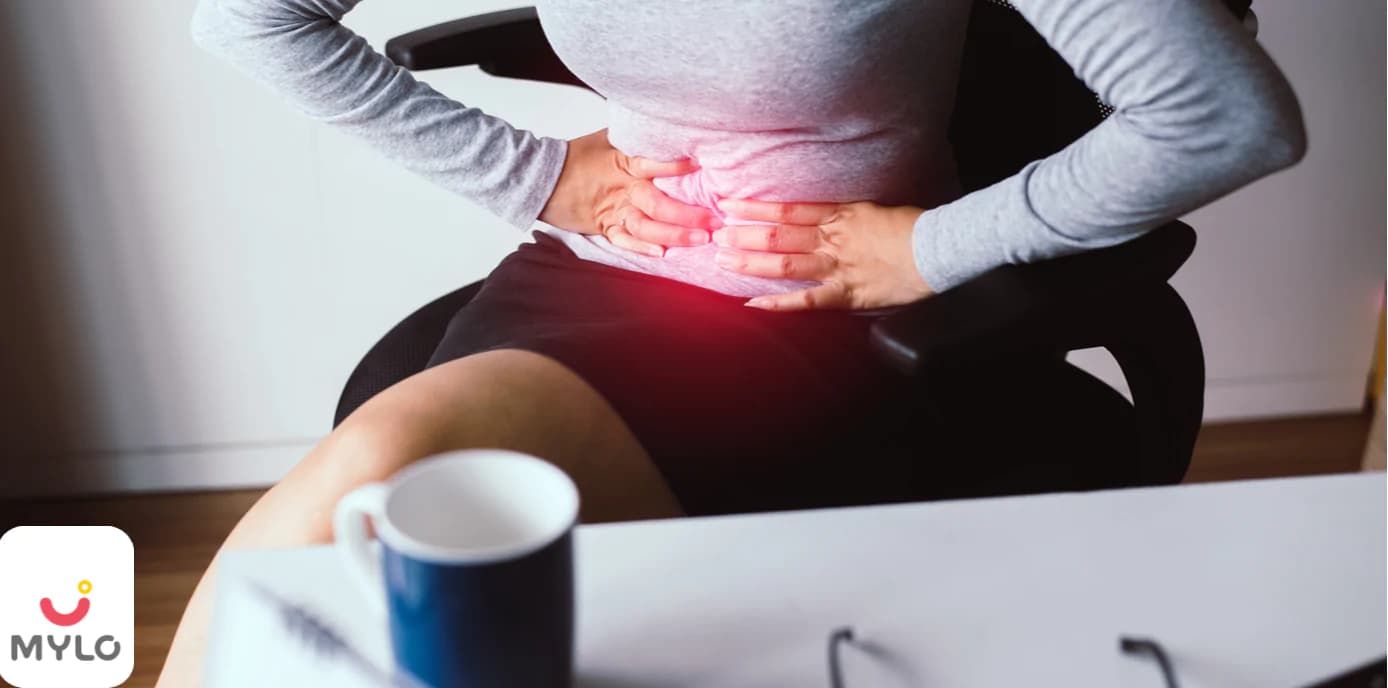
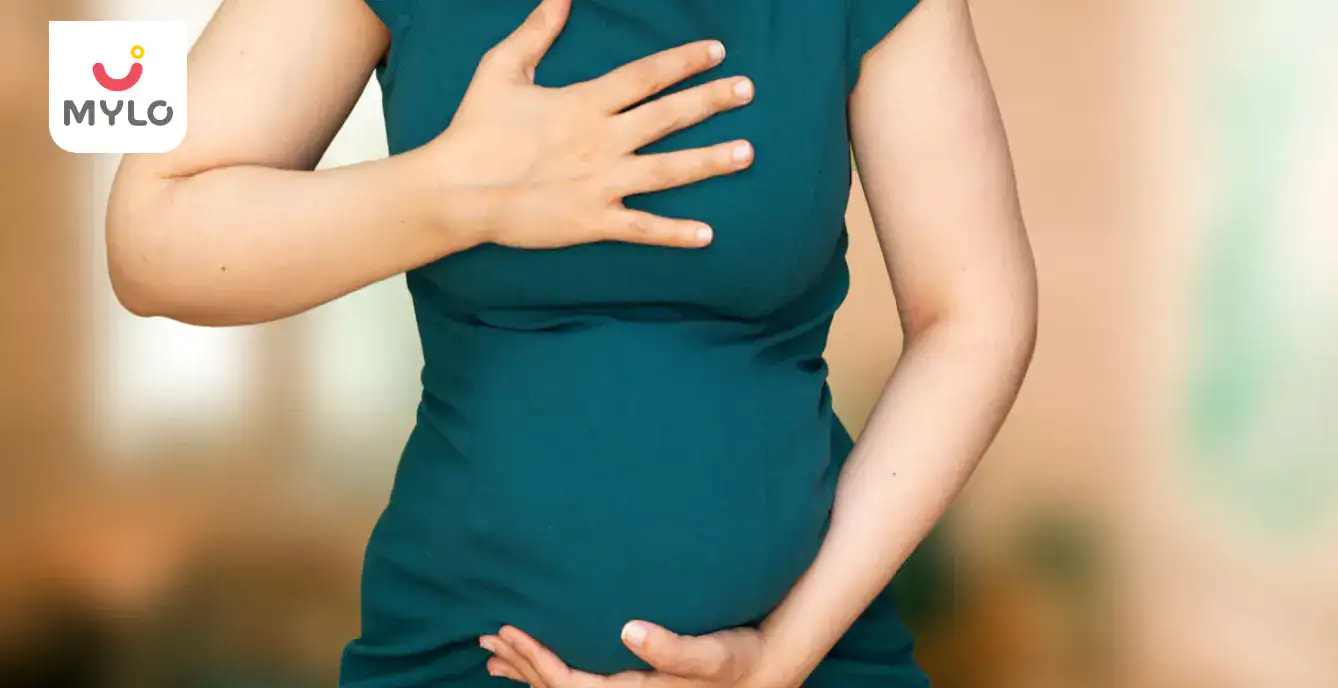
Heartburn, also called acid reflux, is that burning, unsettled, heavy feeling behind the breastbone or in the upper stomach. In pregnancy it is extremely common, affecting nearly 50% of expectant mothers (NHS).
Contrary to popular belief, it has little to do with what you ate. Two pregnancy changes are the real cause:
Pregnancy hormones (especially progesterone) relax the ring of muscle at the top of the stomach, letting acid rise back up into the food pipe
The growing uterus pushes up on the stomach, especially in the second and third trimesters
Because both causes increase as pregnancy advances, reflux often feels worse later on. The good news is that most cases respond well to simple measures, and safe relief is available.
A Note on Antacids: You Do Not Have to Just Suffer
An old myth says pregnant women should avoid all antacids and rely only on home remedies. That is not correct. Calcium-carbonate antacids, such as Tums, are considered a first-line, safe option in pregnancy and are commonly recommended by doctors, partly because they work locally in the stomach and are barely absorbed (American Pregnancy Association).
What to keep in mind:
Use them in the recommended dose, not by the handful
Avoid antacids containing sodium bicarbonate (can cause fluid retention) unless your doctor advises
If you need antacids often, tell your doctor so they can check the dose and rule out anything else
The takeaway: try the home measures below, but if heartburn is troubling you, ask your doctor about a safe antacid rather than enduring it.
Home Remedies for Heartburn During Pregnancy
Alongside habit changes (loose clothes, smaller frequent meals, and 2 to 3 hours between dinner and bedtime), these gentle remedies can help.
Remedy | How It May Help | Good to Know |
|---|---|---|
Yoghurt | A cooling probiotic that can soothe the stomach | Add a little to meals; choose plain, not very sugary |
Cold milk | May help settle acid; a spoon of honey can add to the soothing effect | Sip when symptoms start |
Ginger | Eases nausea and may reduce irritation; use small amounts | A weak ginger tea or a little in food; avoid large medicinal doses |
Almonds | A filling snack with healthy fats, protein and fibre | A small fistful between meals |
Ripe papaya | Ripe papaya, in small amounts, is generally soothing and safe | AVOID raw or unripe papaya (can trigger contractions) |
Pears and apples | Can relieve acidity; eat with the peel, cold works best | Great as an after-meal treat |
Crackers | Dry foods can absorb acid and settle the stomach | Handy for quick relief |
Sugar-free gum | Chewing boosts saliva, which helps neutralise acid | Keep some handy after meals |
About Apple Cider Vinegar
Apple cider vinegar is a popular home remedy, but the evidence is weak and it is still acidic, so it does not reliably "neutralise" stomach acid. If you want to try it, dilute one tablespoon well in a glass of water and see how you feel, and stop if it worsens symptoms. Check with your doctor first.
About Herbal Teas (and Peppermint)
Herbal teas can feel soothing, but choose carefully. Peppermint, though often suggested, can actually relax the stomach valve and make reflux worse for some women, so it is not the best choice specifically for heartburn. Always get your doctor's approval before any herbal tea or herb in pregnancy.
Everyday Tips to Prevent Acid Reflux
Small habits make a big difference:
Sit upright for at least 45 minutes after every meal, do not lie down
Take a slow walk when you feel acidity or heaviness starting
Sip something cold if a burning sensation begins
Avoid very hot, spicy or oily foods if you are prone to heartburn
Eat slowly, chew well, and take smaller mouthfuls, as hard-to-digest food makes the stomach release more acid
Eat smaller, more frequent meals instead of large ones
Prop your head and upper body up with pillows at night
Indian Context
Many Indian meals are spicy and oil-rich, which can aggravate reflux in those already prone to it, especially heavy late dinners. Simple swaps help: lighter evening meals eaten earlier, buttermilk (chaas) or plain curd with food, and cold milk or fennel (saunf) after meals. If home measures are not enough, do not hesitate to ask your obstetrician about a pregnancy-safe antacid, self-medicating with random remedies or high doses is not the answer.
Myths vs Facts
Myth | Fact |
|---|---|
Heartburn means you ate too much spicy food | It is mainly caused by pregnancy hormones and pressure from the baby |
All antacids are unsafe in pregnancy | Calcium-carbonate antacids like Tums are considered first-line safe; ask your doctor |
Papaya is good for heartburn, so eat any papaya | Only ripe papaya in small amounts; raw or unripe papaya should be avoided |
Heartburn harms the baby | Heartburn is uncomfortable for you but does not harm your baby |
Frequently Asked Questions
Pregnancy mein heartburn ke liye kaun sa gharelu upay safe hai? (Hinglish)
Thanda doodh, curd (dahi), thode almonds, pake hue papite ki chhoti quantity, aur khaana khane ke baad seedha baithna, yeh sab safe aur helpful hain. Chhote chhote meals lein aur dinner jaldi karein. Agar phir bhi aaram na mile, to doctor se pooch kar calcium wala antacid (jaise Tums) le sakti hain. Kaccha ya raw papita bilkul avoid karein.
Kya pregnancy mein antacid lena safe hai? (Hinglish)
Haan, calcium carbonate wale antacid (jaise Tums) ko pregnancy mein first-line safe maana jaata hai aur doctor aksar recommend karte hain. Bas recommended dose mein lein, muthhi bhar kar nahin. Sodium bicarbonate wale antacid avoid karein. Zaroorat baar baar pade to doctor ko batayein.
When does heartburn usually start in pregnancy?
It can appear at any stage but is most common and intense in the second and third trimesters, as the growing uterus presses on the stomach. It usually eases after delivery.
Is it safe to eat papaya for heartburn in pregnancy?
Only ripe papaya, in small amounts, is generally considered safe and soothing. Raw or unripe (green) papaya should be avoided in pregnancy, as its papain and latex can stimulate the uterus.
When should I see a doctor about pregnancy heartburn?
See your doctor if heartburn is severe or constant, disturbs your sleep, comes with difficulty swallowing, vomiting or weight loss, or is not controlled by home measures, so you can be offered safe treatment.
References
NHS. Indigestion and heartburn in pregnancy. www.nhs.uk
American Pregnancy Association. Tums During Pregnancy: Safety, Benefits & Dosage. americanpregnancy.org
Law R, Maltepe C, Bozzo P, Einarson A. (2010). Treatment of heartburn and acid reflux associated with nausea and vomiting during pregnancy. Canadian Family Physician / NCBI. pmc.ncbi.nlm.nih.gov
Article Posted Under
Related Articles



Related Topics
.webp&w=32&q=75)
Medical Disclaimer
This content is for informational purposes only and should not replace professional medical advice. Consult with a physician or other health care professional if you have any concerns or questions about your health. If you rely on the information provided here, you do so solely at your own risk.


AWARDS AND RECOGNITION

Mylo wins Forbes D2C Disruptor award

Mylo wins The Economic Times Promising Brands 2022
AS SEEN IN













- Mylo Care: Effective and science-backed personal care and wellness solutions for a joyful you.
- Mylo Baby: Science-backed, gentle and effective personal care & hygiene range for your little one.
- Mylo Community: Trusted and empathetic community of 10mn+ parents and experts.


Product Categories
Baby Carrier | Baby Soap | Baby Wipes | Stretch Marks Cream | Baby Cream | Baby Shampoo | Baby Massage Oil | Baby Hair Oil | Stretch Marks Oil | Baby Body Wash | Baby Powder | Baby Lotion | Diaper Rash Cream | Newborn Diapers | Teether | Baby Kajal | Baby Diapers Pants | Cloth Diapers | Laundry Detergent | Lactation Granules |