


Orders
.png&w=48&q=75 "login")
Profile


Wallet

The Ultimate Guide to Baby Cloth Diapers: Countless Benefits of Eco-Friendly Diapering
 11 Likes|
 7 min
7 min

MBBS, DGO · 41 years experience

Key Takeaways
Quick overview in 30 seconds.webp&w=32&q=75)
- Cloth diapers are made of natural, breathable fabrics like cotton, bamboo, or hemp, making them reusable, washable, and a sustainable, eco-friendly alternative to disposable diapers.
- Benefits include breathability, chemical-free fabric, fewer rashes and leaks, cost-effectiveness, customizable fit, soft comfort, and significantly reduced environmental impact compared to disposables.
- Cloth diapers may also encourage earlier potty training, protect against blowouts with leg gussets, and give parents an unlimited diaper supply with proper washing routines.
- Looking for gentle, reusable cloth diapers for your baby? Explore our Adjustable & Reusable Cloth Diaper - Red & Blue - Pack of 2.
 4.0
4.0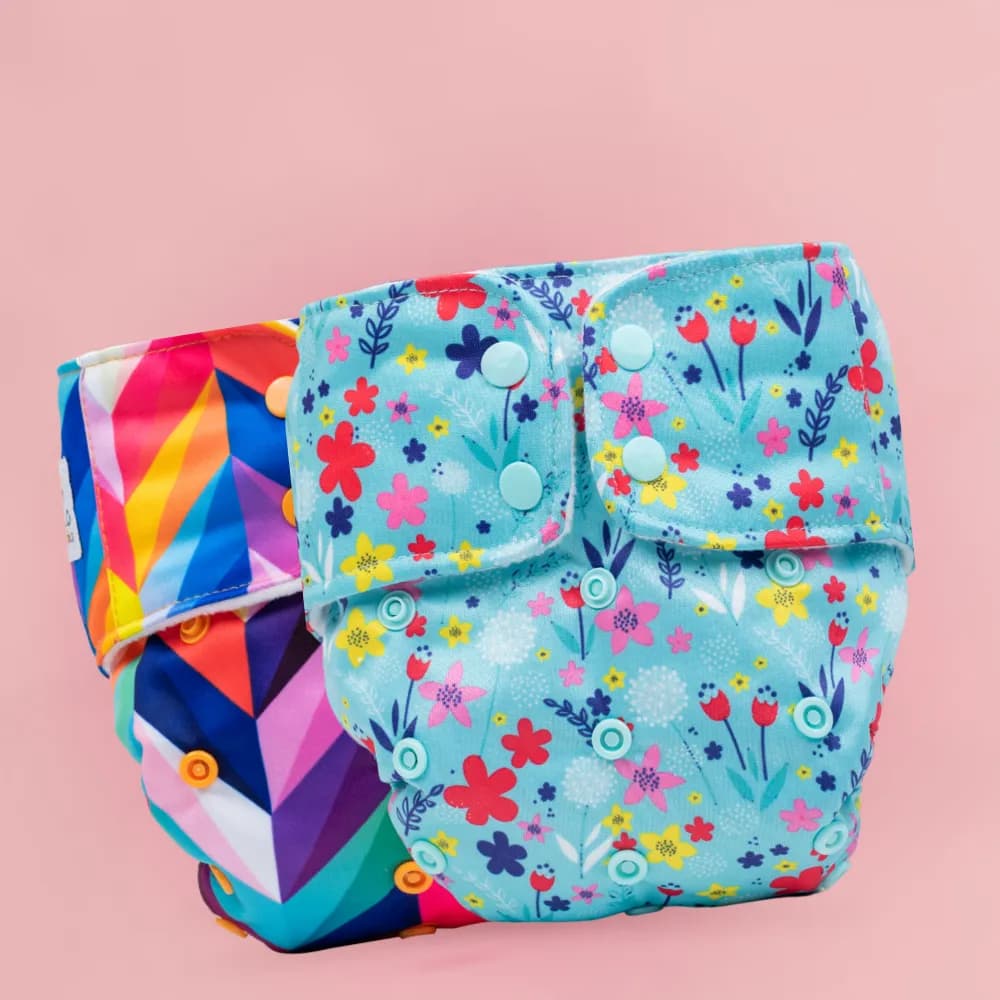 4.0
4.0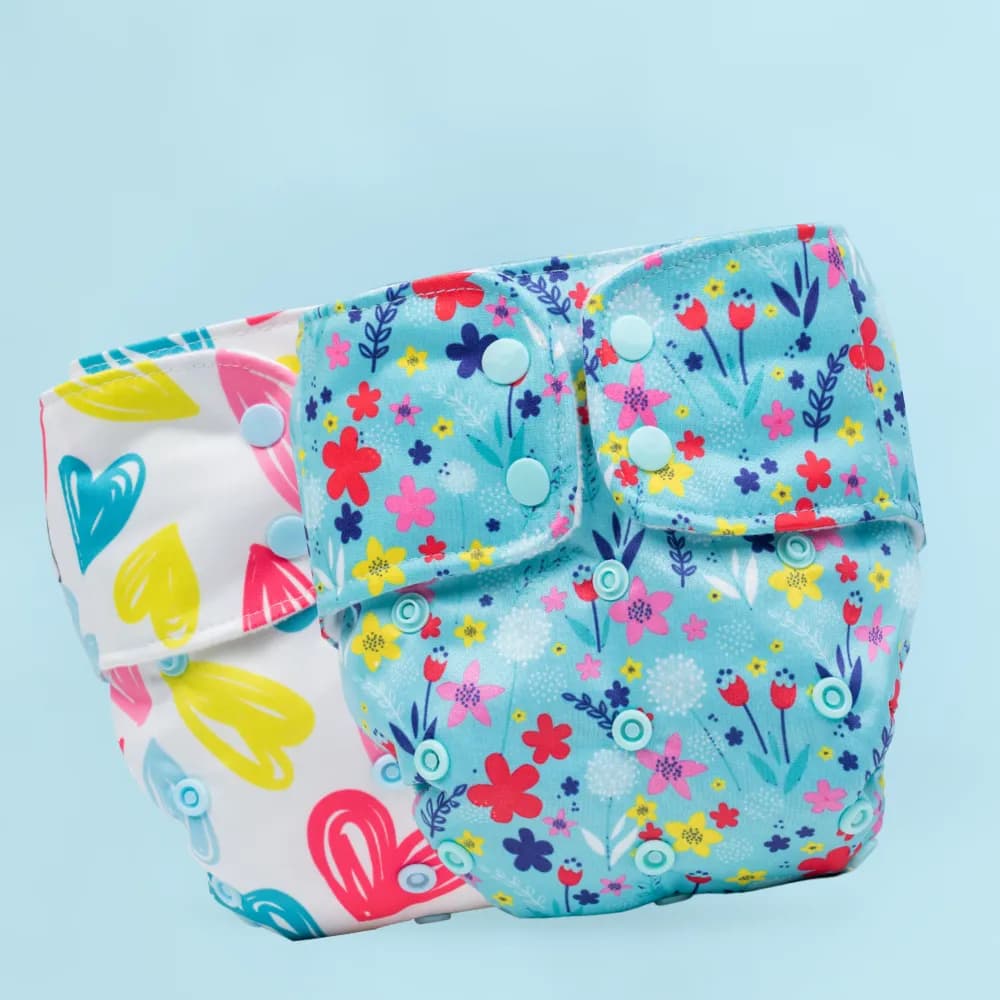 4.0
4.0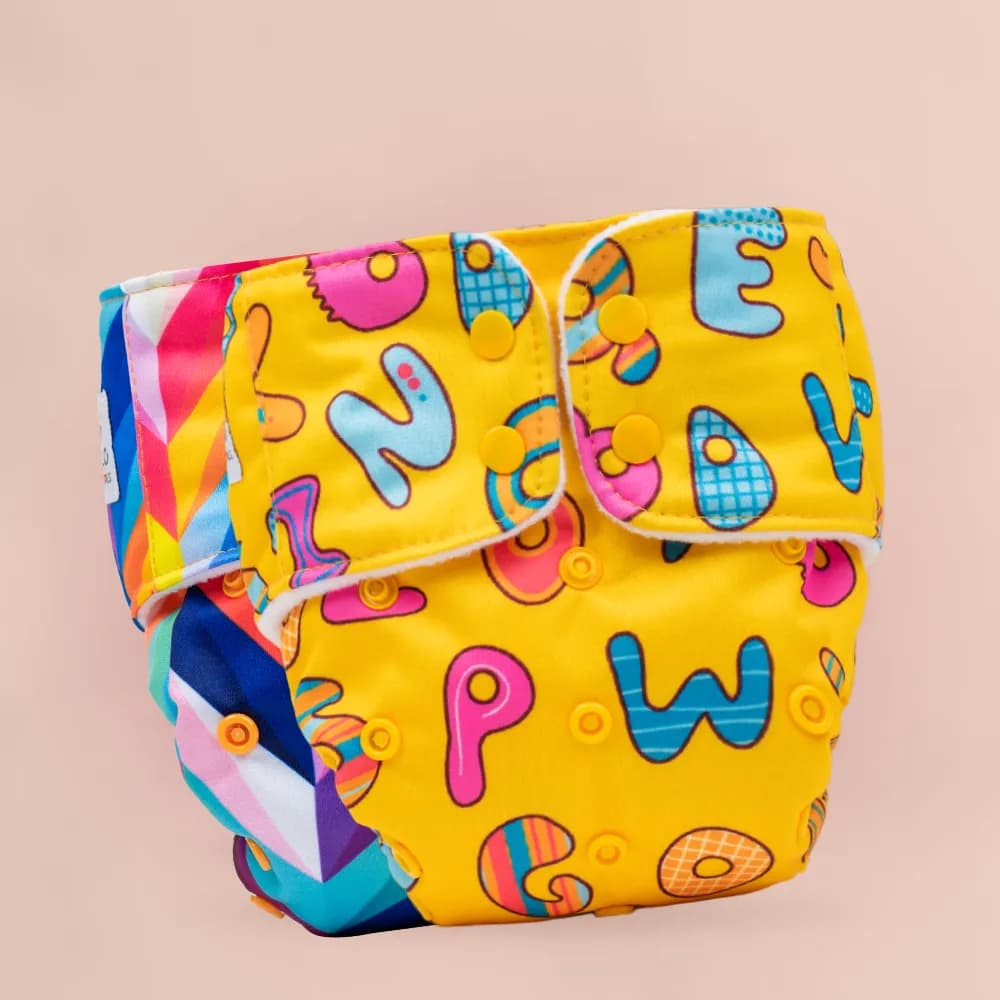 4.0
4.0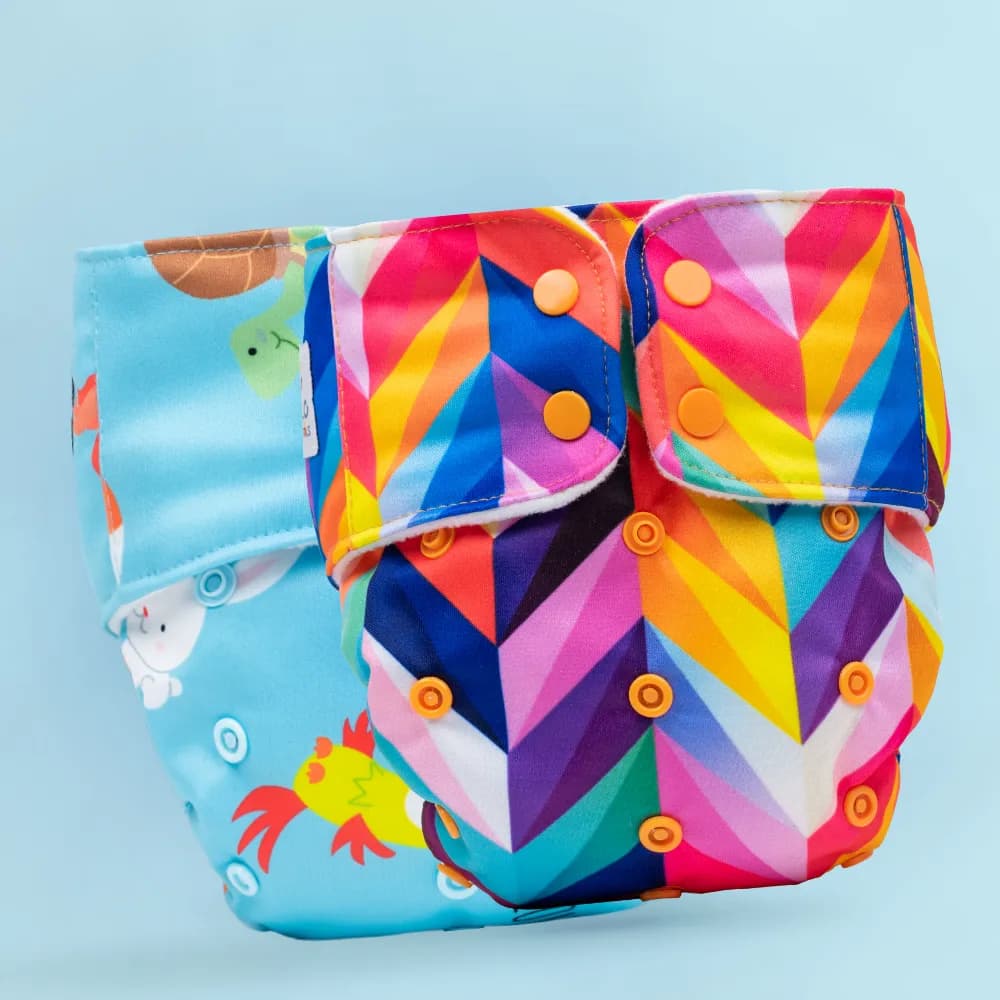 4.0
4.0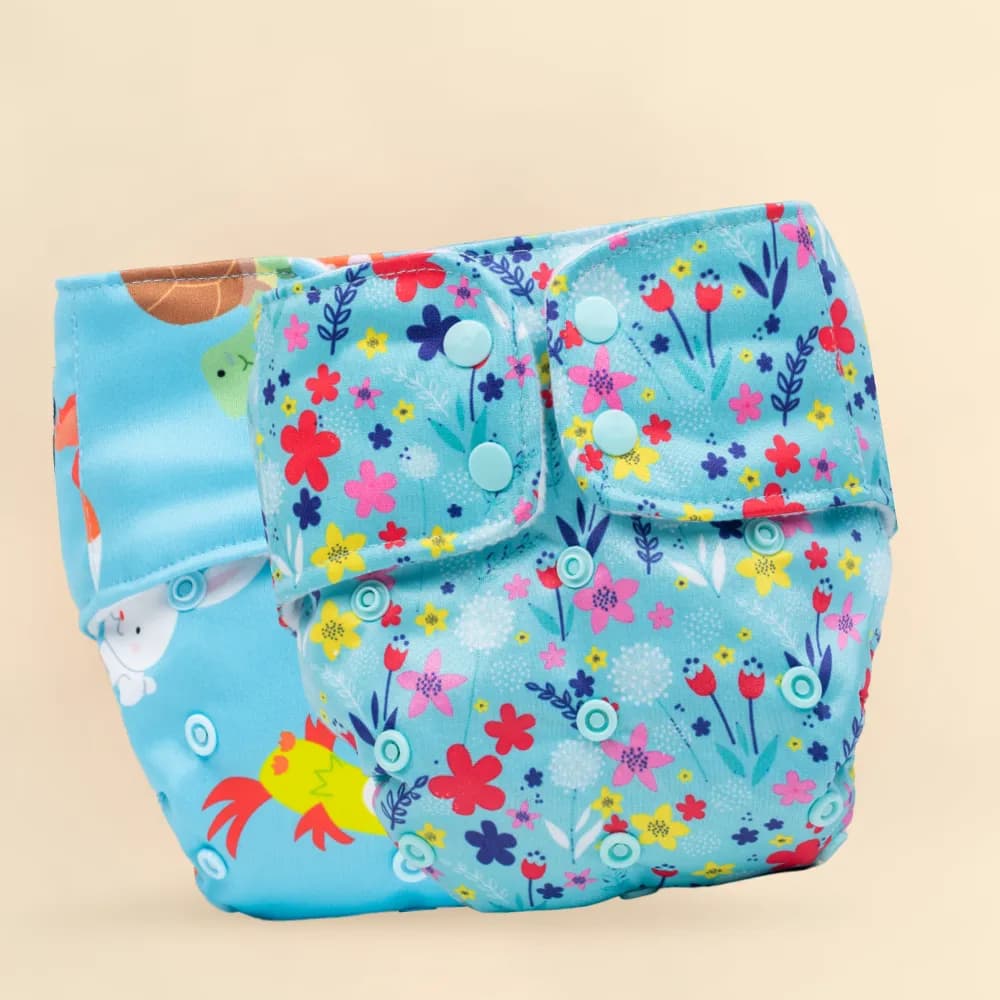 4.0
4.0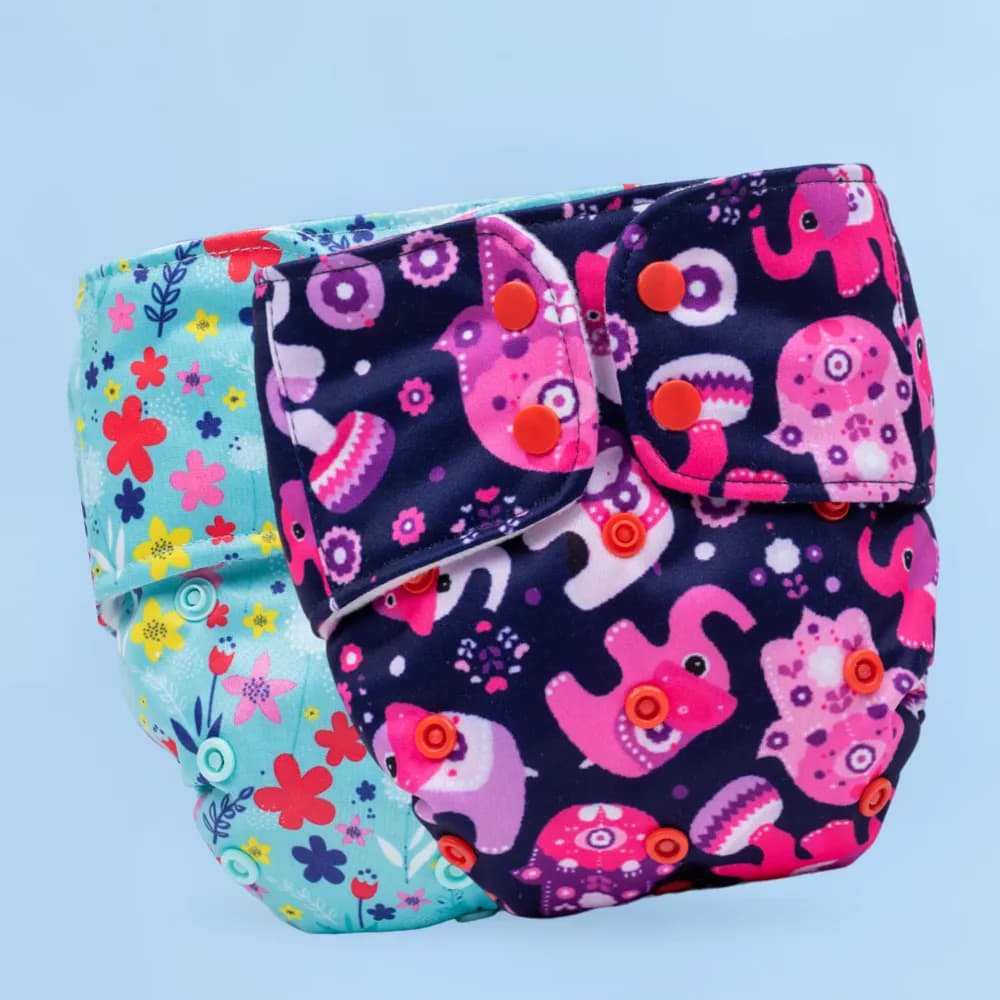 4.0
4.0Quick answer
Cloth diapers are reusable, washable nappies made from natural fabrics like cotton, bamboo or hemp. Their genuine benefits are real: much less landfill waste, lower cost over time (reused across siblings), a soft, breathable feel, an adjustable fit, and no running out mid-night as long as you can wash them. A few popular claims need a reality check though: cloth is lower in added fragrance but not "chemical-free" (the waterproof cover is usually PUL), and it does not reliably prevent rash or speed up potty training. On skin, no diaper type is clearly better, frequent changing is what prevents rash, and because cloth holds moisture closer, it needs changing sooner. Many families use cloth at home and disposables for travel and nights.
Author: Mylo Editorial Team, Mylo Parenting Desk
Medically reviewed by: Mylo Editorial Board, aligned with AAP, NHS and IAP guidance
Last updated: 17 July 2026
Medical disclaimer: This article is for informational purposes only and is not a substitute for professional medical advice. If your baby has a rash that is severe, blistering, bleeding, spreading, not improving in a few days, or comes with fever, please consult your paediatrician.
What are cloth diapers?
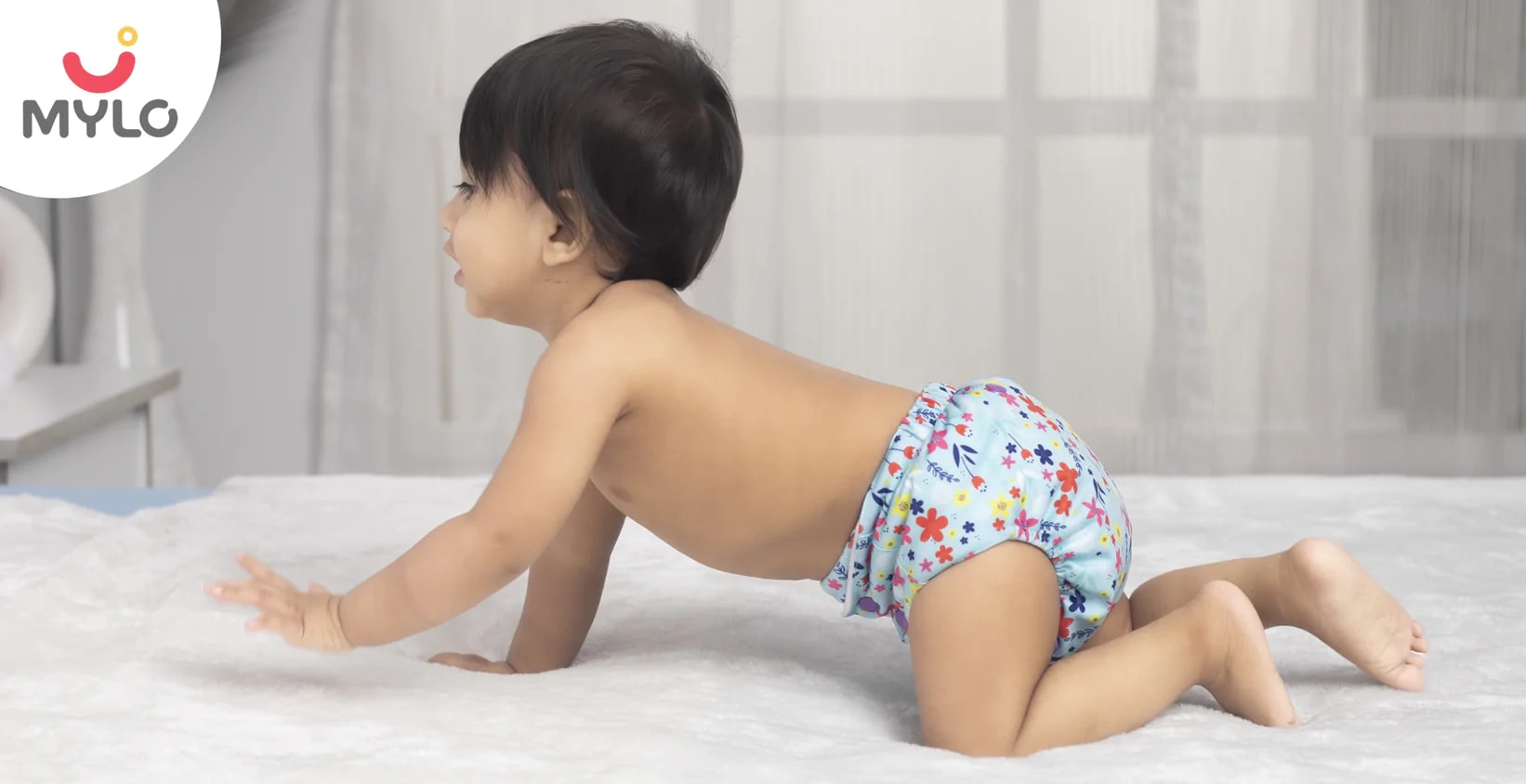
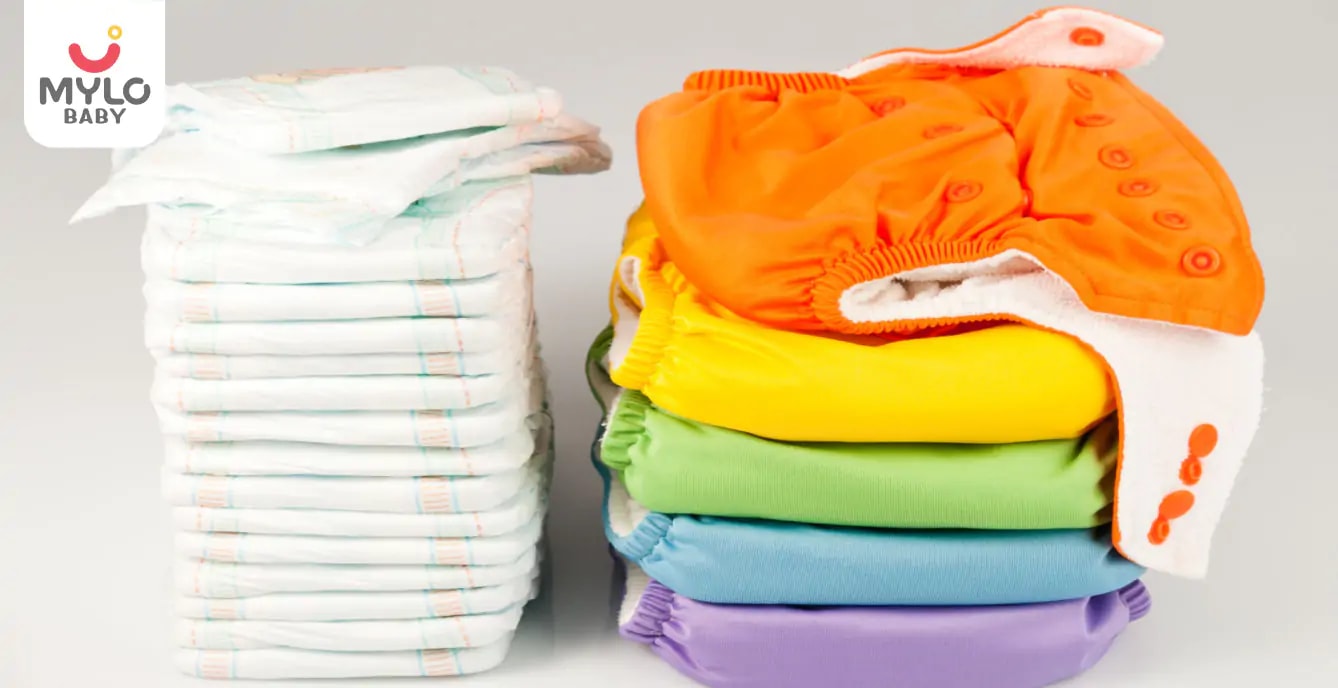
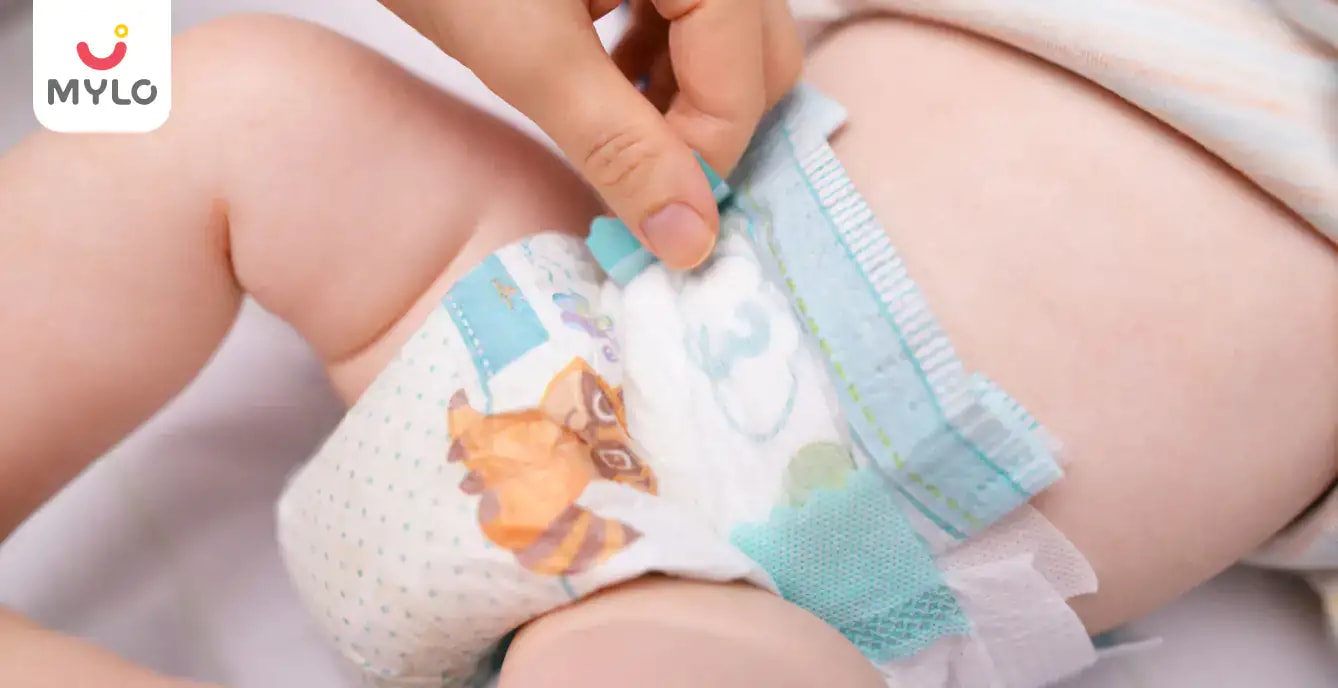
Cloth diapers have been used for centuries to keep babies dry. Unlike disposables, which are single-use, cloth diapers are made from reusable, washable natural fabrics such as cotton, bamboo or hemp, with a waterproof cover. They have become popular again with families who want to cut waste and cost while keeping their baby comfortable.
Read more: Cloth Diapers vs Disposable Diapers: Pros and Cons
What are the benefits of cloth diapers?
Here are the real advantages, with an honest note where a common claim is overstated:
Breathable natural fabric: soft and gentle, and airflow helps, but changing often is still what prevents rash
Lower in added fragrance: no perfumes or dyes in the fabric, which can suit very sensitive skin (not the same as "chemical-free", see below)
Cost-effective long term: higher upfront, but reused for years and across children, and resellable
Environment-friendly: reusable, so far less landfill waste (disposables take hundreds of years to decompose)
Good absorbency: multiple fabric layers hold moisture well, though fit matters and a poorly fitted cloth diaper can leak
Variety of fabrics and styles: cotton, bamboo, hemp, in many prints and cuts
Reusable many times: wash and use again, which saves money and cuts waste
Adjustable, customised fit: snaps or Velcro resize as your baby grows
Soft and comfortable: natural fabrics feel cosy against the skin
Less product smell: no added fragrance, though a soiled cloth diaper still needs prompt changing
No running out: with a stash and a washing machine, you always have a clean one ready
Blowout protection: adjustable leg gussets give a snug fit that helps contain messes
Read more: Do You Need to Change Your Baby's Reusable Cloth Diaper After Every Episode of Pee?
Which cloth diaper claims need a reality check?
A few benefits get repeated online that the evidence does not fully support. Here is the honest version:
Claim | The reality |
|---|---|
Cloth is completely chemical-free | The waterproof cover is usually PUL (a synthetic), and detergents are used; cloth is lower in added fragrance, not chemical-free |
Cloth causes fewer rashes and is better for the skin | No diaper type reliably prevents rash. Disposables keep skin drier; cloth holds moisture closer, so change it sooner (AAD) |
Cloth prevents leaks and blowouts | A well-fitted cloth diaper contains messes well, but a poorly fitted one can leak more than a disposable |
Cloth leads to earlier potty training | The evidence is weak. Potty training is driven by readiness, usually 18 to 30 months, not the diaper type (AAP) |
None of this means cloth is a bad choice, its cost and environmental benefits are real. It just is not a magic fix for rash or potty training. Whatever you use, change every 2 to 3 hours and after every poop (Mayo Clinic), and a zinc oxide barrier cream helps if your baby is prone to redness.
How do you choose the right cloth diaper?
Think about a few things:
Fabric: cotton is soft and durable; bamboo and hemp are very absorbent
Style: prefolds (cheapest), all-in-ones (easiest), or pocket diapers (adjustable absorbency)
Fit and sizing: adjustable snaps or Velcro that grow with your baby
Ease of use and washing: how much laundry and drying time you can manage
Clean gently with fragrance-free wipes or warm water at each change, and if using a barrier cream with cloth, add a liner so the cream does not reduce absorbency.
Read more: Diaper size and weight chart guide
Frequently asked questions
Are cloth diapers really chemical-free?
Not entirely. The fabric has no added fragrance or dye, which is good for sensitive skin, but the waterproof cover is usually PUL (a synthetic) and you wash with detergent. "Lower in added fragrance" is accurate; "chemical-free" is not.
Do cloth diapers prevent diaper rash?
Not on their own. Rash comes from a wet or dirty diaper of any type left on too long. Disposables keep skin drier; cloth holds moisture closer, so change it sooner. Frequent changing is the real protection (Cleveland Clinic).
Are cloth diapers cheaper than disposables?
Usually yes, over time, because you reuse them across months and siblings, but there is a higher upfront cost plus water, energy and detergent to wash.
Do cloth diapers help babies potty train sooner?
The evidence is weak. Toilet training depends on your child's readiness, usually 18 to 30 months, not the diaper type.
Key takeaways
Cloth diapers cut landfill waste and cost less over time, their strongest, real benefits
They are soft, breathable, adjustable, reusable, and you never run out with a stash and a washer
Cloth is lower in added fragrance but NOT "chemical-free" (PUL cover, detergents)
No diaper type reliably prevents rash; disposables keep skin drier, cloth holds moisture closer
Frequent changing (every 2 to 3 hours and after every poop) prevents rash, not the diaper type
Cloth does not reliably speed up potty training, which is readiness-driven (18 to 30 months)
A poorly fitted cloth diaper can leak; a well-fitted one contains messes well
Using both cloth and disposable is completely valid
References
American Academy of Pediatrics (HealthyChildren.org). Diapers: Disposable or Cloth? healthychildren.org
American Academy of Pediatrics (HealthyChildren.org). Common Diaper Rashes and Treatments. healthychildren.org
American Academy of Pediatrics (Pediatrics). Toilet Training Guidelines. publications.aap.org
Mayo Clinic. Diaper rash: Symptoms and causes. mayoclinic.org
American Academy of Dermatology (AAD). How to treat diaper rash. aad.org
Cleveland Clinic. Yeast Diaper Rash (Candidal Diaper Dermatitis). my.clevelandclinic.org
NHS. Nappy rash. nhs.uk
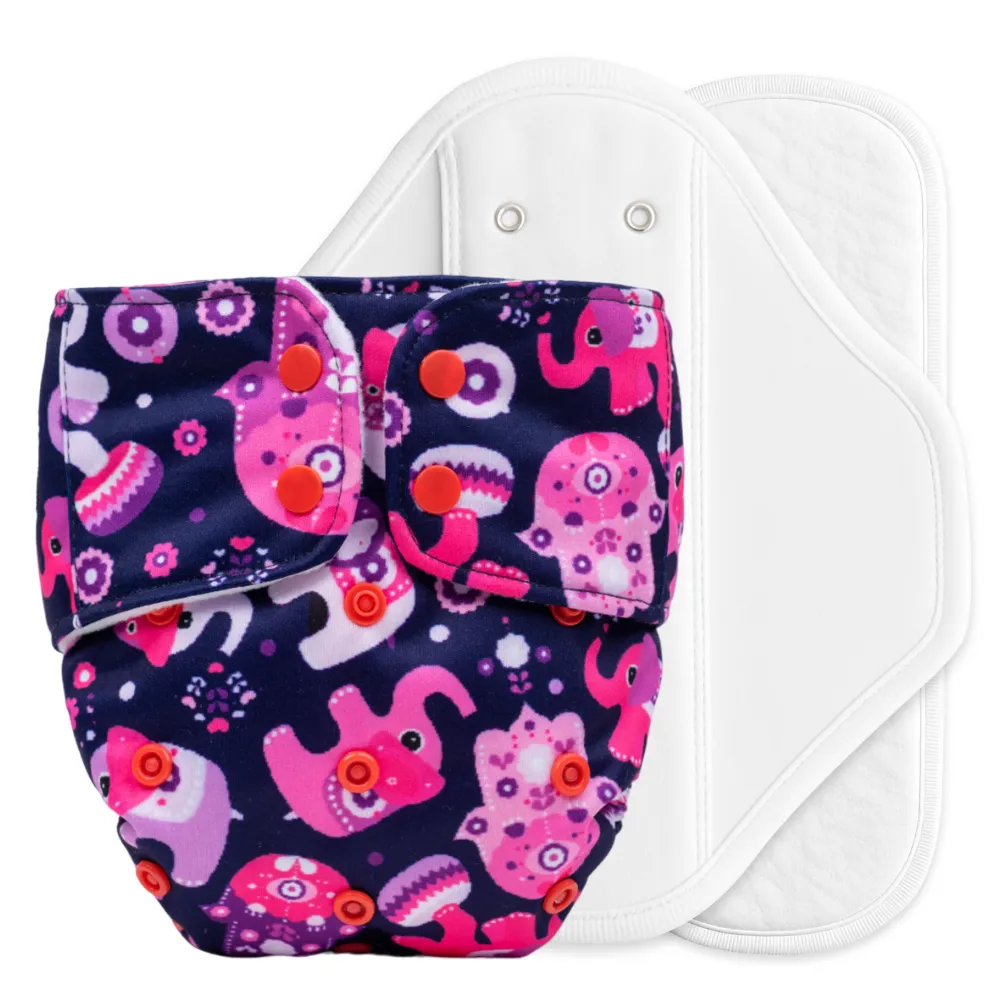

Loved by Eco-Conscious Mamas Choosing Gentle Diapering
Soft, breathable, reusable cloth diapers that keep your little one comfortable while being kind to the planet.
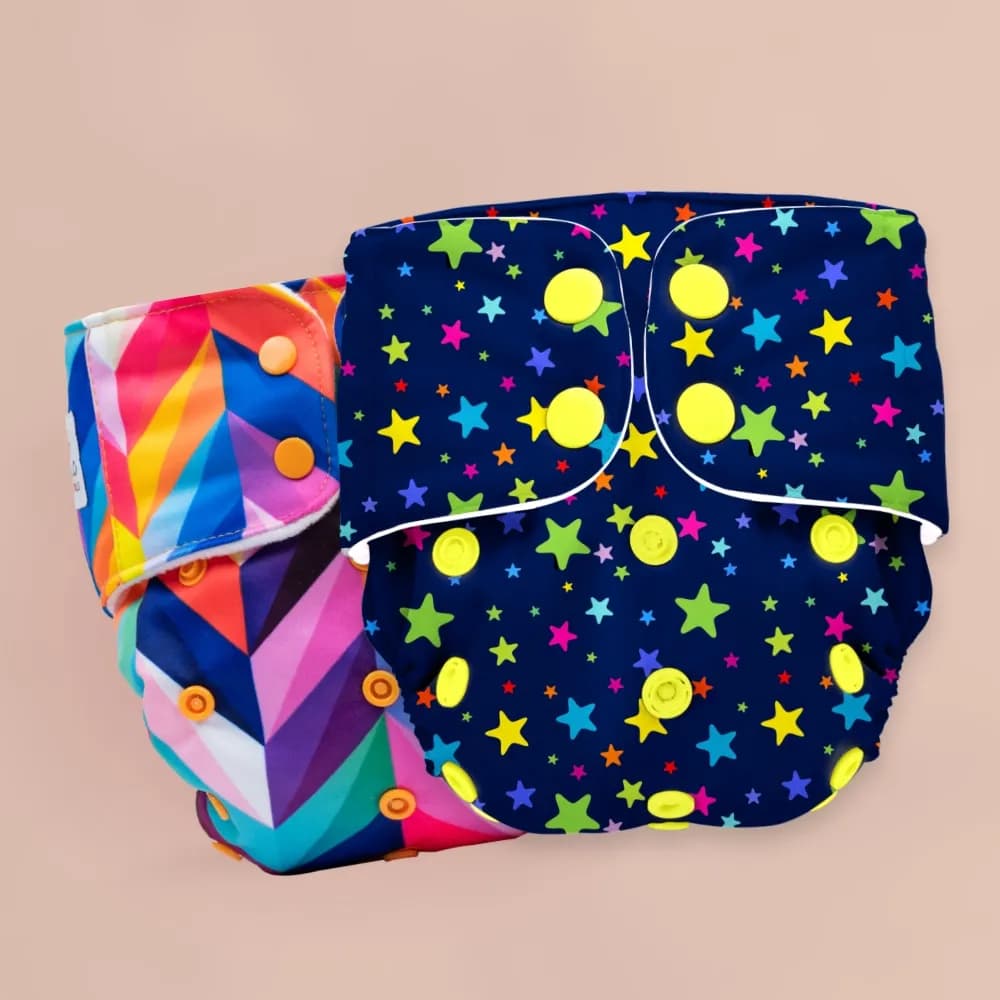
Adjustable & Reusable Cloth Diaper - Twinkle Twinkle & Rainbow - Pack of 2
Oeko-Tex Certified | Prevents Rashes


Adjustable & Reusable Cloth Diaper - Floral Spring & Rainbow - Pack of 2
Oeko-Tex Certified | Prevents Rashes



Adjustable & Reusable Cloth Diaper - Floral Spring & Heart Doodles - Pack of 2
Oeko-Tex Certified | Prevents Rashes

Adjustable & Reusable Cloth Diaper - Rainbow & ABC - Pack of 2
Oeko-Tex Certified | Prevents Rashes

Adjustable & Reusable Cloth Diaper - Rainbow & Pet Love- Pack of 2
Oeko-Tex Certified | Prevents Rashes

Adjustable & Reusable Cloth Diaper - Floral Spring & Pet Love - Pack of 2
Oeko-Tex Certified | Prevents Rashes


Adjustable & Reusable Cloth Diaper - Floral Spring & Purple Love - Pack of 2
Oeko-Tex Certified | Prevents Rashes


Article Posted Under
Related Articles

Medical Disclaimer
This content is for informational purposes only and should not replace professional medical advice. Consult with a physician or other health care professional if you have any concerns or questions about your health. If you rely on the information provided here, you do so solely at your own risk.


AWARDS AND RECOGNITION

Mylo wins Forbes D2C Disruptor award

Mylo wins The Economic Times Promising Brands 2022
AS SEEN IN












- Mylo Care: Effective and science-backed personal care and wellness solutions for a joyful you.
- Mylo Baby: Science-backed, gentle and effective personal care & hygiene range for your little one.
- Mylo Community: Trusted and empathetic community of 10mn+ parents and experts.


Product Categories
Baby Carrier | Baby Soap | Baby Wipes | Stretch Marks Cream | Baby Cream | Baby Shampoo | Baby Massage Oil | Baby Hair Oil | Stretch Marks Oil | Baby Body Wash | Baby Powder | Baby Lotion | Diaper Rash Cream | Newborn Diapers | Teether | Baby Kajal | Baby Diapers Pants | Cloth Diapers | Laundry Detergent | Lactation Granules |