


Orders
.png&w=48&q=75 "login")
Profile


Wallet

Is Tapioca (Sabudana) Safe to Eat During Pregnancy?
 2 Likes|
 8 min
8 minAI-Generated Summary
Quick overview in 30 seconds.webp&w=32&q=75)
- Tapioca (sabudana) is safe during pregnancy when cooked properly and eaten in moderation, offering quick energy from carbs, folate for fetal development, and gentle digestion that helps with morning sickness.
- Key benefits include preventing neural tube defects through folate, supporting bone health with calcium, preventing anemia with iron, and providing a gluten-free option for women with sensitivities.
- Always soak sabudana for 4-6 hours, limit intake to 1 cup per day, pair with peanuts or yoghurt to balance blood sugar, and monitor levels if you have gestational diabetes.
- Looking for nourishing pregnancy nutrition support? Explore our Pregnancy Wellness Super Saver Combo - Stretch Marks Cream for Women 100g + Long Grain Pure Saffron for Pregnant Women (Kesar) - 2g.
 4.7
4.7 4.6
4.6 4.4
4.4Sabudana khichdi, sago kheer, and crispy tapioca snacks are comfort foods in many Indian homes, so it is natural to wonder whether tapioca is safe once you are expecting. The short answer is yes, with a few sensible limits. This article explains what tapioca (sabudana) really is, its benefits and nutrition, when to be careful, and how much is safe to enjoy during pregnancy.
At a glance Tapioca, known as sabudana, is safe during pregnancy when it is cooked well and eaten in moderation. It is a good source of quick energy and is naturally gluten-free, but it is mostly starch and low in nutrients, with a high glycemic index. Keep portions modest, pair it with protein and vegetables, and limit it if you have gestational diabetes. |
What Is Tapioca (Sabudana)?
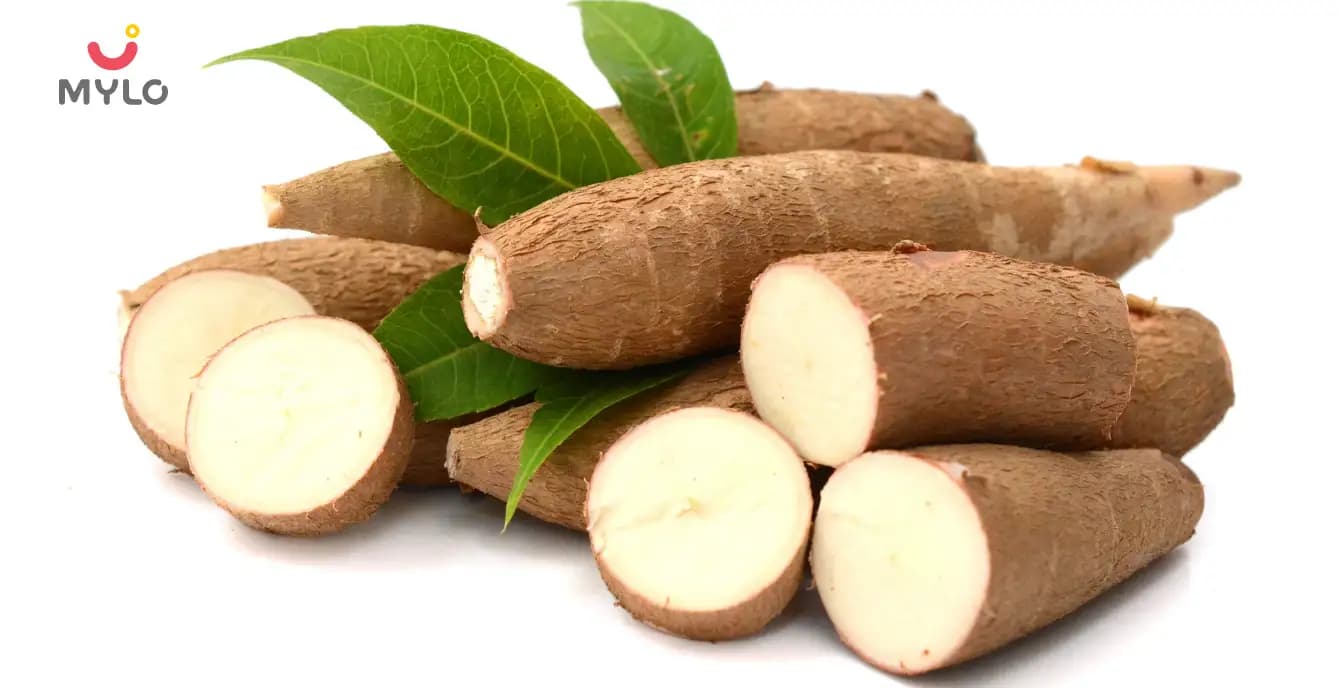
Tapioca is a starch extracted from the root of the cassava plant, a starchy tuber that grows underground much like a potato. When the extracted starch is shaped into small round balls, you get the pearls known in India as sabudana or sago. Whether it appears as pearls, flour, or flakes, tapioca is essentially pure carbohydrate: it is high in energy but contains very little protein, fibre, or micronutrients. It is prized in cooking because it is light, gluten-free, and easy to digest, which is why it features in fasting dishes, khichdi, and desserts.
Tapioca pearls (per 100 g, dry) | Approx. |
Energy | 358 kcal |
Carbohydrates | 88 g |
Protein | 0.2 g |
Fibre | 0.9 g |
Fat | 0.02 g |
Vitamins & minerals | trace only |
Why Do Pregnant Women Eat Tapioca?
During pregnancy, appetite and energy can swing from day to day, and tapioca fits several of those moments. It provides fast, easily digested energy when you feel tired or can only manage something bland, and its mild taste sits well when nausea makes stronger flavours unappealing. Because it is gluten-free, it suits women who avoid wheat, and it is a familiar fasting food for those who observe vrat. Many simply enjoy it as a comforting, versatile ingredient in both savoury and sweet dishes.
What Are the Benefits of Tapioca in Pregnancy?
Eaten sensibly, tapioca can offer a few real benefits during pregnancy:
Benefit | How it helps in pregnancy |
Quick energy | Its carbohydrates give a fast energy boost, which can help when pregnancy fatigue or a low appetite sets in. |
Gentle on the stomach | It is bland and easy to digest, so it can be easier to keep down during bouts of nausea. |
Naturally gluten-free | A safe grain-free choice if you have gluten sensitivity or celiac disease. |
Supports healthy weight gain | Its calorie density can help if you are underweight or finding it hard to gain enough. |
May aid digestion | Cooked-and-cooled tapioca contains some resistant starch that can act as a mild prebiotic. |
One important point to keep in mind: tapioca is mostly starch. It is high in carbohydrates and energy but very low in protein, fibre, vitamins, and minerals, so it is not a meaningful source of folate, iron, or calcium. Treat it as an energy food that should add to, not replace, nutrient-rich foods like dals, vegetables, dairy, and fruit.
What Are the Side Effects and Precautions?
Tapioca is safe for most pregnant women, but a few things are worth watching. Because it has a high glycemic index, it can raise blood sugar quickly, so women with gestational diabetes should limit it and always pair it with protein and vegetables. As it is calorie-dense but low in nutrients, large portions can add extra weight without much nourishment, so about one cup (cooked) a day is a sensible limit. Tapioca comes from cassava, which is toxic when raw, so always soak and cook it thoroughly and never eat it uncooked. Some people also notice bloating or gas after a large helping.
Evidence-based note A quick reality check: tapioca and sabudana are energy foods, not superfoods. They provide carbohydrates and little else, so they are best enjoyed as an occasional, well-cooked dish alongside protein and vegetables, rather than as a daily staple or a source of key pregnancy nutrients like folate, iron, or calcium. |
Frequently Asked Questions About Tapioca in Pregnancy
Is tapioca the same as sabudana?
Yes. Sabudana is the common Indian name for tapioca pearls, which are made from the starch of the cassava root. Whether it is called tapioca, sabudana, or sago, it is essentially the same starchy food used in dishes like khichdi and kheer.
How much tapioca can I eat per day in pregnancy?
About one cup of cooked tapioca a day is a reasonable limit for most women. Because it is high in starch and calories but low in nutrients, keeping portions modest helps you avoid blood sugar spikes and unnecessary weight gain.
Can tapioca cause gestational diabetes?
Tapioca does not directly cause gestational diabetes, but its high glycemic index can raise blood sugar quickly. If you already have gestational diabetes, limit tapioca, pair it with protein and vegetables, and follow your doctor's dietary advice.
Can I eat tapioca chips or fried sabudana in pregnancy?
In small amounts, occasionally, yes. However, tapioca chips and heavily fried sabudana are high in fat, salt, and calories, so they are best kept as an occasional treat rather than a regular snack during pregnancy.
The Bottom Line
Tapioca, or sabudana, is safe to enjoy during pregnancy when it is cooked properly and eaten in moderation. It is a handy source of quick energy and a useful gluten-free option, but it is low in nutrients and high on the glycemic index, so keep portions modest and pair it with nourishing foods. If you have gestational diabetes or any other concerns, check with your doctor.
Sources and Related Reading
Authoritative sources
● WebMD. Tapioca: Health Benefits, Nutrition, and Uses.
● U.S. Department of Agriculture (USDA), FoodData Central. Tapioca, pearl, dry, nutrient profile.
● Food and Agriculture Organization (FAO) / WHO. Cassava processing and cyanogenic compounds: safe preparation guidance.
● Glycemic Index research on tapioca and cassava starch (high glycemic index, approximately 70 or above).
Related reading on Mylo
● Gestational Diabetes Mellitus in Pregnancy
● Sweet Potato During Pregnancy: Benefits, Risks & Side Effects
● Arbi in Pregnancy: Is It Safe or Not?
● Top 10 Foods Every Pregnant Woman Should Avoid
Disclaimer: This article is for general information only and is not a substitute for professional medical advice. Always consult your doctor or a registered dietitian about your diet during pregnancy.

Trusted by Mamas Nourishing Their Pregnancy Journey
Pair sabudana meals with gentle prenatal essentials that support your energy, digestion, and your baby's healthy development daily.
Pregnancy Massage Oil + Coconut Oil - 200 ml each



MamaGro™ Protein Diskettes - 250gm - Vanilla
Supports Healthy Placenta | Supports Fetal Development


Organic Aloe Vera (300 ml)
Nurtures Skin & Hair | Reduces Suntan | Soothes Burns | Enhances Hair Resilience


Article Posted Under
Related Articles
Related Topics
.webp&w=32&q=75)
Medical Disclaimer
This content is for informational purposes only and should not replace professional medical advice. Consult with a physician or other health care professional if you have any concerns or questions about your health. If you rely on the information provided here, you do so solely at your own risk.


AWARDS AND RECOGNITION

Mylo wins Forbes D2C Disruptor award

Mylo wins The Economic Times Promising Brands 2022
AS SEEN IN












- Mylo Care: Effective and science-backed personal care and wellness solutions for a joyful you.
- Mylo Baby: Science-backed, gentle and effective personal care & hygiene range for your little one.
- Mylo Community: Trusted and empathetic community of 10mn+ parents and experts.


Product Categories
Baby Carrier | Baby Soap | Baby Wipes | Stretch Marks Cream | Baby Cream | Baby Shampoo | Baby Massage Oil | Baby Hair Oil | Stretch Marks Oil | Baby Body Wash | Baby Powder | Baby Lotion | Diaper Rash Cream | Newborn Diapers | Teether | Baby Kajal | Baby Diapers Pants | Cloth Diapers | Laundry Detergent | Lactation Granules |