


Orders
.png&w=48&q=75 "login")
Profile


Wallet

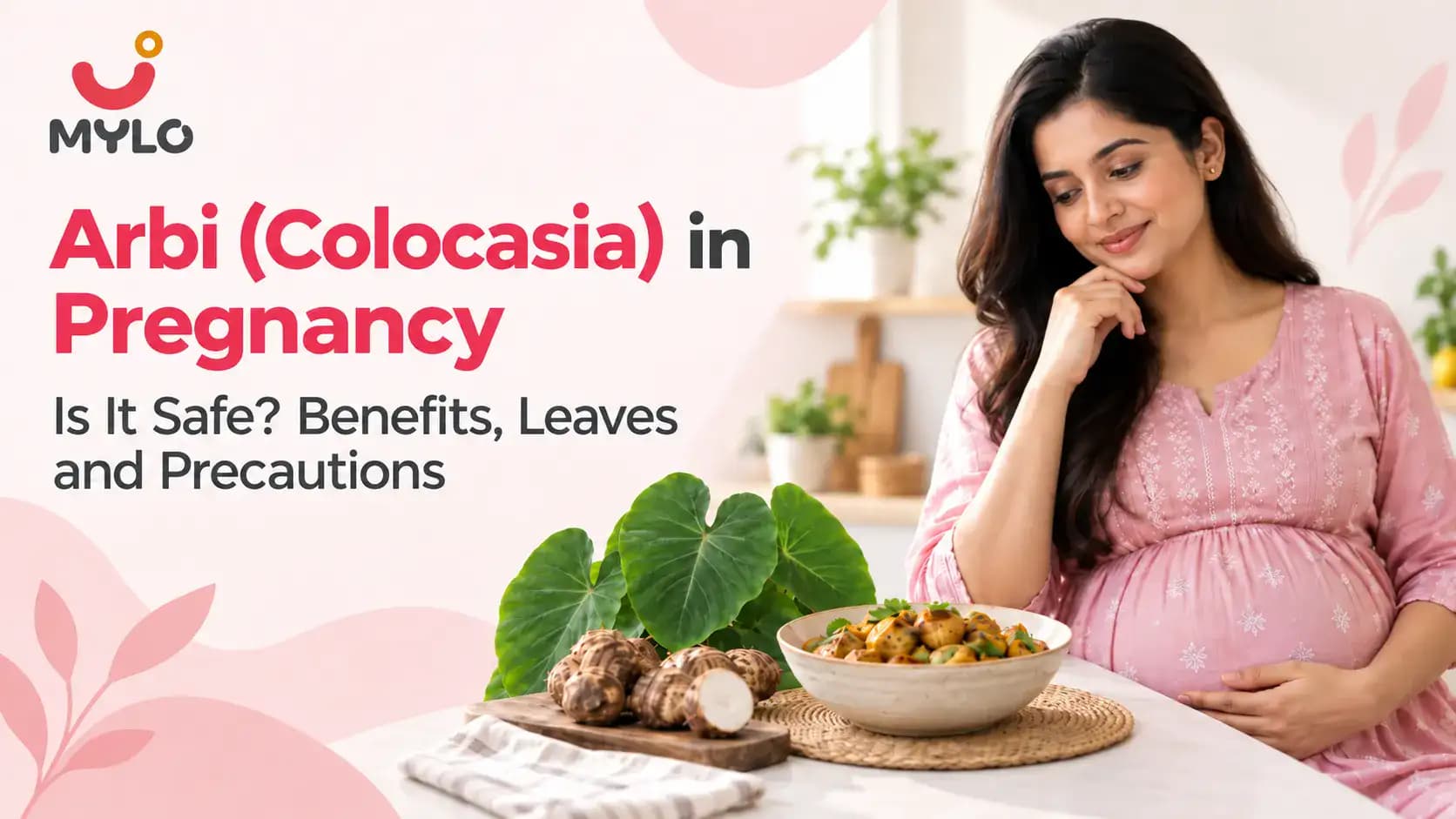
Arbi (Colocasia) in Pregnancy: Is It Safe? Benefits, Leaves and Precautions
 3 Likes|
 16 min
AI-Generated Summary
Quick overview in 30 seconds.webp&w=32&q=75)
- Arbi, also known as taro root or colocasia, is a starchy vegetable rich in carbohydrates, fiber, vitamin C, vitamin E, potassium, iron, and calcium, making it a nutritious choice during pregnancy.
- Eating Arbi during pregnancy boosts energy levels, promotes healthy digestion, supports fetal brain and spinal cord development through folate, strengthens immunity, and helps regulate blood pressure to reduce preeclampsia risk.
- Always peel and cook Arbi thoroughly to avoid calcium oxalate crystals that can cause irritation; women with allergies, kidney issues, or diabetes should consult a doctor first.
- Looking for nutrition support during pregnancy? Explore our Pregnancy Wellness Super Saver Combo - Stretch Marks Cream for Women 100g + Long Grain Pure Saffron for Pregnant Women (Kesar) - 2g.
 4.7
4.7 4.6
4.6Quick Answer
Yes, arbi (colocasia or taro) is safe to eat during pregnancy when it is peeled and cooked thoroughly. Both the root and the leaves are nutritious, offering fibre, potassium, folate and other nutrients. The one firm rule is proper cooking, because raw or undercooked arbi contains calcium oxalate that causes mouth and throat itching. Eat it well cooked and in sensible portions, and arbi is a wholesome part of an Indian pregnancy diet.
Key Takeaways
Arbi is safe in pregnancy when cooked properly. The root and the leaves are both fine once thoroughly cooked.
Always peel and cook it well. Raw or undercooked arbi contains calcium oxalate crystals that irritate the mouth and throat, causing itching.
Arbi leaves (patra, alu vadi, arbi ke patte) are nutritious and safe when fully cooked, and the tamarind or lemon in traditional recipes helps neutralise the oxalates.
It is a starchy vegetable, so if you have gestational diabetes, eat it in measured portions and prefer boiled or steamed over deep-fried.
In moderation, arbi supports digestion, energy and overall nutrition, but it is a food, not a cure for any condition.
Is It Safe to Eat Arbi During Pregnancy?
Yes. Arbi, known across India as arvi, taro root, colocasia, kachalu, kochu, chamagadda and sepankizhangu, is safe to eat in pregnancy as long as it is peeled and cooked thoroughly. It has been part of Indian cooking for generations, and there is no reason a healthy pregnant woman needs to avoid it.
The only real condition is proper preparation. Arbi naturally contains calcium oxalate, which can irritate the mouth and throat if the vegetable is raw or undercooked. Cooking breaks these crystals down, which is why well-cooked arbi is safe and comfortable to eat, while undercooked arbi can cause itching. We explain this fully in the precautions section.
What Is the Nutritional Value of Arbi?
Arbi is a starchy root vegetable, and it brings a useful mix of nutrients to the table.
Nutrient (arbi root, cooked, per 100 g, approx) | What it offers |
|---|---|
Carbohydrate and resistant starch | Energy, and a fibre-like effect that supports digestion |
Dietary fibre | Helps with pregnancy constipation |
Potassium | Supports normal fluid balance and blood pressure |
Vitamin C | Supports immune function and iron absorption |
Vitamin E and B6 | General nutritional support |
Iron and calcium | Small contributions to daily intake |
(Approximate values, which vary with variety and cooking. Editorial note: confirm exact figures against IFCT 2017 or USDA before publishing.)
The arbi leaves are nutritious in their own right, providing folate, vitamin A, vitamin C, iron and fibre when cooked. We cover the leaves separately below, because they need their own safety guidance.
The honest summary: arbi is a wholesome, energy-giving vegetable with fibre and potassium. It is not a superfood or a treatment for anything, but it is a genuinely nutritious part of a varied diet.
What Are the Benefits of Arbi in Pregnancy?
Eaten well cooked and in moderation, arbi offers several real benefits.
1. Fibre helps with pregnancy constipation
Arbi provides fibre and resistant starch, which support digestion and help relieve the constipation that is so common in pregnancy. Pair it with plenty of water. See Mylo's guide to constipation in early pregnancy.
2. It is a satisfying source of energy
As a starchy vegetable, arbi gives steady energy, which can be welcome during the tiring stretches of pregnancy. The resistant starch also releases more gradually than refined carbohydrates.
3. Potassium supports fluid balance and blood pressure
The potassium in arbi helps maintain normal fluid balance and supports healthy blood pressure. This is a general nutritional benefit and not a treatment for high blood pressure, which needs medical care. Read more on pre-eclampsia.
4. Vitamin C supports immunity and iron absorption
Arbi provides vitamin C, which supports normal immune function and helps your body absorb iron from other foods, useful given how common anaemia is in pregnancy. See anaemia during pregnancy.
5. Cooked arbi leaves add folate and iron
When properly cooked, arbi leaves contribute folate, which supports your baby's brain and spinal development, along with iron and vitamin A. This makes well-cooked leaf dishes a nutritious addition, covered in the next section.
6. It supports your baby's overall development
As part of a balanced diet, the nutrients in arbi support the growth and development of your baby, alongside your prescribed supplements and the rest of your food.
Arbi (Colocasia) Leaves in Pregnancy: Patra, Alu Vadi and Arbi ke Patte
Arbi is eaten in two forms, the root and the leaves, and the leaves deserve their own attention. Across India, arbi leaves become beloved dishes: patra and alu vadi in Gujarat and Maharashtra, kochu shaak or kochu pata in Bengal, arbi ke patte ki sabji or badi in North India, and chama aku preparations in Andhra and Telangana.
Are arbi leaves safe in pregnancy? Yes, but only when cooked thoroughly. This is the most important rule.
Arbi leaves, especially young ones, are naturally high in calcium oxalate, which forms tiny needle-like crystals. Eaten raw or undercooked, these cause itching and tingling of the mouth, throat and tongue, and sometimes swelling or difficulty swallowing (taro leaf oxalate research, PubMed Central). Thorough cooking breaks these crystals down and makes the leaves safe.
How to make arbi leaves safe:
Cook them thoroughly. Steaming, boiling or slow simmering until the leaves are very tender removes most of the oxalates and the prickly sensation (cooking and oxalate study, PubMed Central).
Use the traditional acidic ingredients. Tamarind, lemon or kokum, which patra and alu vadi already include, help neutralise the oxalates. The traditional method carries real wisdom.
Never eat arbi leaves raw or lightly cooked, and do not eat a dish that still feels prickly or itchy in the mouth, as that means it is undercooked.
Are cooked arbi leaves good for pregnancy? Yes. Properly cooked taro leaves are genuinely nutritious, providing folate, which is important for your baby's brain and spine, along with vitamin A, vitamin C, iron and fibre. A serving of cooked taro leaves supplies a meaningful share of daily folate (MedicineNet). Well-cooked arbi leaf dishes are a safe, nutritious part of an Indian pregnancy diet.
A note on fried alu vadi and patra: the leaves themselves are fine once cooked. Just remember that deep-fried alu vadi and heavily oiled preparations add a lot of oil, so enjoy those in moderation.
What Are the Risks and Precautions With Arbi in Pregnancy?
Arbi is safe when handled correctly. The precautions all come down to preparation and quantity.
Precaution | Why | What to do |
|---|---|---|
Cook it thoroughly | Raw or undercooked arbi has calcium oxalate that irritates the mouth and throat | Peel the root, cook until soft. Cook leaves until fully tender |
Never eat it raw | Raw arbi and its leaves cause itching, tingling and, rarely, swelling | Always cook it well before eating |
Watch the quantity | It is starchy and filling | Eat sensible portions, especially if watching weight or blood sugar |
Go easy on deep-fried versions | Alu vadi and fried arbi add a lot of oil | Prefer boiled, steamed or lightly sautéed |
Be careful with allergies | Rarely, some people react to colocasia | Stop and seek help if you get itching, swelling or breathing difficulty |
Mind gas and bloating | Arbi can be gas-forming for some | Cook with ajwain or ginger, and reduce the amount if it bothers you |
If arbi ever makes your mouth or throat itch, that is a sign it was undercooked. Do not eat it, and cook it longer next time.
Arbi and Gestational Diabetes
Arbi is a starchy vegetable, so portion matters if you have gestational diabetes. Like potato, arbi is higher in carbohydrate than leafy or watery vegetables, and it can raise blood sugar, especially when deep-fried or eaten in large amounts.
If you have gestational diabetes:
Eat arbi in small, measured portions and count it as a carbohydrate in your meal, much as you would potato.
Prefer it boiled, steamed or lightly sautéed rather than deep-fried.
Pair it with protein, dal or vegetables to slow the blood-sugar rise.
Follow your dietitian's plan. See Mylo's gestational diabetes guide.
Arbi is not off-limits with gestational diabetes, but it is a starch to portion, not a free vegetable.
Is Arbi Safe in the First, Second and Third Trimester?
Yes, in all three, when cooked well and eaten in moderation.
Trimester | Is arbi safe? | What to know |
|---|---|---|
First (weeks 1 to 13) | Yes | Well-cooked arbi is fine. If you have nausea or bloating, keep portions small and add ginger or ajwain. See the first trimester guide |
Second (weeks 14 to 27) | Yes | A good source of energy and fibre. Cooked arbi leaves add folate and iron |
Third (weeks 28 to 40) | Yes | Helpful for constipation. If you have gestational diabetes, mind the portion and avoid deep-fried versions |
There is no trimester in which properly cooked arbi becomes unsafe, and none in which raw or undercooked arbi becomes safe.
What Is Arbi Called Across India?
Arbi goes by many names, which is why searches for it come in several languages. They all refer to the same plant, Colocasia esculenta, and the same rule applies to every one: cook it well.
Name | Language or region |
|---|---|
Arbi | Hindi (root) |
Arvi | Punjabi, Hindi |
Taro root or Colocasia | English |
Kachalu or Kachu | North India and parts of the east |
Kochu | Bengali |
Chamagadda or Chama dumpa | Telugu |
Sepankizhangu | Tamil |
Alu, and aluchi paane for the leaves | Marathi |
Patra or Alu vadi | Gujarati and Marathi leaf dish |
How Should I Include Arbi in My Pregnancy Diet?
Simple, well-cooked preparations are best.
For the root:
Arbi ki sabji: peeled, boiled or steamed, then lightly sautéed with spices. Add ajwain or ginger to reduce gas.
Boiled or steamed arbi tossed with lemon and mild spices.
Roasted arbi as a lighter alternative to fried.
Avoid heavily deep-fried arbi, which adds a lot of oil.
For the leaves:
Patra, alu vadi, kochu shaak or arbi ke patte ki sabji, cooked thoroughly with the traditional tamarind or lemon.
Make sure the leaves are fully tender and there is no prickly sensation before eating.
General tips:
Always peel the root and cook everything thoroughly.
Wash the vegetable well before cooking.
Buy firm, fresh arbi, and discard any that is soft or spoiled.
For the bigger picture on eating well in pregnancy, see the healthy pregnancy diet plan.
Arbi in Pregnancy: Frequently Asked Questions
"Can I eat arbi in pregnancy?"
Yes, when it is peeled and cooked thoroughly. Both the root and the leaves are safe and nutritious once properly cooked. The only thing to avoid is raw or undercooked arbi, which can cause mouth and throat itching.
"Is arbi safe in the first trimester?"
Yes. Well-cooked arbi is safe throughout pregnancy, including the first trimester. If you have nausea or feel bloated, keep the portion small and cook it with ginger or ajwain.
"Can I eat arbi ke patte (colocasia leaves) in pregnancy?"
Yes, when they are cooked thoroughly. Arbi leaves contain calcium oxalate that causes mouth and throat itching if eaten raw or undercooked, so they must be well cooked, and the tamarind or lemon in traditional recipes like patra and alu vadi helps. Properly cooked, they are safe and provide folate and iron.
"Is alu vadi or patra safe during pregnancy?"
Yes, the arbi leaves in these dishes are safe once thoroughly cooked. Just have the deep-fried versions in moderation because of the oil, and make sure the leaves are cooked enough that there is no prickly or itchy sensation.
"Why does arbi sometimes make my mouth or throat itch?"
That itching comes from calcium oxalate crystals in arbi, more so in the leaves and if it is undercooked. Peeling the root and cooking arbi thoroughly, with a little tamarind or lemon for the leaves, prevents it. If a dish still causes itching, it is undercooked, so do not eat it.
"Can I eat arbi ki sabji if I have gestational diabetes?"
In small, measured portions, yes, but arbi is starchy like potato, so count it as a carbohydrate, prefer it boiled or steamed over fried, and pair it with protein and vegetables. Check with your dietitian.
"Is kochu, chamagadda or taro root the same as arbi, and is it safe in pregnancy?"
Yes, these are all regional names for the same vegetable, colocasia or taro. It is safe in pregnancy when peeled and cooked thoroughly.
"Does arbi cause gas during pregnancy?"
It can be gas-forming for some people. Cooking it with ajwain or ginger helps, and reducing the portion usually settles it. If it consistently causes discomfort, have it less often.
When To Speak To Your Doctor
Check with your doctor or dietitian if you:
Have gestational diabetes and want to know how arbi fits your meal plan
Get persistent bloating, gas or discomfort after eating arbi
Have a known allergy to colocasia or root vegetables
Stop and seek help if you get itching, swelling of the lips or face, or difficulty breathing after eating arbi, which could indicate an allergy, or if raw or undercooked arbi has caused significant mouth or throat irritation.
This article is for information only and does not replace advice from your doctor or a registered dietitian who knows your health and reports.
Bottom Line
Arbi, whether the root or the leaves, is a safe and nutritious vegetable in pregnancy, with one clear condition: it must be peeled and cooked thoroughly. Cooking removes the calcium oxalate that otherwise causes mouth and throat itching, which is why well-cooked arbi is comfortable and healthy while raw or undercooked arbi is not. Enjoy it in sensible portions, favour boiled, steamed or lightly cooked preparations over deep-fried ones, and mind the quantity if you have gestational diabetes. Handled this way, arbi ki sabji and dishes like patra and alu vadi are a wholesome, traditional part of an Indian pregnancy plate.
References
All links verified live on 17 September 2026.
Oxalate content of taro leaves — PubMed Central. Source for the calcium oxalate content of taro (colocasia) leaves and the mouth and throat irritation from raw or undercooked leaves.
Impact of cooking on calcium oxalate crystals in taro — PubMed Central. Source for cooking reducing oxalate crystals and making taro safe to eat.
Benefits of taro leaves and side effects — MedicineNet. Source for the folate and nutrient content of cooked taro leaves.
Have a healthy diet in pregnancy — NHS, UK. General guidance on a balanced pregnancy diet.
Mylo internal guides: constipation in early pregnancy, anaemia in pregnancy, and gestational diabetes.

Trusted Nutrition Picks for Expecting Mamas
Pair wholesome foods like Arbi with gentle prenatal essentials to nourish you and your growing baby every day.




Article Posted Under
Related Articles
Fenugreek (Methi) During Pregnancy: Is It Safe? Benefits, Risks and Safe Amount (2026)
 5·11 min
 Pickles During Pregnancy: Benefits & Risks
 5 min
5 min Sweet Potato (Shakarkandi) in Pregnancy: Is It Safe? Benefits & Recipes
 26·9 min
 Apricot (Jardalu) in Pregnancy: Benefits, Fresh vs Dried, and Safety
 20·14 min
Related Topics
.webp&w=32&q=75)
Medical Disclaimer
This content is for informational purposes only and should not replace professional medical advice. Consult with a physician or other health care professional if you have any concerns or questions about your health. If you rely on the information provided here, you do so solely at your own risk.


AWARDS AND RECOGNITION

Mylo wins Forbes D2C Disruptor award

Mylo wins The Economic Times Promising Brands 2022
AS SEEN IN












- Mylo Care: Effective and science-backed personal care and wellness solutions for a joyful you.
- Mylo Baby: Science-backed, gentle and effective personal care & hygiene range for your little one.
- Mylo Community: Trusted and empathetic community of 10mn+ parents and experts.


Product Categories
Baby Carrier | Baby Soap | Baby Wipes | Stretch Marks Cream | Baby Cream | Baby Shampoo | Baby Massage Oil | Baby Hair Oil | Stretch Marks Oil | Baby Body Wash | Baby Powder | Baby Lotion | Diaper Rash Cream | Newborn Diapers | Teether | Baby Kajal | Baby Diapers Pants | Cloth Diapers | Laundry Detergent | Lactation Granules |