


Orders
.png&w=48&q=75 "login")
Profile


Wallet

What you need to know about the pregnancy diet during 17-20 weeks
 70 Likes|
 5 min
5 min

BSC, MSC (Home Science, Food & Nutrition) · 5 years experience
Key Takeaways
Quick overview in 30 seconds.webp&w=32&q=75)
Summary
- During weeks 17-20, your baby is growing rapidly and developing fat stores, so focus on a balanced diet rich in protein, iron, calcium, and healthy fats.
- Aim for 70g protein daily, 1,000mg calcium, plus iron-rich foods like leafy greens, lean meat, lentils, and fortified cereals to support baby's growth.
- Include omega-3 fatty acids from fish, flax seeds, and walnuts for brain development, while limiting caffeine, avoiding alcohol, and unpasteurized foods.
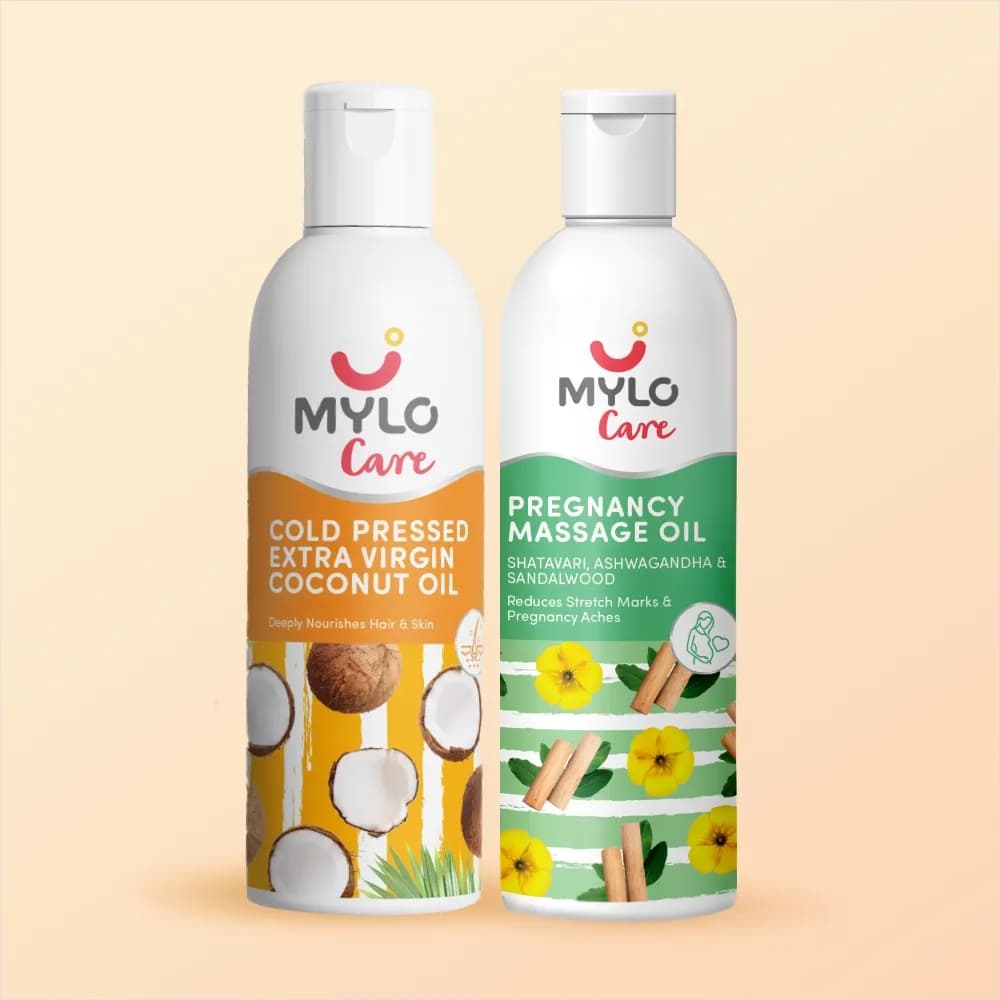
- Looking for prenatal nutrition support during your second trimester? Explore our Pregnancy Massage Oil + Coconut Oil - 200 ml each.
 4.7
4.7 4.5
4.5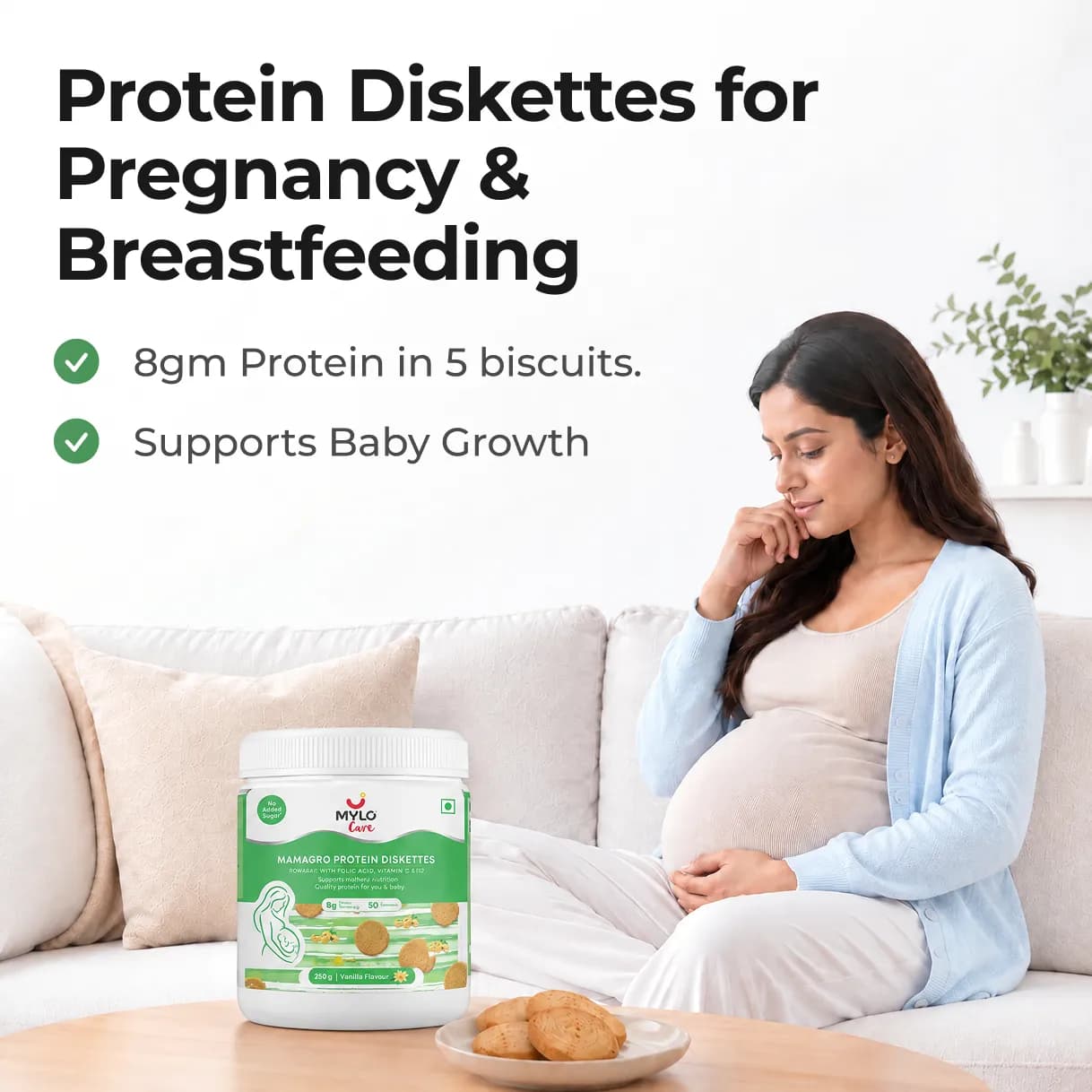 4.6
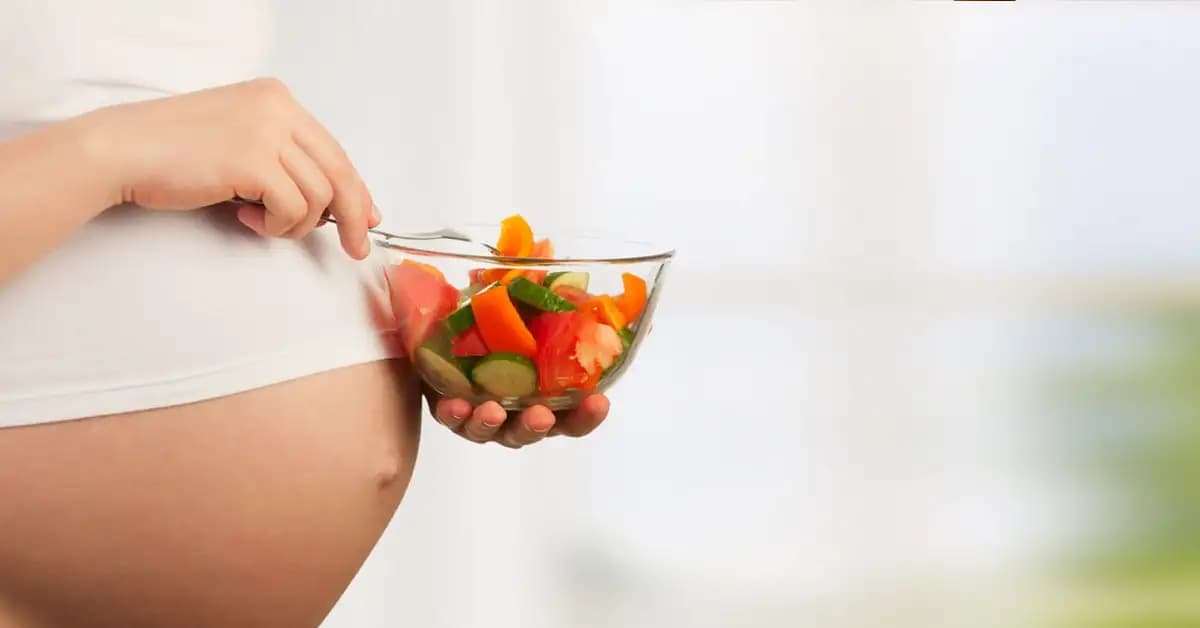
4.6During the 17-20 week stage, your baby is growing rapidly and starting to develop fat stores. It's important to continue to eat a healthy and balanced diet to support your baby's growth and development. During 17 to 20 weeks, your goal should be to eat a well-balanced diet that covers all your nutrition needs. If a woman eats poorly during her pregnancy, she will become malnourished and underweight by conception. A poor diet will affect her during the entire pregnancy, and the lack of nutrition will also have long-term negative effects on the development of the fetus and cause complications for the baby.
You should maximize prenatal nutrition to prevent such issues. Focus on food groups like fruits and vegetables, lean protein, dairy products, and whole-grain carbs.
Foods to eat
Here are some things you need to know about the pregnancy diet during this stage:
-
Protein: Protein is important for developing your baby's muscles, bones, and organs. You should aim to eat at least 70 grams of protein per day. Good protein sources include lean meat, poultry, fish, beans, lentils, nuts, and seeds.
-
Iron: Iron is essential for forming red blood cells and transporting oxygen throughout your body. During pregnancy, your body needs more iron than usual to support your baby's growth. Good sources of iron include red meat, poultry, fish, beans, lentils, fortified cereals, and leafy green vegetables.
-
Calcium: Calcium is important for developing your baby's bones and teeth. You should aim to get at least 1,000 milligrams of calcium per day. Good sources of calcium include dairy products, leafy green vegetables, fortified cereals, and calcium-fortified orange juice. Fruits and vegetables are important sources of vitamins, minerals, and fiber. Aim to eat a variety of fruits and vegetables every day to ensure you get all the nutrients you need. Fruits and vegetables should be a staple during this time; aim for color, as colorful foods are rich in different micronutrients and minerals, which are important for your body. Beets, Kale, Apples, Spinach, and Blueberries are some fruits and vegetables you should focus on. For example, take spinach, an excellent source of iron and insoluble fiber, which are important for pregnant women.
-
Healthy fats: Healthy fats are important for your baby's brain development. Good sources of healthy fats include nuts, seeds, avocados, olive oil, and fatty fish such as salmon.
-
Hydration: It's important to stay hydrated during pregnancy. Aim to drink at least 8-10 glasses of water per day. You can also drink fluids such as milk, juice, or herbal tea.
-
Whole grains: Whole grains are an excellent source of fiber, and when you buy whole grain products enriched with folic acid and iron, it's considered a better choice when compared to sugary cereals and white bread. Switch the sugary cereal breakfast for oatmeal and white bread for multi-grain bread.
-
Dairy: Dairy products like Paneer, milk, and cheese are good sources of protein, calcium, potassium, and vitamin D all of which are important for your nutrition. Greek yogurt is an excellent dairy product with more calcium than other dairy products. The probiotic version of Greek yogurt also supports your digestive health.
-
Omega-3 fatty acids: Omega-3 fatty acids are critical for the baby's eye and brain development. The body cannot make Omega 3 fatty acids alone, so it must get them from foods. Good food sources for Omega-3 fatty acids are fish (Salmon, Tuna, Sardines), flax seeds, chia seeds, and walnuts. While a good source of many nutrients should be consumed in limited quantities, 200-300 grams a week of cooked fish is recommended for pregnant women.
Foods to limit/avoid
-
Caffeine: Pregnant women are advised to keep their caffeine consumption under 200mg daily.
-
Alcohol: You should avoid alcohol during your pregnancy. Alcohol in your blood can directly pass to your baby through the umbilical cord and cause all sorts of mental and physical problems to the baby.
-
Unpasteurized food (like raw eggs, raw meat, raw milk, etc.): Pregnant women are at an increased risk of getting sick from bacteria in such food. Food poisoning can cause miscarriage, illness, or sudden newborn death.
It's also important to avoid certain foods during pregnancy, such as raw or undercooked meat, fish with high levels of mercury, unpasteurized dairy products, and processed foods high in sugar and saturated fats. If you have concerns about your pregnancy diet, consult your healthcare provider or a registered dietitian.
Trusted by mamas nourishing their growing babies
Give your second trimester the gentle nutritional support it deserves with thoughtfully chosen prenatal essentials made for you.
Pregnancy Massage Oil + Coconut Oil - 200 ml each



Compression Stocking Socks - S
Compression Stockings for Varicose Veins | Reduces Swelling | Boosts Blood Circulation


MamaGro™ Protein Diskettes - 250gm - Vanilla
Supports Healthy Placenta | Supports Fetal Development



Article Posted Under
Related Articles



Related Topics
.webp&w=32&q=75)
Medical Disclaimer
This content is for informational purposes only and should not replace professional medical advice. Consult with a physician or other health care professional if you have any concerns or questions about your health. If you rely on the information provided here, you do so solely at your own risk.


AWARDS AND RECOGNITION

Mylo wins Forbes D2C Disruptor award

Mylo wins The Economic Times Promising Brands 2022
AS SEEN IN












- Mylo Care: Effective and science-backed personal care and wellness solutions for a joyful you.
- Mylo Baby: Science-backed, gentle and effective personal care & hygiene range for your little one.
- Mylo Community: Trusted and empathetic community of 10mn+ parents and experts.


Product Categories
Baby Carrier | Baby Soap | Baby Wipes | Stretch Marks Cream | Baby Cream | Baby Shampoo | Baby Massage Oil | Baby Hair Oil | Stretch Marks Oil | Baby Body Wash | Baby Powder | Baby Lotion | Diaper Rash Cream | Newborn Diapers | Teether | Baby Kajal | Baby Diapers Pants | Cloth Diapers | Laundry Detergent | Lactation Granules |