


Orders
.png&w=48&q=75 "login")
Profile


Wallet

Groin Pain During Pregnancy: Causes, Relief & When to Worry
 87 Likes|
 9 min
9 minKey Takeaways
Quick overview in 30 seconds.webp&w=32&q=75)
Summary
- Groin pain during pregnancy, often called lightning crotch, affects up to 1 in 3 women, especially in the third trimester, as ligaments and pubic bones stretch to accommodate the growing baby.
- Common causes include round ligament stretching, pubic symphysis dysfunction, symphysis pubis diastasis, and osteitis pubis, leading to dull, achy or sharp stabbing pain in the pelvic area.
- Relief options include rest, supportive maternity wear, pregnancy belts, heating pads or ice packs, gentle massage, acupuncture, chiropractic care, and physical therapy to strengthen surrounding muscles.
- Struggling with pelvic pain this trimester? Explore our Ayurvedic Pain Relief Massage Oil - 200 ml designed to soothe sore muscles and ease pregnancy aches naturally.
 4.6
4.6TL;DR
Groin pain in pregnancy, sometimes called "lightning crotch," is very common and affects up to 1 in 3 women, especially in the third trimester (NHS). It usually comes from the round ligaments stretching as your baby grows, or from the pelvic joints loosening and shifting (pelvic girdle pain / SPD). It is generally harmless and eases after delivery. You can relieve it with rest, a support belt, gentle movement, warm or cold packs, and physiotherapy, and only paracetamol if you need pain relief, not ibuprofen or other NSAIDs unless your doctor specifically advises. Call your doctor if the pain is severe or worsening, and go to the ER if groin pain comes with vaginal bleeding or regular painful contractions before 37 weeks.
Quick Answer
Groin pain during pregnancy is the aching, sharp or shooting pain felt between the lower tummy and thigh, common in the second and third trimesters. It is usually caused by stretching round ligaments or loosening pelvic joints as your body makes room for the baby, and is generally not dangerous. Relief comes from rest, a maternity support belt, gentle exercise, warm or cold packs, physiotherapy, and paracetamol if needed (avoid ibuprofen unless your doctor says otherwise). Seek urgent care if the pain is severe, or comes with bleeding or contractions before 37 weeks.
Author: Mylo Editorial Team, Mylo Parenting Desk Medically reviewed by: Mylo Editorial Board, aligned with NHS and FOGSI guidance Last updated: 8 July 2026
Medical Disclaimer: This article is for informational purposes only and is not a substitute for professional medical advice. Do not take any pain medication in pregnancy without checking with your doctor, avoid ibuprofen and other NSAIDs unless specifically advised. Seek urgent care for severe pain, bleeding, fever, or contractions before 37 weeks.
Key Takeaways
- Groin pain affects up to 1 in 3 pregnant women, especially in the third trimester (NHS)
- It is usually caused by stretching round ligaments or loosening pelvic joints (pelvic girdle pain / SPD)
- It is generally harmless and eases soon after delivery
- Relief: rest, support belt, gentle movement, warm or cold packs, physiotherapy
- For pain relief, use only paracetamol if needed, NOT ibuprofen or other NSAIDs unless your doctor advises
- Support your bump with your hands when you cough or sneeze
- Seek urgent care for severe pain, bleeding, or contractions before 37 weeks
What Is Groin Pain During Pregnancy?
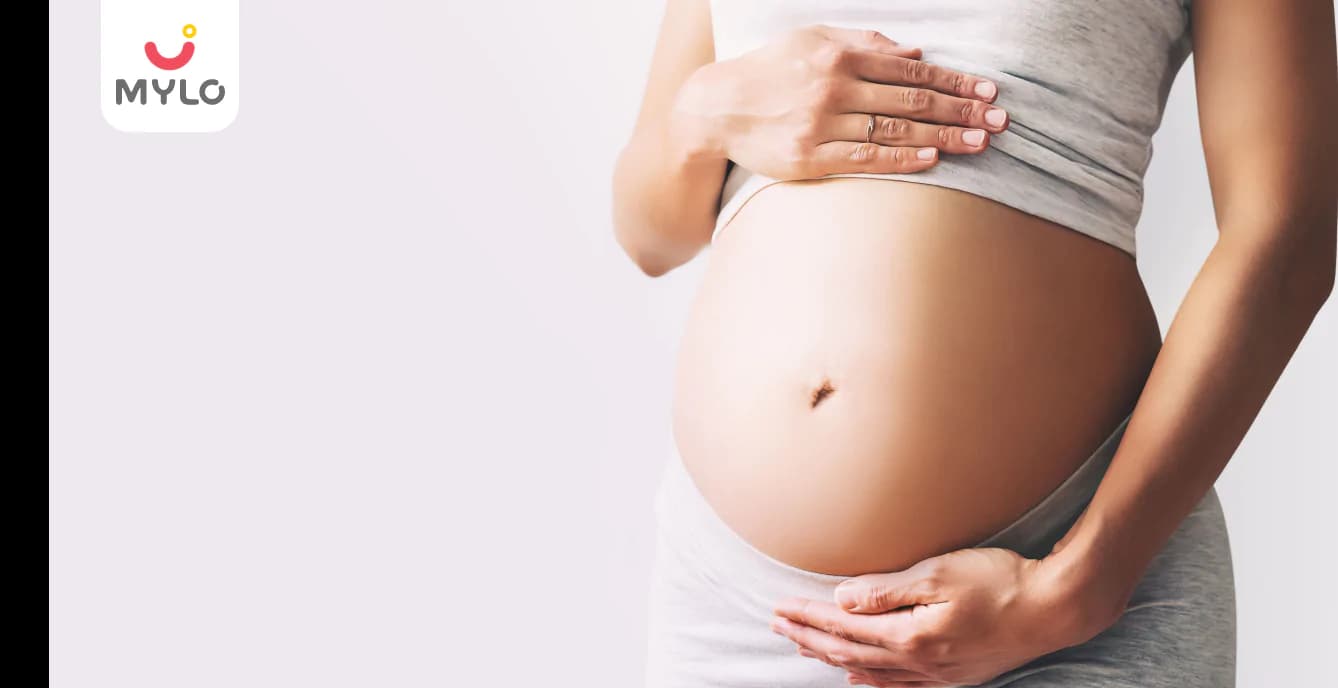
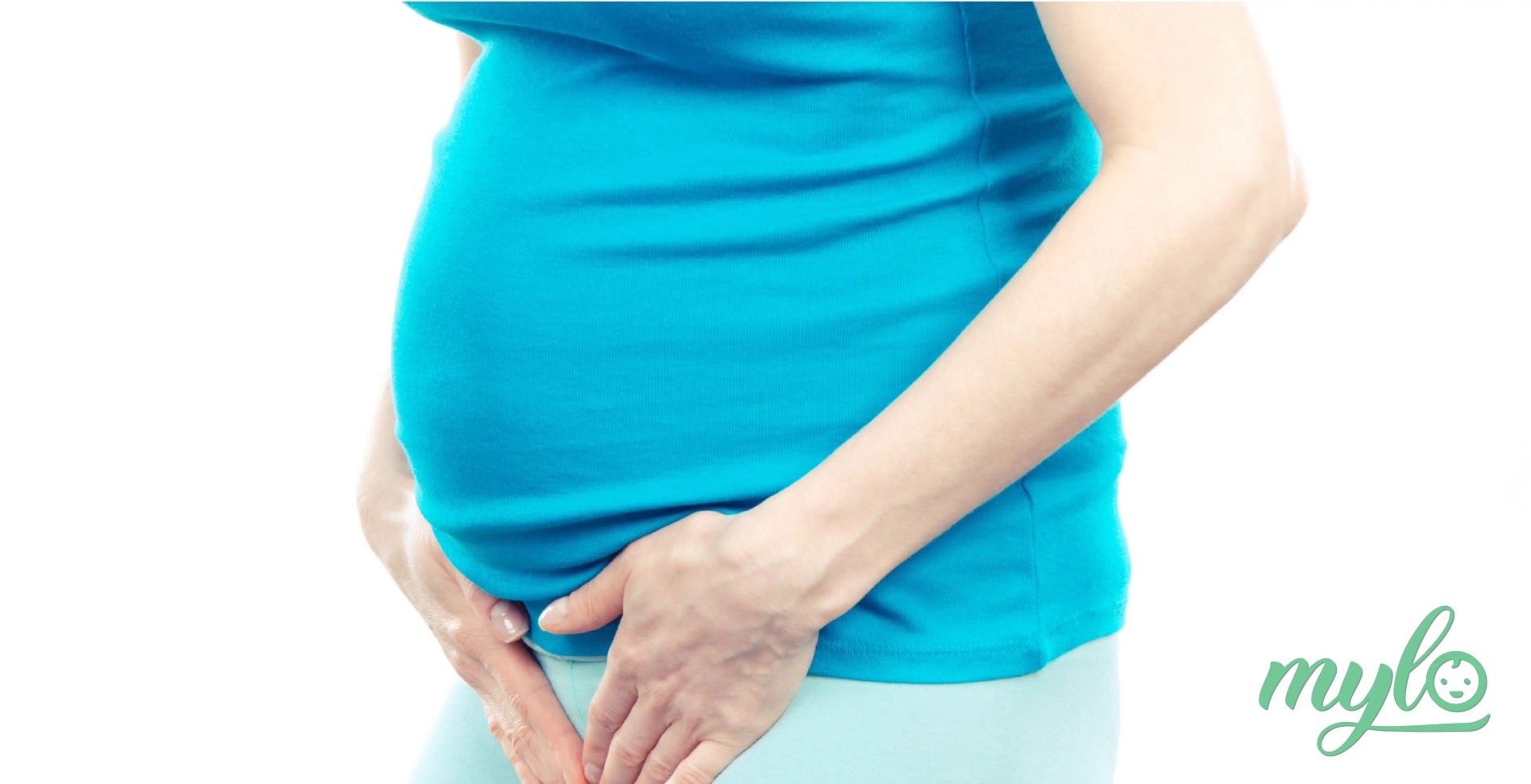
Groin pain in pregnancy is discomfort felt in the area between your lower abdomen and your thigh, on one or both sides. It can range from a dull ache to sharp, shooting pains, sometimes nicknamed "lightning crotch" for the sudden electric-shock-like sensation in the pelvic area.
It is a very common complaint, affecting up to 1 in 3 women, and is most noticeable in the second and third trimesters as your baby and bump grow. Reassuringly, it is usually not a sign that anything is wrong with your pregnancy, and it typically settles shortly after your baby is born.
What Causes Groin Pain in Pregnancy?
The two most common reasons are:
- Round ligament stretching: The round ligaments support your uterus. As the baby grows, they stretch and pull on the pelvis, causing sharp pain, especially when you move suddenly, roll over in bed or get up from a chair.
- Pelvic joints loosening: Pregnancy hormones relax the ligaments so your pelvis can widen for birth. This can make the pelvic joints move unevenly and hurt.
Other, more specific causes include:
| Cause | What It Is |
|---|---|
| Pelvic girdle pain (PGP) / symphysis pubis dysfunction (SPD) | Pain from the pelvic joints moving unevenly as ligaments loosen |
| Symphysis pubis diastasis | The joint between the pubic bones widens more than usual (without fracture) |
| Osteitis pubis | Inflammation of the pubic bone, causing groin, pelvic and lower back pain |
Symptoms of Groin Pain in Pregnancy
Groin pain can feel different for different women. Common features include:
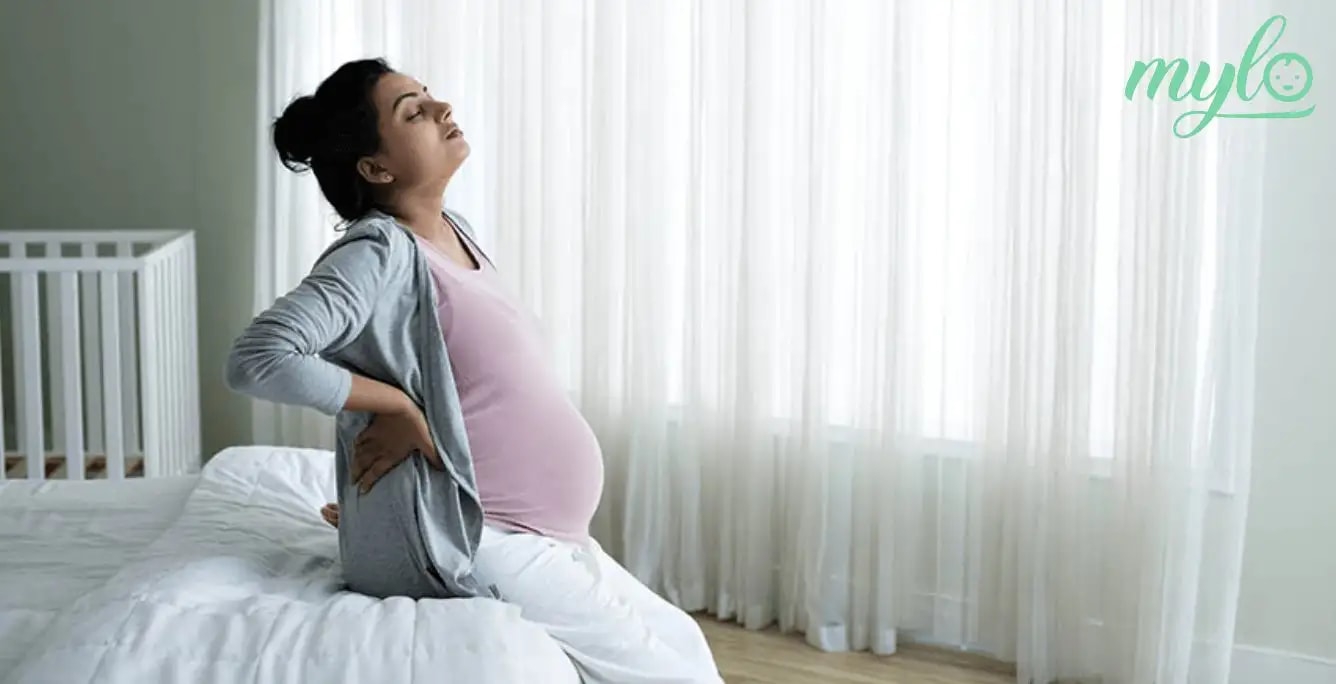
- A dull, aching pain that is worse with movement or weight on the hips
- Sharp, stabbing pain when moving or changing position
- An electric shock-like sensation in the pelvic area ("lightning crotch")
- Difficulty moving your leg, walking or standing
- Pain that worsens with coughing, sneezing or sitting for long periods
- Pain that radiates down the legs
Note: swollen or tender lymph nodes in the groin are not a typical part of pregnancy groin pain and can suggest an infection, so mention these to your doctor. Any sharp vaginal pain or pain with bleeding should also be checked.
How to Relieve Groin Pain During Pregnancy
Several safe measures can ease the discomfort:
- Rest when you can, and avoid activities that clearly worsen the pain
- Wear a maternity support belt to take some weight off the pelvis
- Move gently and evenly, keep your knees together when turning in bed or getting in and out of a car
- Support your bump with your hands when you cough or sneeze
- Use a warm or cold pack on the sore area
- Wear comfortable, supportive clothing and flat, supportive shoes
- Try physiotherapy, a physio can teach exercises and give a proper support belt, and is often the most effective step for pelvic girdle pain
- Pain relief: use only paracetamol if you need it, at the recommended dose. Avoid ibuprofen and other NSAIDs in pregnancy unless your doctor specifically prescribes them
Some women also try acupuncture or see a chiropractor. If you consider these, choose a practitioner experienced in pregnancy and check with your doctor first.
When Should You See a Doctor?
Groin pain is usually benign, but see your doctor if the pain is severe, getting worse, or affecting your daily life, so other causes can be ruled out and you can get proper support.
Go to your nearest emergency room or maternity unit immediately if groin or pelvic pain comes with:
- Vaginal bleeding
- Regular, painful contractions before 37 weeks (possible preterm labour)
- Fever or chills
- Severe pain in the upper abdomen
- A gush or leaking of fluid
Indian Context
In India, pregnancy aches are often expected to be "endured," and pelvic or groin pain is frequently dismissed as normal without support. While it is common, you do not have to simply suffer, ask your obstetrician about physiotherapy and a maternity support belt, both of which help a lot. Importantly, do not take random painkillers from the pharmacy; only paracetamol is generally considered safe, and even that should be used as advised. Keep up gentle activity and good posture rather than complete bed rest, unless your doctor tells you otherwise.
Myths vs Facts
| Myth | Fact |
|---|---|
| Groin pain means something is wrong with the baby | It is usually from normal ligament and joint changes, not a danger sign |
| You can take any painkiller for the pain | Only paracetamol is generally safe; avoid ibuprofen/NSAIDs unless prescribed |
| Complete bed rest is the best fix | Gentle movement, physio and support usually help more than total rest |
| Nothing can be done, you just have to bear it | Support belts, physiotherapy and simple measures give real relief |
Frequently Asked Questions
Pregnancy mein groin (jaang ke paas) dard ho to kaun si dawa le sakte hain? (Hinglish)
Zaroorat ho to sirf paracetamol le sakti hain, wo bhi recommended dose mein. Ibuprofen ya doosri NSAID painkillers pregnancy mein avoid karein jab tak doctor na kahe. Iske saath rest, support belt, halki movement aur garam/thanda sikaai se aaram milta hai. Zyada dard ho to doctor se milein.
Groin pain normal hai ya chinta ki baat hai? (Hinglish)
Zyadatar cases mein groin pain normal hota hai, ligaments aur pelvic joints ke stretch hone ki wajah se, aur delivery ke baad theek ho jaata hai. Lekin agar dard bahut tez ho, ya bleeding ya 37 hafte se pehle contractions ho, to turant hospital jaayein.
Does groin pain in pregnancy harm the baby?
No. Typical groin or pelvic pain comes from normal body changes and does not harm your baby. It is uncomfortable but not dangerous. Warning signs like bleeding or early contractions are what need urgent care.
Will a pregnancy support belt help groin pain?
Yes, for many women a maternity support belt eases pelvic and groin pain by taking some weight off the joints. A physiotherapist can recommend the right one and show you how to use it.
When does pregnancy groin pain go away?
It usually eases soon after delivery, once the extra weight is gone and hormones and pelvic joints return to normal. Physiotherapy can help both during and after pregnancy.
References
- NHS. Pelvic pain in pregnancy. www.nhs.uk
- Cleveland Clinic. Round Ligament Pain. my.clevelandclinic.org
- American College of Obstetricians and Gynecologists (ACOG). Back Pain and Pelvic Pain During Pregnancy. www.acog.org
Trusted By Moms Easing Third Trimester Pelvic Pain
Groin pain can make daily movement tough - here is what other pregnant mamas rely on for comfort.



Article Posted Under
Related Articles
Related Topics
.webp&w=32&q=75)
Medical Disclaimer
This content is for informational purposes only and should not replace professional medical advice. Consult with a physician or other health care professional if you have any concerns or questions about your health. If you rely on the information provided here, you do so solely at your own risk.


AWARDS AND RECOGNITION

Mylo wins Forbes D2C Disruptor award

Mylo wins The Economic Times Promising Brands 2022
AS SEEN IN













- Mylo Care: Effective and science-backed personal care and wellness solutions for a joyful you.
- Mylo Baby: Science-backed, gentle and effective personal care & hygiene range for your little one.
- Mylo Community: Trusted and empathetic community of 10mn+ parents and experts.


Product Categories
Baby Carrier | Baby Soap | Baby Wipes | Stretch Marks Cream | Baby Cream | Baby Shampoo | Baby Massage Oil | Baby Hair Oil | Stretch Marks Oil | Baby Body Wash | Baby Powder | Baby Lotion | Diaper Rash Cream | Newborn Diapers | Teether | Baby Kajal | Baby Diapers Pants | Cloth Diapers | Laundry Detergent | Lactation Granules |