


Orders

Profile

What is Reproductive Endocrinology?

 6 min
6 minReproductive endocrinology is a fascinating field of medicine that focuses on the intricate hormonal processes involved in human reproduction. It encompasses the study and treatment of various reproductive disorders, hormonal imbalances, and fertility issues. Understanding the complex interplay between hormones and reproductive health is essential for individuals and couples seeking to start or expand their families. In this article, we will explore the fundamentals of reproductive endocrinology, its importance in reproductive health, and the various conditions and treatments within this specialized field.
What is the Meaning of Reproductive Endocrinology?
Reproductive endocrinology is a study of speciality in obstetrics/gynaecology where it focuses on reproductive medicine and addresses issues about the reproductive hormones and control mechanisms that regulate sexual development, sexual function, and infertility issues.
What Does a Reproductive Endocrinologist Do?
A reproductive endocrinologist treats infertility in both men and women. They diagnose causes of infertility such as PCOS, endometriosis, frequent miscarriages, menopause, and menstrual problems. Some other important functions of a reproductive endocrinologist are:
- Diagnose and treat factors like male infertility and other concerns related to reproduction.
- Help couples with trouble conceiving by using assisted reproductive technologies (ART) like IVF, IUI, and fertility preservation.
- Perform surgeries like myomectomy or tubal ligation reversal.
- Counsel couples experiencing infertility and undergoing fertility treatments.
- Conduct surrogacy programs.
What Diseases do Reproductive Endocrinologists Treat?
A reproductive endocrinologist treats diseases that occur due to the hormonal imbalance in the body, including:
- Type 1 and type 2 diabetes mellitus
- Hypothyroidism
- Hyperthyroidism
- Thyroid disorders
- Goitre
- Addison’s disease
- Cushing’s syndrome
- Gigantism
- Polycystic ovarian disease (PCOD)
- Infertility
- Certain cancers of the endocrine glands
Why Choose a Reproductive Endocrinologist?
Reproductive endocrinologists are professionally experienced and have exclusive special training in helping people having difficulty with fertility. They are trained in the male and female reproductive endocrine systems, procedures, and medications to treat infertility.
After the first few weeks of pregnancy (prenatal), the RE hands over the care to the OB/GYN. In addition to years of special training, REs are experts in early pregnancy as well.
When Should I see a Reproductive Endocrinologist?
Women trying to conceive after a year of unprotected sex under age 35 are recommended to see a reproductive endocrinologist. Women experiencing these difficulties, especially when trying to get pregnant, should see a reproductive endocrinologist:
- Irregular menstrual periods
- Absence of periods
- Painful periods
- Endometriosis cyst
- Multiple miscarriages
- Treatment that may affect fertility
You may also like: Fertility Test for Men and Women: What to Expect and Next Steps
What is the Difference Between an Endocrinologist and a Reproductive Endocrinologist?
The primary difference is in the area of research. An endocrinologist covers various endocrine disorders like diabetes and bone diseases. A reproductive endocrinologist focuses on the aspect of the reproductive system and how it is affected. REs are highly skilled in treating endocrine disorders like hormonal imbalances that impact fertility.
What is Female Reproductive Endocrinology?
-
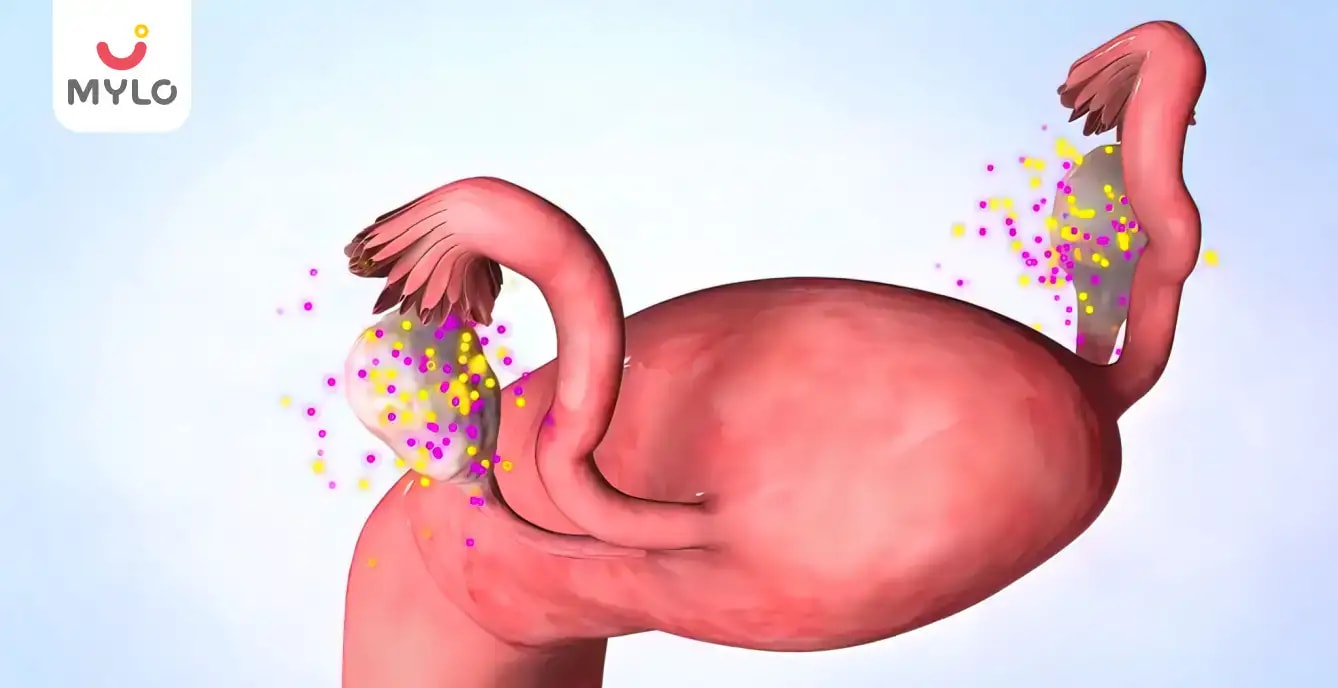
The female reproductive system is regulated by the hormonal interaction between the hypothalamus, anterior pituitary gland, and ovaries.
-
Gonadotropin-releasing hormone (GnRH) is secreted by hypothalamus, which is also referred to as a luteinizing hormone-releasing hormone.
-
Hormones like follicle-stimulating hormone (FSH) and luteinising hormone (LH) are regulated by GnRH from gonadotropes in the anterior pituitary gland. These hormones induce ovulation and stimulate the secretion of hormones like estradiol (estrogen) and progesterone from the ovaries.
-
The hormones estrogen and progesterone in the blood are bound to plasma proteins, and the unbounded ones are biologically active. They are responsible for the stimulation of reproductive organs like the uterus, vagina, and breasts. In certain specific situations (during ovulation), these may also trigger gonadotropin secretion. ovulation) these may also trigger gonadotropin secretion.
You may also like: The Hormonal Dance: Understanding Which Hormones Regulate Menstrual Cycle
Reproductive hormones like GnRH, FSH, and LH are responsible for the stimulation of
- Puberty
- Ovarian Follicular Development
- Menstrual Cycle
- Cyclic Changes in Other Reproductive Organs
Reasons to See a Reproductive EndocrinolWomen
Women having trouble getting pregnant or just beginning to plan and not being able to conceive should see a Reproductive Endocrinologist for an evaluation.
Book an appointment if experiencing any of the following issues:
1. Irregular, absent, or painful menstrual periods
It is a symptom of an ovulatory disorder, and the most common one is PCOS. A hormonal condition that obstructs ovulation and makes periods irregular and painful. For the treatment, consult a reproductive endocrinologist.
2. One or more miscarriages
Most miscarriages happen due to extra or missing chromosomes in the fetus or if the fetus is not developing properly as expected. Some women get pregnant but cannot carry the baby to term. In such a case, visiting a specialist will be helpful in monitoring health to carry a healthy pregnancy.
You may also like: 8 Steps to Help You Recover Emotionally from the Loss of Your Baby
Treatment(s) that may affect your fertility
If any treatment is affecting your fertility, visit a reproductive endocrinologist.
-
Endometriosis symptoms or diagnosis: If a woman has a history of endometriosis in her pelvis, she may want to talk to a RE. Endometriosis can impact fertility. With better treatments, the pregnancy outcome will be good, especially with IVF.
-
Polycystic ovary syndrome (PCOS) symptoms or diagnosis: PCOS is a hormonal disorder that causes irregular periods and fertility problems in women. If there are symptoms of PCOS, then a visit to a reproductive endocrinologist for the treatment.
Summary
Reproductive endocrinologists are highly trained specialists. They will guide you through the entire fertility journey if you are trying to get pregnant and provide medical interventions for pregnancy. They can guide and find the diagnosis and treatment for any gynecologicalcal-related diseases.
References
- Kaiser UB. (2015). Decade in review-reproductive endocrinology: Understanding reproductive endocrine disorders. NCBI
- Feingold KR, Anawalt B, Boyce A, et al. (2000). Endocrinology of Female Reproduction. NCBI
Article Posted Under
Related Articles



Related Topics
.webp&w=32&q=75)
Medical Disclaimer
This content is for informational purposes only and should not replace professional medical advice. Consult with a physician or other health care professional if you have any concerns or questions about your health. If you rely on the information provided here, you do so solely at your own risk.


AWARDS AND RECOGNITION

Mylo wins Forbes D2C Disruptor award

Mylo wins The Economic Times Promising Brands 2022
AS SEEN IN












- Mylo Care: Effective and science-backed personal care and wellness solutions for a joyful you.
- Mylo Baby: Science-backed, gentle and effective personal care & hygiene range for your little one.
- Mylo Community: Trusted and empathetic community of 10mn+ parents and experts.


Product Categories
Baby Carrier | Baby Soap | Baby Wipes | Stretch Marks Cream | Baby Cream | Baby Shampoo | Baby Massage Oil | Baby Hair Oil | Stretch Marks Oil | Baby Body Wash | Baby Powder | Baby Lotion | Diaper Rash Cream | Newborn Diapers | Teether | Baby Kajal | Baby Diapers Pants | Cloth Diapers | Laundry Detergent | Lactation Granules |