


Orders
.png&w=48&q=75 "login")
Profile


Wallet

Baby sleep facts and myths every parent should know


MBBS, DGO · 41 years experience
 1.8K Likes|
 5 min
5 minA baby's sleep is a significant issue for new parents because sleep plays a vital role in a baby's physical and cognitive development. Newborns typically sleep between 16-17 hours a day, but they do not sleep for long stretches at a time and wake up frequently to feed and get their diapers changed.
This disrupted sleep pattern can be exhausting for new parents who also need to get enough sleep to function properly. Lack of sleep can affect a parent's physical and mental health, leading to fatigue, stress, and anxiety. Moreover, sleep-deprived parents may find it difficult to focus on their baby's needs and miss important cues, leading to further sleep problems for their baby. Additionally, when a baby does not sleep well, it can cause them to become fussy and irritable, making it harder for parents to soothe them.
For all these reasons, new parents often find it challenging to manage their baby's sleep and establish a consistent sleep routine, which can lead to a stressful and exhausting experience. In the process of achieving a full night's sleep for the baby, parents encounter several myths and assumptions. Here are the basic myths and facts about babies’ sleep that every parent should know.
Myth 1: Babies should sleep through the night by three months
Fact: Some babies accustom to this three-month schedule easily, while others find it difficult. But there is nothing wrong if they do not sleep through the night until they are six months or older.
Myth 2: Feeding a heavy meal before bedtime:
Fact: Parents add a bit of rice cereal into the last bottle feed, before bedtime. By this method, the baby can sleep better as he will not feel hungry. Though this idea sounds logical, there is no evidence that this trick works. Also, including rice cereal for babies younger than four months is not safe and can result in gastric problems and food allergies.
Myth 3: Parents should not stay in the same room while sleep training the child
Fact: It is completely fine to share the room with the child while sleep training. It will also help reassure the mother that the baby is well and will help her feed the baby in between. But the sleep location of the baby should be different and separate from the parents.
Myth 4: Daytime activities promote better sleep at night
Fact: This myth is true and involving the baby in daytime activities can promote better sleep along with strengthening the muscles of the babies. But over-tired children have difficulty falling asleep.
Myth 5: Parents should never wake a sleeping baby
Fact: This old advice is a clear myth. While focusing on bedtimes, parents should focus on wake times as well. They should limit daytime naps so that the baby enjoys long hours of sleep at night.
Having a clear understanding of the myths and facts about children’s sleep cycle helps parents sleep-train their children appropriately and raise a healthy child.
Myth 6: You should feed your baby every time they wake up at night
Fact: Breastfeeding can help babies sleep better. Breastmilk contains sleep-inducing hormones, and the act of breastfeeding can be calming and soothing for babies. While newborns need to eat frequently, after a few weeks, they may start waking up out of habit rather than hunger. If your baby is not hungry, it's okay to try to soothe them back to sleep without feeding them.
Myth 7: You should keep your baby warm at all times
Fact: Room sharing can help reduce the risk of Sudden Infant Death Syndrome (SIDS). The American Academy of Pediatrics recommends that parents share a room with their baby for at least the first 6 months to a year of life. While it's important to keep your baby warm, overheating can be dangerous and increase the risk of SIDS. A good rule of thumb is to dress your baby in one extra layer than you're wearing and keep the room at a comfortable temperature (between 68-72 degrees Fahrenheit).
Conclusion
In conclusion, understanding the myths and facts about baby sleep is essential for new parents. While there is no one-size-fits-all approach to managing a baby's sleep, knowing the facts can help parents establish healthy sleep habits and reduce stress and exhaustion for both the baby and the parents. By understanding these baby sleep myths and facts, parents can create a sleep environment that is safe and healthy for their baby, while also ensuring that they get the rest they need to provide the best possible care.
Article Posted Under
Related Articles
Baby Names Starting With A for Boys & Girls: Meanings, Religion, Rashi & Nakshatra
 8 min
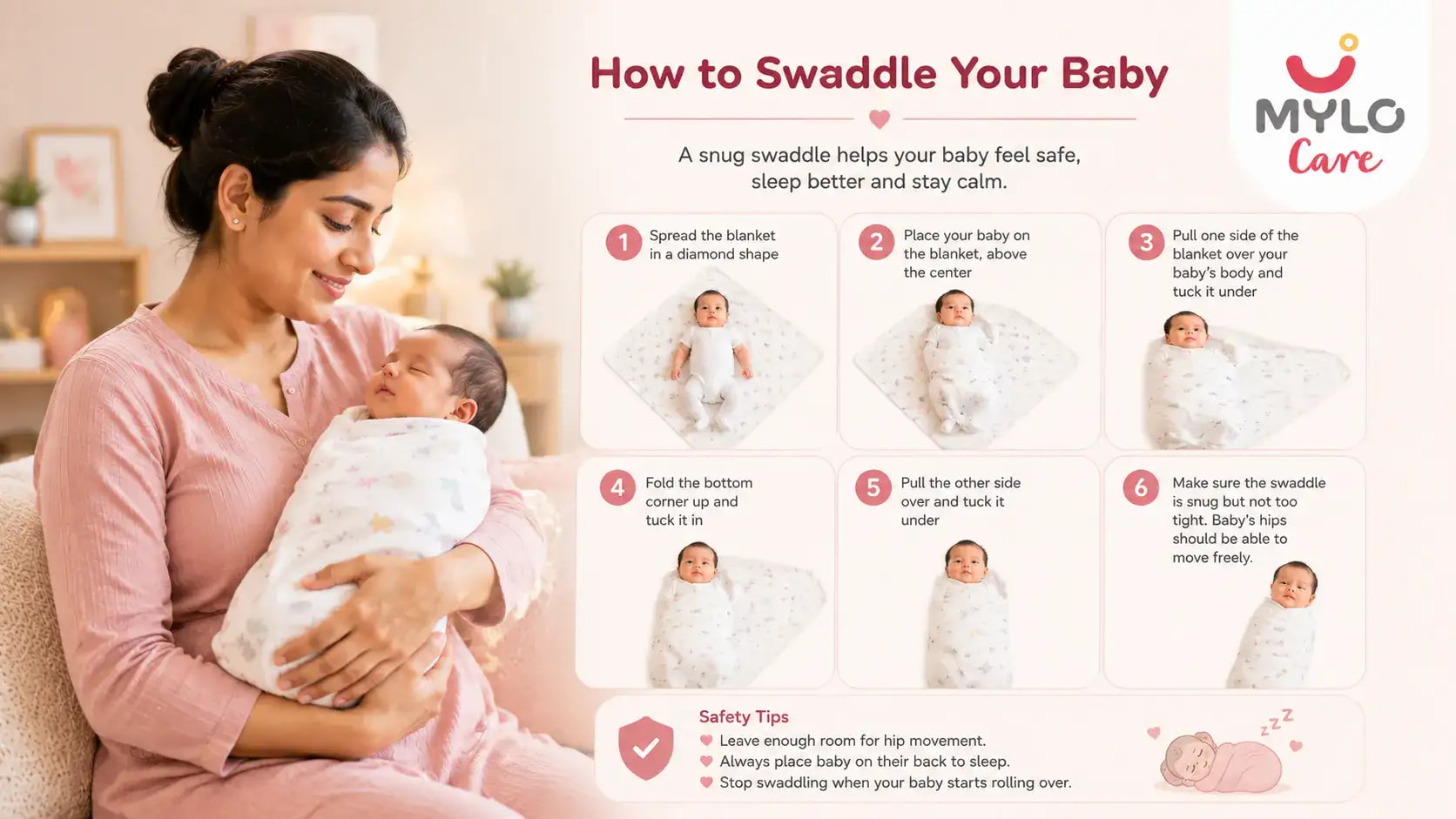
8 min How to Swaddle a Baby: A Step-by-Step Guide With Safety Tips
 8 min
8 min What Is Fundal Height? Meaning, Normal Range by Week and Why It Matters
 7 min
7 min Diet for a Breastfeeding Mother: Protein, Milk Supply, and What Indian Moms Actually Need
17 min
Related Topics
.webp&w=32&q=75)
Medical Disclaimer
This content is for informational purposes only and should not replace professional medical advice. Consult with a physician or other health care professional if you have any concerns or questions about your health. If you rely on the information provided here, you do so solely at your own risk.


AWARDS AND RECOGNITION

Mylo wins Forbes D2C Disruptor award

Mylo wins The Economic Times Promising Brands 2022
AS SEEN IN













- Mylo Care: Effective and science-backed personal care and wellness solutions for a joyful you.
- Mylo Baby: Science-backed, gentle and effective personal care & hygiene range for your little one.
- Mylo Community: Trusted and empathetic community of 10mn+ parents and experts.


Product Categories
Baby Carrier | Baby Soap | Baby Wipes | Stretch Marks Cream | Baby Cream | Baby Shampoo | Baby Massage Oil | Baby Hair Oil | Stretch Marks Oil | Baby Body Wash | Baby Powder | Baby Lotion | Diaper Rash Cream | Newborn Diapers | Teether | Baby Kajal | Baby Diapers Pants | Cloth Diapers | Laundry Detergent | Lactation Granules |