


Orders
.png&w=48&q=75 "login")
Profile


Wallet

RSV (Respiratory Syncytial Virus): Symptoms, Causes & Treatment
 2 Likes|
 6 min
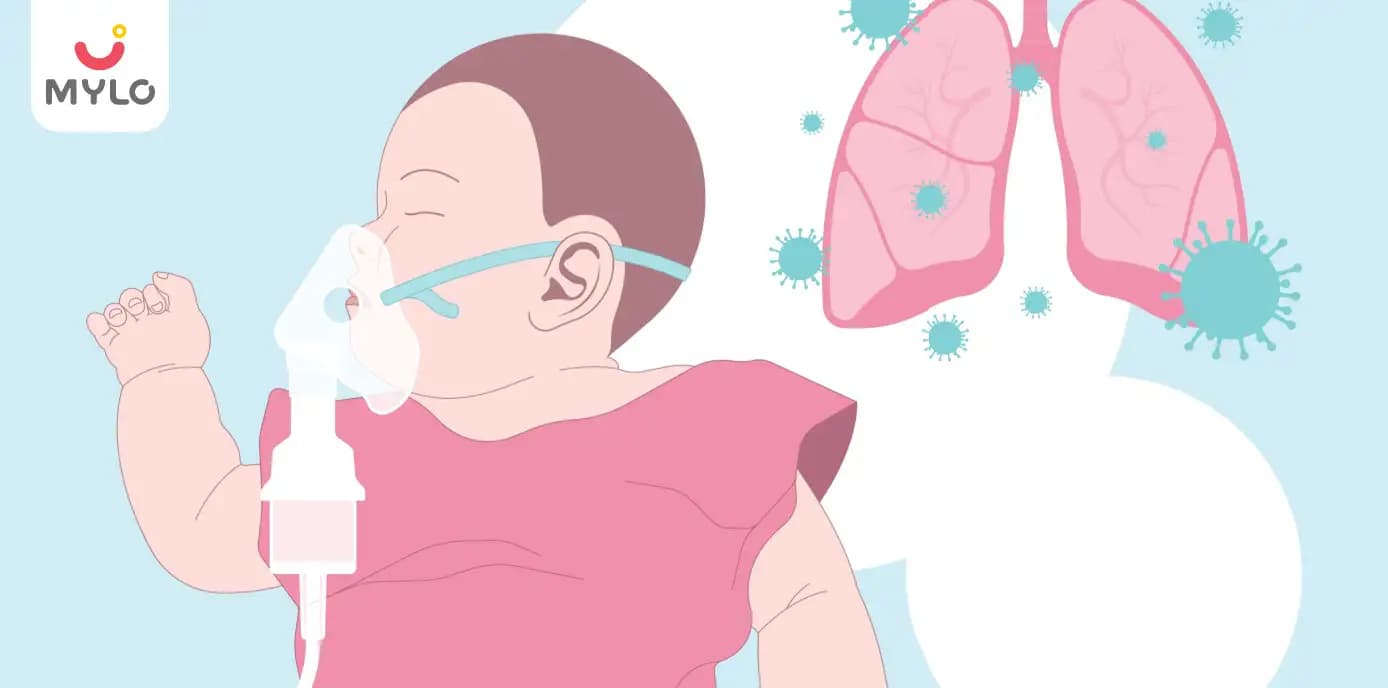
6 minRSV (Respiratory Syncytial Virus) is a common virus that affects the respiratory system, particularly in young children and older adults. It can cause a range of symptoms, from mild cold-like symptoms to more severe respiratory illnesses.
In this article, we will discuss the causes, symptoms, and treatments for RSV. We will also cover some important information about how to prevent the spread of the virus and when to seek medical attention.
Are you curious about RSV and its impact on your health? Whether you're a concerned parent, caregiver, or just interested in learning more about this virus, we're here to provide you with the information you need. So, let's dive in!
RSV Symptoms
RSV (Respiratory Syncytial Virus) symptoms in babies are:
-
Runny or stuffy nose
-
Cough
-
Fever
-
Irritability
-
Decreased appetite or difficulty feeding
-
Wheezing or rapid breathing
-
Bluish color around the lips or nails (in severe cases)
-
Lethargy or decreased activity
Who is affected by RSV?
RSV, or Respiratory Syncytial Virus, can affect people of all ages, but it is most common in infants and young children. In fact, RSV is the most common cause of respiratory infections in children under the age of one. Most children will have been infected with RSV at least once by the time they are two years old.
In addition to young children, older adults and people with weakened immune systems are also at higher risk of developing serious RSV infections. This includes people with chronic lung or heart disease, and those with weakened immune systems
How frequent is RSV?
RSV, or Respiratory Syncytial Virus, is a very common virus. It is estimated that almost all children will have been infected with RSV at least once by the time they reach the age of two. RSV is most common during the fall, winter, and early spring months in temperate climates, but it can occur at any time of year in tropical climates.
In infants and young children, RSV is the most common cause of respiratory infections, such as bronchiolitis and pneumonia. According to the World Health Organization (WHO), RSV is responsible for an estimated 33 million episodes of acute lower respiratory infection in children under the age of five every year
How is RSV diagnosed?
To confirm a diagnosis of RSV, a healthcare provider may order one or more laboratory tests. The most common test is a nasal or throat swab, which is used to collect a sample of mucus or other secretions from the respiratory tract.
In the laboratory, the sample may be tested using various methods, including viral culture, polymerase chain reaction (PCR), or rapid antigen testing. These tests can help identify the presence of RSV and determine the severity of the infection.
In some cases, a chest X-ray may also be ordered to check for signs of pneumonia or other complications.
Treatment for RSV in babies
For mild cases of RSV, treatment may simply involve rest, fluids, and over-the-counter medications to relieve symptoms such as fever or pain.
However, for more severe cases of RSV, especially in infants, hospitalization may be necessary. In the hospital, the baby may receive oxygen therapy, intravenous fluids to prevent dehydration, and medications to help relieve symptoms such as coughing or wheezing.
Is there an RSV vaccine?
While there is not yet a vaccine available to the general public, certain groups may be eligible for RSV immunoprophylaxis, which involves giving high-risk individuals a monthly injection of antibodies against RSV during the RSV season.
When will I start to feel better following treatment?
The length of time it takes to feel better after treatment for RSV (Respiratory Syncytial Virus) can vary depending on several factors, including the severity of the infection, the age and overall health of the patient, and the type of treatment received. For more severe cases of RSV, especially in infants' recovery may take longer.
In general, most people with RSV begin to feel better within one to two weeks of the start of the infection.
When should I consult a doctor?
It's important to consult a doctor if you or your child are experiencing symptoms of RSV (Respiratory Syncytial Virus). Some warning signs to watch for include:
-
High fever
-
Severe coughing or wheezing
-
Rapid breathing or difficulty breathing
-
Bluish color around the lips or nails
-
Refusal to eat or drink
-
Signs of dehydration, such as dry mouth or decreased urine output
-
Lethargy or irritability
-
Signs of worsening illness, such as increased congestion or worsening cough
What to do if your child is at an increased risk of getting RSV?
If your child is at a high risk of developing a serious RSV infection, there are several things you can do to help prevent them from getting sick. Here are some steps you can take:
-
Talk to your child's doctor: If your child has a medical condition that puts them at risk of severe RSV infection, it's important to talk to their doctor about what you can do to help protect them.
-
Keep your child away from sick people: Avoid taking your child to places where there are lots of people, especially during cold and flu season.
-
Wash your hands frequently: Make sure you and anyone who cares for your child wash their hands frequently and thoroughly. Use soap and warm water, and wash for at least 20 seconds.
-
Keep your child's environment clean: clean surfaces in your home frequently, especially toys, doorknobs, and countertops.
-
Breastfeed if possible: If you're able to breastfeed, it may help protect your child from RSV infection.
-
Consider RSV immunoprophylaxis: If your child is at a very high risk of developing severe RSV infection, their doctor may recommend RSV immunoprophylaxis, which is a monthly injection that helps prevent RSV.
Remember, if you think your child may have RSV, it's important to contact their doctor right away. Also remember not all respiratory illnesses are RSV therefore, it is important to consult your doctor.
Article Posted Under
Related Articles



Related Topics
.webp&w=32&q=75)
Medical Disclaimer
This content is for informational purposes only and should not replace professional medical advice. Consult with a physician or other health care professional if you have any concerns or questions about your health. If you rely on the information provided here, you do so solely at your own risk.


AWARDS AND RECOGNITION

Mylo wins Forbes D2C Disruptor award

Mylo wins The Economic Times Promising Brands 2022
AS SEEN IN












- Mylo Care: Effective and science-backed personal care and wellness solutions for a joyful you.
- Mylo Baby: Science-backed, gentle and effective personal care & hygiene range for your little one.
- Mylo Community: Trusted and empathetic community of 10mn+ parents and experts.


Product Categories
Baby Carrier | Baby Soap | Baby Wipes | Stretch Marks Cream | Baby Cream | Baby Shampoo | Baby Massage Oil | Baby Hair Oil | Stretch Marks Oil | Baby Body Wash | Baby Powder | Baby Lotion | Diaper Rash Cream | Newborn Diapers | Teether | Baby Kajal | Baby Diapers Pants | Cloth Diapers | Laundry Detergent | Lactation Granules |