


Orders

Profile

How to Lose Weight After Pregnancy: The Complete 2026 Guide for New Moms (Diet, Exercise and Real Results)
 19 min

C-section & gynae problems · 4 years experience
Most new mothers can lose pregnancy weight safely over 6 to 12 months postpartum through a combination of balanced nutrition, gentle exercise (starting after 6-week doctor clearance), adequate sleep, breastfeeding (if possible), and natural fat metabolism support. The realistic and healthy weight loss rate is 0.5 to 1 kg per week. Crash diets are dangerous during postpartum recovery and especially while breastfeeding. Mylo Weight Loss Tea (caffeine-free, breastfeeding-safe variants available) can support metabolism and gentle fat loss as part of a complete routine. Quick results come from consistency, not extremes.
Becoming a mother changes everything, including your body. Looking at yourself 3 weeks after delivery and not recognising the person in the mirror is a feeling almost every new mother shares. Combined with sleep deprivation, hormonal shifts, and the demands of breastfeeding, the question of "how do I lose this weight?" can feel overwhelming. This guide gives you the medically-backed, practical answer that respects your recovery and supports real, sustainable results.
How Long Does It Take to Lose Pregnancy Weight After Delivery?
Most new mothers lose 4 to 6 kg within the first 1 to 2 weeks after delivery (baby weight, placenta, amniotic fluid, and water retention). The remaining 5 to 10 kg typically takes 6 to 12 months to lose safely.
Here is the realistic timeline:
| Time Postpartum | Expected Weight Loss | What is Happening |
|---|---|---|
| Day 1 to Week 2 | 4 to 6 kg | Baby, placenta, amniotic fluid, water |
| Week 2 to Week 6 | 1 to 3 kg | Continued water loss, uterus returns to size |
| Week 6 to Month 3 | 2 to 4 kg | Gentle exercise begins, breastfeeding burns calories |
| Month 3 to Month 6 | 3 to 5 kg | Body composition starts changing meaningfully |
| Month 6 to Month 12 | 2 to 4 kg | Final stabilisation toward pre-pregnancy weight |
If you gained 12 to 14 kg during pregnancy (the typical range), losing it all in 12 months is a healthy, achievable goal. Trying to lose it in 3 months is unrealistic and unsafe.
When Can I Start Trying to Lose Weight After Delivery?
The answer depends on your delivery type and recovery.
For normal delivery with no complications: gentle walking can begin within the first week. Active weight loss efforts (light exercise + structured diet) can start at 6 weeks postpartum after your gynaecologist clearance.
For C-section delivery: complete healing takes longer. Walking starts within the first week. Active weight loss efforts can begin at 8 to 12 weeks postpartum with your gynaecologist clearance.
For breastfeeding mothers: never restrict calories below 1,800 kcal/day. Your body needs energy to produce milk. Sustainable weight loss is slower for breastfeeding mothers but is permanent and safer.
For all mothers, the first 6 weeks postpartum are about recovery, not weight loss. Trust your body. The weight loss phase comes after healing.
What Is the Best Postpartum Diet for Weight Loss?
The best postpartum diet is nutrient-dense, balanced, and never extreme. Crash diets harm milk supply, slow recovery, and rebound the weight back faster.
The Plate Method for Postpartum Weight Loss
Build every meal using this simple framework:
Half the plate: Vegetables and fruits (palak, methi, lauki, gajar, tamatar, kheera, fruits)
Quarter of the plate: Protein (dal, chicken, fish, paneer, eggs, sprouts)
Quarter of the plate: Complex carbs (brown rice, jowar/bajra roti, oats, quinoa)
Add: Healthy fats (ghee in moderation, nuts, seeds, avocado)
Pair with: Fluids (water, buttermilk, coconut water, Mylo Weight Loss Tea)
Top 12 Foods for Postpartum Weight Loss
These foods support fat loss, milk production, recovery, and energy together.
| Food | Why It Helps |
|---|---|
| Oats and dalia | High fibre, slow-release energy, supports milk supply |
| Methi seeds (fenugreek) | Boosts metabolism, traditional galactagogue |
| Almonds and walnuts | Healthy fats, protein, brain food |
| Spinach (palak) | Iron, folate, fibre, low calorie |
| Greek yogurt or thick curd | Protein, calcium, gut health |
| Eggs | Complete protein, satiety, choline for baby brain |
| Boiled chana | Fibre, protein, plant-based iron |
| Salmon or fatty fish | Omega-3, anti-inflammatory |
| Brown rice and jowar | Complex carbs, sustained energy |
| Lauki (bottle gourd) | Hydrating, weight-loss friendly |
| Berries and seasonal fruits | Antioxidants, low sugar |
| Sabja seeds (basil seeds) | Fibre, omega-3, appetite control |
For more on pregnancy-safe and postpartum-safe foods, see our sabja seeds during pregnancy guide and plum in pregnancy benefits.
Foods to Avoid for Postpartum Weight Loss
Cut these for faster, healthier results.
Refined sugar (mithai, biscuits, sugary drinks). Maida-based foods (white bread, naan, pasta). Deep-fried foods (samosa, pakora, kachori). Packaged snacks (chips, namkeen, ready-to-eat meals). Sugary beverages (soft drinks, packaged juices, sweetened tea/coffee). Excess salt (linked to fluid retention). Alcohol (unsafe during breastfeeding and slows metabolism). Aerated drinks (worsen bloating and gas, see our pregnancy gas relief guide for more).
How Does Mylo Weight Loss Tea Help New Mothers?
Mylo Weight Loss Tea is formulated specifically for women in their postpartum and weight management phase. It combines traditional Ayurvedic herbs with modern nutrition science to support gentle, sustainable weight loss.
Key ingredients and their benefits:
Green tea extract: Contains catechins that support fat oxidation and metabolism.
Garcinia cambogia: A traditional ingredient that supports appetite regulation.
Ginger and lemon: Aid digestion and reduce bloating, especially helpful in postpartum gas and constipation.
Cinnamon and tulsi: Support blood sugar balance and metabolism.
Mint and fennel: Soothe the stomach, reduce gas, and freshen the system.
How to use Mylo Weight Loss Tea:
For non-breastfeeding mothers: 1 to 2 cups per day, ideally mid-morning and post-lunch.
For breastfeeding mothers: choose the breastfeeding-safe variant (caffeine-free formulation), 1 cup per day, ideally mid-morning.
Best results come when combined with a balanced postpartum diet, daily walking, and adequate sleep. Mylo Weight Loss Tea is not a magic pill. It is a supportive ritual that complements your overall postpartum weight loss routine.
Safety note: Always discuss with your gynaecologist before adding any new supplement or tea to your routine, especially during breastfeeding.
[Explore Mylo Weight Loss Tea here]
What Exercises Help Reduce Belly Fat After Delivery?
You cannot spot-reduce belly fat, but overall body movement plus targeted core work tightens the postpartum belly significantly over time.
Phase 1: Weeks 1 to 6 (Recovery Phase)
Goal: Gentle movement, no active weight loss yet.
Gentle walking, 10 to 15 minutes per day. Deep breathing exercises (Diaphragmatic breathing). Kegel exercises (pelvic floor activation), 3 sets of 10 per day.
Phase 2: Weeks 6 to 12 (Foundation Phase)
Goal: Rebuild core strength, increase activity.
Walking, 20 to 30 minutes per day. Pelvic tilts, 2 sets of 10 per day. Heel slides for core, 2 sets of 10 per day. Bird-dog exercise, 2 sets of 10 per side. Wall push-ups, 2 sets of 10 per day.
Phase 3: Months 3 to 6 (Building Phase)
Goal: Active weight loss, body composition change.
Brisk walking or light jogging, 30 to 40 minutes 5 times per week. Modified planks (knee planks), 30 seconds, 3 sets. Glute bridges, 2 sets of 15. Squats (bodyweight), 2 sets of 15. Cat-cow stretches. Postnatal yoga sessions, 2 to 3 times per week.
Phase 4: Month 6 onwards (Strength Phase)
Goal: Build strength, tone, and final body composition.
Full strength training (with doctor clearance). HIIT workouts (short, intense intervals). Full plank, 30 to 60 seconds. Lunges and squats with light weights. Continued cardio. Targeted core work for diastasis recti recovery.
For each phase, work with a women's health physiotherapist if you have diastasis recti (abdominal separation), which affects 60% of postpartum women. Doing wrong exercises with diastasis recti can worsen the condition.
Is It Safe to Lose Weight While Breastfeeding?
Yes, gentle and sustainable weight loss is safe and even recommended while breastfeeding. The key word is gentle.
Breastfeeding burns 300 to 500 extra calories per day, which means many women naturally lose weight while nursing. However, restricting calories below 1,800 kcal/day can reduce milk supply and harm your recovery.
Safe weight loss guidelines while breastfeeding:
Aim for 0.5 to 0.7 kg loss per week (not faster). Maintain at least 1,800 to 2,200 kcal per day. Prioritise protein, calcium, iron, and omega-3 (your milk needs these). Avoid crash diets, fasting protocols, or weight loss medications. Stay hydrated (3 to 4 litres of water daily, more if active).
Most breastfeeding mothers return to their pre-pregnancy weight by 12 months. Slower, but more permanent.
Why Is It So Hard to Lose Weight After C-Section?
C-section recovery is different from normal delivery, and weight loss takes longer for several reasons.
Longer recovery period: Active exercise is delayed by 4 to 6 weeks compared to normal delivery, slowing the calorie burn restart.
Abdominal muscle disruption: The surgery cuts through abdominal muscles, making core re-engagement much harder. Diastasis recti is more common after C-section.
Higher risk of complications: Lifting heavy weights, intense cardio, and core work all need careful, supervised re-introduction.
Scar tissue: The internal scar tissue can create a "shelf" appearance that fades slowly over 12 to 18 months.
What helps C-section moms specifically:
Patience and acceptance that the timeline is longer. Gentle scar massage (with doctor approval, from 6 to 8 weeks postpartum). Pelvic floor physiotherapy. Targeted diastasis recti exercises. Slower exercise progression with women's health physiotherapist guidance.
Read our companion article on postpartum body changes including mons pubis for a deeper understanding of what happens to the postpartum body.
What Is a Realistic Weekly Plan for Postpartum Weight Loss?
Here is a sample week for a mother 3 months postpartum (after doctor clearance) aiming for sustainable weight loss.
Daily Routine
Morning (after waking up):
1 glass warm water with lemon and a pinch of methi powder.
Breakfast (within 1 hour of waking):
Oats or dalia with milk + fruits, OR 2 boiled eggs + 1 jowar roti + sabzi.
Mid-morning (10 AM to 11 AM):
1 cup Mylo Weight Loss Tea + 4 to 5 almonds.
Lunch:
1 cup dal + 1 cup sabzi + 1 jowar/bajra roti + small bowl curd + salad.
Evening (4 PM to 5 PM):
1 fruit (apple, pear, papaya, see our plum in pregnancy and postpartum guide) + handful of sprouts.
Dinner (early, by 7 PM if possible):
Vegetable khichdi OR grilled fish/chicken with sautéed vegetables OR soup with dalia.
Before bed:
1 cup warm haldi milk or fennel tea.
Weekly Exercise
| Day | Activity |
|---|---|
| Monday | 30 minutes walking + 10 minutes core exercises |
| Tuesday | Postnatal yoga session, 30 minutes |
| Wednesday | 30 minutes walking + Kegels and pelvic tilts |
| Thursday | Postnatal strength workout (bodyweight) |
| Friday | 30 minutes walking + 10 minutes stretching |
| Saturday | Longer walk, 45 minutes, with baby in stroller |
| Sunday | Active rest, gentle movement, stretching |
Add Mylo Weight Loss Tea to your daily routine as part of supportive metabolism care, ideally mid-morning when energy and appetite peak.
How Can I Lose 5 kg in 1 Month After Delivery?
Honest answer: Losing 5 kg in 1 month postpartum is generally not recommended and not realistic for healthy weight loss. Aggressive weight loss in the early postpartum period can:
Reduce milk supply if breastfeeding. Slow your physical recovery. Increase fatigue and risk of postpartum depression. Cause the weight to rebound (yo-yo effect).
Safer realistic targets:
Month 1 postpartum: 1 to 2 kg (mostly water and recovery).
Month 2: 1 to 2 kg with gentle exercise + clean eating.
Month 3 onwards: 2 to 3 kg per month with consistent routine.
To accelerate within safe limits: prioritise sleep, drink Mylo Weight Loss Tea, walk daily, eat clean, breastfeed if possible, and stay consistent.
The mothers who get the best long-term results are those who play the long game, not the rapid game.
What Are Common Mistakes New Moms Make in Postpartum Weight Loss?
Avoid these eight common mistakes.
Mistake 1: Starting too early. Wait for the 6-week (normal delivery) or 8 to 12-week (C-section) doctor clearance.
Mistake 2: Crash dieting. Below 1,800 kcal daily during breastfeeding is harmful.
Mistake 3: Skipping breakfast. Slows metabolism and worsens energy crashes.
Mistake 4: Skipping protein. Protein is the most important macro for postpartum recovery and satiety.
Mistake 5: Comparing yourself to celebrity moms. They have personal trainers, chefs, surgeries, and editing. Real recovery is different.
Mistake 6: Ignoring sleep. Poor sleep raises cortisol and stores belly fat. Whenever the baby sleeps, you sleep.
Mistake 7: Doing wrong exercises with diastasis recti. Get evaluated by a women's health physiotherapist before starting crunches or planks.
Mistake 8: Expecting overnight results. Most women see meaningful change between months 3 to 6, not weeks 1 to 4.
How Does Sleep Affect Postpartum Weight Loss?
Sleep is the most underrated factor in postpartum weight loss. Sleep deprivation:
Raises cortisol (stress hormone), which signals the body to store belly fat. Disrupts hunger hormones (ghrelin and leptin), making you crave sugar and refined carbs. Slows metabolism and increases insulin resistance. Reduces willpower for healthy choices.
Realistic sleep advice for new moms:
Sleep when the baby sleeps, even if it is at 11 AM. Share night feeds with your partner (express milk if breastfeeding). Get help from family for at least one solid night per week. A 30-minute nap in the afternoon can replace 1 hour of night sleep. Treat sleep as a non-negotiable part of your weight loss routine.
If you suspect postpartum depression (low mood lasting beyond 2 weeks, loss of interest, persistent sadness), consult your gynaecologist. PPD significantly affects weight loss and overall recovery.
What Are the Best Postpartum Weight Loss Drinks?
Beyond water, these drinks support fat loss naturally.
| Drink | Benefit | When to Drink |
|---|---|---|
| Mylo Weight Loss Tea | Supports metabolism, gentle fat oxidation | Mid-morning, post-lunch |
| Jeera water | Aids digestion, reduces bloating | First thing in morning |
| Methi water | Boosts metabolism, balances blood sugar | First thing in morning |
| Lemon and warm water | Hydration, vitamin C, gentle detox | First thing in morning |
| Coconut water | Hydration, electrolytes | Mid-morning or post-walk |
| Buttermilk (chaas) | Probiotic, hydrating, low calorie | With lunch |
| Green tea (non-breastfeeding) | Antioxidants, metabolism support | Mid-morning |
| Fennel tea | Reduces bloating, soothes gas | Evening or post-meals |
Avoid: sweetened lassi, sweetened buttermilk, packaged juices, soft drinks, milkshakes, and bubble tea.
Frequently Asked Questions
How long does it take to lose pregnancy weight after delivery?
Most women take 6 to 12 months to lose pregnancy weight safely. The first 4 to 6 kg comes off in the first 2 weeks (baby, placenta, fluid). The remaining 5 to 10 kg takes patience and consistent diet, exercise, and rest.
When can I start exercising after delivery?
After normal delivery, gentle walking can begin within the first week. Active exercise after 6 weeks with gynaecologist clearance. After C-section, walking starts within first week, active exercise after 8 to 12 weeks.
Can I lose weight while breastfeeding?
Yes, but gently. Aim for 0.5 to 0.7 kg per week, maintain at least 1,800 to 2,200 kcal daily, and prioritise protein. Crash diets reduce milk supply.
Is Mylo Weight Loss Tea safe while breastfeeding?
Mylo offers a breastfeeding-safe variant of Weight Loss Tea (caffeine-free formulation). Always check the label and consult your gynaecologist before adding any new product during nursing.
How can I reduce belly fat after C-section?
Combine slow, supervised core exercises (after 8 to 12 weeks), pelvic floor physiotherapy, balanced diet, and patience. C-section belly takes 12 to 18 months to fully respond to consistent effort.
What is the best diet for postpartum weight loss?
A balanced plate of vegetables, lean protein, complex carbs, and healthy fats. Avoid refined sugar, maida, fried foods, and packaged snacks. Eat every 3 to 4 hours and never skip meals.
Can I do intermittent fasting postpartum?
Not recommended in the first 6 months, especially while breastfeeding. After 6 months, with doctor approval, a gentle 12-hour overnight fast may be safe. Aggressive fasting (16:8 or longer) is not safe for nursing mothers.
How much water should I drink for weight loss after pregnancy?
3 to 4 litres daily. More if you are breastfeeding or exercising actively. Hydration prevents false hunger and supports milk supply.
Why am I gaining weight while breastfeeding?
Some women gain weight while breastfeeding due to higher hunger, snacking on processed foods, sleep deprivation, hormonal shifts, or low activity. The fix is mindful eating (not eating less), regular movement, and prioritising sleep.
What exercises tighten the postpartum belly?
Targeted core exercises after diastasis recti evaluation: bird-dogs, modified planks, glute bridges, pelvic tilts. Plus overall fat loss through walking and clean eating. Spot reduction does not work.
How does Mylo Weight Loss Tea support new moms?
Mylo Weight Loss Tea combines green tea extract, ginger, fennel, cinnamon, and tulsi to support metabolism, digestion, and gentle fat loss. It works best as part of a complete routine including diet, exercise, and sleep. Choose the breastfeeding-safe variant if nursing.
Can postpartum hormones make weight loss harder?
Yes. Oestrogen, progesterone, prolactin (if breastfeeding), thyroid hormones, and cortisol all influence weight loss. Most hormonal shifts stabilise by 6 to 9 months postpartum. If weight loss is unusually difficult despite consistent effort, ask your gynaecologist for a thyroid and hormonal panel.
What if I had gestational diabetes during pregnancy?
You have a higher risk of Type 2 diabetes. Prioritise blood sugar-friendly eating (low refined carbs, balanced macros), exercise consistently, and get tested 6 to 12 weeks postpartum and yearly thereafter.
How do I find time to exercise as a new mom?
Realistic options: walk with the baby in a stroller, do 10-minute workout videos during nap time, exercise with the baby (modified squats holding baby), or share baby duty with partner for 30 minutes of focused movement.
Final Thoughts
Postpartum weight loss is not just about losing kilograms. It is about reclaiming energy, strength, and confidence after one of the most physically demanding experiences of your life. The mothers who succeed are not the ones who are fastest. They are the ones who are consistent.
Eat well. Move daily. Sleep when you can. Hydrate. Drink Mylo Weight Loss Tea as a supportive ritual. Trust the process. Most importantly, give yourself the same kindness you give your baby. You are doing extraordinary work.
If your weight loss journey is taking longer than expected, or if you are struggling with low mood or motivation, talk to your gynaecologist. Postpartum recovery is layered, and you deserve support at every stage.
Wishing you a strong, healthy, and confident postpartum journey.
Related Reads on Mylo
Baby Growth Stages Month-by-Month: Complete Milestones Chart
Mons Pubis Changes After Pregnancy: Anatomy and Causes
Smelly Farts and Gas During Pregnancy: Causes and Relief
Plum (Aloo Bukhara) in Pregnancy: Benefits, Side Effects, Safe Daily Amount
Sabja Seeds During Pregnancy: Safe Daily Amount and Benefits
How to Self-Examine Your Stomach for Pregnancy
Things to Avoid in Early Pregnancy to Prevent Miscarriage
 Yes
Yes
 No
No
Your parenting partner
in your pocket.
supportive community.

Your parenting partner
in your pocket.
supportive community.


Article Posted Under
Helpful Tools & Calculators
.webp&w=32&q=75)











Dr. Shruti Tanwar is well qualified and competent Obstetrician and Gynecologist with more than 4 years of experience. She is well updated and has worked and gained experience from the most prime institute of Delhi-Safdarjung Hospital. She has innate ability to listen and understand your problem and give detailed personalized advice and evidence-based treatment. She specializes in treatment for high-risk pregnancy, vaginal discharge, endometriosis, fibroids, ovarian cysts etc.
Related Articles
How to Lose Weight After Pregnancy: The Complete 2026 Guide for New Moms (Diet, Exercise and Real Results)
19 min 60+ Gen Z & Gen Alpha Slangs Indian Parents Must Know in 2026: A Complete Decoder Guide
18 min The Floor Toddlers Live on and Why Keeping It Clean and Safe Matters
5· 4 min
4 min Home Hygiene and the Importance of Clean Floors During Pregnancy
6·4 min
Related Videos
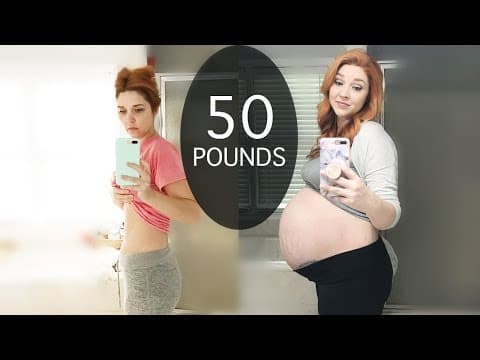
HOW I'M LOSING THE BABY WEIGHT | Postpartum fitness and diet routine
Weight Loss Tips After Pregnancy/How To Lose Weight After DeliveryIn Hindi

How To Lose Weight Fast After Delivery/C-Section Part-1 | Indian Mom
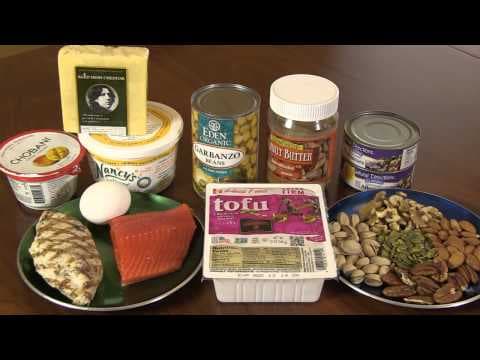
Pregnancy Fitness and Food
HOW I LOST THE BABY WEIGHT POST PREGNANCY
Questions about this article
- Asked when 38 weeks pregnant
Hello frnds..still no pain...doctor said head fix nhi hua hai..bt vagina me pain hai aur back pain bhi... anyone having same issues??
- Asked when 23 weeks pregnant
Kon kon c chije aisi hai jo pregnancy mei gas acidity jalan karti hain... Koi btayega plz bcz mujhe aksar khane ke baad hi samagh aata hai ki is chij se gas acidity jalan ho gyi hai. Please share your knowledge
- 14 weeks pregnant
I am 13 week pregnancy. Anyone having Storione-xt tablet. It better to have morning or night ???
- Asked when 10 weeks pregnant
Hlo to be moms....i hv a query...in my 9.5 wk i feel body joint pain like in ankle, knee, wrist, shoulder, toes....pain intensity is high...i cnt sleep....what should i do pls help....cn i cosult my doc.
- Asked when 33 weeks pregnant
Influenza and boostrix injection kisiko laga hai kya 8 month pregnancy me and q lagta hai ye plz reply me
Related Topics
.webp&w=32&q=75)
Recently Published Articles
Your body needs extra nutrition this trimester - these can help.
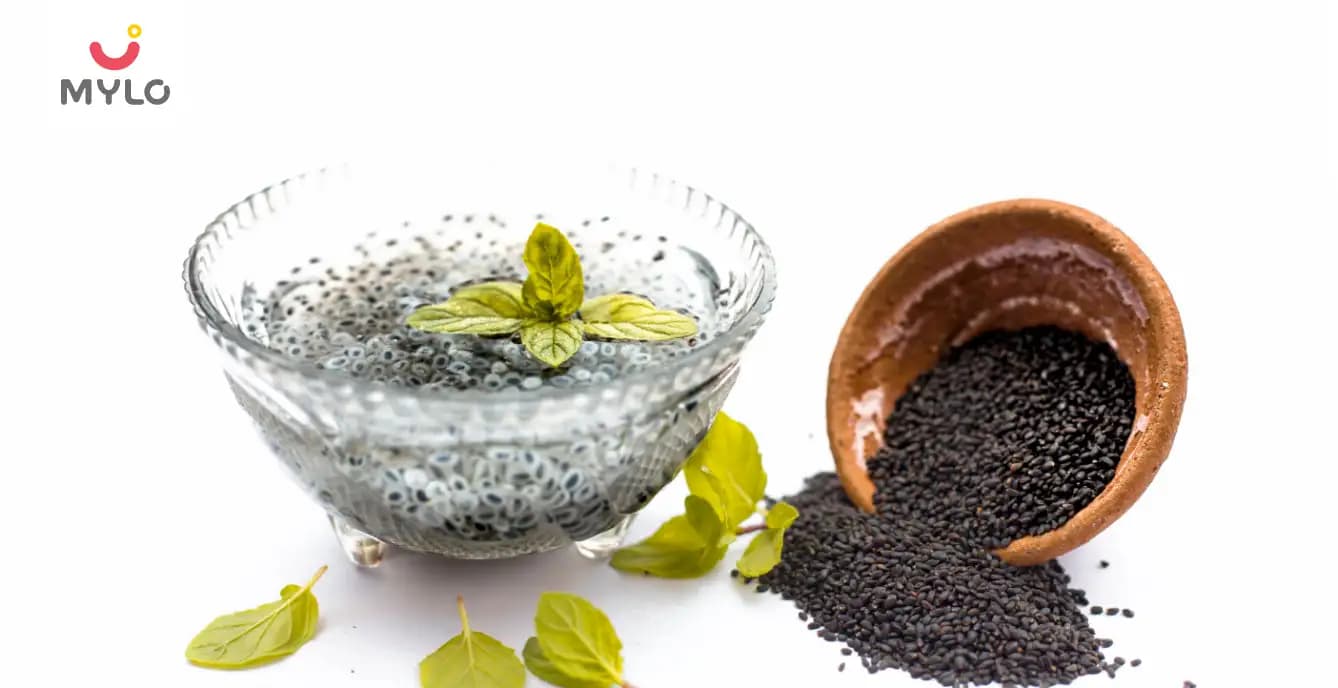
Sabja (Basil) Seeds During Pregnancy: Safe Daily Amount, Benefits, Side Effects and Trimester Guide (2026)
220+ Bengali Baby Girl Names with Meanings (2026): Modern, Uncommon, Goddess, A-Z and Dak Naam Collection for Your Little Princess

Smelly Farts and Gas During Pregnancy: Why It Happens, Trimester-by-Trimester Causes and Fast Home Relief (2026)

Baby Growth Stages Month-by-Month (0 to 12): The Complete 2026 Chart with Milestones, Weight, Height & Development Guide
60+ Gen Z & Gen Alpha Slangs Indian Parents Must Know in 2026: A Complete Decoder Guide
Medical Disclaimer
This content is for informational purposes only and should not replace professional medical advice. Consult with a physician or other health care professional if you have any concerns or questions about your health. If you rely on the information provided here, you do so solely at your own risk.


AWARDS AND RECOGNITION

Mylo wins Forbes D2C Disruptor award

Mylo wins The Economic Times Promising Brands 2022
AS SEEN IN












- Mylo Care: Effective and science-backed personal care and wellness solutions for a joyful you.
- Mylo Baby: Science-backed, gentle and effective personal care & hygiene range for your little one.
- Mylo Community: Trusted and empathetic community of 10mn+ parents and experts.


Product Categories
Baby Carrier | Baby Soap | Baby Wipes | Stretch Marks Cream | Baby Cream | Baby Shampoo | Baby Massage Oil | Baby Hair Oil | Stretch Marks Oil | Baby Body Wash | Baby Powder | Baby Lotion | Diaper Rash Cream | Newborn Diapers | Teether | Baby Kajal | Baby Diapers Pants | Cloth Diapers | Laundry Detergent | Lactation Granules |