


Orders
.png&w=48&q=75 "login")
Profile


Wallet

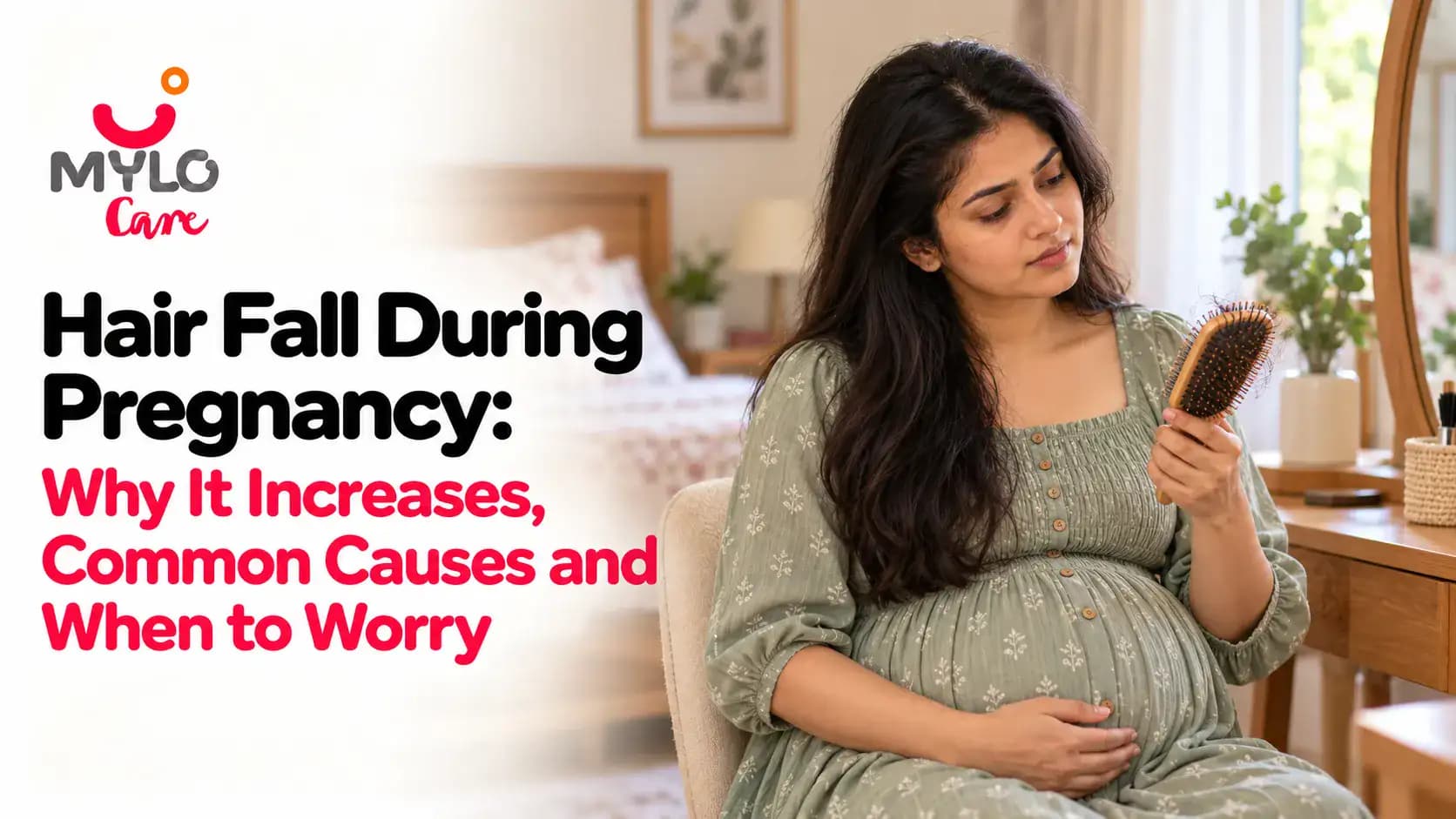
Hair Fall During Pregnancy: Why It Increases, Common Causes and When to Worry


MBBS, DGO, MRCOG(UK) · 15 years experience
 17 Likes|
 19 min
Key Takeaways
Quick overview in 30 seconds.webp&w=32&q=75)
- Hair fall during pregnancy is common and can be caused by hormonal changes, genetics, poor nutrition, scalp diseases, vitamin deficiencies like iron, and certain health disorders.
- Conditions such as hypothyroidism, PCOS, and side effects of certain medicines may also trigger excessive hair fall and need timely medical attention to prevent worsening.
- Regular oiling with argan, castor, amla, or onion oil, eating a balanced diet rich in vitamins, and avoiding heat styling can effectively control pregnancy hair fall.
- Looking for safe hair care products during pregnancy? Explore our Pre & Post Pregnancy Hairfall Serum with Onion - 50 ml.
.webp&w=1900&q=75)
 4.7
4.7Quick Answer
Many women actually enjoy fuller, thicker hair during pregnancy because rising estrogen keeps more hair in its growth phase. But some women experience increased hair fall instead, and that is usually not down to hormones alone. Nutritional deficiencies (especially iron), thyroid changes, physical or emotional stress, illness, severe morning sickness, or rapid hormonal shifts can all contribute. Mild, temporary shedding is often not serious. However, sudden heavy shedding, patchy bald spots, a rapidly widening parting, or hair fall alongside symptoms like extreme fatigue or weight changes should be discussed with a doctor, since these can signal an underlying, treatable cause.
Introduction
Pregnancy has a reputation for gorgeous hair: thick, glossy, and fuller than ever. So when you start noticing extra strands on your pillow, in the shower, or clogging your brush, it can feel confusing and even a little alarming. Weren't you supposed to have more hair right now?
The reality is that hair changes during pregnancy vary enormously from woman to woman. Some sail through with luxuriant locks; others notice thinning or increased shedding, sometimes even hair fall during early pregnancy in the first trimester. These differences come down to a mix of hormones, nutrition, physical stress, and any pre-existing health conditions you may have.
This guide explains why hair fall can increase during pregnancy, what is usually harmless versus what deserves attention, and the safe, practical steps you can take, without resorting to anything that could put you or your baby at risk.
Quick Reference: Possible Causes and What to Do
Possible Cause | What You May Notice | What to Do |
|---|---|---|
Hormonal changes | Mild, diffuse shedding | Monitor and follow gentle hair care |
Iron deficiency | Hair fall with fatigue or weakness | Speak to a doctor about evaluation |
Thyroid changes | Hair loss with weight, mood, or temperature changes | Seek medical advice |
Stress or illness | Sudden shedding after a stressful event | Focus on recovery and medical guidance |
Poor nutrition | Brittle or thinning hair | Improve diet with professional support |
Scalp condition | Itching, redness, flakes, or patches | Consult a dermatologist |
Is Hair Fall Normal During Pregnancy?
This is where a lot of articles oversimplify, so let us be accurate: it depends on the woman.
For many, pregnancy hormones reduce shedding, which is why hair looks thicker. As DermNet explains, more hairs stay in the growth phase during pregnancy, so less falls out than usual. But that is not everyone's experience. Some women do notice increased hair fall during pregnancy, and when they do, it is often driven by a nutritional, hormonal, medical, or lifestyle factor rather than being a "normal" part of pregnancy for everyone.
So increased shedding isn't universal, and it isn't automatically nothing. Mild, temporary thinning is frequently harmless, but noticeable or worsening hair fall is worth understanding rather than dismissing. Our overview on whether hair fall is normal in pregnancy is a useful companion read if you are trying to gauge where you fall on that spectrum.
Why Does Hair Fall Increase During Pregnancy?
When hair fall does increase during pregnancy, several factors can be behind it, often more than one at the same time:
Hormonal fluctuations, which can disrupt the usual hair-growth rhythm
Changes in the hair-growth cycle, pushing more hairs into the resting and shedding phase
Physical and emotional stress, a well-known shedding trigger
Iron deficiency, extremely common in pregnancy as iron needs rise
Low protein intake, since hair is built from protein
Vitamin D, zinc, or vitamin B12 deficiency, which can affect hair health
Thyroid disorders, which commonly influence hair growth
Severe nausea and vomiting, which can limit nutrient intake
Poor appetite, leading to nutritional gaps
Rapid weight changes
Illness, fever, or certain medications
Underlying scalp conditions, such as dermatitis or fungal issues
The mix matters, which is why the "fix" depends on the cause. According to StatPearls, common triggers of this kind of shedding include high fever, crash dieting, low protein intake, iron deficiency, and an underactive thyroid. If you suspect your diet is a factor, our guide on whether low protein is the hidden reason for hair fall in pregnancy goes into more detail.
Can Hair Fall Happen During Early Pregnancy?
Yes, and it catches many women off guard because the "thick pregnancy hair" narrative is so strong. In the first trimester, increased shedding can happen due to:
Sudden hormonal changes as your body rapidly adjusts
Morning sickness reducing how much you can eat and keep down
Reduced food intake and the nutritional gaps that follow
Dehydration, particularly with frequent vomiting
Stress, emotional and physical
Nutritional deficiencies, especially iron
Thyroid changes, which sometimes surface early in pregnancy
A little early shedding is often not serious. But heavy or rapidly worsening hair loss in early pregnancy shouldn't be brushed off. It can point to something addressable like low iron or a thyroid shift. If you want to understand the trimester-wise timing and how to manage it, Mylo's piece on when hair fall starts during pregnancy and how to resolve it is a helpful reference.
How Do Pregnancy Hormones Affect Hair?
Here is the simple version. Your hair is always cycling through three stages: a long growth phase, a brief transition, and a resting phase before each strand sheds and is replaced. Normally these are staggered, so shedding is gradual and unnoticeable.
During pregnancy, higher estrogen tends to extend the growth phase, keeping more hairs growing and fewer resting. That is the mechanism behind thicker pregnancy hair. But hormone responses aren't identical for everyone, and other pressures (stress, illness, nutritional gaps) can still push a batch of hairs into the resting phase and out. This shedding response is called telogen effluvium, and it can happen during pregnancy, not only afterward. So two women with the same hormones can have very different hair experiences depending on everything else going on in their bodies.
Can Iron Deficiency Cause Hair Fall During Pregnancy?
Yes, and it is one of the most common contributors. Pregnancy significantly increases your iron requirements as your blood volume expands and your baby develops. According to the American College of Obstetricians and Gynecologists, iron deficiency is the most common cause of anaemia in pregnancy, and the recommended daily iron intake rises to 27 mg. A review in the Journal of the American Academy of Dermatology found that low iron may contribute to hair shedding in women, and that treating it can improve hair loss treatment.
Iron deficiency often comes with other clues, including:
Fatigue and low energy
Weakness
Dizziness
Breathlessness
Pale skin
Heart palpitations
If several of these sound familiar alongside your hair fall, mention it to your doctor. Importantly, don't self-prescribe iron supplements. Too much iron carries its own risks, and the right dose depends on your levels. A doctor can arrange a simple blood test and advise on dosage safely.
Can Thyroid Problems Cause Hair Loss During Pregnancy?
They can. Both underactive and overactive thyroid conditions can disrupt hair growth and lead to thinning or increased shedding, and thyroid dysfunction is one of the more common complications of pregnancy.
Signs that a thyroid issue might be involved include:
Unexplained weight changes
Feeling unusually cold or hot
Constipation
Palpitations
Mood changes
Extreme tiredness
Hair fall alongside any of these deserves medical evaluation. Thyroid conditions in pregnancy matter for more than hair; they can affect both you and your baby, so they are worth checking and managing properly. A doctor can test thyroid function and treat it if needed.
Can Morning Sickness Contribute to Hair Fall?
Indirectly, yes. Ongoing nausea, frequent vomiting, dehydration, and a reduced ability to eat can leave your body short on the nutrients that support healthy hair, and the physical strain itself can add to shedding.
In most cases morning sickness eases and nutrition recovers, but a severe form called hyperemesis gravidarum, marked by relentless vomiting, an inability to keep food or fluids down, and weight loss, needs medical care. If you are struggling to eat or stay hydrated, don't tough it out alone; speak to your doctor, both for your wellbeing and your baby's. Our guide to nausea and vomiting in pregnancy covers relief tips and warning signs.
Can Stress Cause Hair Fall During Pregnancy?
Yes. Significant emotional stress, illness, high fever, disrupted sleep, or physical strain can all push more hairs into the resting phase, leading to increased shedding. Pregnancy comes with plenty of all of the above.
One quirk worth knowing: stress-related shedding is often delayed. StatPearls notes that this type of shedding usually shows up a few months after the trigger, which can make the cause confusing. If your shedding follows a period of high stress or sickness, that timing gap is likely why.
What Does Concerning Hair Loss During Pregnancy Look Like?
Most pregnancy shedding is mild and manageable. But these signs mean it is time to see a doctor rather than wait:
Sudden heavy shedding that feels dramatic
Clearly defined bald patches, rather than even thinning
A rapidly widening parting or see-through areas
Eyebrow or eyelash loss
Scalp pain, redness, sores, or severe itching
Hair breakage close to the scalp
Hair fall with extreme fatigue or weight changes
Persistent shedding that keeps getting worse
These can indicate an underlying condition worth diagnosing and treating, such as iron deficiency, a thyroid problem, a scalp disorder, or another form of hair loss.
How Can I Reduce Hair Fall Safely During Pregnancy?
You can't guarantee zero shedding, but you can support healthier hair and avoid making things worse. Pregnancy-safe steps:
Eat adequate protein at each meal to give hair its building blocks.
Include iron-rich foods like lentils, leafy greens, and beans.
Add zinc, vitamin D, vitamin B12, and healthy fats through food where possible.
Stay well hydrated, especially if you have had nausea or vomiting.
Avoid crash diets and rapid weight-loss attempts during pregnancy.
Use a wide-tooth comb and detangle gently from the ends up.
Skip tight hairstyles that pull on the roots.
Reduce heat styling and chemical treatments while hair is fragile.
Use a gentle shampoo and conditioner suited to your hair.
Manage stress where you realistically can.
Rest and sleep whenever it is possible.
Discuss any supplements with your doctor before starting them.
.webp)

No remedy can fully prevent pregnancy-related hair fall, especially when hormones or an underlying condition are driving it. For gentle, practical routines that are safe in pregnancy, Mylo's guide on how to deal with hair fall during pregnancy has approachable tips.
Nutrients That Support Healthy Hair in Pregnancy
Food won't override hormones, but good nutrition supports hair health and helps prevent a fixable deficiency from making shedding worse. A review in Dermatology and Therapy highlights iron, zinc, and vitamin D among the nutrients most linked to hair health. Key nutrients:
Nutrient | Why It Matters | Pregnancy-Friendly Food Sources |
|---|---|---|
Protein | Supports normal hair structure and maternal tissue growth | Dal, paneer, curd, eggs, soy, fish, chicken |
Iron | Supports healthy red blood cells and oxygen transport | Lentils, beans, leafy greens, meat |
Zinc | Supports normal tissue and hair health | Seeds, nuts, dairy, legumes |
Vitamin D | Supports overall health and normal follicle function | Fortified foods, eggs, medically advised supplementation |
Vitamin B12 | Supports red blood cell and nerve health | Dairy, eggs, meat, fortified foods |
Omega-3 fats | Support general nutrition and scalp health | Walnuts, chia seeds, flaxseeds, low-mercury fish |
No single nutrient cures hair loss. Aim for a balanced diet, and follow your doctor's guidance on any supplements, including your prenatal vitamin.
Which Hair Fall Treatments Are Safe During Pregnancy?
The honest answer: it depends entirely on the cause, and pregnancy narrows your safe options considerably. The single most important rule is to check with your doctor before using any active treatment, because several common ones aren't recommended while pregnant.
Talk to your doctor before using any of the following during pregnancy:
Hair-growth serums
Medicated shampoos
Herbal supplements
High-dose vitamins
Prescription treatments
Essential oils (some aren't advised in pregnancy)
One specific point worth flagging: minoxidil is generally not recommended during pregnancy unless a qualified doctor specifically advises it. The official product information for a common minoxidil foam states it should not be used during pregnancy or breastfeeding. Many over-the-counter hair-growth products contain it, so read labels and ask before use.
If the cause is nutritional or a treatable condition like low iron or a thyroid issue, addressing that root cause under medical guidance is usually the safest and most effective path.
When Should I See a Doctor?
Reach out to your doctor if you experience:
Severe or sudden hair loss
Bald patches
Scalp inflammation, sores, or persistent itching
Hair loss with extreme fatigue, weakness, dizziness, or breathlessness
Symptoms suggesting a thyroid problem
Ongoing vomiting or poor food intake
Hair loss that keeps worsening
Any concern about medicines or supplements you are taking
Based on your symptoms and history, your doctor may consider blood tests, for example to check iron or thyroid levels, and guide safe next steps. Getting checked isn't overreacting; it is the sensible move when something doesn't feel right.
Can Pregnancy Nutrition Support Healthier Hair?
Here is the balanced framing. Hair fall during pregnancy can be influenced by nutrition, so eating well genuinely supports your overall health and the condition of your hair. But nutrition is supportive care, not a cure, and no product can override the hormonal or medical factors that may be driving shedding.
That is the honest role for good nutrition and supportive products: helping you meet the increased demands of pregnancy and filling gaps when nausea, fatigue, or a busy life make balanced meals hard. Mylo's pregnancy nutrition range and upcoming hair-support options are designed with this in mind. They offer protein-rich, nutrient-supportive choices that complement a good diet, alongside diet guidance and expert consultations for when you want personalised advice.
To be completely clear: no Mylo product, and no product from any brand, can stop, prevent, reverse, or cure pregnancy hair fall. Think of nutrition as nourishing your body through a demanding time, while your doctor helps address any underlying cause. Educate yourself first, and treat products as one supportive piece of the picture, not the solution.
Key Takeaway
Hair fall during pregnancy is not always caused by hormones alone. Nutrition, thyroid health, stress, illness, and scalp conditions can also play a role, so sudden or severe shedding deserves proper medical evaluation.
Frequently Asked Questions
Is hair fall normal during pregnancy?
It varies. Many women have thicker hair thanks to hormones, but some experience increased shedding due to nutrition, stress, thyroid, or iron issues. Mild shedding is often harmless; sudden or severe hair fall should be checked.
Why am I losing hair in early pregnancy?
First-trimester shedding can stem from rapid hormonal changes, morning sickness limiting nutrition, dehydration, stress, or low iron. A little is often normal, but heavy or worsening loss deserves a doctor's evaluation.
Which trimester causes the most hair fall?
Increased shedding during pregnancy itself is less common than after delivery, and timing varies. Some women notice it early with hormonal shifts or nausea; for most, the heaviest shedding happens postpartum, not during pregnancy.
Does hair fall during pregnancy mean it's a boy or a girl?
No. This is a popular myth, but there is no scientific evidence that hair fall, or thicker hair, predicts your baby's sex. Hair changes in pregnancy depend on your hormones, nutrition, stress and health, not on whether you are carrying a boy or a girl.
Is hair fall in the first or second trimester normal?
Some shedding can happen in either trimester. In the first trimester it is often linked to sudden hormonal changes, morning sickness or low food intake. In the second trimester, many women actually notice thicker hair. Heavy or worsening shedding in any trimester is worth checking with your doctor.
Can low iron cause hair fall during pregnancy?
Yes. Iron needs rise sharply in pregnancy, and deficiency can cause diffuse shedding, often with fatigue, breathlessness, or dizziness. Ask your doctor about testing rather than self-prescribing iron.
Can thyroid problems cause pregnancy hair loss?
They can. Thyroid imbalances can cause thinning or shedding, usually alongside weight, mood, temperature, or energy changes. Thyroid issues in pregnancy need medical evaluation and management.
Does morning sickness cause hair loss?
Indirectly. Prolonged nausea, vomiting, dehydration, and reduced eating can leave you short on hair-supporting nutrients. Severe, persistent vomiting (hyperemesis gravidarum) needs medical care.
Can stress increase hair fall during pregnancy?
Yes. Emotional stress, illness, fever, or poor sleep can push hairs into the shedding phase. Notably, this shedding often appears weeks or months after the trigger.
What vitamins help with hair fall during pregnancy?
There is no magic vitamin, but adequate protein, iron, zinc, vitamin D, and B12 support hair health. Get these from a balanced diet, and only take supplements your doctor recommends.
Which hair treatments are safe during pregnancy?
It depends on the cause, and many active treatments aren't advised in pregnancy. Always check with your doctor before using serums, medicated shampoos, supplements, or essential oils.
Can I use hair-growth serum while pregnant?
Not without medical advice. Many hair-growth products contain minoxidil, which is generally not recommended during pregnancy unless a qualified doctor specifically advises it. Always check the label and ask first.
Will pregnancy hair loss stop after delivery?
Hair changes usually settle after birth, though many women then experience a separate wave of postpartum shedding around 2 to 4 months after delivery. According to the American Academy of Dermatology, this is also temporary, and most women regain normal fullness by their child's first birthday. Read more in our guide on how long postpartum hair loss lasts.
When should I see a doctor for hair fall during pregnancy?
See a doctor for severe or sudden shedding, bald patches, scalp inflammation, or hair loss with fatigue, weakness, or weight changes, or if you are worried about any medicine or supplement.
References
Hair Fall Control Kit for Moms
Stronger, healthier hair after pregnancy



Article Posted Under
Related Articles
Related Topics
.webp&w=32&q=75)
Medical Disclaimer
This content is for informational purposes only and should not replace professional medical advice. Consult with a physician or other health care professional if you have any concerns or questions about your health. If you rely on the information provided here, you do so solely at your own risk.


AWARDS AND RECOGNITION

Mylo wins Forbes D2C Disruptor award

Mylo wins The Economic Times Promising Brands 2022
AS SEEN IN













- Mylo Care: Effective and science-backed personal care and wellness solutions for a joyful you.
- Mylo Baby: Science-backed, gentle and effective personal care & hygiene range for your little one.
- Mylo Community: Trusted and empathetic community of 10mn+ parents and experts.


Product Categories
Baby Carrier | Baby Soap | Baby Wipes | Stretch Marks Cream | Baby Cream | Baby Shampoo | Baby Massage Oil | Baby Hair Oil | Stretch Marks Oil | Baby Body Wash | Baby Powder | Baby Lotion | Diaper Rash Cream | Newborn Diapers | Teether | Baby Kajal | Baby Diapers Pants | Cloth Diapers | Laundry Detergent | Lactation Granules |