


Orders

Profile

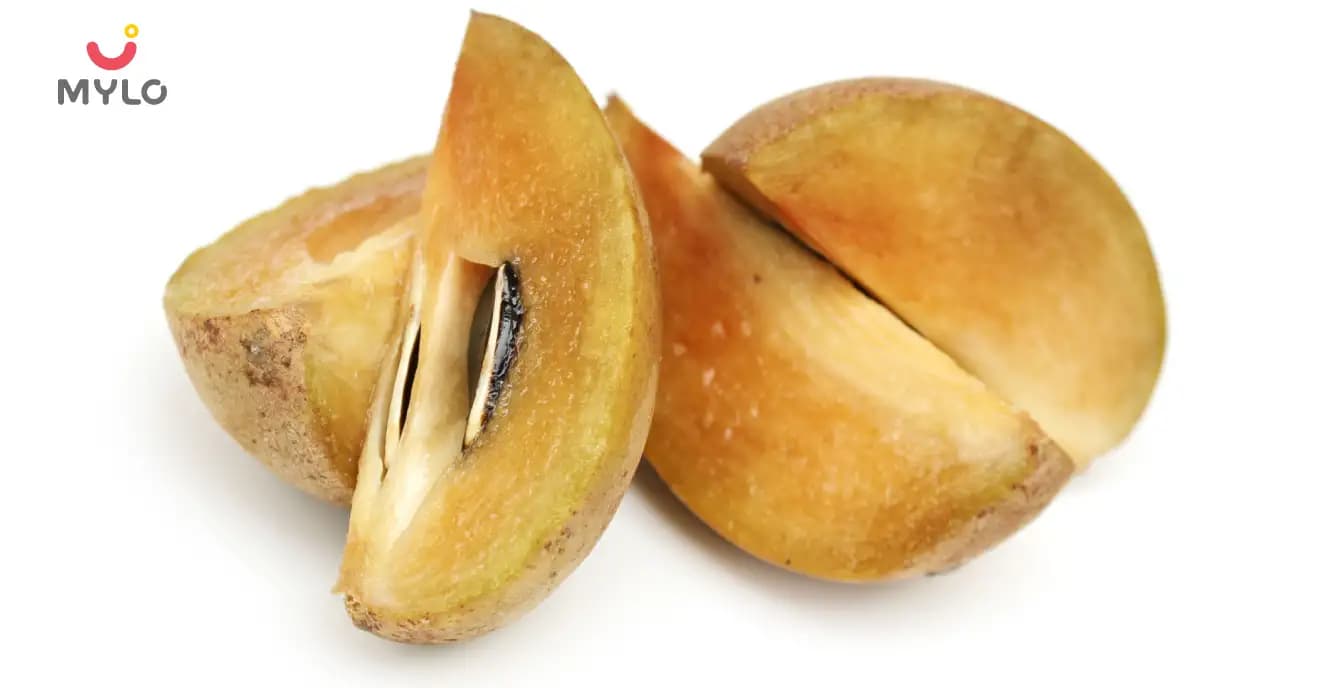
Chikoo (Sapota) in Pregnancy: Is It Safe? Benefits, Risks & Daily Limit
 6 Likes|
 8 min
8 min

diabetes, hypertension, obesity and also looked into pregnancy, lactation cases · 5 years experience
AI-Generated Summary
Quick overview in 30 seconds.webp&w=32&q=75)
Summary
- Chikoo (sapota) is safe and nutritious during pregnancy, offering instant energy, fibre, iron, calcium, and antioxidants that support immunity, digestion, and healthy foetal development.
- Pregnant women can safely eat 1-2 medium chikoos daily, but excess intake may cause weight gain, blood sugar spikes, or diarrhea, especially with gestational diabetes.
- Choose ripe chikoos that are slightly soft and sweet-smelling, store properly, remove seeds before eating, and avoid raw chikoo as it contains irritating tannins and latex.
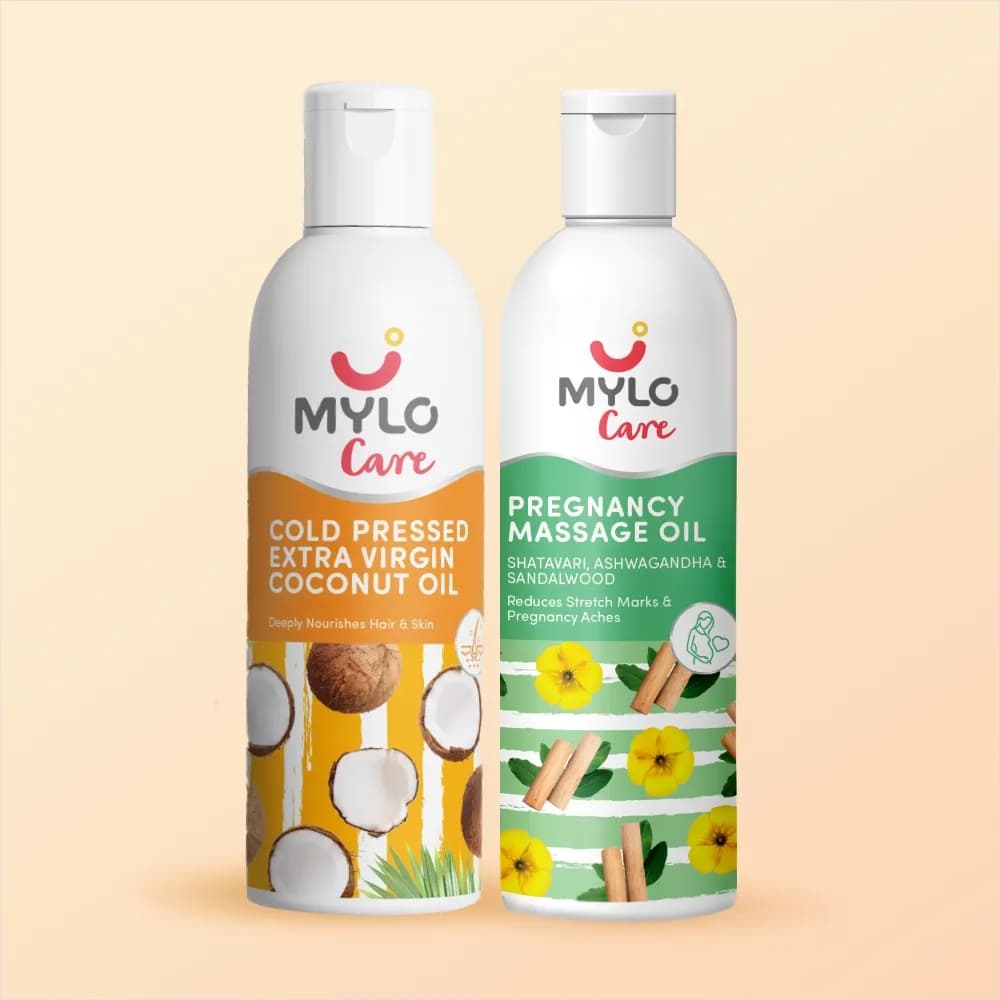
- Looking for healthy pregnancy nutrition support? Explore our Pregnancy Massage Oil + Coconut Oil - 200 ml each.
 4.7
4.7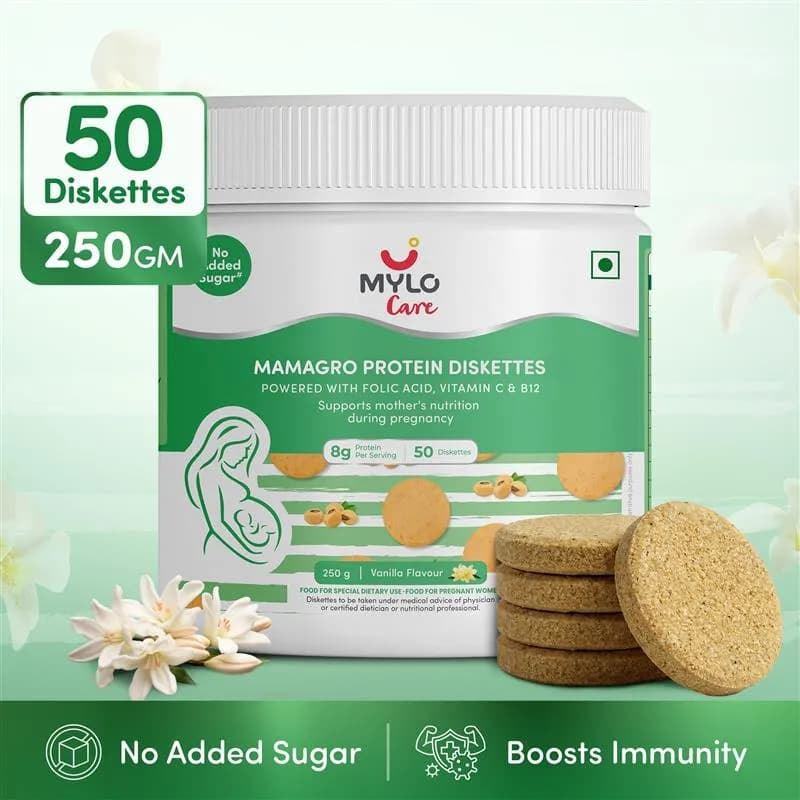 4.3
4.3Pregnancy is a crucial time for a woman, and it is essential to have a balanced and nutritious diet for the healthy growth of the unborn child. Sapota, also known as Chikoo, is a delicious tropical fruit that is commonly found in India and other parts of the world. It is rich in nutrients, fiber, and antioxidants, making it a healthy addition to a pregnant woman's diet. However, like any other food, it is essential to understand the benefits and side effects of consuming Sapota during pregnancy.
In this article, we will explore the advantages and disadvantages of consuming Chiku in pregnancy and also dicuss, how to choose and store it to avoid any potenital health issues.
What is the nutritional value of chikoo (sapota) during pregnancy?
One medium chikoo (around 100g) delivers 83 calories, 20g carbs, 5g fibre, 0.8mg iron, 14mg vitamin C, plus calcium, potassium, and folate. This Indian fruit is also rich in antioxidants like polyphenols and tannins, making sapota a nutrient-dense natural snack for expecting mothers seeking energy and immunity support.
Sapota, also known as chikoo or naseberry, is a highly nutritious fruit with many health benefits. It is rich in vitamins, minerals, and antioxidants that can provide a healthy boost to a pregnant woman's diet. Sapota is rich in calcium, iron, phosphorus, and other essential minerals that can help strengthen bones and improve digestive tract health. Additionally, it contains vitamins A and C, which can boost immunity, improve skin health, and prevent heart disease. However, excessive consumption of chikoo during pregnancy can lead to side effects and should be avoided.
How many chikoos can I eat per day during pregnancy?
Pregnant women can safely eat 1-2 medium-sized chikoos per day, providing around 160 calories and 10g fibre. Avoid exceeding this limit as chikoo is naturally high in sugars (around 14g per fruit) and may cause blood sugar spikes. Always consult your doctor if you have gestational diabetes before adding sapota.
Doctors often advise pregnant women to increase their daily intake of fresh fruits. Sapota, which has high nutritional value, can be safely consumed by all pregnant women unless their doctor advises against it. There is no specific quota for how many Sapotas a pregnant woman can eat during pregnancy. But, as the fruit is high in calories and sugar content, it is advisable to limit intake to 100 gms of fruit per day. This will help pregnant women to reduce the chances of excessive weight gain and other medical complications.
You may also like: Mango in Pregnancy: Is it Safe to Eat?
What are the benefits of eating chikoo during pregnancy?
Chikoo boosts pregnancy health with natural energy from 20g carbs, 5g fibre that eases constipation, iron that prevents anaemia, folate for foetal brain development, and electrolytes that reduce nausea. Its antioxidants strengthen immunity, while calcium supports bone growth - making sapota a wholesome snack for moms-to-be across all three trimesters.
By eating Chikoo during pregnancy, women can get many benefits like
1. Instant energy boost
Chikoo has a high sucrose content which helps to give instant energy. Eating this fruit as a mid-morning snack is a great way for pregnant women to maintain good energy levels between meals.
2. Improved digestion
Constipation is a common complaint among pregnant women. Eating Sapota during pregnancy will help to aid digestion as the fruit has good fibre content. It also helps to relieve nausea and reduces inflammation in the stomach.
3. Strengthens bones
Pregnant women need extra calcium and are often prescribed supplements to maintain proper levels. Chikoo fruit is a natural source of nutrients like calcium, potassium, and iron.
4. Regulates blood pressure
Consuming Chikoo fruit can also help to regulate blood pressure in pregnant women. This fruit has good levels of magnesium and potassium, which are essential for keeping blood pressure in check.
How do I choose and store chikoo safely during pregnancy?
Pick chikoos that yield slightly to gentle pressure, have smooth brown skin, and smell sweet - avoid hard, green, or bruised ones. Ripen at room temperature for 2-3 days, then refrigerate for up to 5 days. Wash thoroughly before eating and remove all black seeds, which are inedible and potentially harmful.
Pregnant women should choose their fruits and vegetables carefully to avoid health issues. Selecting a good Sapota fruit is tricky as it is hard to find ripened fruits in the market.
Tips for selecting Chiku in pregnancy:
-
Select Sapotas, which are hard to touch.
-
Check the fruits for blemishes or holes.
-
Discard fruits that emit a bad odour or have wrinkled skin.
-
Fruits that have visible white sap on them have been freshly picked. So try to choose such fruits from the market.
You may also like: Food Poisoning During Pregnancy: Causes, Symptoms & Treatment
Tips for storing Sapota in pregnancy:
-
After buying the Sapota fruits, you should clean and dry them.
-
Place the dry fruits in a rice container to help them ripen faster.
-
Check on the fruits once a day to ensure they do not get spoilt or overripe.
Pregnant women should only eat ripened Sapotas that have a sweet smell and taste.
What are the side effects of eating chikoo during pregnancy?
Overeating chikoo during pregnancy can cause blood sugar spikes due to 14g natural sugar per fruit, weight gain, stomach pain, or allergic reactions in sensitive individuals. Unripe sapota contains tannins and latex that may irritate the mouth and digestive system. Seeds are toxic and must be removed completely before consumption.
Most pregnant women who eat the recommended amount of Chikoo fruits during pregnancy do not experience any side effects. But, for some pregnant women, excessive consumption of this fruit can cause side effects like
1. Excess weight gain
Chikoo fruits are high in calories, so overeating these fruits during pregnancy can cause unnecessary weight gain for the mother-to-be. This excess weight gain can lead to other health complications. As a result, it's better to practice moderation.
2. Increased blood sugar levels
Chikoo fruit contains high sucrose and fructose levels. Excess consumption of Chiku in pregnancy can increase the blood sugar levels and cause gestational diabetes. So, women with diabetes, gestational diabetes or at a risk of developing it should avoid sapotas.
3. Diarrhea
Overeating Chikoo fruit during pregnancy can cause diarrhea. This can result in rapid dehydration and other medical complications, so make sure not to overindulge in Chikoo during pregnancy.
How do I make a healthy chikoo milkshake for pregnancy?
Blend 1 ripe deseeded chikoo with 1 cup chilled low-fat milk, 1 teaspoon honey, a pinch of cardamom, and 2-3 soaked almonds until smooth. This pregnancy-friendly milkshake delivers around 200 calories, 8g protein, calcium, and iron in one glass - perfect for beating fatigue and boosting nutrition in the second trimester.
The best way for pregnant women to have the recommended amount of Chikoo fruit and satisfy their cravings is to turn it into a milkshake. Here is a quick recipe to make a healthy Chikoo milkshake.
Ingredients
-
1 or 2 ripened Chikoo fruits
-
1 cup milk
Directions
It's best to avoid adding sugar since Chikoo fruit is already high in sugar content. If you must add some sweetener, you can add 1tsp of honey. Add all the ingredients to a blender and run it for a couple of minutes to get a thick Chikoo milkshake.
Eating sapota during pregnancy is absolutely safe. But pregnant women must eat this fruit in moderation to avoid extra weight gain and gestational diabetes. Pregnant women should take their doctor's advice before including Chiku in pregnancy diet.
References
1. Baskar,M; Hemalatha,G; Muneeshwari, P. (2020). Traditional and Medicinal Importance of Sapota – Review. Department of Food Science and Nutrition
2. Milind, P et al. (2015). Chickoo: A wonderful gift from nature. Guru Jambheshwar University of Science and Technology
Is chikoo safe in first trimester?
Yes, chikoo is safe in all trimesters. Provides instant energy and iron. Choose ripe chikoo only — raw chikoo can cause throat irritation.
How many chikoo per day during pregnancy?
1-2 chikoo per day is safe. High in natural sugar, so limit if you have gestational diabetes.
Can chikoo cause gestational diabetes?
Chikoo has high natural sugar content. It won't cause GD but should be limited if you already have GD. Monitor blood sugar.
Is chikoo milkshake safe during pregnancy?
Yes, chikoo milkshake is safe and nutritious. Use less sugar or honey. Good source of calcium and energy.
Can eating raw chikoo during pregnancy be harmful?
Raw/unripe chikoo contains latex and tannins that can cause mouth ulcers and throat irritation. Always eat fully ripe chikoo.
Trusted by Mamas Nourishing Their Pregnancy Journey
Pair wholesome fruits like chikoo with gentle prenatal essentials that support your energy, digestion, and baby's healthy growth.
Pregnancy Massage Oil + Coconut Oil - 200 ml each



MamaGro™ Protein Diskettes - High Protein & No Added Sugar - 250gm (50 Diskettes)
High Protein Pregnancy Biscuits | Supports Healthy Placenta | Supports Fetal Development | Easy To Digest


Related Articles
Related Topics
.webp&w=32&q=75)
Medical Disclaimer
This content is for informational purposes only and should not replace professional medical advice. Consult with a physician or other health care professional if you have any concerns or questions about your health. If you rely on the information provided here, you do so solely at your own risk.


AWARDS AND RECOGNITION

Mylo wins Forbes D2C Disruptor award

Mylo wins The Economic Times Promising Brands 2022
AS SEEN IN












- Mylo Care: Effective and science-backed personal care and wellness solutions for a joyful you.
- Mylo Baby: Science-backed, gentle and effective personal care & hygiene range for your little one.
- Mylo Community: Trusted and empathetic community of 10mn+ parents and experts.


Product Categories
Baby Carrier | Baby Soap | Baby Wipes | Stretch Marks Cream | Baby Cream | Baby Shampoo | Baby Massage Oil | Baby Hair Oil | Stretch Marks Oil | Baby Body Wash | Baby Powder | Baby Lotion | Diaper Rash Cream | Newborn Diapers | Teether | Baby Kajal | Baby Diapers Pants | Cloth Diapers | Laundry Detergent | Lactation Granules |