


Orders
.png&w=48&q=75 "login")
Profile


Wallet

Food Poisoning During Pregnancy: Symptoms, Risks & What to Do
 478 Likes|
 9 min
9 minKey Takeaways
Quick overview in 30 seconds.webp&w=32&q=75)
Summary
- Food poisoning during pregnancy occurs from bacteria, viruses or toxins in food, causing symptoms like vomiting, nausea, diarrhea, headache, fever, abdominal pain and dehydration.
- Expecting mothers are more vulnerable due to weakened immunity, hormonal changes and altered metabolism, making it harder to fight germs that cause foodborne illnesses like listeriosis, salmonella and E. coli.
- Prevention involves washing hands and produce thoroughly, cooking food at high temperatures, refrigerating leftovers promptly, and avoiding unpasteurized dairy, deli meats, raw seafood and undercooked meats.
- Looking for safe pregnancy nutrition essentials? Explore our Baby Wellness Kit | Skincare Gift Set for Newborns.
TL;DR
Food poisoning happens when you eat something carrying harmful bacteria, a virus or a toxin, causing vomiting, nausea and diarrhoea. In pregnancy it needs extra care, because your immune system is naturally more relaxed and some infections (like listeriosis) can seriously affect your baby (NHS). The main risks are dehydration for you and, with certain germs, harm to the baby. The most important steps are to rehydrate with small, frequent sips of water and an oral rehydration solution (ORS), and to contact your doctor promptly, do not just wait it out or self-medicate. Get urgent care for high fever, blood in your stool or vomit, inability to keep fluids down, signs of dehydration, or reduced baby movements. Prevent it with careful food hygiene, thorough cooking, and avoiding high-risk foods.
Quick Answer
Food poisoning in pregnancy causes vomiting, nausea, diarrhoea and sometimes fever and tummy pain, from eating contaminated food. Pregnant women are more vulnerable and some infections can affect the baby, so it should be taken seriously. Sip water and ORS to prevent dehydration, and call your doctor promptly rather than treating it alone or taking medicines without advice. Seek urgent care for high fever, bloody stools, persistent vomiting, dehydration, or reduced fetal movement. Prevent it by washing hands and produce, cooking food thoroughly, refrigerating leftovers, and avoiding unpasteurised dairy, raw or undercooked meat and fish, and other high-risk foods.
Author: Mylo Editorial Team, Mylo Parenting Desk Medically reviewed by: Mylo Editorial Board, aligned with NHS, CDC and FOGSI guidance Last updated: 8 July 2026
Medical Disclaimer: This article is for informational purposes only and is not a substitute for professional medical advice. Do not take anti-diarrhoeal medicines, antibiotics or any drug for food poisoning without your doctor's advice in pregnancy. Seek urgent care for high fever, blood in stool or vomit, severe dehydration, inability to keep fluids down, severe abdominal pain, contractions, or reduced baby movements.
Key Takeaways
- Food poisoning comes from bacteria, viruses or toxins in food, causing vomiting, nausea and diarrhoea
- Pregnant women are more vulnerable due to natural immune changes (NHS)
- Some infections, especially listeriosis, can seriously harm the baby
- The biggest immediate risk to you is dehydration
- Rehydrate with small, frequent sips of water and ORS
- Contact your doctor promptly; do NOT self-medicate
- Get urgent care for high fever, bloody stools, persistent vomiting, dehydration or reduced fetal movement
- Prevent it with good hygiene, thorough cooking and avoiding high-risk foods
Why Are Pregnant Women More Prone to Food Poisoning?
During pregnancy, your immune system naturally becomes a little more relaxed so your body does not reject the baby, and there are changes in metabolism and circulation. This makes it a bit harder to fight off germs that can travel on food, so pregnant women are more vulnerable to food poisoning and can sometimes become more unwell from it (NHS).
Symptoms of Food Poisoning in Pregnancy
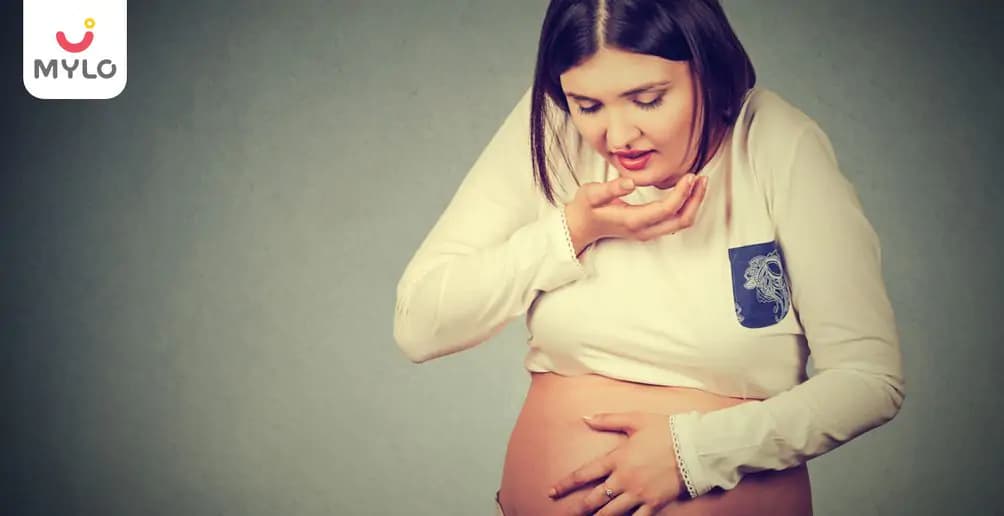
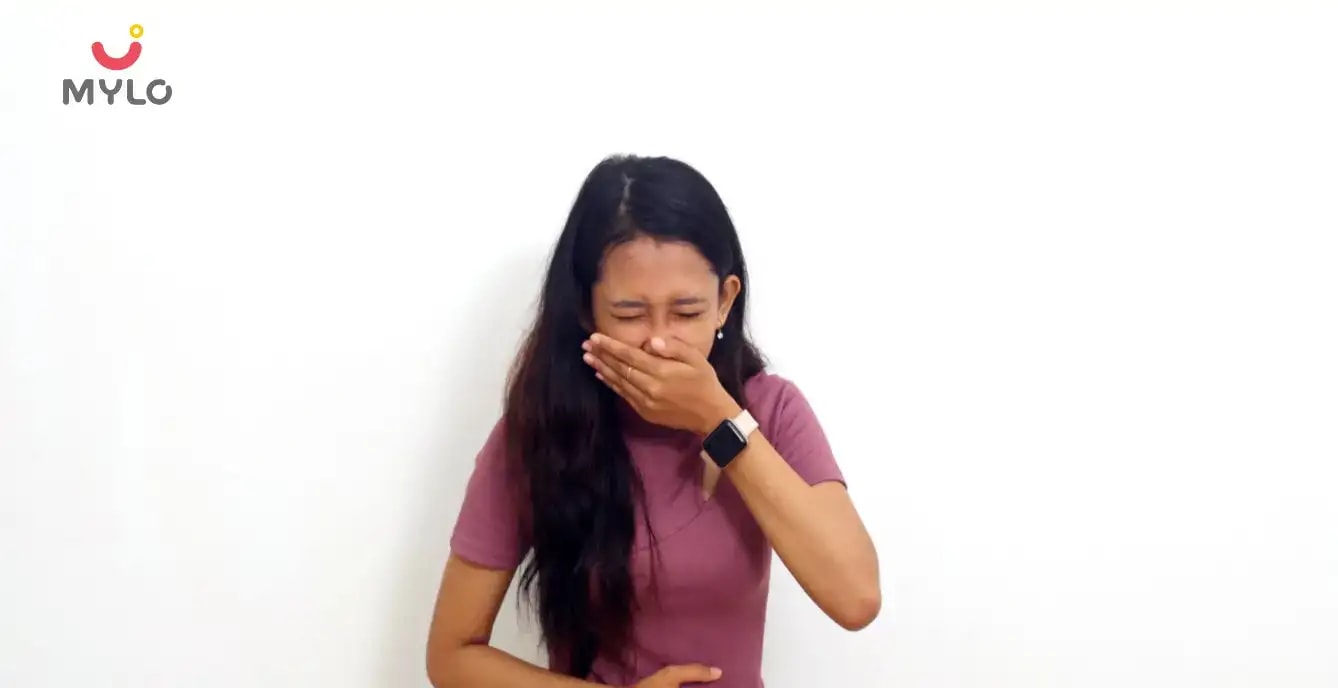
Besides vomiting, nausea and diarrhoea, food poisoning may cause:
- Headache
- Abdominal pain or cramping
- Fever
- Signs of dehydration (excessive thirst, dry lips, little urine, dizziness)
- Blood in the stool (needs urgent review)
Because nausea and vomiting can also be normal pregnancy symptoms, it can be hard to tell them apart. If you are unsure, or symptoms are strong or come with fever or diarrhoea, contact your doctor.
Common Types of Food Poisoning in Pregnancy
| Type | Notes |
|---|---|
| Listeriosis (Listeria) | Especially dangerous in pregnancy; can cross to the baby and cause miscarriage, stillbirth or serious illness, sometimes from foods eaten weeks earlier |
| Salmonella | Can cause severe illness; rarely reactive arthritis or more serious infection |
| E. coli | Can cause bloody diarrhoea and, rarely, kidney problems |
| Norovirus | Causes vomiting and diarrhoea; main risk is dehydration |
All of these can be risky for mother and baby if untreated, so see your doctor promptly if you suspect a foodborne illness.
How Is Food Poisoning Treated in Pregnancy?
The main goals are to prevent dehydration and to get medical guidance early.
- Rehydrate steadily: take small, frequent sips of clean water and an oral rehydration solution (ORS) to replace lost fluids and salts, even if you feel sick, keep sipping
- Use safe water only: drink from a clean, purified home filter or sealed bottled source
- Rest and reintroduce bland foods gradually as you feel able
- Do not self-medicate: avoid anti-diarrhoeal or over-the-counter medicines and antibiotics unless your doctor prescribes them
- Call your doctor promptly: you may need prescribed treatment, and some infections (like Listeria) need specific care
Severe dehydration may need hospital treatment with IV fluids, so tell your doctor early if you cannot keep fluids down or notice dehydration signs.
When to Seek Urgent Medical Care
Contact your doctor or go to hospital urgently if you have:
- A high fever
- Blood in your stool or vomit
- Vomiting or diarrhoea that will not stop, or you cannot keep any fluids down
- Signs of dehydration (very little urine, dizziness, dry mouth)
- Severe abdominal pain or cramping
- Contractions, or reduced or no baby movements
These can signal serious dehydration or an infection affecting the baby, and need prompt attention.
Possible Complications
Beyond dehydration, food poisoning in pregnancy can occasionally lead to:
- Listeriosis: long-term problems for the baby, miscarriage or stillbirth
- E. coli: damage to blood vessel lining or, rarely, kidney problems (often with bloody stools)
- Salmonella: rarely, reactive arthritis, meningitis or blood infection
- Norovirus: rarely, poor nutrition if vomiting is prolonged
In extreme cases food poisoning can lead to miscarriage or stillbirth, which is exactly why prompt care and prevention matter so much.
How to Prevent Food Poisoning During Pregnancy
Good food hygiene is your best protection:
- Wash hands with soap and water before and after handling food
- Wash fruits and vegetables thoroughly before eating or cooking
- Cook food fully and to a high temperature to kill germs
- Refrigerate or freeze perishable foods, and refrigerate leftovers promptly
- Keep raw meat, fish and poultry separate; wash knives, boards and dishes before and after use
- Do not eat food that has been left out or is past its expiry
Foods to avoid throughout pregnancy:
- Unpasteurised dairy, such as raw milk or soft cheeses
- Deli meats or hot dogs unless heated until steaming hot (about 74°C / 165°F)
- Any raw or undercooked meat, poultry, seafood or fish
- Smoked fish, unless canned or cooked
- Unpasteurised juice or cider, and raw sprouts
Indian Context
In India, street food, cut fruit, chaat, unpasteurised milk (kaccha doodh), and food left out in the heat are common sources of food poisoning. During pregnancy, prefer freshly cooked, hot, home-made food, avoid raw chutneys and salads from outside, and drink only filtered or sealed bottled water. Keep ORS packets at home to start rehydration quickly if you fall ill, and contact your doctor early rather than relying only on home remedies. In hot weather, take extra care with how long cooked food is left unrefrigerated.
Myths vs Facts
| Myth | Fact |
|---|---|
| Food poisoning always shows symptoms quickly | Some infections like Listeria can appear days to weeks after eating |
| Just drinking water is enough to recover | Water plus ORS is better, as it replaces lost salts too |
| You can take normal anti-diarrhoea medicine | Do not self-medicate in pregnancy; ask your doctor first |
| Mild food poisoning cannot affect the baby | Some infections can affect the baby, so always get checked |
Frequently Asked Questions
Pregnancy mein food poisoning ho jaye to kya karein? (Hinglish)
Sabse pehle chhote chhote ghoont mein saaf paani aur ORS piyein taaki dehydration na ho, chahe ulti ho rahi ho. Khud se koi dawa (jaise anti-diarrhoea) na lein. Turant doctor se sampark karein, khaaskar agar tez bukhar, stool ya ulti mein khoon, ya baby ki movement kam ho.
Kya food poisoning se baby ko nuksan ho sakta hai? (Hinglish)
Haan, kuch cases mein bacteria ya toxin baby tak pahunch sakte hain, aur Listeria jaisi infection miscarriage ya stillbirth tak kar sakti hai. Isliye pregnancy mein food poisoning ko halke mein na lein aur jaldi doctor ko dikhायें.
How do I know if I have food poisoning while pregnant?
Common signs are vomiting, nausea, diarrhoea, abdominal pain, headache, fever and dehydration. Since nausea can also be a pregnancy symptom, check with your doctor if you are unsure or have fever or diarrhoea.
Can food poisoning while pregnant hurt the baby?
Yes, in some cases the germ or toxin can harm the baby and, rarely, cause miscarriage or stillbirth, especially with Listeria. This is why prompt medical care and prevention are so important.
What should I eat and drink to recover from food poisoning in pregnancy?
Start with small sips of clean water and ORS, then bland, easy foods (like plain rice, toast, banana) as you feel able. Avoid oily, spicy or heavy foods until you recover, and keep your doctor informed.
References
- NHS. Foods to avoid in pregnancy. www.nhs.uk
- Centers for Disease Control and Prevention (CDC). Listeria and Pregnancy. www.cdc.gov
- FoodSafety.gov. People at Risk: Pregnant Women. www.foodsafety.gov
Related Articles

Related Topics
.webp&w=32&q=75)
Medical Disclaimer
This content is for informational purposes only and should not replace professional medical advice. Consult with a physician or other health care professional if you have any concerns or questions about your health. If you rely on the information provided here, you do so solely at your own risk.


AWARDS AND RECOGNITION

Mylo wins Forbes D2C Disruptor award

Mylo wins The Economic Times Promising Brands 2022
AS SEEN IN












- Mylo Care: Effective and science-backed personal care and wellness solutions for a joyful you.
- Mylo Baby: Science-backed, gentle and effective personal care & hygiene range for your little one.
- Mylo Community: Trusted and empathetic community of 10mn+ parents and experts.


Product Categories
Baby Carrier | Baby Soap | Baby Wipes | Stretch Marks Cream | Baby Cream | Baby Shampoo | Baby Massage Oil | Baby Hair Oil | Stretch Marks Oil | Baby Body Wash | Baby Powder | Baby Lotion | Diaper Rash Cream | Newborn Diapers | Teether | Baby Kajal | Baby Diapers Pants | Cloth Diapers | Laundry Detergent | Lactation Granules |