


Orders
.png&w=48&q=75 "login")
Profile


Wallet

Karyotype Test: Your Key to Identifying Genetic Diseases & Fertility Issues
 6 min
6 min.webp&w=96&q=75)

MBBS, MS (OBS & Gynae) · 4 years experience
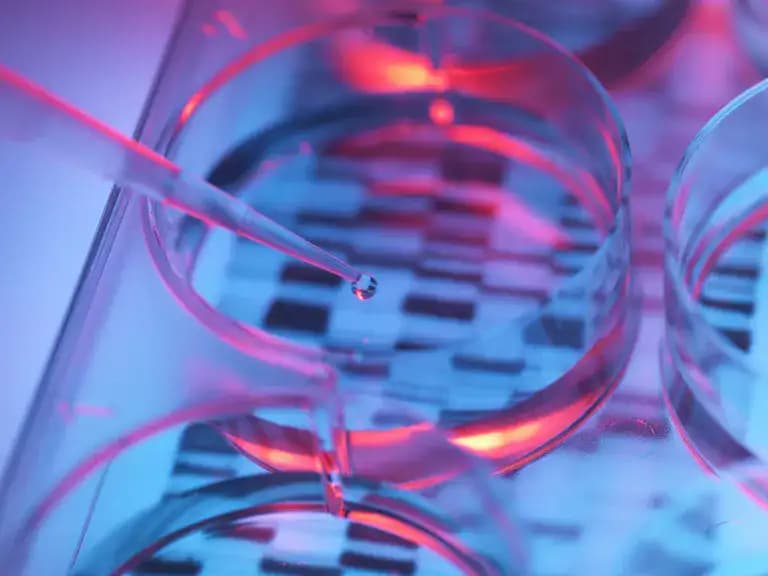
For couples wishing to embrace parenthood, the road to pregnancy might not always be smooth and straight. A few bumps along the road may send them knocking on a doctor’s door, opening before them a whole new world of problems, their diagnostic tests and treatments. One such test that a doctor may recommend to couples trying to conceive is the Karyotype Test.
In this article, we'll explore what genetic karyotyping is, who should consider it, the applications of Karyotyping and the common genetic diseases detected by Karyotype Blood Test. We will also understand how Karyotype Testing can help diagnose fertility issues, the karyotype testing process and its benefits and limitations.
What is a Karyotype Test?
A Karyotype Test is a laboratory test that examines an individual's chromosomes. Chromosomes are the structures in our cells that carry our genetic information. A Karyotype Test is performed by taking a blood sample from the individual and analyzing the chromosomes under a microscope. The test can help identify any abnormalities or mutations in the chromosomes that may be associated with genetic diseases or fertility issues.
Who Should Consider Couple Karyotyping Test?
Couples who are planning to start a family should consider getting a Couple Karyotyping Test. This test is performed on both partners and can help identify any potential genetic risks before pregnancy. It can also help identify any potential fertility issues that may be associated with chromosomal abnormalities.
Your gynecologist will recommend genetic karyotyping if:
- You are getting unsuccessful results after trying to conceive for more than one year.
- You have had bad experiences of miscarriages and failed pregnancies continuously two or more times.
- You have had a bitter experience of a stillborn birth.
- Your husband might suffer from azoospermia (no sperm in his semen) or oligozoospermia (low sperm count).
- If the woman is diagnosed with POD (Primary ovarian dysfunction)
What are the Applications of Karyotyping?
Karyotyping has a wide range of applications in medicine and genetics. The test is commonly used to identify genetic disorders, such as Down Syndrome, Turner Syndrome, and Klinefelter Syndrome. It can also help diagnose fertility issues, such as recurrent miscarriages, unexplained infertility, and repeated IVF failures. Karyotyping can also be used to identify carriers of genetic diseases and to assist with genetic counseling.
Common Genetic Diseases Detected by Karyotype Blood Test
The Karyotype Blood Test can help identify a wide range of genetic diseases and chromosomal abnormalities. Some of the most common genetic diseases detected by Karyotype Blood Test include:
1. Down Syndrome
Down Syndrome is a genetic disorder that is caused by an extra copy of chromosome 21.
2. Turner Syndrome
Turner Syndrome is a genetic disorder that affects females and is caused by a missing or incomplete X chromosome.
3. Klinefelter Syndrome
Klinefelter Syndrome is a genetic disorder that affects males and is caused by an extra X chromosome.
4. Edwards Syndrome
Edwards Syndrome is a genetic disorder that is caused by an extra copy of chromosome 18.
How Karyotype Testing Can Help Diagnose Fertility Issues?
Karyotype Testing can help diagnose a wide range of fertility issues, including recurrent miscarriages, unexplained infertility, and repeated IVF failures. These issues may be caused by chromosomal abnormalities, such as translocations, deletions, and duplications. Karyotyping can help identify these abnormalities and provide valuable information for fertility treatments, such as IVF.
Understanding Chromosomal Abnormalities and Their Impact on Fertility
Chromosomal abnormalities can have a significant impact on fertility. Abnormalities such as translocations, deletions, and duplications can affect the number or structure of chromosomes and lead to fertility issues. For example, a translocation between chromosomes 14 and 21 can lead to Down Syndrome, while a deletion on chromosome 5 can lead to Cri-du-chat Syndrome. These abnormalities can also cause recurrent miscarriages, unexplained infertility, and repeated IVF failures.
The Karyotype Testing Process: What to Expect
If your doctor has recommended you opt for assisted reproductive technology and infertility treatment, they will advise you first to undergo genetic karyotyping. The couple has to give their blood samples in a pathology laboratory, and they do the rest. The lab technicians separate some cells from the couple’s blood samples, place them in a jar, and encourage them to grow.
The technicians have to wait until the cells reach a specific stage of growth; then, they are stained and studied under a microscope to evaluate the shape and size of the cells. Special photographs are taken to view the arrangement of chromosomes in the cell and to count the number of chromosomes present in the cells.
The process typically takes a few days to complete, and the results are usually available within a week. The test is painless, and there is no need for any special preparation. Patients can continue their normal activities before and after the test.
You may also like: Fertility Test for Men and Women: What to Expect and Next Steps
Benefits and Limitations of Karyotype Testing
The benefits of Karyotype Testing include identifying potential genetic risks before pregnancy, diagnosing genetic disorders, and assisting with fertility treatments. The test is non-invasive, painless, and has a relatively low cost.
However, there are also some limitations of Karyotype Testing. The test cannot diagnose all genetic disorders, and it may not detect all chromosomal abnormalities. Additionally, the test may not be covered by insurance, and the results may not be definitive.
FAQs
What is karyotype test for infertility?
A Karyotype Test for infertility is a test that examines an individual's chromosomes to identify any abnormalities that may be associated with fertility issues. The test can help diagnose recurrent miscarriages, unexplained infertility, and repeated IVF failures.
Why is karyotyping done for IVF?
Karyotyping is done for IVF to identify any chromosomal abnormalities that may be associated with fertility issues. This information can help identify potential genetic risks before pregnancy and assist with fertility treatments.
The Bottomline
Going for a Karyotype Test may not be the easiest thing for a couple struggling to conceive. But on a brighter side, genetic karyotyping can give them answers to the questions they have been wondering all along. No matter what the results of the couple karyotyping test is, you should not get disheartened and explore the options available for your family.
References
1. Ozkan E, Lacerda MP. (2022). Genetics, Cytogenetic Testing And Conventional Karyotype. In: StatPearls [Internet]. Treasure Island (FL): StatPearls Publishing
2. Pelzman DL, Hwang K. (2021). Genetic testing for men with infertility: techniques and indications. Transl Androl Urol.
Article Posted Under
Related Articles


Related Topics
.webp&w=32&q=75)
Medical Disclaimer
This content is for informational purposes only and should not replace professional medical advice. Consult with a physician or other health care professional if you have any concerns or questions about your health. If you rely on the information provided here, you do so solely at your own risk.


AWARDS AND RECOGNITION

Mylo wins Forbes D2C Disruptor award

Mylo wins The Economic Times Promising Brands 2022
AS SEEN IN













- Mylo Care: Effective and science-backed personal care and wellness solutions for a joyful you.
- Mylo Baby: Science-backed, gentle and effective personal care & hygiene range for your little one.
- Mylo Community: Trusted and empathetic community of 10mn+ parents and experts.


Product Categories
Baby Carrier | Baby Soap | Baby Wipes | Stretch Marks Cream | Baby Cream | Baby Shampoo | Baby Massage Oil | Baby Hair Oil | Stretch Marks Oil | Baby Body Wash | Baby Powder | Baby Lotion | Diaper Rash Cream | Newborn Diapers | Teether | Baby Kajal | Baby Diapers Pants | Cloth Diapers | Laundry Detergent | Lactation Granules |