


Orders
.png&w=48&q=75 "login")
Profile


Wallet

Ultimate Guide to Choosing the Perfect Cloth Diaper Inserts for Your Baby
 15 Likes|
 5 min
5 min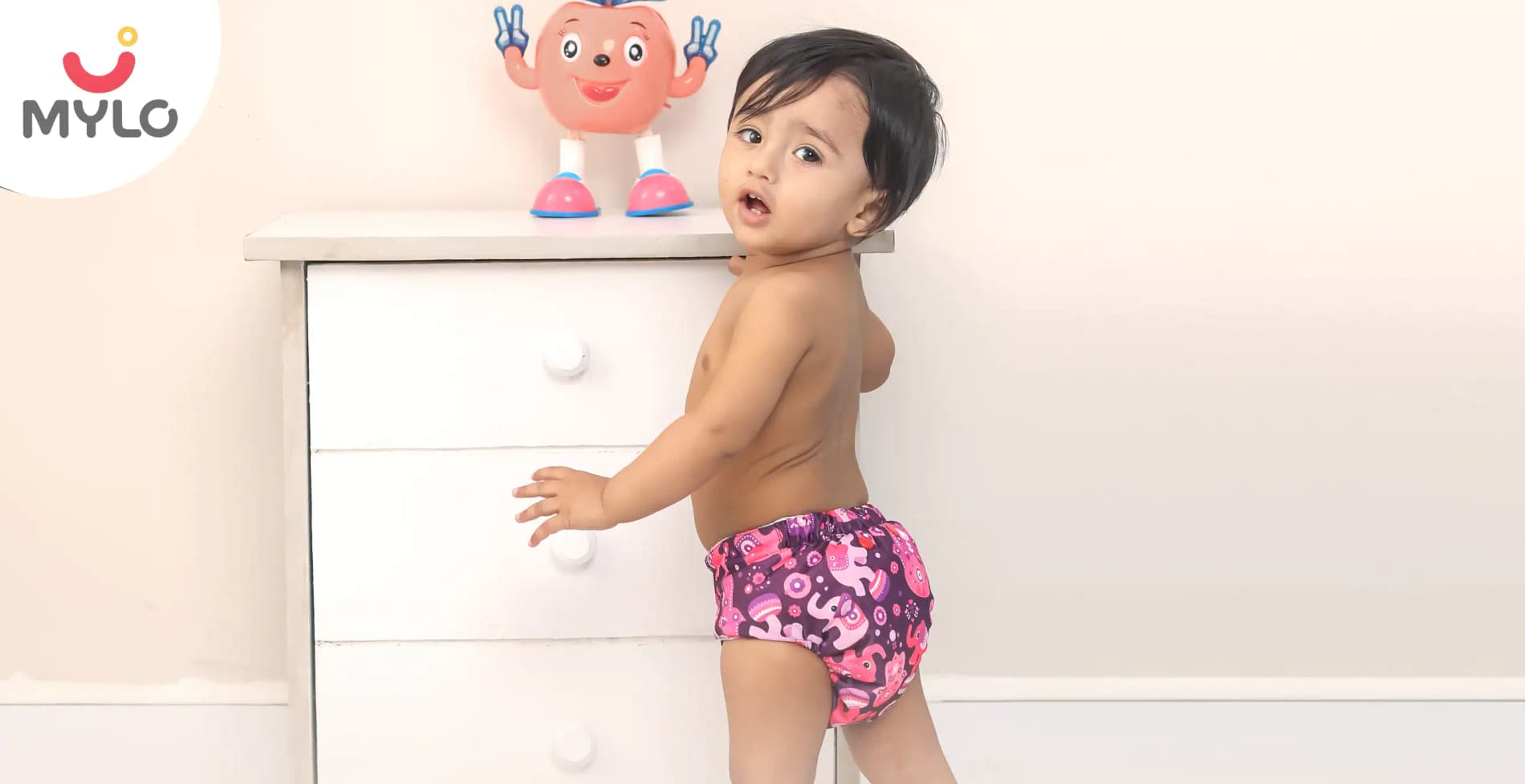
Choosing the perfect cloth diaper inserts for your baby can be overwhelming, especially for first-time parents or those new to cloth diapering. With so many options available, it can be difficult to know which inserts will provide the best comfort, absorbency, and fit for your little one. But fear not, because this ultimate guide is here to help you navigate the world of cloth diapering inserts.
In this guide, we'll discuss the different types of inserts available, their materials, and their pros and cons, so you can make an informed decision and find the perfect inserts for your baby's needs. So, let's dive in!
How to Choose Inserts for Cloth Diapers?
Cloth diaper inserts are definitely more comfortable compared to their bulky disposable counterparts. Softer and safer for the baby’s skin and the environment, more and more mommies are turning to this variety of diapering for their little munchkins. However, to ensure that cloth diaper inserts provide the same safety to your little one as disposable diaper, it is essential to do two things:
- The first is to pay attention to the type of cloth diaper insert you are buying and
- The second is to ensure that the inserts are washed and sanitized properly before every use.
You may also like: Cloth Diapering 101: How to Successfully Change Your Baby's Diaper
5 Qualities to Look For in a Cloth Diaper Insert
Referred to as the “millennial parenting trend,” using cloth diaper inserts is a good way to save money. Keep in mind the following important points while selecting these for your baby:
1. Absorbency
Look for a cloth insert that has at least five layers of absorbent material like microfiber and waterproof layer. Microfiber inserts are a budget-friendly and fast-absorbing option, while bamboo is lightweight and absorbent but can be more expensive.
2. Fit
Ensure that the inserts fit the cloth diaper snugly and are not prone to compression leaks. Opt for an ultra-thin variety that would not weigh the baby down and would fit most diapers. Further, this type of insert allows the baby to move freely.
3. Quality
Since the fabric of the cloth diaper insert will be in close contact with your baby's skin and intimate area, it's essential that it is made of superior quality. Look for a cloth diaper insert that is made with hypoallergenic fabric and is free from any harmful chemicals to prevent any rashes.
4. Ease of cleaning
The ease of cleaning is crucial, as inserts that are harder to clean may lead to leaks and stains. Microfiber inserts are easy to wash and affordable. Cloth diaper inserts that are easy to clean are also easy to reuse multiple times.
5. Durability
Finally, the durability of the insert is important, as higher quality options will last longer and save money in the long run. Soaker pad inserts are very durable, prevent leaks and can be reused multiple times before they lose their absorbency.
Mylo Essentials Inserts for Cloth Diaper are India’s first Oeko-Tex certified soaker pads. These inserts are made up of 5 layers: Oeko-tex certified dry feel, soft, anti-pilling microfleece fabric, 3 layers of absorbent micro terry fabric and Thermoplastic Polyurethane (TPU) waterproof layer underneath. They are hypoallergenic, chemical-free, washable and reusable.
How to Wash Cloth Diaper Inserts the Right Way?
There is actually not a lot of science behind cleaning and sanitizing cloth diaper inserts. Rather than indulging in a complicated washing custom to clean them, use a cold and hot water wash routine. First, wash the diaper inserts in cold water to remove any solids and clean the urine off them.
After that, treat the inserts to a hot water wash with a gentle laundry detergent. This will prevent build-ups on the diaper inserts in the long run. Rinse them, again and again, to ensure that all the detergent has washed off. The hot water will sanitize the inserts properly ensuring that your baby stays safe and healthy.
You may also like: How to Keep Cloth Diaper Inserts Clean & Germ-Free for Your Baby?
The Bottomline
In conclusion, choosing the perfect cloth diaper inserts for your baby can seem like a daunting task, but with the right information, it can be a breeze. There are many factors to consider, such as material, absorbency, size, and cost. It is important to keep in mind that every baby is unique, and what works for one may not work for another. By following the tips and guidelines outlined in this guide, you can make an informed decision and ensure that your baby stays comfortable and dry in their cloth diapers.
Article Posted Under
Related Articles




Related Topics
.webp&w=32&q=75)
Medical Disclaimer
This content is for informational purposes only and should not replace professional medical advice. Consult with a physician or other health care professional if you have any concerns or questions about your health. If you rely on the information provided here, you do so solely at your own risk.


AWARDS AND RECOGNITION

Mylo wins Forbes D2C Disruptor award

Mylo wins The Economic Times Promising Brands 2022
AS SEEN IN













- Mylo Care: Effective and science-backed personal care and wellness solutions for a joyful you.
- Mylo Baby: Science-backed, gentle and effective personal care & hygiene range for your little one.
- Mylo Community: Trusted and empathetic community of 10mn+ parents and experts.


Product Categories
Baby Carrier | Baby Soap | Baby Wipes | Stretch Marks Cream | Baby Cream | Baby Shampoo | Baby Massage Oil | Baby Hair Oil | Stretch Marks Oil | Baby Body Wash | Baby Powder | Baby Lotion | Diaper Rash Cream | Newborn Diapers | Teether | Baby Kajal | Baby Diapers Pants | Cloth Diapers | Laundry Detergent | Lactation Granules |