


Orders

Profile

The breastfeeding diet: Getting the right nutrition for you and the baby
 5 min
5 min

Obstetrician & Gynecologist · 41 years experience
You can't contain your joy while holding your baby in your arms; most of your day must be spent fixing your gaze on your tiny tot or clicking perfect shots. In the middle of all the hustle-bustle, it is important to eat mindfully and consciously to give required nutrition to your baby. Diet for breastfeeding mothers should contain adequate nutrients to promote recovery after delivery and also for the healthy growth and development of the baby.
What is a Breastfeeding diet?
A Breastfeeding diet is a diet that is followed by a lactating mother to provide the necessary nutrients to their baby through breast milk. The diet should be balanced and varied to ensure that the mother gets all the nutrients she needs to maintain her health while producing high-quality milk for her baby.
1. Composition
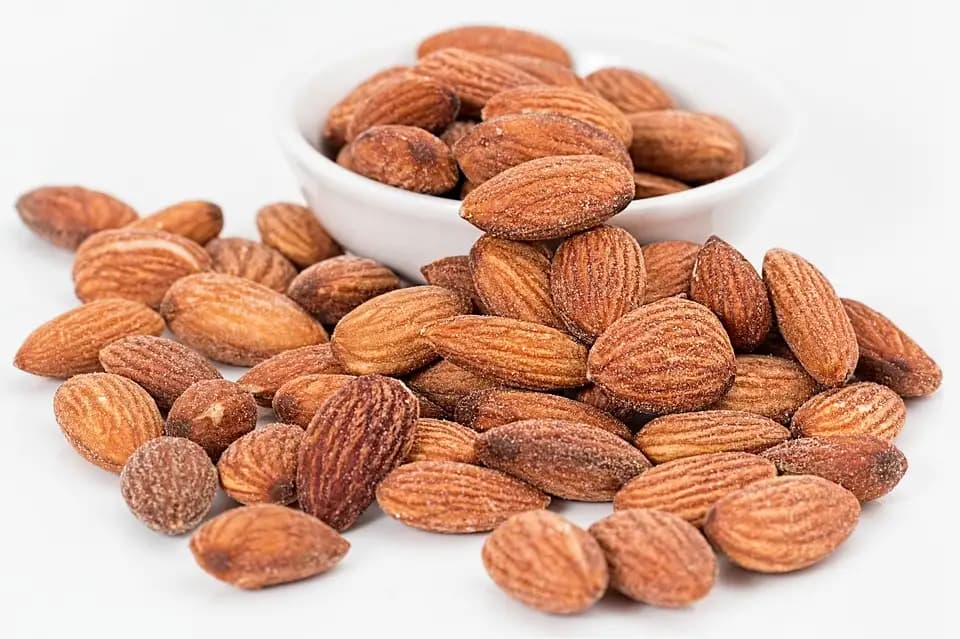
A Breastfeeding diet typically includes a variety of whole grains, fruits, and vegetables, lean proteins such as chicken, fish, and tofu, dairy products, and healthy fats such as nuts, seeds, and avocados.
2. Stay hydrated
It is also important for nursing mothers to drink plenty of fluids, especially water, to stay hydrated.
3. Calorie intake:
It is recommended that breastfeeding mothers consume an additional 500 calories per day compared to their pre-pregnancy diet to support milk production. However, the number of calories needed may vary depending on the mother's needs and activity level.
4. Avoid certain food items
It is also important for nursing mothers to avoid certain foods and drinks that may be harmful to their babies, such as alcohol, caffeine, and certain types of fish that are high in mercury. Additionally, if a baby shows signs of a food allergy, a mother may need to eliminate certain foods from her diet to prevent an allergic reaction in the baby.
Also read: What to eat and what to avoid while Breasfeeding your baby
Important foods to include in the diet while Breastfeeding
A Breastfeeding mother's diet should include a variety of nutrient-dense foods to support milk production and provide adequate nutrition for both the mother and baby. Here are some important foods to include in a Breastfeeding diet:
-
Whole grains: Whole grains like brown rice, quinoa, oats, and whole wheat provide fiber, vitamins, and minerals, including iron and zinc.
-
Fruits and vegetables: Fruits and vegetables are excellent sources of vitamins, minerals, and antioxidants. Eating a variety of colors is important to get a range of nutrients.
-
Lean proteins: Lean proteins like chicken, fish, tofu, and legumes provide amino acids, which are the building blocks of milk and help with tissue repair.
-
Dairy products: Dairy products like milk, cheese, and yogurt are good sources of calcium, which is important for bone health and milk production.
-
Healthy fats: Healthy fats like nuts, seeds, avocados, and olive oil provide essential fatty acids, which are important for brain development and immune function.
-
Water: Staying hydrated is important for milk production and overall health. It is recommended that breastfeeding mothers drink plenty of water throughout the day.
-
Iron-rich foods: Iron is important for the mother and baby, and breastfeeding mothers have higher iron needs. Good sources of iron include lean meats, beans, leafy greens, and fortified cereals.
-
Omega-3 fatty acids: Omega-3 fatty acids, found in fatty fish like salmon and sardines, as well as in chia seeds and flaxseeds, are important for brain development and may help reduce inflammation. You can also use Mylo's manual breast pump to feed your child when you are not around.
You may like: What to eat while feeding the baby? Sample Indian meal plan for breastfeeding mothers
Benefits of eating proper diet during Breastfeeding
Eating a proper diet during Breastfeeding has numerous benefits for both the mother and the baby. Here are some of the key benefits:
-
Provides optimal nutrition for the baby: Breast milk is the primary source of infant nutrition. A well-balanced diet can ensure that the milk contains all the necessary nutrients that the baby needs for growth and development.
-
Increases milk production: Eating a healthy diet can help increase milk production, providing the baby with more milk and reducing the risk of a low milk supply.
-
Helps the mother recover after childbirth: Eating a nutritious diet can help the mother recover from childbirth, promote healing, and reduce the risk of postpartum depression.
-
Improves the quality of breast milk: Eating a healthy diet can improve the quality of breast milk, making it richer in nutrients and providing the baby with better immune protection.
-
Helps maintain a healthy weight: Breastfeeding burns a lot of calories, and a healthy diet can help ensure that the mother gets enough energy to keep up with the demands of Breastfeeding while maintaining a healthy weight.
Conclusion
Overall, eating a proper diet during Breastfeeding is essential for both the mother's and the baby's health and well-being. It can ensure that the baby receives optimal nutrition and helps the mother recover from childbirth and maintain a healthy weight.
.webp&w=1900&q=75)
Increase Breast Milk Supply with LactoMama ™ Lactation Granules - 300g - Pack of 2 | Elaichi
100% Natural Ingredients | Improves Lactation | Clinically Tested | Rich in Vitamins, Minerals, Iron & Calcium


Article Posted Under
Related Articles
Is Onion Oil Safe During Breastfeeding: What We Know and What We Do Not
12 min Kumkumadi Tailam for Postpartum Skin: What the Evidence Shows and How to Use It
18 min Kumkumadi Tailam for Postpartum Skin: What the Evidence Shows and How to Use It
18 min Kumkumadi Tailam for Postpartum Skin: What the Evidence Shows and How to Use It
18 min
Related Topics
.webp&w=32&q=75)
Medical Disclaimer
This content is for informational purposes only and should not replace professional medical advice. Consult with a physician or other health care professional if you have any concerns or questions about your health. If you rely on the information provided here, you do so solely at your own risk.


AWARDS AND RECOGNITION

Mylo wins Forbes D2C Disruptor award
Mylo wins The Economic Times Promising Brands 2022
AS SEEN IN












- Mylo Care: Effective and science-backed personal care and wellness solutions for a joyful you.
- Mylo Baby: Science-backed, gentle and effective personal care & hygiene range for your little one.
- Mylo Community: Trusted and empathetic community of 10mn+ parents and experts.


Product Categories
Baby Carrier | Baby Soap | Baby Wipes | Stretch Marks Cream | Baby Cream | Baby Shampoo | Baby Massage Oil | Baby Hair Oil | Stretch Marks Oil | Baby Body Wash | Baby Powder | Baby Lotion | Diaper Rash Cream | Newborn Diapers | Teether | Baby Kajal | Baby Diapers Pants | Cloth Diapers | Laundry Detergent | Lactation Granules |