


Orders
.png&w=48&q=75 "login")
Profile


Wallet

Starting Solids: A Guide to Introducing Fruits and Vegetables to Your Baby
 160 Likes|
 5 min
5 min

Msc Food Nutrition And Dietetics · 4 years experience
Key Takeaways
Quick overview in 30 seconds.webp&w=32&q=75)
Summary
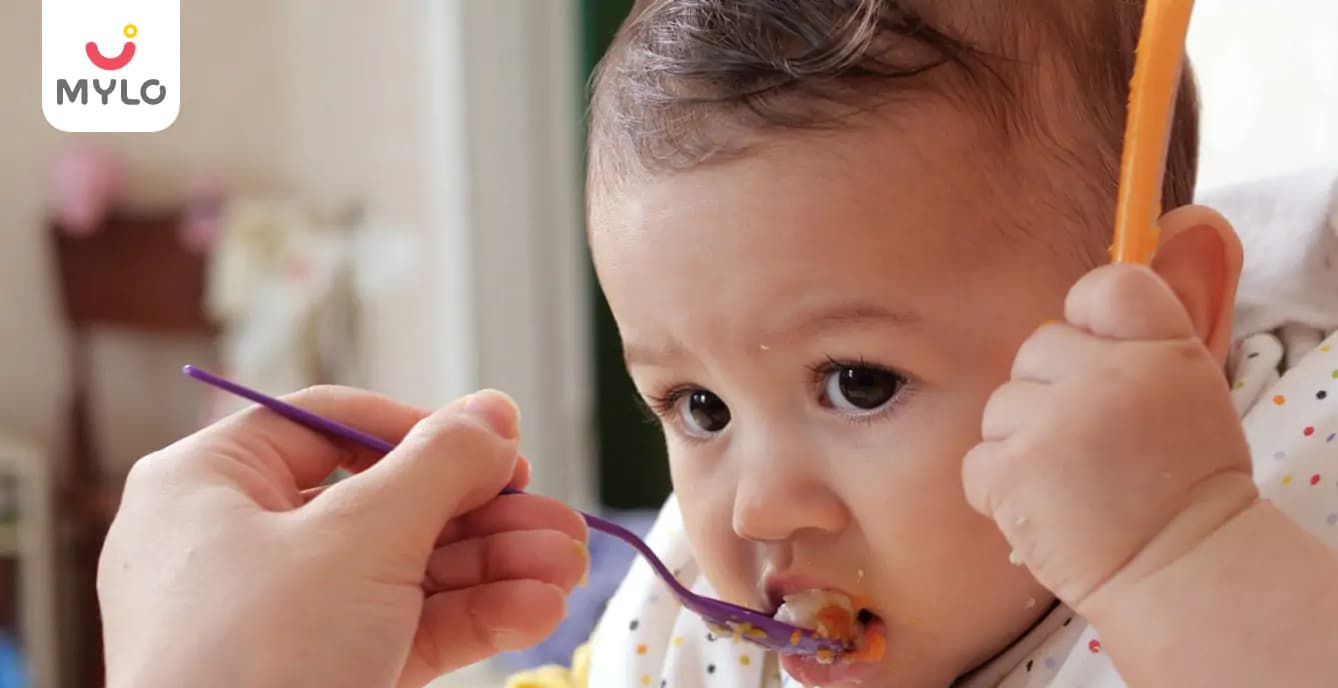
- Babies are usually ready for solid foods between 6 and 7 months, once they can sit with support, show interest in food, and have lost the tongue-thrust reflex.
- Introducing fruits and vegetables early provides essential vitamins, minerals, fiber, and antioxidants that support healthy growth, brain development, and lifelong eating habits.
- Try mashed fruits, fresh juices, vegetable stock, porridge with mashed veggies, or a fruit nibbler to make feeding safe, simple, and enjoyable for your baby.
- Looking for a safe way to introduce fruits? Explore our Cotton Baby Cap, Mittens, & Booties Set - Tiny Toss.
 4.0
4.0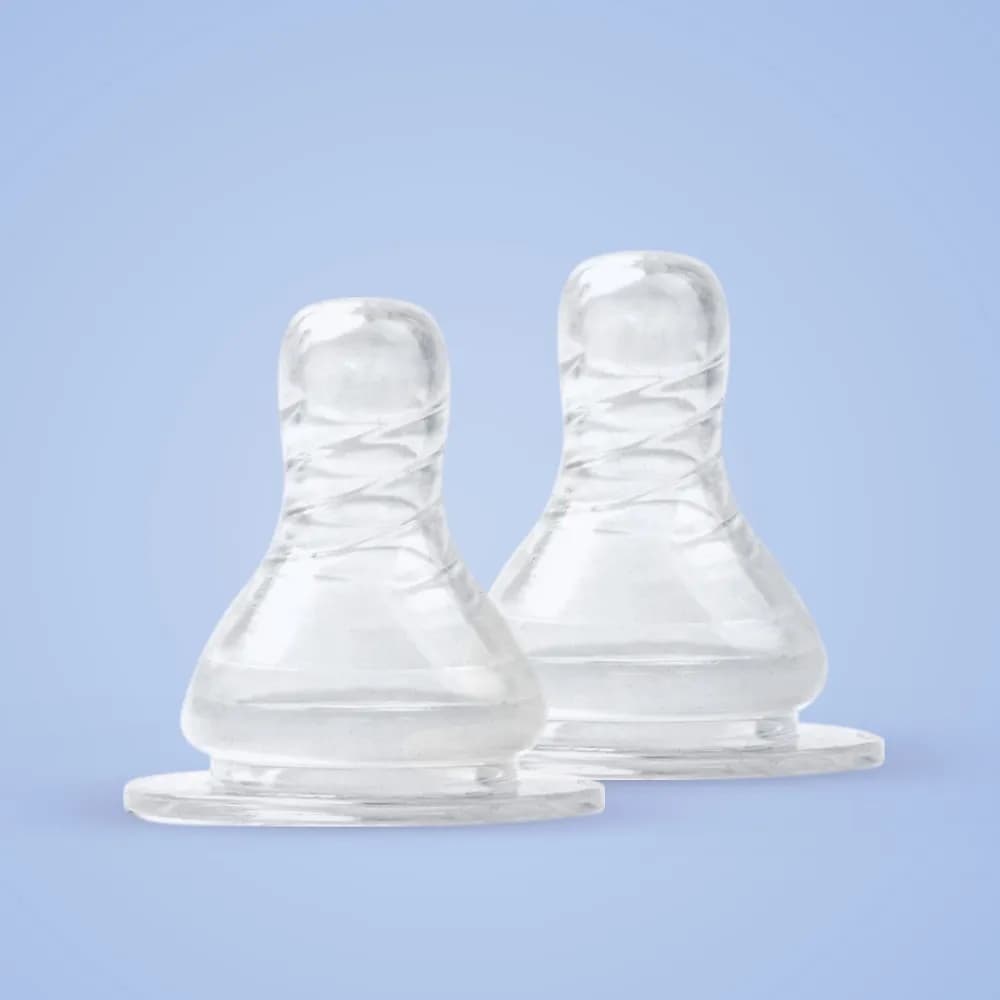 4.8
4.8Introducing solid foods to your baby can be an exciting and daunting experience for parents. It's a major milestone in your baby's development, and you want to make sure you're doing it right. One of the most important aspects of starting solids is introducing fruits and vegetables into your baby's diet. Not only do they provide essential nutrients for your growing baby, but they also help establish healthy eating habits that can last a lifetime.
In this guide, we'll explore the benefits of introducing fruits and vegetables to your baby, when to start, and some useful tips to help you get started.
When to start introducing solids to your baby?
Babies can start eating solid foods between 6 and 7 months of age. However, it is important to look for signs of readiness before introducing solid foods, which usually includes being able to sit up with support, loss of the tongue-thrust reflex, showing interest in food, and being able to move food to the back of the mouth and swallow it. By 6 months, most babies are developmentally ready to begin eating solid foods as a complement to breast milk or formula.
You may also like: Baby Diet Chart: What to Feed Your Baby From Birth to 1 Year?
Benefits of introducing fruits and vegetables to your baby
Introducing fruits and vegetables to your baby can provide numerous benefits:
- Once iron-rich foods have been introduced, vegetables and fruits can be added to their diet as they contain vitamins, minerals, fiber, and new flavors to explore.
- Babies learn to associate the sweet flavors from fruits with vegetables, which may encourage them to eat more over time. This can help in developing a healthy eating habit from an early age.
- Fruits and vegetables provide your child with essential nutrients such as energy, vitamins, antioxidants, fiber, and water. These nutrients can help in protecting your baby from diseases and promoting healthy growth and development.
You may also like: Baby Brain Development Food
Tips for feeding fruits and vegetables to your baby
Here are some ways in which you can add fruits and vegetables to your baby’s diet chart:
1. Serve mashed fruits
You can peel fruits like apples, bananas, papaya, and other soft fruits and then mash them. Mashed fruits are easy for your baby to eat and digest when they start having semi-solid foods.
2. Make fruit and vegetable juices
You can also add fresh fruit and vegetable juices to your baby's diet. However, don’t go for sour fruit juices as they can cause cough. Go for healthy vegetable and fruit juices and maintain a specific portion of the same in their diet. Freshly squeezed juice is better than bottled juice as it doesn't have preservatives and added sugar.
3. Use a fruit and food nibbler
You can also introduce fruits and vegetables to your baby with the help of a fruit nibbler. A food nibbler converts slices of fruits into small bits as the baby nibbles on its tip, and this makes it easy for your baby to intake fruits and vegetables. It also comes in handy as a teething ring when your baby is teething.
A nibbler can be of help if your baby has just started taking semi-solid food, and you want them to have a healthy diet. You can also try Mylo Feels Natural Ultra Soft Fruit & Food Nibbler for your baby, which makes it easy for your baby to suck and chew the fruits and veggies. It is easy to clean and sterilize and has a bite-resistant mesh as well. It is easy to clean and is BPA-free.
4. Serve vegetable stock
Vegetable stock is a great way to let your baby enjoy the various flavors of vegetables. Just boil some flavourful vegetables and separate the stock and feed your baby the same. You can also make a vegetable soup out of it.
You may also like: When Can Babies Start Drinking Cow Milk?
5. Mix fruits and veggies with porridge
Porridge is one of the first foods parents offer their babies when starting solids. To incorporate fruits and vegetables in your baby's diet, you can add mashed fruits or vegetables to make a complete meal for your baby.
Closing Thoughts
In conclusion, introducing your baby to solid foods is an exciting milestone to look forward to, but it can be overwhelming too. By following the advice and tips provided in this guide, you can ensure that your baby gets a healthy start to their lifelong relationship with food. Remember to introduce new foods gradually, watch out for signs of allergies, and offer a variety of fruits and vegetables to ensure your baby gets all the nutrients they need for optimal growth and development.
References
1. Borowitz SM. (2021). First Bites-Why, When, and What Solid Foods to Feed Infants. Front Pediatr. NCBI
2. Inoue M, Binns CW. (2014).Introducing solid foods to infants in the Asia Pacific region. Nutrients. NCBI
Loved by Mamas Starting Their Baby's Solid Food Journey
Gentle, baby-safe feeding essentials that make introducing fruits and veggies easier, cleaner, and a whole lot more fun.
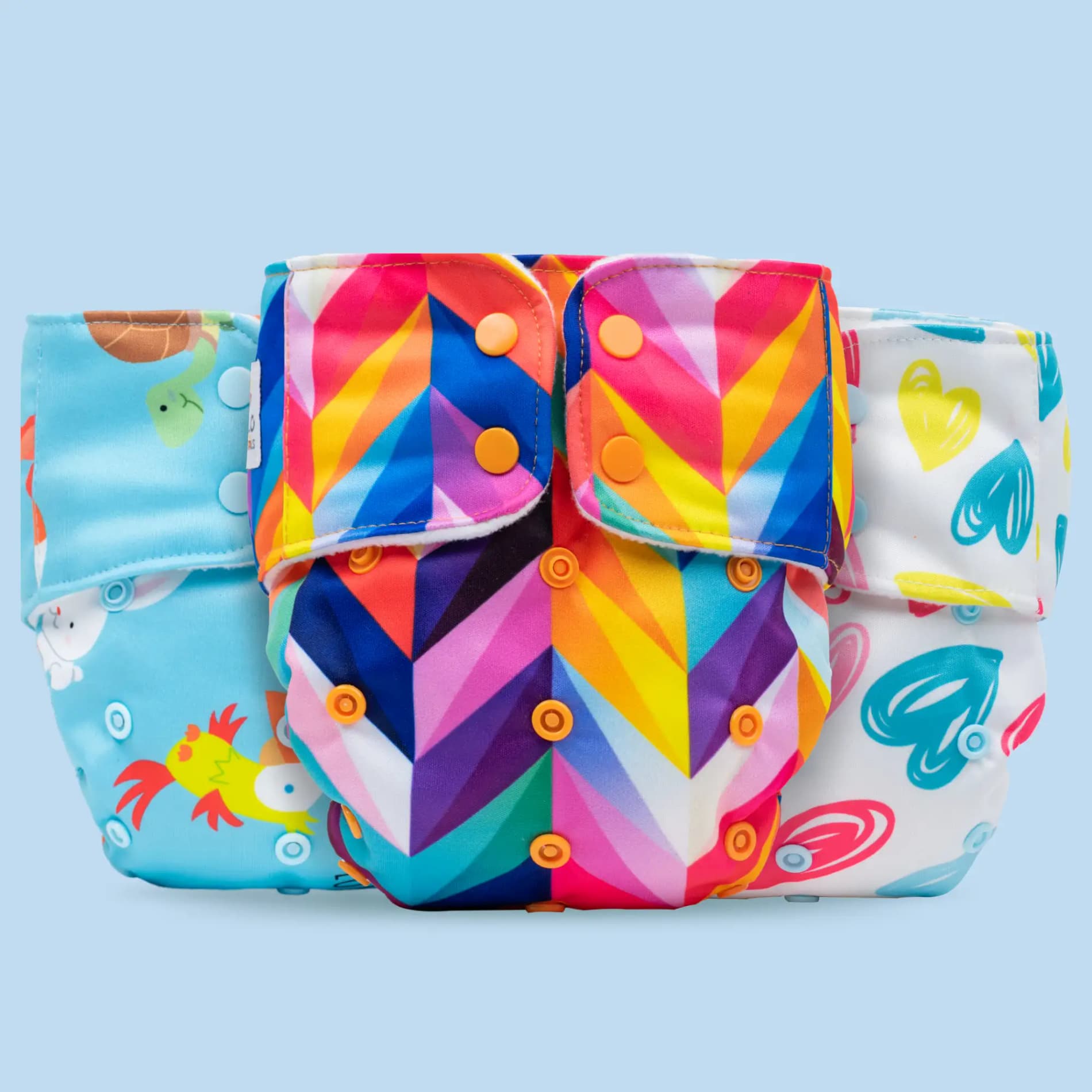
Adjustable & Reusable Cloth Diaper - Rainbow, Pet Love & Heart Doodles - Pack of 3
Oeko-Tex Certified | Prevents Rashes



Anti Colic Slow (S) Flow Grooved Baby Nipple - Pack of 2
BPA Free | Breast-Like Nipple | Food Grade Material | Wide Base for Better Latch | Can be Sterilized | Microwave Safe | Fits Most Standard Bottles



Article Posted Under
Related Articles



Related Topics
.webp&w=32&q=75)
Medical Disclaimer
This content is for informational purposes only and should not replace professional medical advice. Consult with a physician or other health care professional if you have any concerns or questions about your health. If you rely on the information provided here, you do so solely at your own risk.


AWARDS AND RECOGNITION

Mylo wins Forbes D2C Disruptor award

Mylo wins The Economic Times Promising Brands 2022
AS SEEN IN













- Mylo Care: Effective and science-backed personal care and wellness solutions for a joyful you.
- Mylo Baby: Science-backed, gentle and effective personal care & hygiene range for your little one.
- Mylo Community: Trusted and empathetic community of 10mn+ parents and experts.


Product Categories
Baby Carrier | Baby Soap | Baby Wipes | Stretch Marks Cream | Baby Cream | Baby Shampoo | Baby Massage Oil | Baby Hair Oil | Stretch Marks Oil | Baby Body Wash | Baby Powder | Baby Lotion | Diaper Rash Cream | Newborn Diapers | Teether | Baby Kajal | Baby Diapers Pants | Cloth Diapers | Laundry Detergent | Lactation Granules |