


Orders
.png&w=48&q=75 "login")
Profile


Wallet

Lactose Intolerance in Babies: A Parent’s Guide to Identifying and Managing it
 6 min
6 min
Key Takeaways
Quick overview in 30 seconds.webp&w=32&q=75)
Summary
- Lactose intolerance in babies happens when their bodies struggle to digest lactose due to insufficient lactase enzyme, leading to symptoms like bloating, gas, diarrhea, and poor weight gain.
- Diagnosis involves medical history, elimination diets, lactose breath tests, or stool acidity tests. Always consult a pediatrician before making changes to your baby's feeding routine.
- Treatment includes lactose-free or lactose-reduced formulas, breastfeeding diet modifications, lactase supplements, probiotics, and monitoring calcium and vitamin D intake for balanced nutrition.
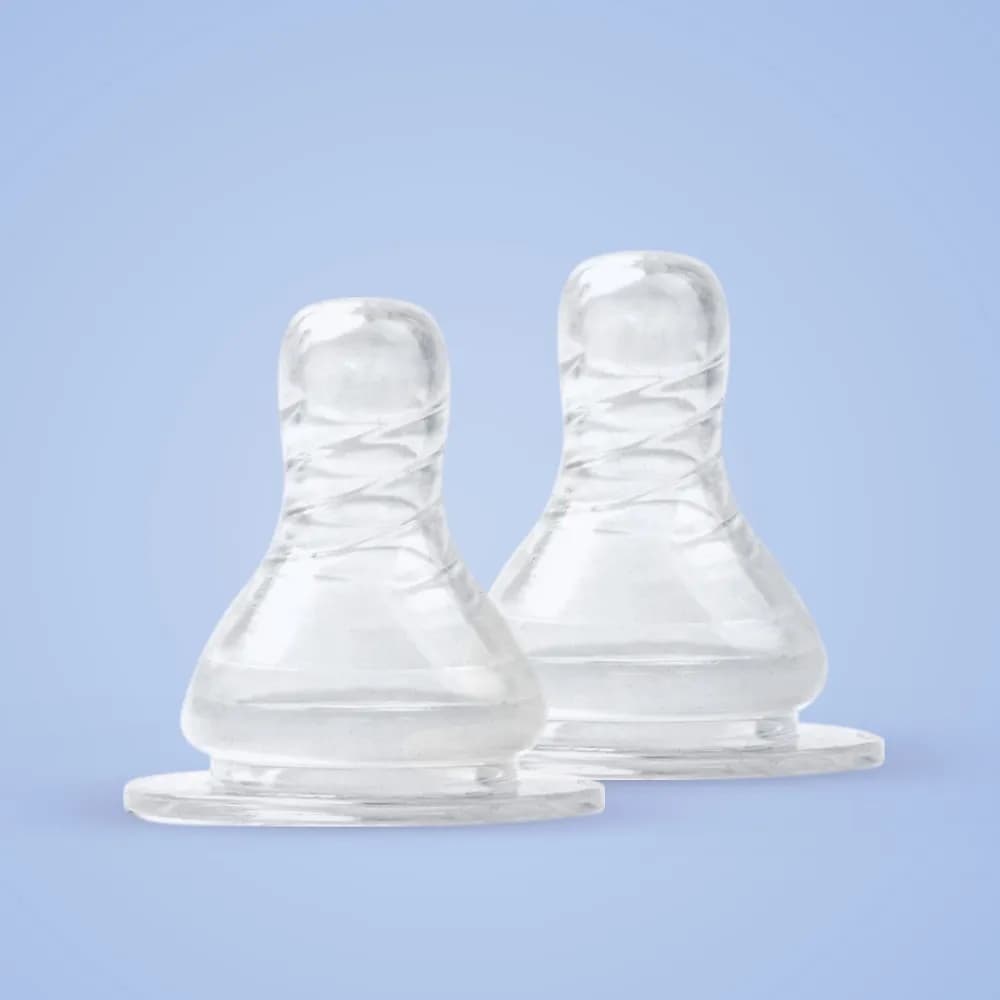
- Looking for gentle feeding essentials for your baby? Explore our Anti Colic Slow (S) Flow Grooved Baby Nipple - Pack of 2.
 4.8
4.8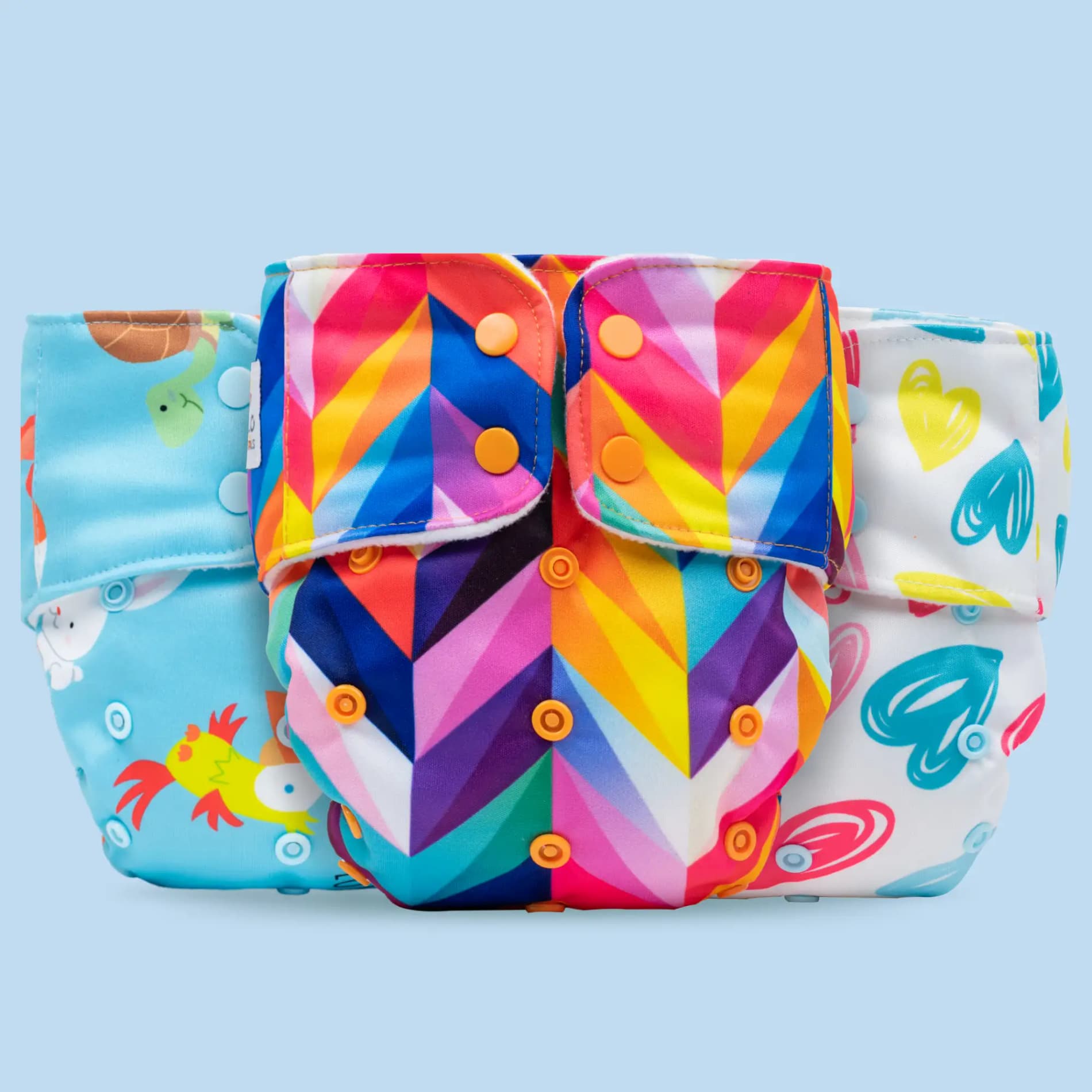 4.0
4.0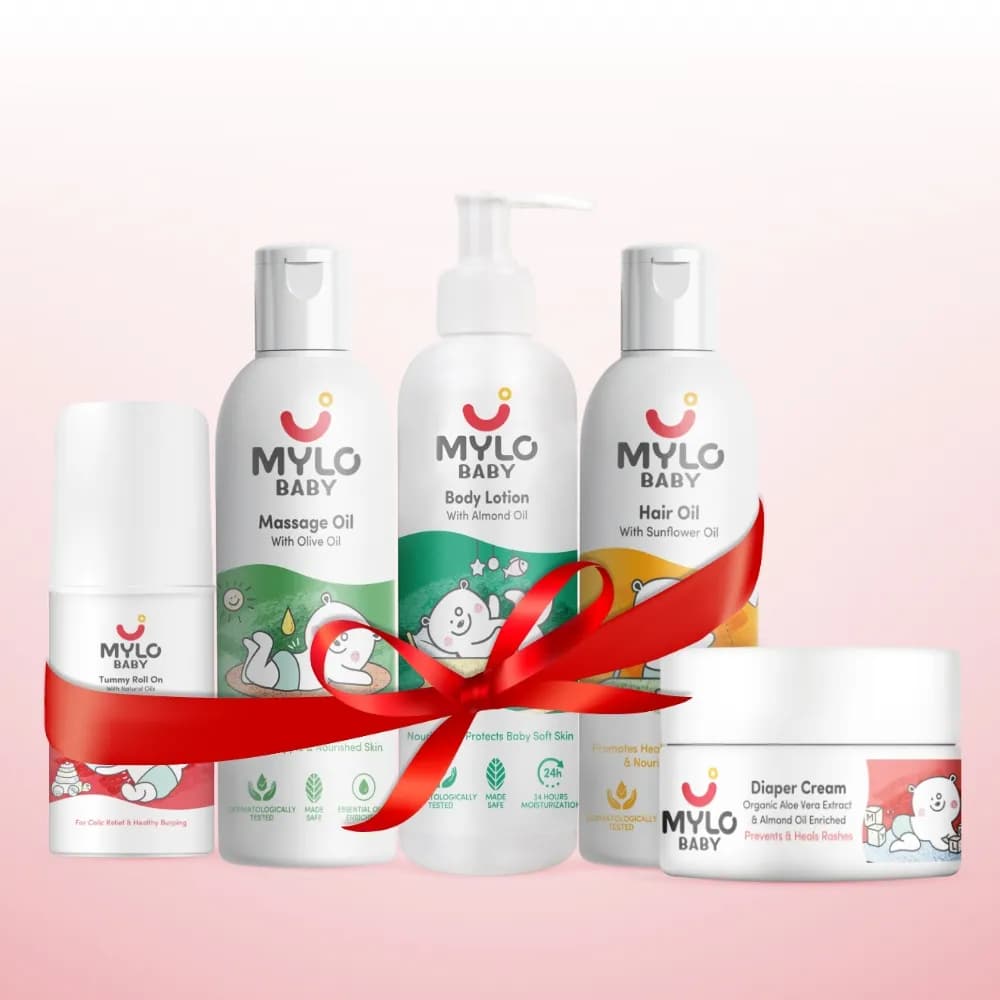 4.2
4.2Once a lively and spirited baby, Jia's joyful demeanor took a sudden turn in the past few months. She became fussier, with a bloated tummy and colic-like symptoms. Excessive gas troubled her, and her weight gain didn't match her age. Desperate for answers, doctors ran allergy tests, but to no avail. It was only recently that we discovered she had lactose intolerance in babies.
Shocked by the revelation, we found solace in our doctors' advice of lactose-free formula. Thankfully, Jia is now thriving and adjusting well. If you find yourself in a similar situation, fret not and learn more about the symptoms of lactose intolerance in babies, lactose intolerance in infants treatment, lactose free baby formula and many other aspects.
What is Lactose Intolerance in babies?
Lactose intolerance is a condition in which a baby’s body has difficulty digesting lactose, a sugar present in milk and dairy products. Normally, the enzyme lactase breaks down lactose into simpler sugars (glucose and galactose) that can be easily absorbed by the body. However, in babies with lactose intolerance, there is insufficient production of lactase, leading to undigested lactose in the digestive system.
Lactose intolerance can be temporary or persist as the child grows older. Temporary lactose intolerance can occur due to factors such as premature birth, illness, or intestinal infections. In such cases, the condition usually improves as the baby's digestive system matures or recovers.
You may also like : CMPA (Cow's Milk Protein Allergy): Identifying Symptoms and Understanding Treatment
What are the Symptoms of Lactose Intolerance in Babies?
Lactose intolerance in babies can present a variety of symptoms, which typically manifest shortly after consuming milk or dairy products. Here are some common signs and symptoms to look out for:
-
Digestive discomfort like bloating, gassiness, and abdominal pain or exhibit signs of colic.
-
Increased gas
-
Vomiting
-
Weight loss or poor weight gain
-
Irritability and crying
It's important to note that these symptoms can also be caused by other factors or conditions, so it's crucial to consult a healthcare professional for an accurate diagnosis.
How to Diagnose Lactose Intolerance in Babies?
Common approaches used by healthcare professionals to diagnose lactose intolerance in infants:
-
History
The doctor will take medical History and perform physical examination to check the baby.
-
Elimination Diet
In some cases, the doctor may suggest an elimination diet for the mother (if breastfeeding) or a temporary switch to lactose-free formula. This involves removing lactose-containing foods from the baby's diet for a certain period to observe any improvement in symptoms. If the symptoms subside during this time, it can indicate lactose intolerance.
-
Lactose Breath Test
This test measures the levels of hydrogen in your baby's breath before and after consuming a lactose-containing substance. Elevated levels of hydrogen after ingestion suggest poor lactose digestion, indicating lactose intolerance.
-
Stool Acidity Test
This test examines the acidity of your baby's stool after consuming lactose. High acidity levels can indicate undigested lactose and potential lactose intolerance.
Lactose Intolerance in Infants Treatment
The treatment of lactose intolerance in infants mainly involves managing their diet and ensuring they receive proper nutrition. Let’s discuss some common strategies for managing lactose intolerance in infants
-
Lactose-Free or Lactose-Reduced Formulas
These specialized formulas are designed to provide all the necessary nutrients while minimizing lactose intake.
-
Breastfeeding Modifications
If you are breastfeeding, you may need to modify your diet to reduce lactose intake. This typically involves avoiding or reducing lactose-containing foods such as dairy products.
-
Lactase Supplements
In some cases, your doctor may recommend lactase drops or tablets to aid in lactose digestion.
-
Probiotics
Some studies suggest that specific strains of probiotics may help alleviate symptoms of lactose intolerance in infants.
-
Monitor Calcium and Vitamin D Intake
Your doctor may recommend alternative sources or supplementation to meet your baby's nutritional needs.
How to Choose Lactose Free Milk for Babies?
When choosing lactose-free baby formula, it's important to consider their age, nutritional needs, and any specific dietary requirements.
-
Age-appropriate formula
Pick an age-appropriate lactose-free formula to provide necessary nutrients to the baby.
-
Read the labels
Check the nutritional label of the lactose-free milk or formula to ensure it provides a balanced and complete nutritional profile.
-
Allergen Considerations
Some babies may have additional food allergies or sensitivities. In such cases, choose lactose-free milk or formula that is free from other common allergens, such as soy, gluten, or cow's milk protein.
-
Brand Reputation
Opt for trusted and reputable brands of lactose-free milk or formula to ensure safety and nutritional value.
Remember, while lactose free formula can be a suitable option for babies with lactose intolerance, it's important to consider the overall nutritional needs of your baby.
You may also like : Breast Milk vs Cow Milk: Making an Informed Choice for Your Baby's Wellbeing
How to Manage Lactose Intolerance in Babies through Diet?
Managing lactose intolerance through diet involves making specific modifications to their feeding routine.
-
Modify your diet
Limit or avoid lactose-containing foods such as milk, cheese, yogurt, and other dairy products. Be cautious of hidden sources of lactose in processed foods.
-
Seek calcium alternatives
Since dairy products are a primary source of calcium, consider incorporating other calcium-rich foods into your diet, such as leafy greens, fortified plant-based milks, and calcium supplements if necessary.
-
Maintain a balanced diet
It's crucial to ensure you are still receiving adequate nutrition while modifying your diet. Consult with a healthcare professional or a registered dietitian to ensure you maintain a well-balanced and nutritious eating plan.
Final Thoughts
In conclusion, managing lactose intolerance in babies requires careful attention to their diet and nutritional needs. Recognizing the symptoms and seeking professional guidance are crucial steps in providing appropriate care for your little one. Lactose free milk for babies can help with lactose intolerance and help the baby thrive and grow. Working closely with healthcare professionals, including pediatricians and registered dietitians, ensures personalized guidance and regular monitoring of your baby's progress.
References
1. Heyman, M. B. (2006). Lactose Intolerance in Infants, Children, and Adolescents. PEDIATRICS.
2. Malik, T. F., & Panuganti, K. K. (2023). Lactose Intolerance. PubMed; Stat Pearls Publishing.
Trusted by Parents Navigating Sensitive Tummies
Gentle, baby-safe feeding essentials to support your little one through tummy troubles and sensitive digestion.
Anti Colic Slow (S) Flow Grooved Baby Nipple - Pack of 2
BPA Free | Breast-Like Nipple | Food Grade Material | Wide Base for Better Latch | Can be Sterilized | Microwave Safe | Fits Most Standard Bottles



Adjustable & Reusable Cloth Diaper - Rainbow, Pet Love & Heart Doodles - Pack of 3
Oeko-Tex Certified | Prevents Rashes


Baby Wellness Kit | Skincare Gift Set for Newborns


Article Posted Under
Related Articles
Hair Colour During Pregnancy: Is It Safe? Trimester Guide, Mehndi and Safer Options
 14 min
 Mylo: The Made-in-India Pregnancy and Parenting App Built for Indian Parents
 7 min
7 min Diwali During Pregnancy: Safety Tips for Pregnant Women on Crackers, Sweets and Diet
 17 min
 Best Pregnancy and Parenting App in India: 5 Must-Have Features to Look For (2026)
 20 min
Medical Disclaimer
This content is for informational purposes only and should not replace professional medical advice. Consult with a physician or other health care professional if you have any concerns or questions about your health. If you rely on the information provided here, you do so solely at your own risk.


AWARDS AND RECOGNITION

Mylo wins Forbes D2C Disruptor award

Mylo wins The Economic Times Promising Brands 2022
AS SEEN IN












- Mylo Care: Effective and science-backed personal care and wellness solutions for a joyful you.
- Mylo Baby: Science-backed, gentle and effective personal care & hygiene range for your little one.
- Mylo Community: Trusted and empathetic community of 10mn+ parents and experts.


Product Categories
Baby Carrier | Baby Soap | Baby Wipes | Stretch Marks Cream | Baby Cream | Baby Shampoo | Baby Massage Oil | Baby Hair Oil | Stretch Marks Oil | Baby Body Wash | Baby Powder | Baby Lotion | Diaper Rash Cream | Newborn Diapers | Teether | Baby Kajal | Baby Diapers Pants | Cloth Diapers | Laundry Detergent | Lactation Granules |