


Orders
.png&w=48&q=75 "login")
Profile


Wallet

How Can You Prevent Diaper Rashes During the Monsoon Season in India?
 11 min
Key Takeaways
Quick overview in 30 seconds.webp&w=32&q=75)
- Monsoon humidity traps moisture inside diapers, keeping baby's skin warm and wet, which increases friction and encourages fungal and bacterial growth in the diaper area.
- Prevent diaper rashes by changing diapers every 2 to 3 hours, cleansing gently with fragrance-free wipes, drying fully, and allowing some diaper-free time each day.
- Apply a zinc oxide barrier cream at the first sign of redness, choose breathable fragrance-free diapers, and skip talcum powder as it may worsen fungal rashes.
- Which products help keep baby dry in monsoon? Explore our Adjustable & Reusable Cloth Diaper - Red & Blue - Pack of 2.
 4.0
4.0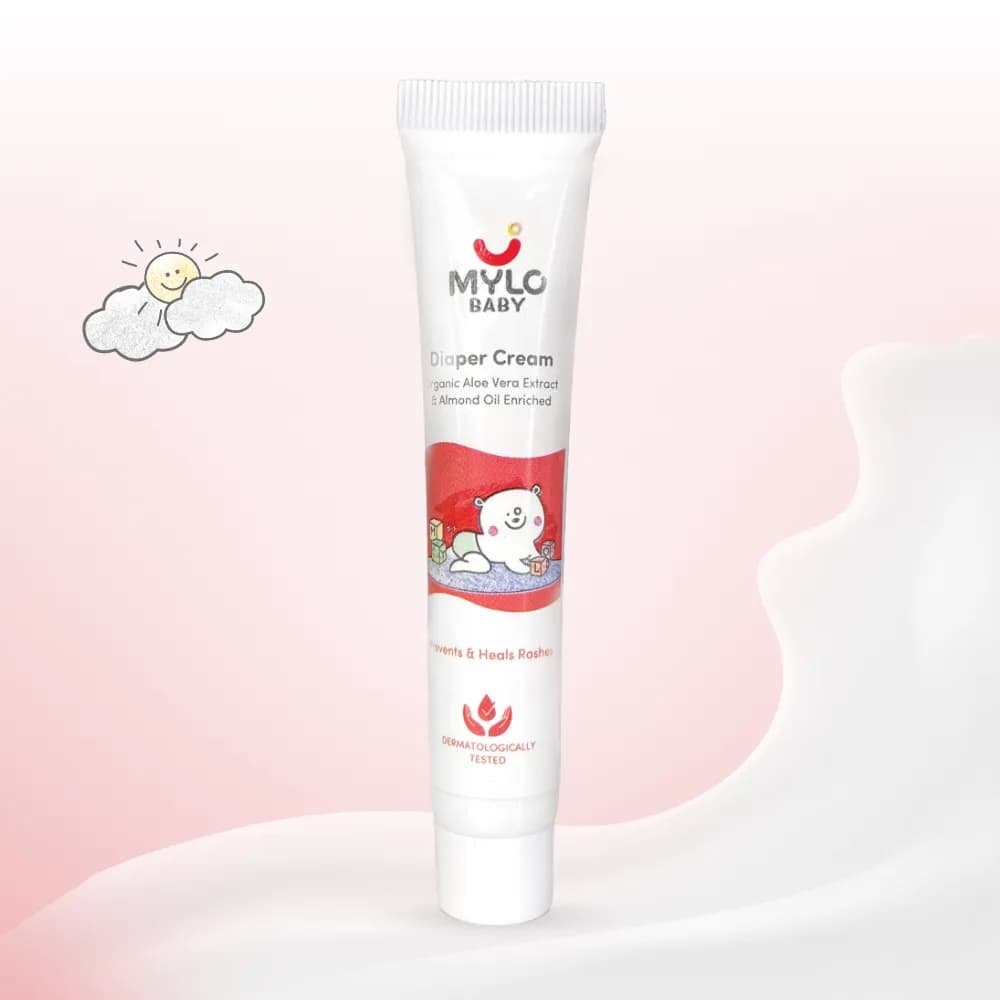 4.3
4.3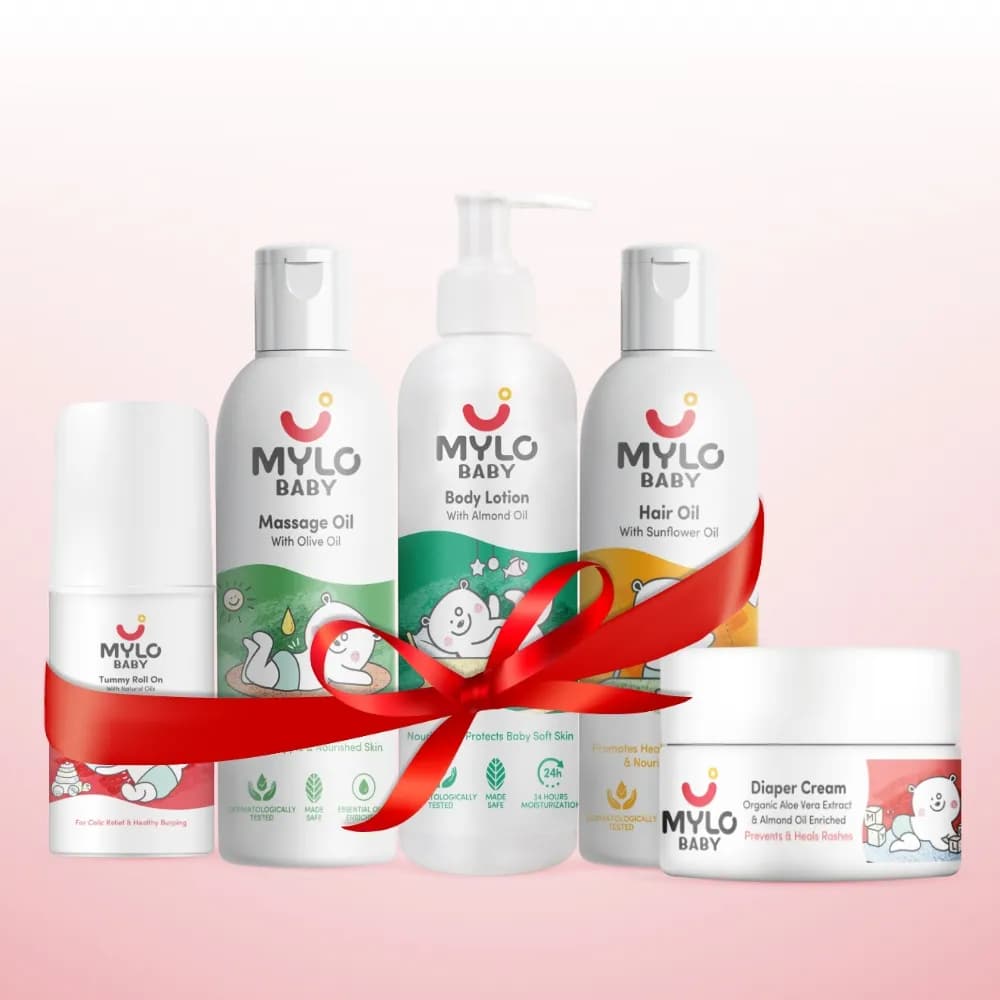 4.2
4.2Quick answer
Diaper rash is more common in the Indian monsoon because high humidity, trapped moisture and constant dampness keep the diaper area warm and wet, which raises friction and encourages fungal and bacterial growth. Prevention comes down to keeping your baby's skin clean, dry and protected: change diapers every 2 to 3 hours and after every poop, cleanse gently and dry fully, allow some diaper-free time, and apply a zinc oxide barrier cream at the first sign of redness. A breathable, absorbent, fragrance-free diaper helps, but remember no diaper prevents rash on its own, frequent changing does. A bright red rash in the folds with satellite spots may be a fungal rash and needs a doctor's antifungal.
Author: Mylo Editorial Team, Mylo Parenting Desk
Medically reviewed by: Mylo Editorial Board, aligned with AAP, NHS and IAP guidance
Last updated: 17 July 2026
Medical disclaimer: This article is for informational purposes only and is not a substitute for professional medical advice. Do not use antifungal, antibiotic or steroid creams on your baby without a doctor's guidance. See your paediatrician if a rash is severe, blistering, bleeding, spreading, not improving in a few days, or comes with fever.
Why do diaper rashes increase during the monsoon?
Several seasonal factors combine in humid, rainy weather:
High humidity stops sweat from evaporating
Moisture stays trapped inside the diaper
Warm, damp conditions encourage fungal (Candida) growth (Cleveland Clinic)
Skin stays wet longer if diapers are not changed promptly
A newborn's skin barrier is still developing, so it is more easily irritated
What are the early signs of diaper rash?
Catching it early stops a mild rash from getting worse. Watch for:
Red patches on the buttocks or thighs
Skin that looks shiny or inflamed
Small bumps or peeling skin
Crying during diaper changes
Warm or sensitive skin in the diaper area
Read more: Newborn diaper rash: causes, treatment and prevention tips
How do you prevent diaper rash in the monsoon?
The basics matter most in humid weather:
Change every 2 to 3 hours and immediately after a poop, and check often, humidity keeps the area moist even when the diaper does not feel heavy
Cleanse gently with plain water or fragrance-free wipes, wiping front to back
Dry fully before a fresh diaper, pat dry or let the skin air-dry a moment
Give diaper-free time so the skin can breathe
Apply a zinc oxide barrier cream at the first sign of redness to shield against moisture and friction
Skip talcum powder, it is not recommended for babies and cornstarch can feed a yeast rash (AAP)
Read more: How often should you change your baby's diaper?
How do you choose the right diaper for humid weather?
In the monsoon, the goal is not just absorption but keeping skin dry, cool and irritation-free. Look for:
Feature | Why it helps in humid weather |
|---|---|
High absorbency | Locks wetness away from the surface, useful overnight when changes are less frequent |
Breathable, soft materials | Lets heat escape and reduces friction on sensitive skin |
Skin-friendly ingredients (like aloe vera) | May soothe and add gentle care, though not a treatment |
Dermatologically and paediatrician tested | Evaluated for safety on sensitive skin |
Fragrance-free and dye-free | Lower irritation risk when frequent changes are needed |
One honest note: mainstream diapers are safe, and the super-absorbent gel (SAP) stays sealed in the core, so "chemical-free" is more about avoiding added fragrance and dye than removing all materials. A fragrance-free, breathable, well-fitting diaper is the sensible monsoon pick.
Read more: Mylo baby cloth diapers review
How does Mylo help with monsoon diaper care?
The products you use every day play a real role in humid weather. Mylo's baby care range supports dryness and skin comfort when moisture is high:
Mylo Disposable Diapers: infused with aloe vera for gentle comfort, a leakproof rating of up to 12 hours (a leak rating, not a reason to skip changes, still change every 2 to 3 hours), and dermatologically and paediatrician tested
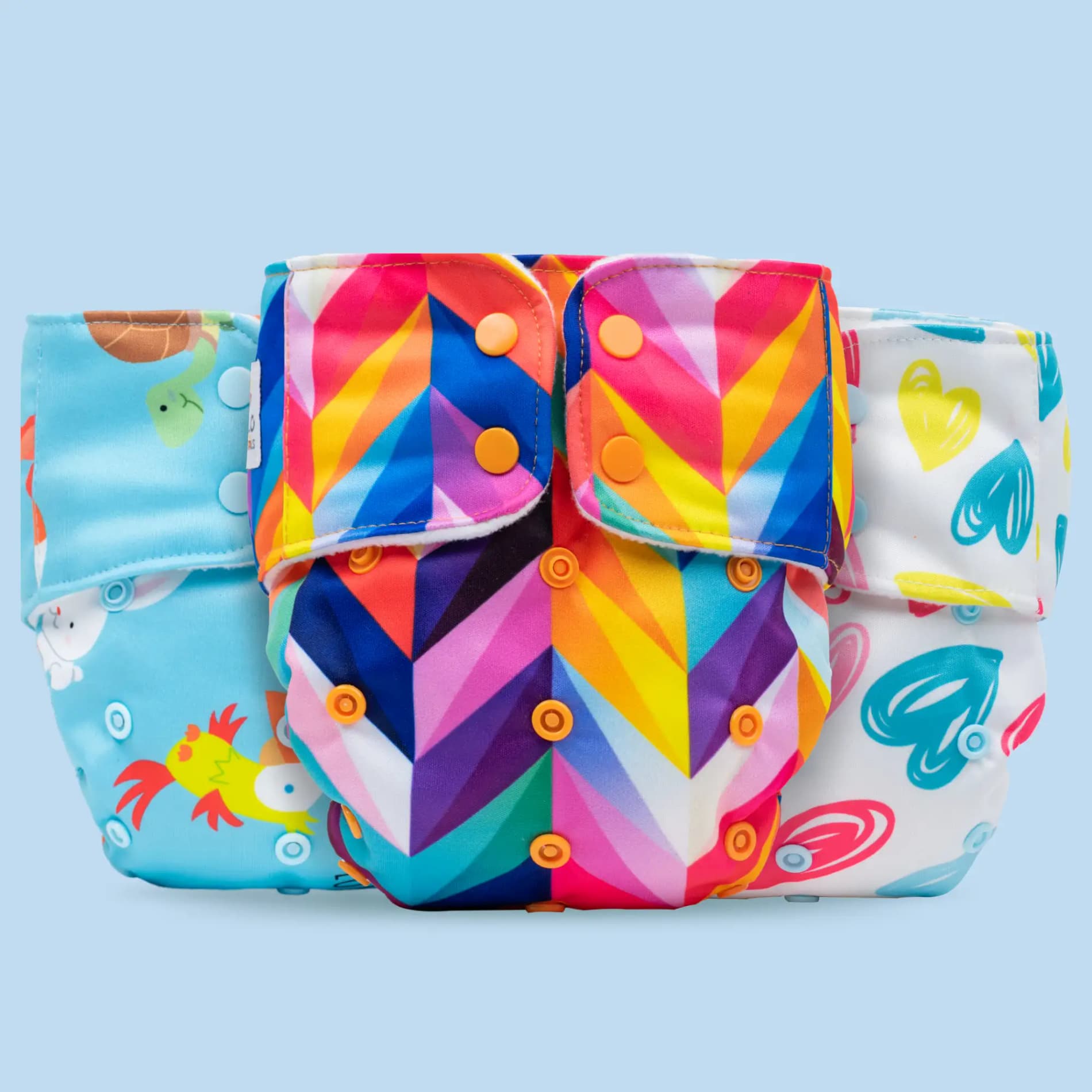
Mylo Cloth Diapers: reusable 300-plus times and cost-effective, with OEKO-TEX certified materials and a leakproof window of up to 6 hours when changed on routine, a breathable, sustainable home option
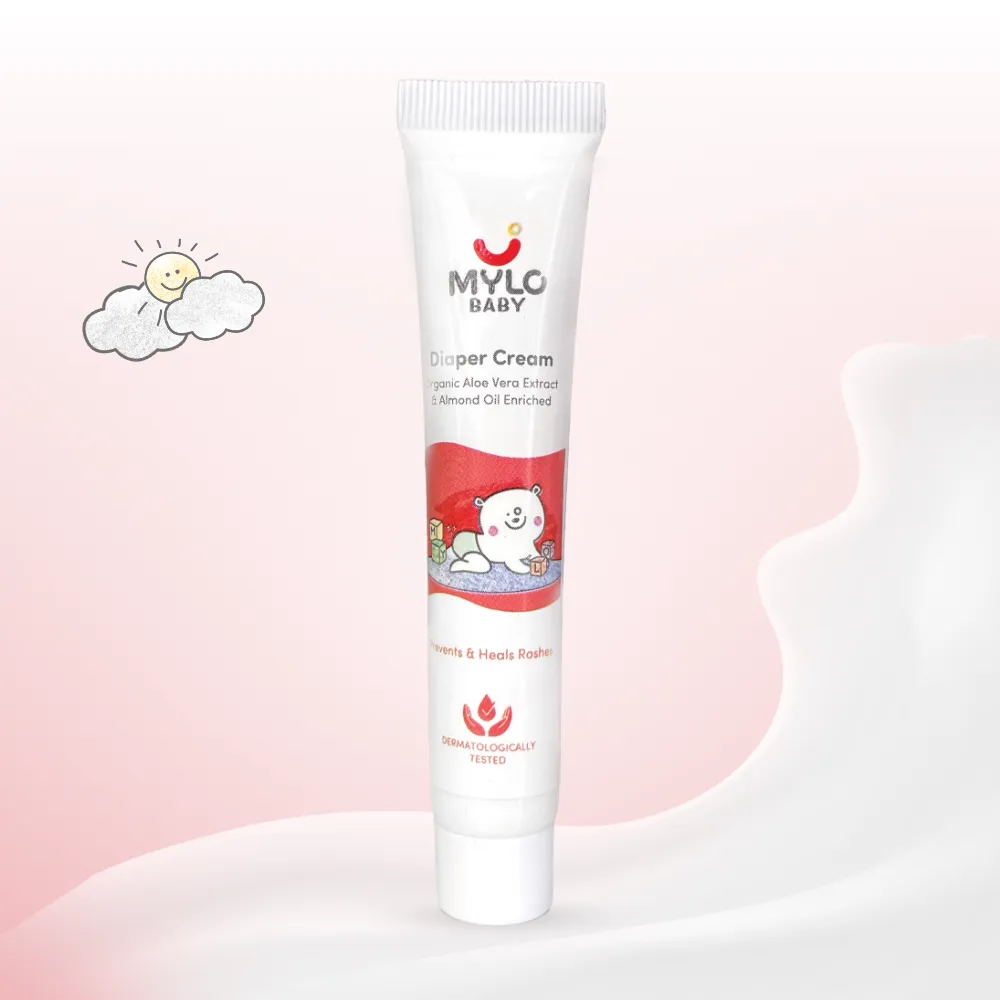
Mylo Diaper Rash Cream: a zinc oxide barrier that shields against moisture and friction and soothes mild irritation
Used together with frequent changing and gentle cleaning, these make monsoon diaper care easier.
Indian context
India's monsoon brings weeks of high humidity where skin barely gets a chance to dry. Change more often than you would in cooler months, and prioritise breathability and quick, thorough drying. If a rash keeps returning despite frequent changes, or is bright red in the folds with small satellite spots, it may be a fungal (Candida) rash, which is common in humid weather and needs a doctor-prescribed antifungal, not just a barrier cream (Cleveland Clinic). Do not use leftover steroid or antifungal creams on your own.
Frequently asked questions
Why do babies get more diaper rashes in humid weather?
Humidity traps moisture and sweat in the diaper area, which softens skin and increases friction, and warm, damp conditions encourage fungal and bacterial growth, so rashes are more common in the monsoon.
How often should I change my baby's diaper in the rainy season?
Every 2 to 3 hours and immediately after a poop. Check often, because humidity can keep the area moist even when the diaper does not feel heavy.
Are chemical-free diapers better for newborn skin?
The real benefit is avoiding added fragrances and dyes, which can irritate delicate skin. The super-absorbent gel itself is safe. A fragrance-free, dye-free diaper is a sensible choice for sensitive skin.
What diaper is best for newborns to prevent rashes in India?
A soft, highly absorbent, breathable, fragrance-free and dermatologically tested diaper, changed every 2 to 3 hours. Fit and frequent changing matter as much as the diaper itself.
Does diaper rash cream really help during the monsoon?
Yes. A zinc oxide barrier cream shields the skin from moisture and friction and soothes mild irritation. It does not cure a fungal or bacterial rash, which needs a doctor's treatment.
Key takeaways
Monsoon humidity keeps skin warm and wet, raising friction and fungal growth
Prevention is dryness: change every 2 to 3 hours, cleanse gently, dry fully, air-dry time
Apply a zinc oxide barrier cream at the first sign of redness; skip talcum powder
Choose a breathable, absorbent, fragrance-free, well-fitting diaper
"Chemical-free" mainly means fragrance-free and dye-free; the SAP gel is safe and sealed
"Up to 12 hours" is a leak rating, not wear time, still change every 2 to 3 hours
No diaper prevents rash on its own, frequent changing does
A bright red rash in the folds with satellite spots is likely fungal, see a doctor for an antifungal
References
American Academy of Pediatrics (HealthyChildren.org). Common Diaper Rashes and Treatments. healthychildren.org
Mayo Clinic. Diaper rash: Symptoms and causes. mayoclinic.org
American Academy of Dermatology (AAD). How to treat diaper rash. aad.org
Cleveland Clinic. Yeast Diaper Rash (Candidal Diaper Dermatitis). my.clevelandclinic.org
NHS. Nappy rash. nhs.uk
Horii KA, et al. Diaper Dermatitis. StatPearls / NCBI Bookshelf. ncbi.nlm.nih.gov
Blume-Peytavi U, Kanti V. (2018). Prevention and treatment of diaper dermatitis. pubmed.ncbi.nlm.nih.gov

Trusted by Indian Mamas Through Every Monsoon
Gentle, breathable diapering essentials to keep your little one's skin dry, comfortable and rash-free through humid rainy days.
Adjustable & Reusable Cloth Diaper - Rainbow, Pet Love & Heart Doodles - Pack of 3
Oeko-Tex Certified | Prevents Rashes



Baby Diaper Rash Cream - 20 gm
Made Safe Australia Certified | Heals Rashes & Irritation| Soothes Skin Inflammation | Can be Used Daily | Safe for Newborn

Baby Wellness Kit | Skincare Gift Set for Newborns

Article Posted Under
Related Articles




Related Topics
.webp&w=32&q=75)
Medical Disclaimer
This content is for informational purposes only and should not replace professional medical advice. Consult with a physician or other health care professional if you have any concerns or questions about your health. If you rely on the information provided here, you do so solely at your own risk.


AWARDS AND RECOGNITION

Mylo wins Forbes D2C Disruptor award

Mylo wins The Economic Times Promising Brands 2022
AS SEEN IN













- Mylo Care: Effective and science-backed personal care and wellness solutions for a joyful you.
- Mylo Baby: Science-backed, gentle and effective personal care & hygiene range for your little one.
- Mylo Community: Trusted and empathetic community of 10mn+ parents and experts.


Product Categories
Baby Carrier | Baby Soap | Baby Wipes | Stretch Marks Cream | Baby Cream | Baby Shampoo | Baby Massage Oil | Baby Hair Oil | Stretch Marks Oil | Baby Body Wash | Baby Powder | Baby Lotion | Diaper Rash Cream | Newborn Diapers | Teether | Baby Kajal | Baby Diapers Pants | Cloth Diapers | Laundry Detergent | Lactation Granules |