


Orders

Profile


Wallet

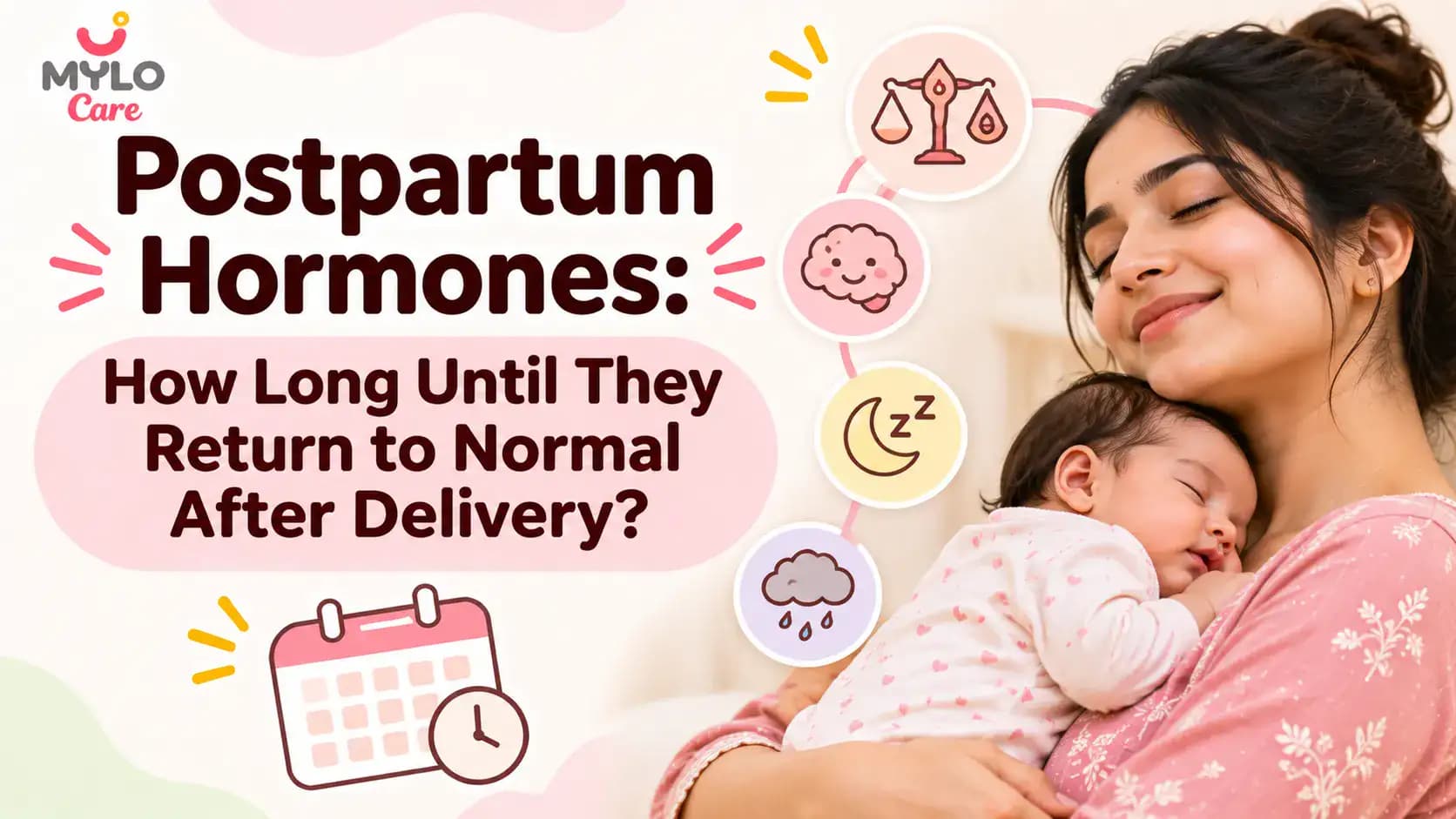
Postpartum Hormones: How Long Until They Return to Normal After Delivery?
 10 min

MBBS, DGO · 38 years experience
Key Takeaways
Quick overview in 30 seconds
- After delivery, oestrogen and progesterone drop sharply, while prolactin stays high if you breastfeed, causing mood swings, hair fall, dry eyes and irregular periods.
- Baby blues usually settle within 2 weeks, periods return in 5-6 weeks if not fully breastfeeding, and postpartum hair fall peaks around 4 months before recovering.
- See a doctor for low mood lasting beyond 2 weeks, fast heartbeat, extreme tiredness, sudden blurred vision or heavy bleeding, as these may signal thyroid or pre-eclampsia issues.
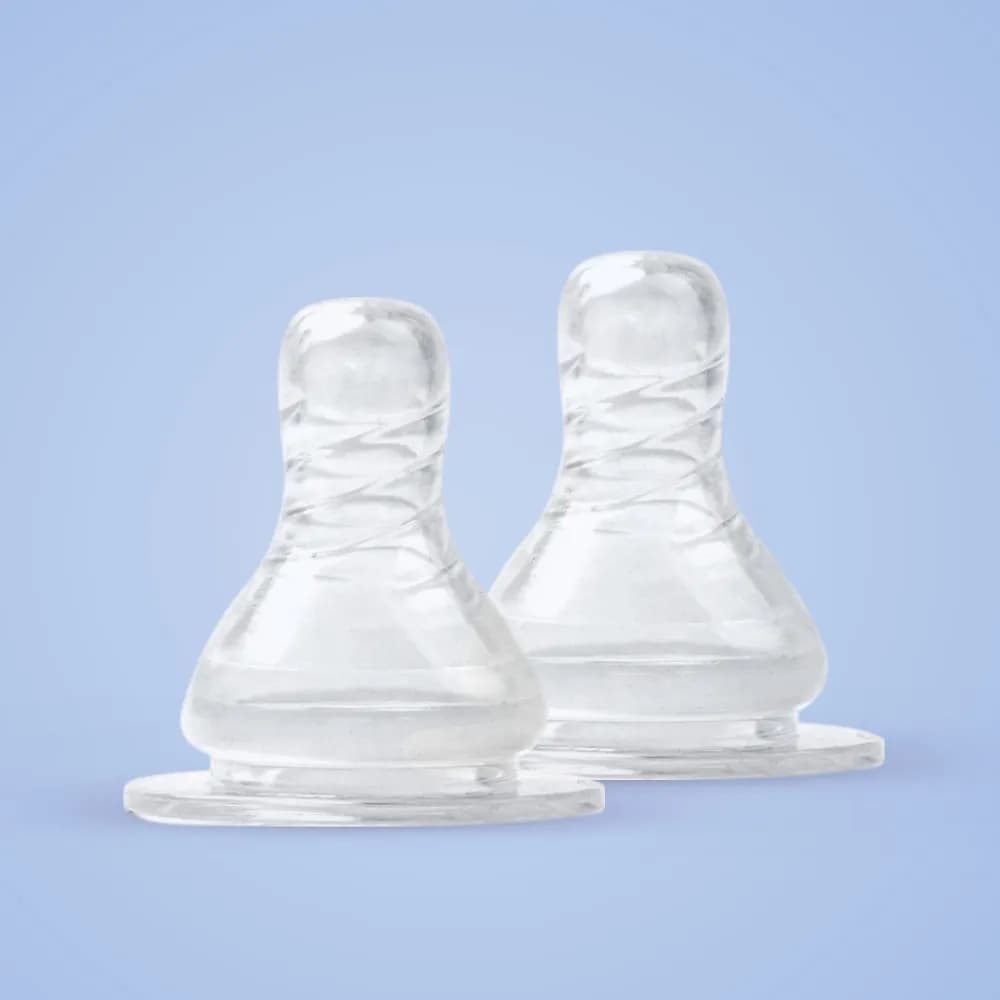
- What can support your postpartum recovery? Explore our Anti Colic Slow (S) Flow Grooved Baby Nipple - Pack of 2.
 4.8
 4.6
 4.2
 4.7
Quick Answer
Pregnancy hormones drop sharply in the first days after birth, but there is no single date when everything is "normal" again. Mood usually settles within 2 weeks, periods can return from 5 to 6 weeks if you are not fully breastfeeding, and hair and eye changes often take months, or until you stop breastfeeding.
After delivery, many mothers feel their body is not quite their own: mood swings, hair fall, dry eyes, tiredness or irregular periods. It is natural to wonder when your hormones will "come back to normal". The honest answer is that different changes settle at different times. Here is a simple timeline, what affects it, and which symptoms need a doctor.
What happens to your hormones after delivery?
During pregnancy, levels of hormones like oestrogen and progesterone rise very high, mainly because of the placenta. Once the baby and placenta are born, these levels fall quickly. A review on postpartum hormones describes these as abrupt and dramatic changes in hormone levels after delivery, involving hormones such as progesterone, oestrogen, prolactin, cortisol, oxytocin and thyroid hormones.
If you breastfeed, prolactin, the hormone that helps make milk, stays higher for as long as you keep feeding often. This is one reason breastfeeding mothers often take longer for their periods to return.
How long do postpartum hormone changes last? A timeline
Change | When it usually settles | Source |
|---|---|---|
Baby blues (feeling low, teary or irritable) | Usually within 2 weeks of birth | |
Bleeding after birth (lochia) | Over a few weeks, gradually turning brown before stopping | |
Periods, if bottle feeding or mixed feeding | Can return as soon as 5 to 6 weeks after birth | |
Periods, if fully breastfeeding day and night | May not return until you start to reduce breastfeeding | |
Hair fall | Peaks about 4 months after birth. Most women regain normal fullness by their child's first birthday | |
Mild eye changes, such as dry eyes or slight blur | Usually resolve after the baby is born, or after you stop breastfeeding |
Your 6 to 8 week postnatal check is a good time to talk to your doctor about any physical or emotional changes since the birth, according to the NHS.
Why does breastfeeding make a difference?
Breastfeeding keeps your hormones in a "feeding" pattern. The NHS says if you fully breastfeed, including at night, without any bottle feeding, your periods may not start again until you start to reduce breastfeeding. Similarly, the American Academy of Ophthalmology says some pregnancy-related eye changes settle only after a breastfed child is weaned.
This is normal and not a sign that something is wrong. Your body is simply still supporting your baby.
Important: you can get pregnant again before your periods return. The NHS says you can get pregnant as soon as 3 weeks after birth, even if you are breastfeeding, and advises starting contraception within 21 days of giving birth if you want to avoid a new pregnancy.
Common symptoms of postpartum hormone changes
Baby blues: feeling down, anxious, irritable or tearful for a few days after birth
Hair fall: the American Academy of Dermatology says this excessive shedding is caused by falling oestrogen levels, is temporary, and is not true hair loss
Dry eyes or slight blurred vision
Irregular or absent periods, especially while breastfeeding
Tiredness and poor sleep, which also come from night feeds and caring for a newborn
Postpartum thyroid problems
Sometimes a thyroid problem, not just the normal drop in pregnancy hormones, is behind symptoms after birth. The American Thyroid Association says postpartum thyroiditis affects about 5 to 10% of women in the United States after delivery:
Phase | When it usually happens | Common symptoms |
|---|---|---|
Overactive thyroid phase | 1 to 4 months after delivery, lasting 1 to 3 months | Anxiety, poor sleep, fast heartbeat, tiredness, weight loss, irritability |
Underactive thyroid phase | 4 to 8 months after delivery, can last up to 9 to 12 months | Tiredness, weight gain, constipation, dry skin, low mood |
The American Thyroid Association says most women regain normal thyroid function within 12 to 18 months of the start of symptoms, but about 20% of those who have an underactive phase stay hypothyroid. A simple blood test can check your thyroid.
Eye problems after delivery: hormones or something else?
Mild dry eyes or slight blurring after birth are often linked to hormone changes and usually settle with time. But do not assume every eye problem is hormonal.
The NHS says pre-eclampsia sometimes develops in the days or weeks after the baby is born. Get urgent medical help if, in the weeks after birth, you have:
blurred vision or flashing lights
a severe headache that does not go away with simple painkillers
pain below the ribs
sudden swelling of the face, hands or feet
vomiting, or feeling very unwell
Read more in our guide on blurred vision during and after pregnancy.
What helps your body recover?
Rest when you can, and ask family to help with chores and the baby so you can sleep.
Eat well: a varied diet with dal, eggs or paneer, green vegetables, fruit, whole grains and enough fluids supports recovery, especially if you are breastfeeding.
Keep taking supplements your doctor has prescribed after delivery, such as iron or calcium.
Stay gently active once your doctor says it is safe.
Talk about your feelings with your partner, family or doctor.
Go for your postnatal check at around 6 to 8 weeks, and mention any symptoms that worry you.
When should you see a doctor?
See your doctor if you have:
low mood, anxiety or tearfulness that lasts beyond 2 weeks, gets worse, or stops you coping. This could be postnatal depression. See postpartum depression in Indian women
fast heartbeat, shakiness, unexplained weight loss, or extreme tiredness, weight gain and feeling cold, which can be thyroid signs
periods that have not returned a few months after you stop or cut down breastfeeding, or very heavy or painful periods
hair fall that has not improved by your baby's first birthday, or patchy bald spots
eye problems that do not settle, or any sudden change in vision
Get urgent help for sudden blurred vision, flashing lights, severe headache, chest pain, breathlessness, heavy bleeding, or thoughts of harming yourself or your baby.
Myths vs facts
Myth | Fact |
|---|---|
Hormones return to normal exactly 40 days after delivery | Different changes settle at different times, from 2 weeks for baby blues to a year for hair |
No periods while breastfeeding means you cannot get pregnant | You can get pregnant from 3 weeks after birth, even before your periods return |
Postpartum hair fall means you are going bald | It is temporary shedding, and most women regain normal fullness by their child's first birthday |
Feeling low after delivery is always just hormones | Baby blues should pass within 2 weeks. Longer or worse low mood needs a doctor |
Every eye problem after birth is hormonal | Sudden vision changes in the weeks after birth can be a sign of pre-eclampsia |
Frequently Asked Questions
1. How many days does it take for hormones to return to normal after delivery? There is no fixed number of days. Hormone levels drop sharply in the first days after birth, baby blues usually pass within 2 weeks, periods may return from 5 to 6 weeks if you are not fully breastfeeding, and hair or eye changes can take months or until you stop breastfeeding.
2. Do hormones take longer to settle if I am breastfeeding? Often, yes. Breastfeeding keeps prolactin higher, so periods and some other changes may settle only when you reduce or stop breastfeeding.
3. Can hormonal changes after delivery affect my eyes? Yes, they can cause dry eyes or mild blurring, which usually settles over time. But sudden blurred vision, flashing lights or spots in the weeks after birth need urgent care.
4. When will my periods come back after delivery? As soon as 5 to 6 weeks after birth if you bottle feed or mix feed. If you fully breastfeed, they may not return until you reduce feeds.
5. Is hair fall after delivery due to hormones? Yes. It is caused by falling oestrogen levels, usually peaks around 4 months after birth, and most women regain normal fullness by their child's first birthday.
6. How do I know if my hormones are imbalanced after delivery? Symptoms that do not settle, such as long-lasting low mood, fast heartbeat, extreme tiredness, weight changes or no periods long after stopping breastfeeding, should be checked by your doctor. A blood test can check your thyroid.
7. Can I get pregnant before my first period after delivery? Yes. You can get pregnant as soon as 3 weeks after birth, even if you are breastfeeding and your periods have not returned.
Related Articles
References
Hendrick V, Altshuler LL, Suri R. Hormonal changes in the postpartum and implications for postpartum depression. Psychosomatics, 1998. https://pubmed.ncbi.nlm.nih.gov/9584534/
NHS. Your body after the birth. https://www.nhs.uk/pregnancy/labour-and-birth/your-body/
NHS. Postnatal depression. https://www.nhs.uk/mental-health/conditions/post-natal-depression/overview/
NHS. Your post-pregnancy body. https://www.nhs.uk/baby/support-and-services/your-post-pregnancy-body/
NHS. Pre-eclampsia. https://www.nhs.uk/conditions/pre-eclampsia/
American Thyroid Association. Postpartum thyroiditis. https://www.thyroid.org/postpartum-thyroiditis/
American Academy of Dermatology. Hair loss in new moms. https://www.aad.org/public/diseases/hair-loss/insider/new-moms
American Academy of Ophthalmology. Pregnancy and your eyes. https://www.aao.org/eye-health/tips-prevention/pregnancy
Medical disclaimer: This article is for general information only and is not a substitute for advice from your doctor. Please see your doctor about any symptoms after delivery that worry you or do not settle.
Trusted by New Mothers Through Postpartum Recovery
Gentle, nourishing essentials to support your body as hormones settle and your strength returns after delivery.
Anti Colic Slow (S) Flow Grooved Baby Nipple - Pack of 2
BPA Free | Breast-Like Nipple | Food Grade Material | Wide Base for Better Latch | Can be Sterilized | Microwave Safe | Fits Most Standard Bottles



MamaGro™ Protein Diskettes - 250gm - Vanilla
Supports Healthy Placenta | Supports Fetal Development
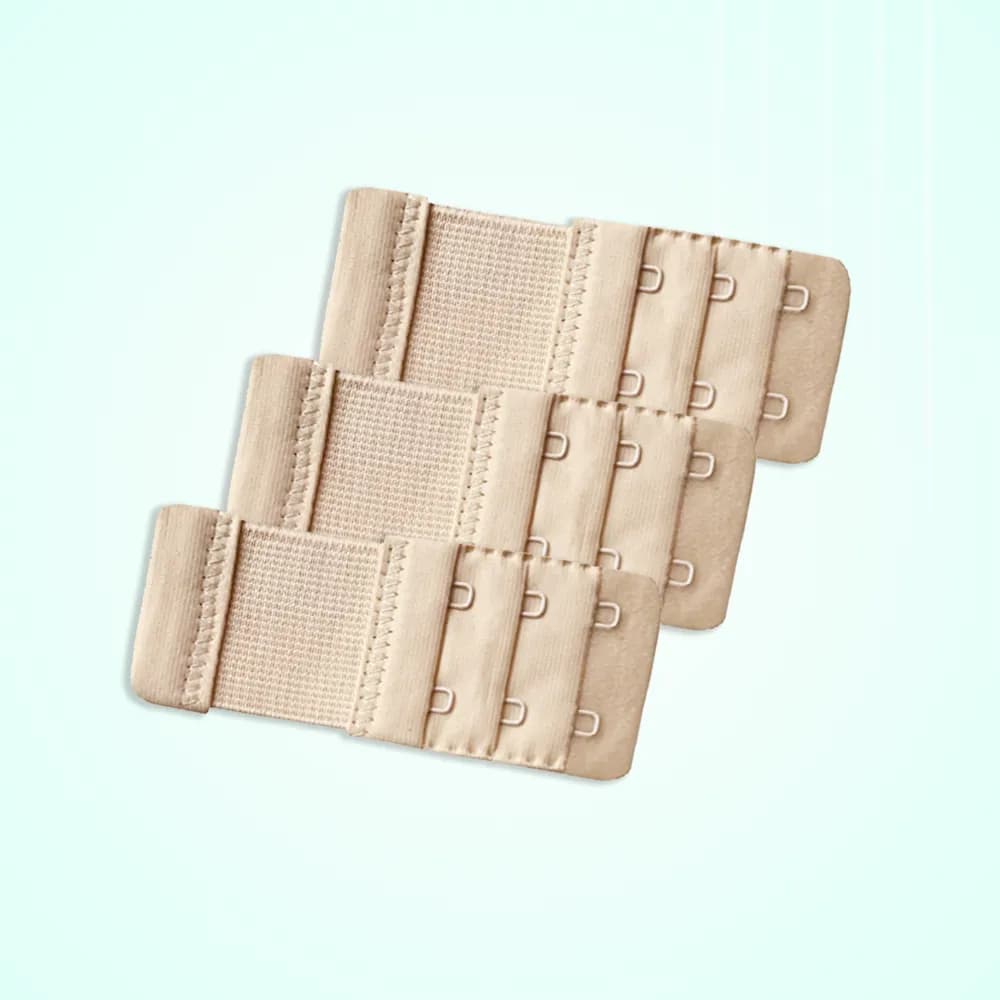
Bra Extenders (Skin) - Pack of 3
Makes Bra Comfortable | Increases Bra Band Strength



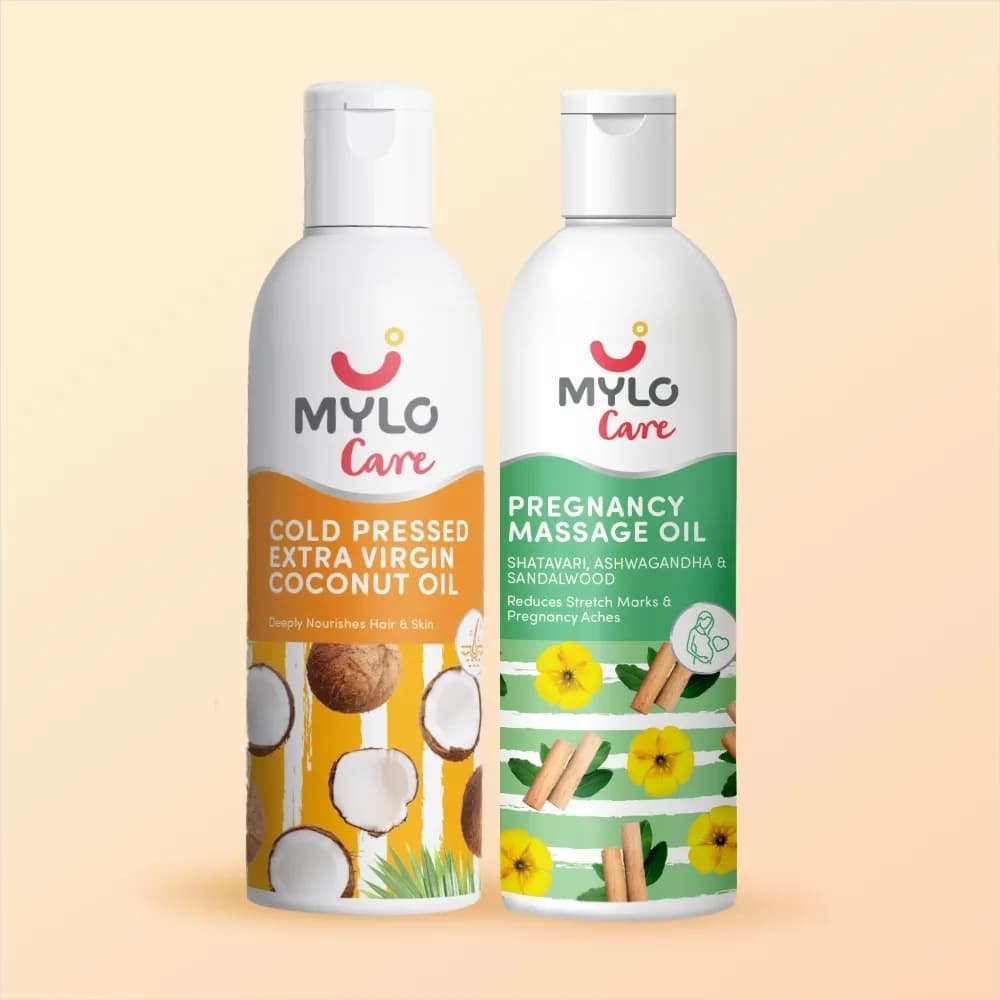
Pregnancy Massage Oil + Coconut Oil - 200 ml each


Article Posted Under
Related Articles
Watery Eyes in Babies: Blocked Tear Duct Causes, Care and When to See a Doctor
 9 min
Second Baby Planning: How Long Should You Wait Between Pregnancies?
 11 min
Baby Kidney Swelling on Ultrasound (Antenatal Hydronephrosis): Will It Go Away?
 8 min
Foods for Height Growth in Toddlers and Kids: What Really Helps (Indian Guide)
 11 min
Related Topics

Medical Disclaimer
This content is for informational purposes only and should not replace professional medical advice. Consult with a physician or other health care professional if you have any concerns or questions about your health. If you rely on the information provided here, you do so solely at your own risk.


AWARDS AND RECOGNITION

Mylo wins Forbes D2C Disruptor award

Mylo wins The Economic Times Promising Brands 2022
AS SEEN IN













- Mylo Care: Effective and science-backed personal care and wellness solutions for a joyful you.
- Mylo Baby: Science-backed, gentle and effective personal care & hygiene range for your little one.
- Mylo Community: Trusted and empathetic community of 10mn+ parents and experts.


Product Categories
Baby Carrier | Baby Soap | Stretch Marks Cream | Baby Cream | Baby Shampoo | Baby Massage Oil | Baby Hair Oil | Stretch Marks Oil | Baby Body Wash | Baby Powder | Baby Lotion | Diaper Rash Cream | Teether | Baby Kajal |