


Orders
.png&w=48&q=75 "login")
Profile


Wallet

Irritable Bowel Syndrome : Meaning, Causes, Types & Treatment
 3 Likes|
 7 min
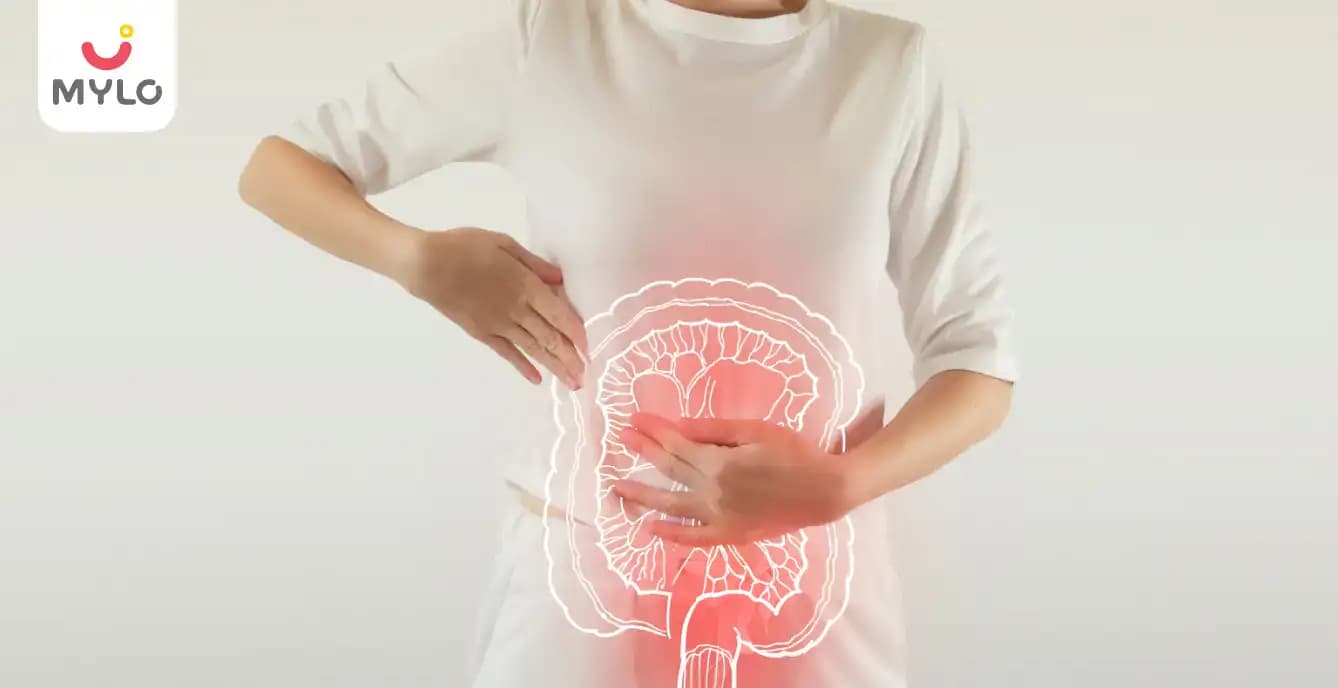
7 minIrritable bowel syndrome or IBS is a common gastrointestinal disorder that affects millions of people around the world. It is a chronic condition that causes a range of uncomfortable symptoms, including abdominal pain, bloating, and changes in bowel movements. In this article, we will explore the meaning, causes, types, and treatment options for irritable bowel syndrome.
What is Irritable Bowel Syndrome?
Irritable Bowel Syndrome (IBS) is a type of disorder that usually affects your intestines and the stomach. Most of the symptoms of IBS relate to the gastrointestinal tract of the body. IBS is a chronic condition that can be managed in the long term with the help of different medications and procedures.
The symptoms might be too severe or mild, depending on the intensity of the disorder in your body. You can manage the disorder with the help of lifestyle, diet, and stress changes. It is advisable to seek doctor consultation and take medications to resolve severe symptoms. IBS is one of the most common functional gastrointestinal tract disorder (FGID).
What Exactly is a Functional GI Disorder?
A functional GI disorder is a disorder of the gastrointestinal tract that is characterised by the occurrence of GI symptoms repeatedly. Instead of structural issues in the GI tract, this type of disorder happens when the GI tract becomes dysfunctional. Because of the deep issues in functionality, it can be difficult to diagnose the functional GI disorder despite undertaking different tests.
You may also like: Eating Disorders: Meaning, Causes, Types & Treatment
Types of IBS
The types of IBS are classified by the types of bowel movements you have and the symptoms you suffer from. Depending on the type of IBS, the course of treatment can vary
Types of IBS are as follows:
1. IBS C
IBS C is IBS with constipation predominant. The condition makes your poop hard and lumpy.
2. IBS D
IBS D is IBS with diarrhoea predominant. It might look like diarrhoea, but if it is persistent, it can be IBS.
3. IBS M
IBS M or with mixed bowel habits is a condition where you might experience a combination of lumpy and hard stool and watery stool due to the syndrome.
Who is at risk of developing IBS?
People who have hypersensitivity in the visceral lining are more prone to the development of IBS. IBS also runs in families and has genetic roots. Therefore, people who have family members with IBS also have the risk of developing the disorder. People who suffer from a lot of stress and take up smoking and alcohol are also at greater risk of developing irritable bowel syndrome.
You may also like: Top 10 Health Issues Related To Women
What are the Causes of IBS?
There are many causes of Irritable Bowel Syndrome like
1. Hereditary issue of IBS
If any family member has any history of the IBS disorder and your hereditary once suffered from it, you have the risk of developing the disease too.
2. Food intolerance
If you have intolerance and sensitivity towards a food group, the regular eating of that food can lead to the development of IBS.
3. Dysmotility
If the muscles of the GI tract do not move properly and cause issues with digestion and proper assimilation of food, dysmotility sets in and causes symptoms of IBS.
4. Nervous hypersensitivity
If the gut nerves turn very sensitive and the visceral region is affected, it can lead to the development of IBS.
5. Brain gut dysfunction
The brain-gut axis is one of the most sensitive and important axes. If the brain and gut communication channel become dysfunctional, the GI tract does not work properly, and IBS starts developing.
You may also like: Top 10 Benefits of Apple Cider Vinegar That Will Blow Your Mind
What are Irritable Bowel Syndrome (IBS) Symptoms?
There are many symptoms of IBS disorder. For example, recurrent abdominal pain, regular cramping and bloating of the gut are signs of IBS. Moreover, qwhen the regularity of bowel movements changes, you should see an experienced gastroenterologist.
How is Irritable Bowel Syndrome Diagnosed?
There is no particular test for diagnosis of irritable bowel syndrome. You have to undergo different types of tests, and the doctor will look at your complete medical history for the diagnosis. The doctor will also use the Rome criteria to diagnose your condition. Under the Rome Criteria, it is a sign of IBS when there is a recurrence of abdominal pain with difficult bowel movements at least once a week consistently for three months. Along with that, there can be changes in the frequency of stool passing or the appearance of the stool different from the normal. Moreover, he will observe the symptoms and your experiences to see what type of IBS it is.
You may also like: Weight Loss Diet Plan for Women
Irritable Bowel Syndrome Treatment
Since IBS has so many types, different people experience it differently. Not every type of treatment works for everyone. However, you can find a type of treatment with a doctor's advice and proper diagnosis. The IBS treatment plan is devised by the doctor. The doctor will advise you to make dietary and lifestyle changes to improve your situation.The doctor will also conduct various tests like blood tests to detect your food group sensitivity and treat it. For instance, if you have lactose intolerance, you have to eat other sources of calcium and not milk.
- You might have to drink more water, eat more fibre and avoid caffeine.
- Along with these changes, you need to exercise regularly so that all the body systems work properly.
- If you are taking a lot of stress and that is acting as a trigger, you might have to take anti-depressants and anti-stress medicines and supplements.
- Over-the-counter medications, such as loperamide (Imodium A-D), can help control diarrhea in patients with diarrhea-predominant IBS.
- Antispasmodic agents and smooth muscle relaxants are useful for relieving intestinal cramping.
- Fiber supplements, probiotics, and laxatives can help improve bowel movements in patients with constipation-predominant IBS.
- Adopting a healthy lifestyle, including regular exercise, a balanced diet, and stress management techniques, can also help manage IBS symptoms.
- In some cases, cognitive-behavioral therapy (CBT) may be recommended to help manage anxiety and depression associated with IBS.
You may also like: Top 10 Benefits of Wheatgrass Powder That Will Blow Your Mind
When to see a doctor
If you see the common symptoms of IBS and feel discomfort in the lower belly, you should visit the doctor. The diagnosis process might take a lot of time because you will have to test for multiple symptoms, but proper diagnosis is very important for the proper treatment of irritable bowel syndrome.
Article Posted Under
Related Articles




Related Topics
.webp&w=32&q=75)
Medical Disclaimer
This content is for informational purposes only and should not replace professional medical advice. Consult with a physician or other health care professional if you have any concerns or questions about your health. If you rely on the information provided here, you do so solely at your own risk.


AWARDS AND RECOGNITION

Mylo wins Forbes D2C Disruptor award

Mylo wins The Economic Times Promising Brands 2022
AS SEEN IN













- Mylo Care: Effective and science-backed personal care and wellness solutions for a joyful you.
- Mylo Baby: Science-backed, gentle and effective personal care & hygiene range for your little one.
- Mylo Community: Trusted and empathetic community of 10mn+ parents and experts.


Product Categories
Baby Carrier | Baby Soap | Baby Wipes | Stretch Marks Cream | Baby Cream | Baby Shampoo | Baby Massage Oil | Baby Hair Oil | Stretch Marks Oil | Baby Body Wash | Baby Powder | Baby Lotion | Diaper Rash Cream | Newborn Diapers | Teether | Baby Kajal | Baby Diapers Pants | Cloth Diapers | Laundry Detergent | Lactation Granules |