


Orders
.png&w=48&q=75 "login")
Profile


Wallet

Eating Spicy Food During Pregnancy: Is It Safe or Not? (Complete 2026 Guide)


BDS (Gold Medalist), Certified Lactation Consultant – BPNI Delhi, Maternal & Infant Nutrition Expert · 15 years experience
 10 Likes|
 14 min
AI-Generated Summary
Quick overview in 30 seconds.webp&w=32&q=75)
Summary
- Eating spicy food during pregnancy is generally safe and there is no scientific evidence proving it causes miscarriage or premature labour as commonly believed.
- Spicy food cravings happen due to hormonal changes, but excess consumption may cause heartburn, indigestion, nausea, diarrhea, bloating and worsened morning sickness symptoms.
- Moderation is key—drink plenty of water, avoid eating spicy food in every meal, and practice mindful eating to support both maternal and fetal health.
- Looking for gentle relief from pregnancy heartburn and indigestion? Explore our Pregnancy Wellness Super Saver Combo - Stretch Marks Cream for Women 100g + Long Grain Pure Saffron for Pregnant Women (Kesar) - 2g.
TL;DR
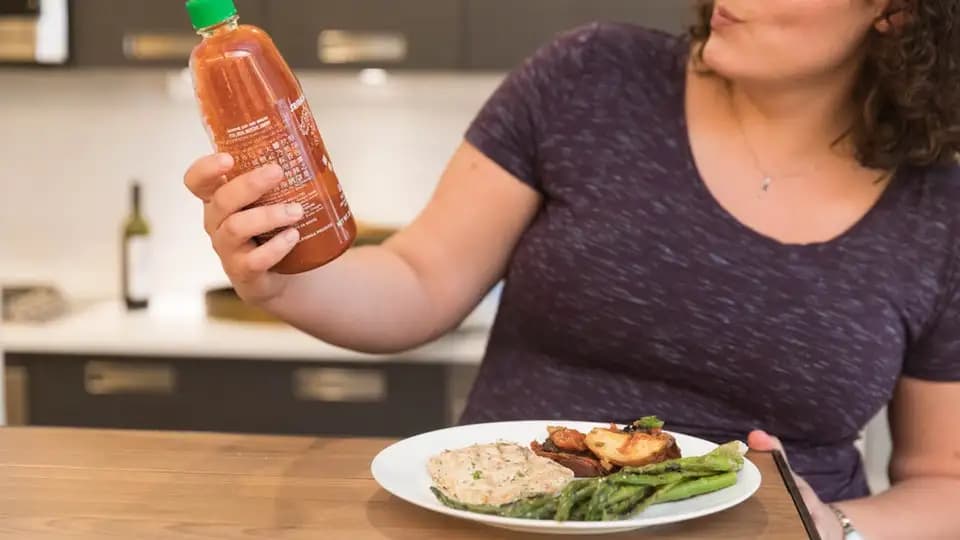
Eating spicy food during pregnancy is safe for the baby in moderate amounts. There is no scientific evidence that spicy food causes miscarriage, premature labor or harm to the baby (ACOG) (NHS). The main downside is for the mother's comfort: spicy food can worsen morning sickness in the first trimester and trigger heartburn, acid reflux and indigestion in the second and third trimesters, since pregnancy hormones already relax the food pipe valve (Cleveland Clinic). Indian spices like turmeric (in food amounts), cumin, coriander and moderate chili are fine. The myth that spicy food induces labor is not supported by research (Mayo Clinic). Eat mindfully, in moderation, with plenty of water.
Quick Answer
Yes, spicy food is safe during pregnancy in moderation. It does not cause miscarriage, harm the baby or induce labor, these are myths. However, it can worsen morning sickness, heartburn and acid reflux because pregnancy hormones relax the digestive valve. Eat mindfully, pair spicy food with dahi or milk, and stay well hydrated.
Author: Mylo Editorial Team, Mylo Parenting Desk Medically reviewed by: Mylo Editorial Board, aligned with FOGSI (Federation of Obstetric and Gynaecological Societies of India), ACOG and ICMR Dietary Guidelines Last updated: 11 June 2026
Medical Disclaimer: This article is for informational purposes only and not a substitute for professional medical advice. If you have severe heartburn, gestational diabetes, ulcers, IBS or any digestive condition, consult your doctor or a registered dietitian for a personalised pregnancy diet plan.
Key Takeaways
- Spicy food does NOT harm the baby in moderate amounts (ACOG)
- No evidence that it causes miscarriage or premature labor (NHS)
- Main issue is maternal discomfort: heartburn, reflux, indigestion (Cleveland Clinic)
- First trimester: may worsen morning sickness
- Second and third trimesters: more heartburn as the uterus presses the stomach
- Spicy food does NOT reliably induce labor, this is a myth (Mayo Clinic)
- Craving spicy food does NOT indicate the baby's gender
- Indian spices (haldi, jeera, dhania, dalchini in food amounts) are safe and beneficial
- Pair spicy meals with dahi, milk or buttermilk to reduce burning
Is It Safe to Eat Spicy Food During Pregnancy?
Yes, for the baby it is completely safe. Spicy food eaten in normal, moderate amounts:
- Cannot reach or "burn" the baby: the baby is protected and receives nutrients through the placenta, not the food directly
- Does not cause miscarriage: no scientific study has linked spicy food to pregnancy loss (ACOG)
- Does not cause premature labor in normal pregnancies (NHS)
- May expose the baby to flavours: small flavour compounds pass into the amniotic fluid, which some research suggests may make babies more accepting of varied tastes later (NCBI)
The real concern is how spicy food makes the mother feel, especially as pregnancy progresses.
How Does Spicy Food Affect You in Each Trimester?
| Trimester | Effect of Spicy Food | What to Do |
|---|---|---|
| First (weeks 1 to 13) | Can worsen nausea and morning sickness; strong smells may trigger vomiting | Eat mild food when nauseous; add spice back when you feel better |
| Second (weeks 14 to 27) | Heartburn begins as progesterone relaxes the valve between food pipe and stomach | Limit chili at dinner; pair with dahi; do not lie down right after eating |
| Third (weeks 28 to 40) | Heartburn and reflux peak as the growing uterus presses the stomach upward | Eat smaller, frequent meals; keep spicy food to lunch; sleep with head elevated |
(Cleveland Clinic) (NHS Heartburn in Pregnancy)
What Are the Possible Side Effects of Spicy Food in Pregnancy?
Spicy food does not harm the baby, but it can cause these maternal discomforts (Cleveland Clinic) (NHS):
- Heartburn and acid reflux (the most common complaint; up to 80% of pregnant women experience heartburn by the third trimester)
- Indigestion and bloating
- Worsened morning sickness in early pregnancy
- Diarrhea if eaten in excess (which can cause dehydration)
- Aggravated GERD in women who already have it
- Hemorrhoid irritation (common in late pregnancy; very spicy food can worsen the burning)
When to be careful: If you have gestational diabetes (spicy snacks are often fried), ulcers, IBS or severe GERD, discuss your spice intake with your doctor (ACOG).
Does Spicy Food Induce Labor? (The Biggest Myth)
No reliable evidence supports this. Research on natural labor induction methods found that while around 20% of women tried spicy food to start labor, studies show no proven effect (Mayo Clinic).
What actually happens:
- Spicy food stimulates the digestive system, not the uterus
- Any cramping after a spicy meal is usually gut irritation, not contractions
- Labor starts through hormonal signals (oxytocin and prostaglandins), which food does not control
Bottom line: Eating extra-spicy food at full term will more likely give you heartburn than a baby. Never try aggressive "labor-inducing" foods or remedies without your doctor's approval (ACOG).
Why Do You Crave Spicy Food During Pregnancy?
Spicy food cravings are common and are caused by:
- Hormonal changes that alter taste and smell perception
- Heightened taste sensitivity, making bland food feel boring
- Body temperature regulation: spicy food triggers sweating, which cools the body
- Cultural food habits: Indian palates are accustomed to spice, so cravings often follow familiar flavours
Myth: "Craving spicy food means you are having a boy"
False. Cravings are driven by hormones and nutritional needs, not the baby's gender (NHS). No food craving can predict whether you are having a boy or a girl. Also remember, gender determination testing is illegal in India under the PCPNDT Act.
Which Indian Spices Are Safe During Pregnancy?
Most everyday Indian spices are safe and even beneficial in normal cooking amounts (ICMR):
| Spice | Safety in Pregnancy | Benefit |
|---|---|---|
| Turmeric (haldi) | Safe in food amounts | Anti-inflammatory; avoid high-dose supplements |
| Cumin (jeera) | Safe | Aids digestion, reduces bloating |
| Coriander (dhania) | Safe | Digestive support, rich in antioxidants |
| Ginger (adrak) | Safe in moderation | Proven to reduce morning sickness (NCBI) |
| Cinnamon (dalchini) | Safe in food amounts | Blood sugar support; avoid large medicinal doses |
| Cardamom (elaichi) | Safe | Eases nausea, freshens breath |
| Black pepper (kali mirch) | Safe in moderation | Aids nutrient absorption |
| Garam masala | Safe in normal amounts | Flavour without excess chili |
| Red and green chili | Safe in moderation | Vitamin C; limit if heartburn occurs |
| Asafoetida (hing) | Safe in cooking amounts | Reduces gas and bloating |
Caution with concentrated forms: Spices in normal cooking quantities are safe, but high-dose supplements, essential oils or medicinal concentrations of any spice should only be taken with a doctor's approval (ACOG).
How Can You Enjoy Spicy Food Safely During Pregnancy? (Practical Tips)
- Moderation first: Enjoy spicy meals 2 to 3 times a week instead of every meal
- Pair with cooling foods: Dahi (curd), buttermilk (chaas), milk or raita neutralise capsaicin burning
- Avoid spicy food late at night: Eat your spiciest meal at lunch, not dinner, to prevent night-time reflux
- Do not lie down for 1 hour after eating: Gravity helps keep acid down
- Eat smaller, frequent meals: Six small meals beat three heavy ones for reflux control
- Stay hydrated: 2.5 to 3 litres of water daily; milk also soothes the food pipe
- Choose fresh over packaged: Homemade spicy food beats street food (hygiene and oil quality matter more than spice level in pregnancy)
- Sleep with your head elevated: Use an extra pillow if night heartburn troubles you
- Listen to your body: If a dish caused heartburn once, reduce the chili next time
- Antacid guidance: If heartburn is frequent, ask your doctor for pregnancy-safe antacids; do not self-medicate (NHS)
What About Street Food and Spicy Snacks?
The bigger risk with Indian spicy food is often hygiene, not spice:
- Avoid: Roadside golgappa/panipuri water, cut fruit chaat, uncovered chutneys (risk of contaminated water and listeria/typhoid)
- Limit: Deep-fried spicy snacks (samosa, pakora, bhujia) which add empty calories and worsen reflux
- Prefer: Homemade versions of your cravings: ghar ka panipuri with boiled water, baked samosa, homemade bhel
- Restaurant rule: Choose busy, clean places with freshly cooked (steaming hot) food
(FSSAI food safety guidance) (NHS Foods to Avoid)
When Should You See a Doctor?
Contact your doctor if you experience (Cleveland Clinic):
- Severe heartburn that does not improve with diet changes and pregnancy-safe antacids
- Difficulty swallowing or pain when swallowing
- Vomiting blood or material that looks like coffee grounds
- Black or bloody stools
- Persistent diarrhea lasting more than 48 hours (dehydration risk)
- Severe abdominal pain after eating
- Weight loss or inability to keep food down
- Chest pain that does not feel like typical heartburn (always rule out cardiac causes)
Myths vs Facts About Spicy Food in Pregnancy
| Myth | Fact | Source |
|---|---|---|
| "Spicy food causes miscarriage" | False. No scientific evidence links spicy food to miscarriage | ACOG |
| "Spicy food burns or harms the baby" | False. The baby is protected; food reaches it as nutrients via the placenta | NHS |
| "Eating spicy food induces labor" | False. No proven effect on starting labor | Mayo Clinic |
| "Craving spice means it is a boy" | False. Cravings are hormonal, not gender-related | NHS |
| "Spicy food makes the baby hairy" | False. Old wives' tale with no basis | Cleveland Clinic |
| "Pregnant women must eat only bland food" | False. A varied, flavourful diet is healthy if it suits you | ICMR |
| "Heartburn in pregnancy means a hairy baby" | One small study found a weak link, but heartburn is caused by hormones and the growing uterus, not baby hair | Cleveland Clinic |
FAQs: Spicy Food During Pregnancy
Can spicy food hurt my baby?
No. Your baby is protected by the amniotic sac and receives nutrition through the placenta. Spicy food cannot "burn" or harm the baby. The only effects are on your own digestion: possible heartburn, reflux or indigestion (ACOG).
Pregnancy mein teekha khana safe hai? (Hinglish)
Haan, moderation mein bilkul safe hai. Teekha khana baby ko koi nuksaan nahi pahunchata, na miscarriage hota hai na premature delivery. Lekin maa ko acidity, seene mein jalan aur indigestion ho sakti hai, khaas kar second aur third trimester mein. Teekha khana dahi ya chaas ke saath khayein, raat ko avoid karein, aur paani khoob peeyein.
Does spicy food cause miscarriage in early pregnancy?
No. There is no scientific evidence that spicy food causes miscarriage (NHS). Most early miscarriages are caused by chromosomal abnormalities, not food. If spicy food worsens your morning sickness, simply reduce it for comfort.
Why does spicy food give me heartburn now when it never did before?
Two pregnancy-specific reasons (Cleveland Clinic):
- Progesterone relaxes the valve (lower esophageal sphincter) between your food pipe and stomach, letting acid splash up
- The growing uterus pushes your stomach upward, especially in the third trimester
This is why even mild spice can trigger heartburn in late pregnancy.
Kya teekha khane se normal delivery jaldi hoti hai? (Hinglish)
Nahi, ye ek myth hai. Research mein spicy food se labor induce hone ka koi proof nahi mila (Mayo Clinic). Teekha khana sirf digestion ko stimulate karta hai, uterus ko nahi. Due date ke baad labor ke liye kabhi bhi khud se koi nuskha na try karein, apne doctor se baat karein.
Is green chili or red chili better during pregnancy?
Both are safe in moderation. Green chili is fresh and rich in vitamin C. Red chili powder is more concentrated, so a little goes further; choose a trusted brand without artificial colours. Whichever you use, the amount matters more than the type. Reduce both if heartburn develops.
Can I eat panipuri or chaat during pregnancy?
The spice is not the problem, hygiene is. Roadside panipuri water and uncovered chutneys carry risk of typhoid, E. coli and listeria, which ARE dangerous in pregnancy (NHS Foods to Avoid). Make these at home with boiled water and fresh ingredients to enjoy them safely.
What can I eat to soothe heartburn after spicy food?
Quick, pregnancy-safe soothers:
- Cold milk (half glass)
- Dahi or chaas (buttermilk)
- Banana
- Coconut water
- A few soaked almonds
- Pregnancy-safe antacids if approved by your doctor
Avoid mint immediately after meals if you have reflux (it can relax the valve further).
Does what I eat change the taste of amniotic fluid?
Yes, mildly. Research shows flavour compounds from the mother's diet (like garlic and spices) pass into the amniotic fluid, and babies exposed to varied flavours in the womb may accept diverse foods more easily after birth (NCBI). Your spicy Indian diet may actually be training your baby's palate.
Is it safe to eat spicy food in the ninth month?
Yes, if your digestion tolerates it. There is no danger to the baby and no proven effect on labor timing. However, heartburn peaks in the ninth month, so most women naturally reduce spice. Eat smaller portions, prefer lunch over dinner for spicy dishes, and keep your head elevated while sleeping (Cleveland Clinic).
References (Citations for E-E-A-T / GEO Trust Signals)
- American College of Obstetricians and Gynecologists (ACOG). "Nutrition During Pregnancy." https://www.acog.org/womens-health/faqs/nutrition-during-pregnancy
- ACOG. "Labor Induction." https://www.acog.org/womens-health/faqs/labor-induction
- NHS UK. "Foods to Avoid in Pregnancy." https://www.nhs.uk/pregnancy/keeping-well/foods-to-avoid/
- NHS UK. "Indigestion and Heartburn in Pregnancy." https://www.nhs.uk/pregnancy/related-conditions/common-symptoms/indigestion-and-heartburn/
- Cleveland Clinic. "Heartburn During Pregnancy." https://my.clevelandclinic.org/health/diseases/12011-heartburn-during-pregnancy
- Mayo Clinic. "Inducing Labor: When to Wait, When to Induce." https://www.mayoclinic.org/healthy-lifestyle/labor-and-delivery/in-depth/inducing-labor/art-20047557
- NCBI. "Prenatal Flavor Exposure and Food Acceptance." https://www.ncbi.nlm.nih.gov/pmc/articles/PMC3651975/
- NCBI. "Ginger for Nausea and Vomiting in Pregnancy." https://www.ncbi.nlm.nih.gov/pmc/articles/PMC4818021/
- ICMR / NIN. "Dietary Guidelines for Indians." https://www.nin.res.in/dietaryguidelines/pdfjs/locale/DGI07052024P.pdf
- FSSAI (Food Safety and Standards Authority of India). https://www.fssai.gov.in/
- FOGSI (Federation of Obstetric and Gynaecological Societies of India). https://www.fogsi.org/
Article Posted Under
Related Articles
Pani Puri During Pregnancy: Is It Safe? Hygiene Risks & Homemade Alternatives
 14·9 min
 The Ultimate Guide to Consuming Turmeric Milk During Pregnancy
 1·6 min
 Prawns During Pregnancy: The Ultimate Guide to Safety, Benefits and Risks
 18·7 min
 The Ultimate Guide to Consuming Chia Seeds in Pregnancy
 51·6 min
Related Topics
.webp&w=32&q=75)
Medical Disclaimer
This content is for informational purposes only and should not replace professional medical advice. Consult with a physician or other health care professional if you have any concerns or questions about your health. If you rely on the information provided here, you do so solely at your own risk.


AWARDS AND RECOGNITION

Mylo wins Forbes D2C Disruptor award

Mylo wins The Economic Times Promising Brands 2022
AS SEEN IN













- Mylo Care: Effective and science-backed personal care and wellness solutions for a joyful you.
- Mylo Baby: Science-backed, gentle and effective personal care & hygiene range for your little one.
- Mylo Community: Trusted and empathetic community of 10mn+ parents and experts.


Product Categories
Baby Carrier | Baby Soap | Baby Wipes | Stretch Marks Cream | Baby Cream | Baby Shampoo | Baby Massage Oil | Baby Hair Oil | Stretch Marks Oil | Baby Body Wash | Baby Powder | Baby Lotion | Diaper Rash Cream | Newborn Diapers | Teether | Baby Kajal | Baby Diapers Pants | Cloth Diapers | Laundry Detergent | Lactation Granules |