


Orders
.png&w=48&q=75 "login")
Profile


Wallet

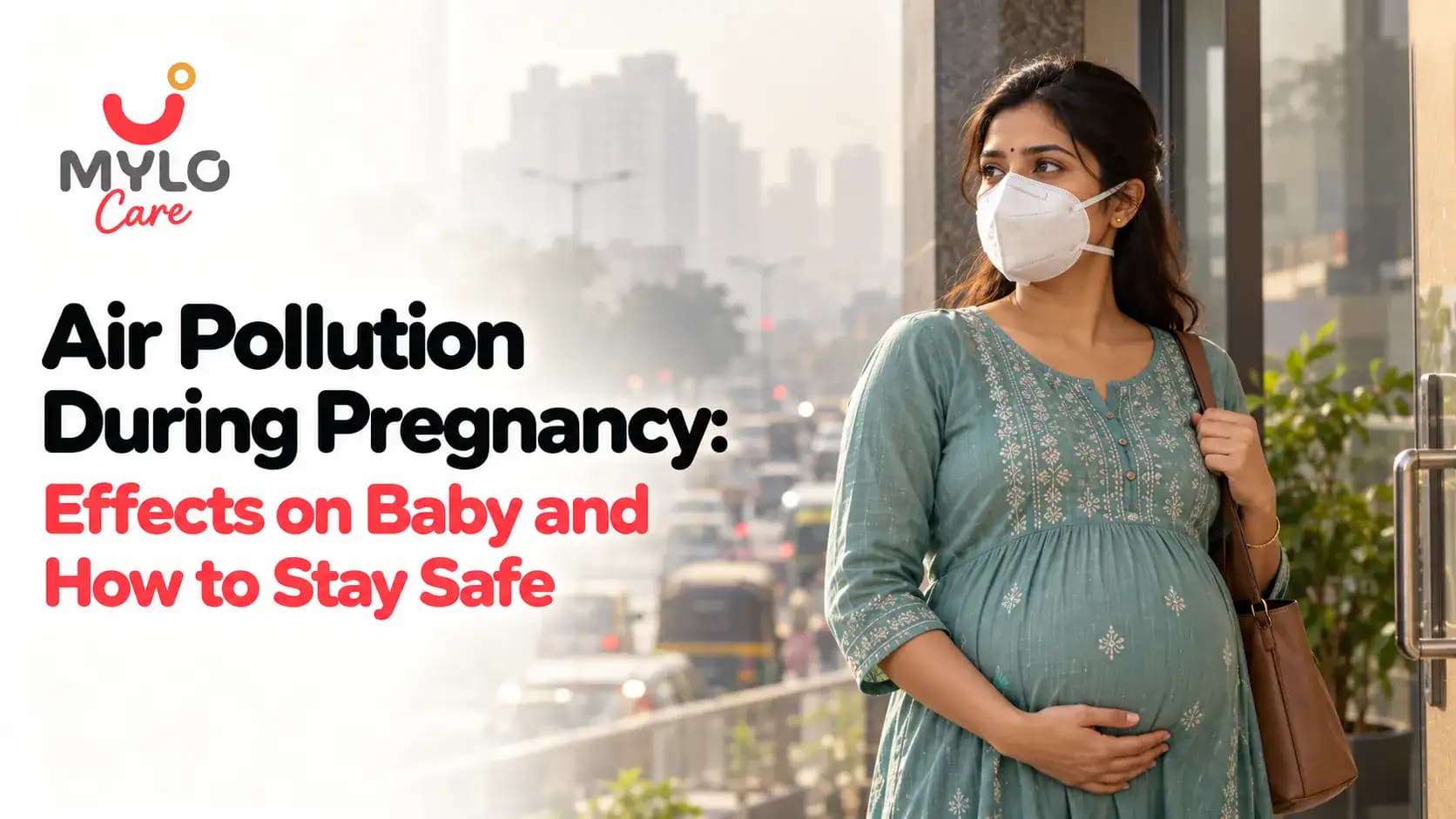
Air Pollution During Pregnancy: Effects on Baby and How to Stay Safe
 17 min
Every winter, the same worry returns for millions of expecting mothers in India. The sky turns grey, the AQI app shows red or purple, and you wonder: “Is this air harming my baby? Should I even step outside?”
Your worry is valid. Research from India and around the world shows that air pollution during pregnancy is linked to preterm birth, low birth weight and other complications. But there is also good news: simple, practical steps can greatly reduce how much polluted air you breathe, at home, outdoors and on your commute.
This guide explains how air pollution affects pregnancy and your baby, what to do at every AQI level, whether N95 masks are safe for pregnant women, and how to make your home a clean-air zone before the Diwali and winter smog season.
Quick answer: Air pollution, especially fine particles called PM2.5, is linked to preterm birth, low birth weight and pregnancy loss. When the AQI is above 200 (Poor or worse), pregnant women should stay indoors as much as possible, keep windows closed during peak pollution hours, use a HEPA air purifier, and wear a well-fitted N95 mask when going out. Never skip your antenatal check-ups because of pollution. Just plan your travel carefully.
Why Pregnant Women Are More Affected by Air Pollution
Pregnancy changes the way your body breathes and circulates blood:
You breathe in more air. Your breathing volume increases during pregnancy to supply oxygen to your baby, so you also take in more pollutants.
Your blood volume rises. Pollutants that enter your bloodstream can travel through your body and reach the placenta.
Your baby is growing fast. The organs, lungs and brain are developing throughout pregnancy, which makes this a sensitive time.
A study published in Nature Communications found tiny black carbon particles from polluted air on the baby’s side of the placenta, showing that what a mother breathes can reach her baby before birth.
What Is PM2.5 and Why Does It Matter in Pregnancy?
PM2.5 means tiny particles in the air that are 2.5 micrometres or smaller, about 30 times thinner than a human hair. They come from vehicle exhaust, firecrackers, crop burning, construction dust, cooking smoke and burning wood or coal.
Because they are so small, PM2.5 particles can travel deep into the lungs and enter the bloodstream. This is why most pregnancy research focuses on PM2.5. Other pollutants such as PM10, nitrogen dioxide (NO2), ozone and carbon monoxide can also affect breathing and overall health.
Effects of Air Pollution on Your Baby During Pregnancy
1. Low Birth Weight and Preterm Birth
A large Indian study using National Family Health Survey (NFHS-5) data found that higher PM2.5 exposure during pregnancy was linked to higher chances of both low birth weight and premature birth. For every 10 µg/m³ rise in PM2.5, low birth weight increased by about 5% and preterm birth by about 12%. Babies in North Indian districts, where winter pollution is highest, appeared to be most affected.
2. Miscarriage and Stillbirth
A study in The Lancet Planetary Health estimated that around 7% of pregnancy losses in South Asia each year were linked to PM2.5 levels above India’s national air quality standard. Each 10 µg/m³ rise in PM2.5 was linked to about a 3% higher risk of pregnancy loss, and most of these cases were in India.
3. Effects on the Mother’s Health
Doctors in Delhi-NCR have reported more pregnant women with breathlessness, coughing, dizziness and raised blood pressure after pollution spikes, especially after Diwali. Women with asthma may have more frequent flare-ups.
4. Smoke From Cooking Fuels at Home
Pollution is not only outdoors. A large study of over 65,000 pregnancies in rural communities, including in India, found that homes cooking with wood, coal or other polluting fuels had a higher risk of stillbirth and early newborn death than homes using clean fuels like LPG.
5. Other Possible Effects Researchers Are Studying
Some studies have linked air pollution during pregnancy to high blood pressure in pregnancy and gestational diabetes, and to a higher chance of asthma in children later in life. These links are still being studied and are less certain than the effects on birth weight and preterm birth.
What this means for you: These studies show a link across large populations, not that pollution will definitely harm your baby. Reducing your exposure is still one of the most protective things you can do.
Understanding the AQI: What Each Level Means for Pregnant Women
India’s Air Quality Index (AQI), set by the Central Pollution Control Board (CPCB), has six levels. Check your city’s live AQI every morning on CPCB’s official SAMEER app or any trusted air quality app.
AQI | Level | What It Means |
|---|---|---|
0 to 50 | 🟢 Good | Minimal health impact |
51 to 100 | 🟡 Satisfactory | Minor breathing discomfort for sensitive people |
101 to 200 | 🟠 Moderate | Breathing discomfort for people with lung or heart conditions, children and older adults |
201 to 300 | 🔴 Poor | Breathing discomfort for most people on prolonged exposure |
301 to 400 | 🟣 Very Poor | Respiratory illness on prolonged exposure |
401 to 500 | 🟤 Severe | Affects healthy people and seriously affects those with existing illness |
For reference, the WHO air quality guidelines recommend that daily PM2.5 should stay below 15 µg/m³, while India’s daily standard is 60 µg/m³. In many Indian cities, winter levels are several times higher.
What to Do at Each AQI Level During Pregnancy
AQI Level | What Pregnant Women Should Do |
|---|---|
Good (0 to 50) | Enjoy your normal routine, including outdoor walks. Open windows to air out your home. |
Satisfactory (51 to 100) | Normal activity is fine. If you have asthma, keep your inhaler handy. |
Moderate (101 to 200) | Shorten long outdoor walks. Avoid busy roads and walk in parks or quieter lanes. |
Poor (201 to 300) | Stay indoors as much as possible. Wear an N95 mask outside. Keep windows closed during peak hours and run an air purifier. Move your walk indoors. |
Very Poor (301 to 400) | Go out only for essential trips, such as doctor visits. Always wear an N95. Keep the purifier running in the room where you spend most time. |
Severe (401 to 500) | Stay indoors. Postpone non-urgent travel. Wear an N95 even for short trips. Call your doctor if you feel breathless, dizzy or unwell. |
Important: Do not miss your antenatal check-ups or scans because of pollution. Wear an N95, travel by car with windows closed, and go when traffic is lighter.
Is It Safe to Wear an N95 Mask During Pregnancy?
Yes, for most healthy pregnant women. A study by NIOSH, a US government research institute, tested healthy women in their second and third trimesters wearing N95 masks for one hour. Their heart rate, breathing, oxygen levels and their babies’ heart rates were not meaningfully different from those of women who were not pregnant.
How to Choose and Use a Mask
Choose N95 or FFP2. In India, look for respirators certified to BIS standard IS 9473. Cloth and surgical masks do not filter PM2.5 well.
Fit matters most. The mask should seal around your nose and chin without gaps. Press the nose clip firmly.
Take breaks in clean indoor air if you need to wear it for long hours.
Replace it when it becomes dirty, damp, damaged or harder to breathe through.
Remove it and rest if you feel breathless, dizzy or uncomfortable.
If you have asthma, heart disease or any breathing condition, ask your doctor before wearing an N95 for long periods.
When Is the Best Time to Go Outside During Pollution?
In winter, pollution often builds up overnight and stays high in the early morning and late evening, when cold air traps smoke and dust close to the ground. Air quality is often slightly better in the afternoon, when sunlight warms the air and helps pollutants disperse.
Check the live AQI before stepping out, as it can change hour to hour.
Skip early morning walks on high-pollution days, even though mornings feel fresh.
Avoid peak traffic hours and busy main roads.
In the car, keep the windows closed and use the recirculation mode on the AC.
How to Make Your Home a Clean-Air Zone
You spend most of your time indoors, so cleaner air at home makes a big difference.
Use an Air Purifier the Right Way
Choose a purifier with a True HEPA filter and a CADR (clean air delivery rate) suited to your room size.
Run it in the bedroom, where you spend the most hours, and keep doors and windows closed while it works.
Clean or replace filters as the manufacturer recommends.
Cut Down Indoor Pollution Sources
Avoid agarbatti, dhoop, camphor and mosquito coils. These release fine particles indoors. Use mosquito nets or plug-in repellents instead, after checking with your doctor.
Stay away from cigarette and bidi smoke, including second-hand smoke. Ask family members not to smoke at home.
Use the kitchen chimney or exhaust fan while cooking, especially when frying or tempering spices.
Avoid wood, coal or kerosene stoves (chulha) if possible.
Wet-mop instead of sweeping to avoid stirring up dust.
Avoid strong room fresheners, spray paints and harsh cleaning chemicals.
Ventilate Smartly
Open windows for a short time when the AQI is lower, usually in the afternoon, and keep them closed when pollution peaks.
Indoor plants make your home feel fresh, but they do not clean the air enough to protect you from heavy pollution.
Diwali and Winter Smog: Extra Precautions for Pregnant Women
Pollution in North India usually peaks from late October to January because of firecrackers, crop residue burning, vehicle smoke and cold, still air.
Do not burst firecrackers, and stay indoors with windows closed when others are bursting them nearby.
Light just a few diyas in a well-ventilated area, and keep agarbatti and dhoop to a minimum during puja.
Keep the air purifier running on Diwali night and the days after.
Plan essential travel for the afternoon, when the air is often slightly better.
Keep your medicines ready if you have asthma, and follow your doctor’s plan.
For more ways to reduce pollution at home and in your daily routine, read our guide on how to reduce air pollution in your daily life.
Best Pregnancy Diet to Help Your Body Cope With Pollution
No food can undo the effects of polluted air, but a nutrient-rich diet keeps your body strong and supports your baby’s growth. Researchers are studying whether antioxidant-rich foods may help the body handle stress caused by pollution.
Vitamin C: Amla, guava, oranges, lemon and tomatoes
Vitamin E: Almonds, sunflower seeds and peanuts
Omega-3 fats: Walnuts, flaxseeds and fish low in mercury (if you eat non-vegetarian food)
Beta-carotene: Carrots, pumpkin and leafy greens
Iron-rich foods: Spinach, dates, beans and lentils, paired with vitamin C for better absorption
Fluids: Drink plenty of water to stay well hydrated
Keep taking your prescribed supplements. See our guide to vitamins and supplements in pregnancy and our healthy pregnancy food guide.
How to Stay Active When It Is Too Polluted to Walk Outside
Regular movement is important in pregnancy, even when the air outside is bad:
Walk indoors, around your home, in a mall or on a building corridor
Try prenatal yoga or gentle stretching at home in a purified room
Practise breathing and relaxation exercises indoors
Avoid intense exercise outdoors when the AQI is Poor or worse
Always check with your doctor before starting any new exercise in pregnancy.
Who Is at Higher Risk From Air Pollution During Pregnancy?
Talk to your doctor early in the pollution season if you have:
Asthma, allergies or any lung condition
Heart disease or high blood pressure
Anaemia
A history of preterm birth or a baby with low birth weight
Twins or a high-risk pregnancy
Warning Signs: When to See a Doctor
Contact your doctor straight away if you notice:
Breathlessness or difficulty breathing, even at rest
Chest pain, tightness or wheezing
A cough that does not go away
Severe headache, blurred vision or swelling of the face and hands, which can be signs of high blood pressure
Dizziness or fainting
Your baby moving less than usual
Asthma symptoms that are not relieved by your usual inhaler
Myths vs Facts About Pollution in Pregnancy
Myth | Fact |
|---|---|
“Indoor air is always safe.” | Indoor air can be as polluted as outdoor air, especially with agarbatti, cooking smoke and open windows during peak hours. |
“A cloth or surgical mask is enough.” | Only well-fitted N95 or FFP2 respirators filter fine PM2.5 particles effectively. |
“Morning walks are healthiest.” | In winter, early mornings are often the most polluted time of day. |
“Plants can purify my home.” | Plants do not clean the air enough to protect you from heavy pollution. |
“Jaggery or home remedies remove pollution from the body.” | There is no proof that any food detoxifies pollution. Reducing exposure is what protects you. |
How Mylo Helps You Through Pollution Season
The Mylo app gives you week-by-week pregnancy guidance, Indian diet charts and a community of moms who share your due date. On high-AQI days, you can connect with mothers who share your due date, share tips for staying safe and get expert-verified advice for your exact week of pregnancy. Track your baby’s growth in the pregnancy week by week guide.
The Bottom Line
Air pollution during pregnancy is a real concern in India, but you are not powerless. Check the AQI every day, stay indoors when it is Poor or worse, use an air purifier at home, wear a well-fitted N95 mask outside, avoid indoor smoke, and eat a nutritious diet. Most importantly, keep attending your check-ups and call your doctor if you notice any warning signs. Small daily steps can make a big difference for you and your baby.
Frequently Asked Questions
1. How does air pollution affect pregnancy?
Air pollution, especially PM2.5, is linked to a higher risk of preterm birth, low birth weight, miscarriage and stillbirth. It can also cause breathlessness, coughing and higher blood pressure in pregnant women, and may worsen asthma.
2. What are the effects of air pollution on the baby during pregnancy?
Research shows that fine pollution particles can reach the placenta, and higher pollution exposure is linked to lower birth weight and premature birth. Reducing your exposure with masks, purifiers and staying indoors on high-AQI days helps protect your baby.
3. What AQI is safe for pregnant women?
An AQI of 0 to 100 (Good or Satisfactory) is safe for normal activity. Between 101 and 200, limit long outdoor activity. Above 200 (Poor or worse), pregnant women should stay indoors as much as possible and wear an N95 mask when going out.
4. Is it safe to wear an N95 mask during pregnancy?
Yes, for most healthy pregnant women. A NIOSH study found that wearing an N95 for an hour did not cause meaningful changes in breathing, oxygen levels or the baby’s heart rate. If you have asthma or a heart condition, ask your doctor first.
5. Should I use an air purifier during pregnancy?
An air purifier with a True HEPA filter can reduce indoor PM2.5, especially in the bedroom. Choose one with a CADR suited to your room size, and keep doors and windows closed while it runs.
6. Is it safe to go for a walk in pollution while pregnant?
When the AQI is Poor or worse, it is best to walk indoors instead. On better days, walk in parks or quieter lanes, avoid early mornings in winter, and stay away from busy roads.
7. Which trimester is most affected by air pollution?
Research suggests exposure in every trimester may matter, as your baby’s organs, lungs and brain develop throughout pregnancy. It is best to reduce exposure for the entire nine months.
8. Can I celebrate Diwali safely during pregnancy?
Yes. Avoid bursting firecrackers, stay indoors with windows closed when others are bursting them, light just a few diyas, limit agarbatti and dhoop, and keep your air purifier running.
9. Does agarbatti or mosquito coil smoke affect pregnancy?
Agarbatti, dhoop and mosquito coils release fine particles indoors. It is best to limit them during pregnancy, especially in closed rooms.
10. What should I eat to protect myself from pollution during pregnancy?
Eat foods rich in vitamin C (amla, guava, oranges), vitamin E (nuts and seeds), omega-3 fats (walnuts, flaxseeds) and iron, and drink plenty of water. A good diet supports your health, but it cannot replace reducing your exposure to polluted air.
Medical Disclaimer: This article is for general information only and is not a substitute for professional medical advice. Always consult your gynaecologist about your health and your baby’s health, especially if you have asthma, heart disease or any breathing problems.
References
In-utero exposure to PM2.5 and adverse birth outcomes in India, NFHS 2019 to 21. PMC
Estimation of pregnancy losses attributable to ambient fine particles in South Asia. The Lancet Planetary Health, 2021. Link
Ambient black carbon particles reach the fetal side of human placenta. Nature Communications, 2019. Link
N95 respirator use during advanced pregnancy. NIOSH, American Journal of Infection Control, 2014. CDC Stacks
Impact of exposure to cooking fuels on stillbirths and neonatal mortality. Maternal Health, Neonatology and Perinatology, 2015. PMC
Effects of air pollution on adverse birth outcomes and pregnancy complications. Scientific Reports, 2023. Link
WHO Global Air Quality Guidelines, 2021. WHO
National Air Quality Index. Central Pollution Control Board
Protein Diskettes for a Healthy Pregnancy
Everyday nutrition to keep you strong





Article Posted Under
Related Articles




Related Topics
.webp&w=32&q=75)
Medical Disclaimer
This content is for informational purposes only and should not replace professional medical advice. Consult with a physician or other health care professional if you have any concerns or questions about your health. If you rely on the information provided here, you do so solely at your own risk.


AWARDS AND RECOGNITION

Mylo wins Forbes D2C Disruptor award

Mylo wins The Economic Times Promising Brands 2022
AS SEEN IN












- Mylo Care: Effective and science-backed personal care and wellness solutions for a joyful you.
- Mylo Baby: Science-backed, gentle and effective personal care & hygiene range for your little one.
- Mylo Community: Trusted and empathetic community of 10mn+ parents and experts.


Product Categories
Baby Carrier | Baby Soap | Baby Wipes | Stretch Marks Cream | Baby Cream | Baby Shampoo | Baby Massage Oil | Baby Hair Oil | Stretch Marks Oil | Baby Body Wash | Baby Powder | Baby Lotion | Diaper Rash Cream | Newborn Diapers | Teether | Baby Kajal | Baby Diapers Pants | Cloth Diapers | Laundry Detergent | Lactation Granules |