


Orders

Profile


Wallet


Baby Care
1 hour ago
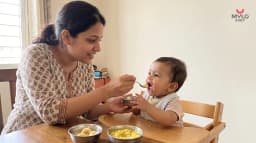
Q: I have started giving semisolid food to my baby yesterday i gave her apple and carrot pure from night she is pooiping today morning also she pooped 3 times i am worried please help
 3Answer


Quick Answer
After starting solids, your baby's poop usually becomes firmer, smellier and more varied in colour, and it may come more or less often. This is normal. Frequent nappy changes can irritate the skin, so clean gently with wipes such as Gentle Baby Wipes with Lid - Pack of 3. Call your doctor about red, black, white or watery poop.
You gave your baby her first spoonfuls of apple or carrot puree, and now the nappies look, smell and arrive completely differently. Maybe she pooped three times since last night, or not at all today. It is very natural to worry. Most of these changes are simply your baby's tummy learning to handle new food. Here is what is normal, what is not, and when to call your paediatrician.
What changes in baby poop after starting solids?
Your baby's digestive system is still immature and needs time to process new foods, according to the American Academy of Pediatrics (AAP). As it adjusts, you may notice:
Change | What you might see | Is it normal? |
|---|---|---|
Texture | Firmer, thicker, more like paste than liquid | Yes |
Colour | Changes with food, such as orange after carrot or dark green after peas and green vegetables | Yes |
Smell | Much stronger than before | Yes |
Bits of food | Pieces of peas, corn, or vegetable and fruit skins | Yes |
Frequency | More often or less often than before | Usually, for the first days or weeks |
Very loose, watery or full of mucus | Runny poop, much more often than usual | Slow down solids and talk to your doctor if it continues |
The AAP says that if the poop is extremely loose, watery or full of mucus, the gut may be irritated. In that case, reduce the amount of solids and introduce them more slowly. If it carries on, talk to your doctor.
What colour should baby poop be after starting solids?
Most shades of yellow, brown and green are normal, the AAP explains, and solid foods often add new shades.
Colour | What it usually means |
|---|---|
Yellow, tan or brown | Normal |
Green or dark green | Usually normal, often after green vegetables like spinach or peas |
Orange | Usually from orange foods like carrot, sweet potato or pumpkin |
Red | Can be from foods like beetroot, but can also be blood. Always check with your doctor |
Black | Can be a sign of old blood. Check with your doctor (this does not apply to the first few days after birth) |
White, grey or very pale | Rare, but see a doctor as soon as possible, as it can be caused by a liver problem |
If you have just given your baby beetroot and the poop is red, mention it to your doctor anyway. They can tell you whether it is food colour or something to check.
How often should a baby poop after starting solids?
There is no fixed "right" number. Some babies poop after almost every solid meal in the first days, and others go less often than before. What matters more is the texture, your baby's mood and whether she is feeding well.
Breastfed babies in particular can go several days between poops and still be well, the AAP notes. A change in pattern for a few days after starting solids is common while the gut adjusts.
Is it normal for a baby to poop after every solid meal?
Often, yes, especially in the first days of solids. If the poop is soft but not watery, your baby is feeding and playing as usual, and she is having her normal number of wet nappies, frequent poops are usually not a concern. If the poop turns very watery or full of mucus, follow the AAP's advice to slow down solids and speak to your doctor if it continues.
Why is there undigested food in my baby's poop?
This is normal. The AAP says that if foods are not strained, poop may contain pieces of food, especially the outer skins of peas, corn and tomatoes and other vegetables. Your baby is still learning to chew, and her gut is still maturing.
What if my baby gets constipated after starting solids?
Some babies have harder poops or go less often when they start solids. The AAP suggests looking for these signs of real constipation:
poops that are unusually hard, or have blood linked to hard poop
straining for more than 10 minutes without success
much fewer poops than before
being unusually fussy, or spitting up more than usual
Remember that babies often go red in the face and grunt while pooping, and this alone is not constipation.
Once your baby is eating solids, the AAP suggests offering more vegetables and fruits, especially prunes. Keep up her usual breast milk or formula feeds. If these changes do not help, call your paediatrician. Our guide on constipation in babies has more detail.
Could a change in poop mean a food allergy?
Sometimes. The NHS lists diarrhoea, constipation, tummy pain and being sick among the possible signs of a food allergy, along with:
a red, itchy rash
swollen lips or face
red, itchy, watery eyes
wheezing or coughing
Reactions usually happen within minutes of trying a new food, but they can take up to 2 hours. With some allergies, such as cow's milk allergy, symptoms can take up to 3 days to appear.
This is why the NHS advises introducing foods that can trigger allergies, such as eggs, peanuts, gluten and fish, one at a time and in small amounts from around 6 months, so you can spot any reaction.
Tips to help your baby's tummy settle
Introduce new foods slowly. Offer one new food at a time, especially foods that can trigger allergies, and watch how your baby reacts.
Go at your baby's pace. The NHS says some days babies will eat more and some days less, and this is normal.
Keep up milk feeds. Breast milk or formula is still your baby's main source of nutrition in the first months of solids.
Look after her skin. More frequent or looser poop can irritate the nappy area. Change nappies promptly, clean gently and let the skin dry before putting on a fresh nappy. Our guide to diaper rash explains what to do if redness appears.
Keep a simple food and nappy diary for the first few weeks. It makes it easier to spot a pattern and to answer your doctor's questions.
For first food ideas, see our food chart for 6-month-old babies.
When should you call your doctor?
Call your paediatrician the same day if your baby has:
red or black poop that is not explained by food, or any blood in the poop
white, grey or very pale poop
very watery poop, poop full of mucus, or much more frequent poops that do not settle when you slow down solids
signs of dehydration, such as fewer wet nappies than usual
stopped breast or bottle feeding
diarrhoea lasting more than 7 days
vomiting along with the change in poop, or a fever
hard poop with straining, pain or blood
These signs are based on advice from the AAP and the NHS. The NHS also advises getting help if you are worried about any baby under 12 months, so trust your instinct.
Call 112 or go to the nearest emergency department straight away if your baby has trouble breathing, a swollen throat or tongue, or a raised, itchy rash that spreads quickly after eating a new food. The NHS lists these as signs of a severe allergic reaction (anaphylaxis).
Frequently Asked Questions
1. My baby pooped 3 times since starting apple and carrot puree. Is that normal? It can be. Many babies poop more often in the first days of solids while their tummy adjusts. If the poop is soft rather than watery, and your baby is feeding well, playing and having her usual wet nappies, it is usually fine. If the poop becomes watery or full of mucus, slow down solids and talk to your doctor.
2. Why does my baby's poop smell so bad after starting solids? A stronger smell is normal once babies start solid foods. The AAP says the change in diet gives poop a much stronger odour.
3. Can carrot make baby poop orange? Yes. Orange foods like carrot often tint the poop orange. Green vegetables can make it dark green, and beetroot can make it look red.
4. Is green poop normal after starting solids? Usually, yes. Green and dark green poop is common after green vegetables. If the green poop is very watery and your baby is unwell or off her feeds, check with your doctor.
5. How long does it take for baby poop to settle after starting solids? It varies from baby to baby. Poop usually becomes more predictable as your baby gets used to a wider range of foods over the following weeks. Each new food can cause a short change.
6. Should I stop solids if my baby's poop changes? Not for normal changes in colour, smell or texture. If the poop becomes extremely loose, watery or full of mucus, the AAP suggests reducing solids and introducing them more slowly. If it continues, speak to your doctor.
7. Can I give my baby juice for constipation? The AAP says babies younger than 12 months should not be given juice. Offer pureed fruits and vegetables instead, and ask your doctor if constipation continues.
Related Articles
Related Products
Gentle Baby Wipes with Lid - Pack of 3: for gentle cleaning during extra nappy changes
Mylo Baby Diaper Pants (S) Size: breathable diaper pants to help keep your baby's skin dry
References
American Academy of Pediatrics, HealthyChildren.org. Starting Solid Foods. https://www.healthychildren.org/English/ages-stages/baby/feeding-nutrition/Pages/Starting-Solid-Foods.aspx
American Academy of Pediatrics, HealthyChildren.org. The Many Colors of Baby Poop. https://www.healthychildren.org/English/ages-stages/baby/Pages/The-Many-Colors-of-Poop.aspx
American Academy of Pediatrics, HealthyChildren.org. Infant Constipation. https://www.healthychildren.org/English/ages-stages/baby/diapers-clothing/Pages/Infant-Constipation.aspx
NHS. Food allergies in babies and young children. https://www.nhs.uk/baby/weaning-and-feeding/food-allergies-in-babies-and-young-children/
NHS. Your baby's first solid foods. https://www.nhs.uk/baby/weaning-and-feeding/babys-first-solid-foods/
NHS. Diarrhoea and vomiting. https://www.nhs.uk/conditions/diarrhoea-and-vomiting/
Medical disclaimer: This article is for general information only and is not a substitute for advice from your paediatrician. If you are worried about your baby's poop or health, please contact your doctor.

Read More Answers (1)


Ask your question about baby care
Get expert answers within 5 minutes for FREE only on Mylo App
Related Questions
Hi..my daughter is 5month 13th days old.may start apple puree for her?how much and what time to give..pls ans

hey mommies, hwz is everything going. my baby girl was fair when she was born. now her colour became little dull any tips to get back her fair complexion and how to get rid of unwanted hairs on her body.please help
Hello Mylo mom's my baby has low weight 6.600grmas wat should I do to increase her weight please suggest mom's ... Iam giving purees(apple banana papaya carrot sweet potato) and poridges ( diff cereals like oats,ragi Dalia ,barley) Is iam giving wrong food to her iam so much worried abt her weight please help me mom's
Posted In
Baby Care
4464980 Posts
Related Articles


Related Topics


AWARDS AND RECOGNITION

Mylo wins Forbes D2C Disruptor award

Mylo wins The Economic Times Promising Brands 2022
AS SEEN IN













- Mylo Care: Effective and science-backed personal care and wellness solutions for a joyful you.
- Mylo Baby: Science-backed, gentle and effective personal care & hygiene range for your little one.
- Mylo Community: Trusted and empathetic community of 10mn+ parents and experts.


