


Orders

Profile


Wallet

Breast Pain During Pregnancy: What to Expect and How to Find Relief
 14 min


MBBS, MS (OBG), DNB (OBG) · 6 years experience
Key Takeaways
Quick overview in 30 seconds
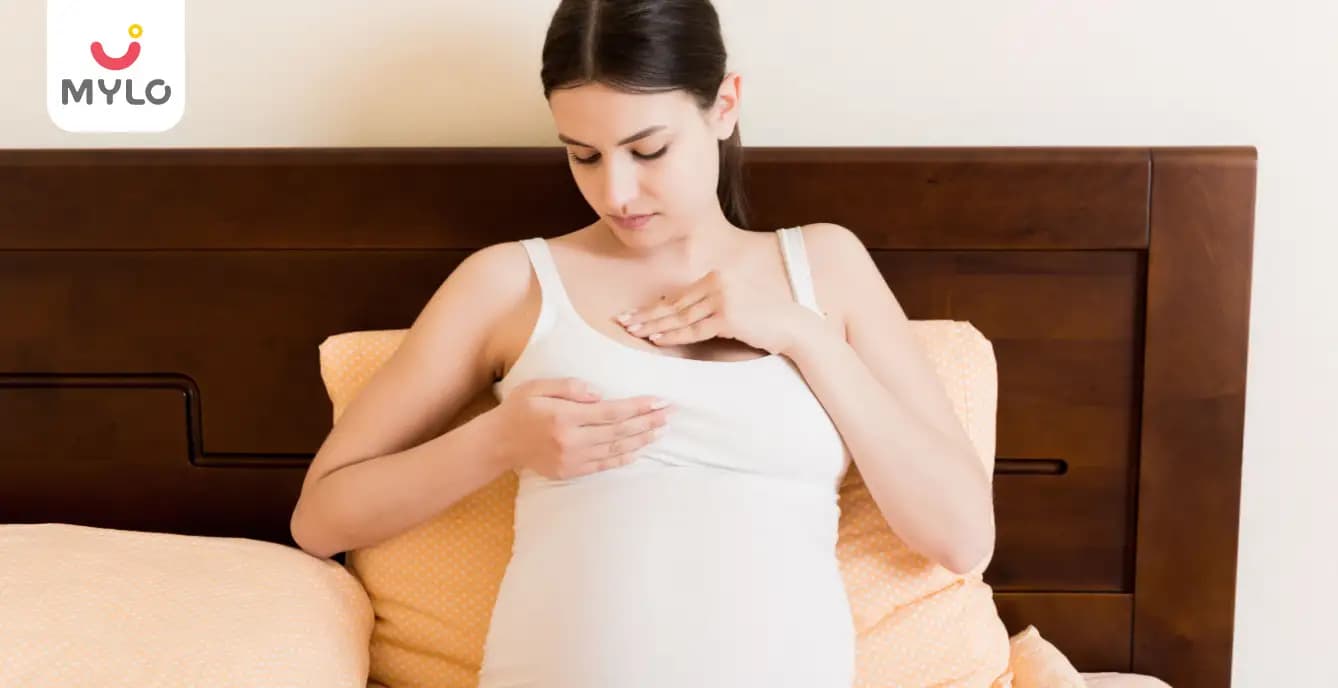
- Breast pain during pregnancy is common and usually normal, caused by rising hormones like oestrogen and progesterone that make your breasts larger, heavier and tender, especially in the first trimester.
- You may feel soreness, tingling nipples, fullness or brief sharp pains as breast tissue stretches and prepares for feeding, with some women noticing colostrum leaking from the second trimester onwards.
- A well-fitted, non-wired maternity bra, sleeping in a soft bra, warm or cool compresses, and paracetamol (if your doctor agrees) can ease breast pain and support growing breasts gently.
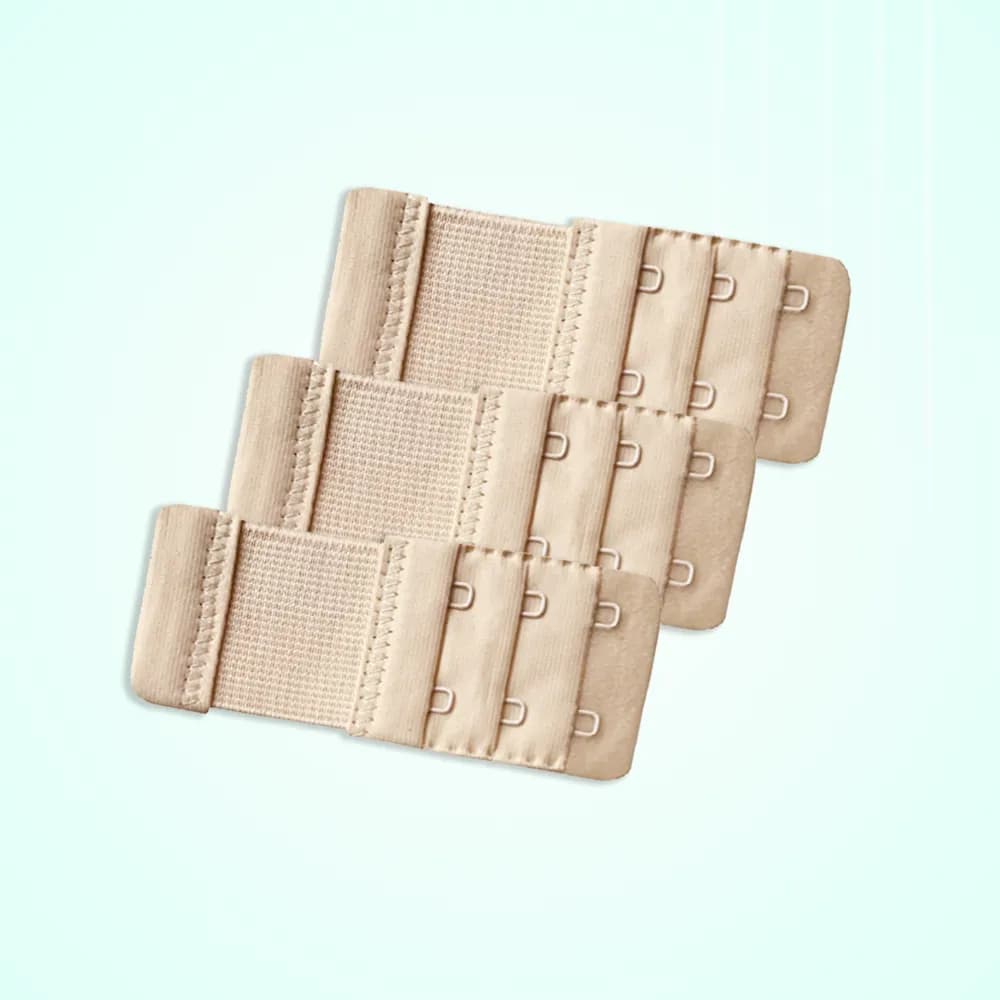
- What can give your sore, growing breasts gentle support? Explore our Bra Extenders (Skin) - Pack of 3.
 4.2
 4.7
Quick Answer
Breast pain during pregnancy is common and usually normal, especially in the early weeks, when hormones make your breasts larger and tender. A well-fitted, non-wired bra, such as the Non Wired Non Padded Maternity Bra - Classic Black, can ease it. See your doctor about a lump, redness or fever.
If your breasts suddenly feel sore, heavy or so sensitive that even a hug hurts, you are not alone. Breast pain is one of the most common changes in pregnancy, and for many women it is one of the very first signs. Here is why it happens, what is normal in each trimester, what helps, and which changes need a doctor's check.
Is breast pain normal during pregnancy?
Yes. The NHS lists sore breasts among the early signs of pregnancy. Your breasts may become larger and feel tender, much as they might before your period.
The NHS also names pregnancy as one of the common causes of breast pain, and notes that breast pain on its own is unlikely to be a sign of cancer.
What kind of breast pain indicates pregnancy?
Early pregnancy breast pain usually feels like:
tenderness or soreness, often in both breasts
a feeling of fullness or heaviness
tingling, especially around the nipples
sensitivity to touch, or discomfort from your usual bra
This can feel very similar to the breast pain some women get before a period, so you cannot tell from the pain alone whether you are pregnant. Other early signs listed by the NHS include a missed period, feeling sick, tiredness and needing to pee more often. A pregnancy test is the only way to know for sure.
Breast pain before a period or in early pregnancy?
Breast pain before a period | Breast pain in early pregnancy | |
|---|---|---|
When it starts | Up to 2 weeks before your period | Often in the first few weeks, around or after a missed period |
How it changes | Gets worse, then goes away when your period starts | Usually continues after a missed period, and breasts keep growing |
Other signs | Your period arrives | A missed period, feeling sick, tiredness, needing to pee more often |
The timing of period-related breast pain comes from the NHS. If your period is late and your breasts still feel sore, take a pregnancy test.
Why do breasts hurt during pregnancy?
Pregnancy hormones, mainly oestrogen and progesterone, rise quickly in the first weeks. They help the milk ducts and glands in your breasts grow so your body can feed your baby later. More blood also flows to your breasts. Together, these changes can make your breasts swell, feel heavy and become tender.
As your breasts grow, the skin and supporting tissue stretch too, which can cause aching or pulling sensations. Along with tenderness, Breast Cancer Now lists these normal changes caused by pregnancy hormones:
an increase in breast size
darker and larger nipples and areolas (the coloured skin around the nipple)
bigger, more noticeable Montgomery glands, the small raised bumps on the areola that keep the nipple moisturised
a change in sensation in the nipple and breast
Our guide to breast changes during pregnancy explains these changes in more detail.
Breast pain in each trimester
Trimester | What you may feel | Why |
|---|---|---|
First (weeks 1 to 13) | Tenderness, soreness, tingling nipples, a feeling of fullness | Rapid rise in pregnancy hormones and blood flow |
Second (weeks 14 to 27) | Breasts keep growing; soreness often feels less sharp, but heaviness may increase. Some women notice leaking | Ongoing breast growth. Your breasts make colostrum, the first milk, during pregnancy |
Third (weeks 28 to 40) | Heaviness, aching, occasional sharp or pulling pains, possible leaking | Breasts are at their largest as they prepare for feeding |
Your breasts can start making milk from about the 16th week of pregnancy, according to Breast Cancer Now, and small amounts of straw-coloured colostrum may leak. Cleveland Clinic adds that some women notice leaking as early as the second trimester and others never do, and that leaking does not mean labour is close.
Breast engorgement, when the breasts become very full, hard and painful, usually happens after birth, when your milk "comes in" about 3 to 4 days after delivery. Our guide on engorgement covers it.
Is sharp pain in one breast during pregnancy normal?
Brief sharp, shooting or pulling pains are common as breast tissue grows and stretches, and they can happen in one breast or both. The pain may not always come from the breast itself. The NHS says that strains or sprains in the neck, shoulder or back can be felt as breast pain, and a badly fitting bra can also cause it.
If the pain is in one spot, keeps coming back in the same place, or comes with a lump, swelling or redness, ask your doctor to check it.
What about nipple pain during pregnancy?
Many women find their nipples become more sensitive, sore or tingly in pregnancy, especially early on. The nipples and the area around them (the areola) may also get darker and larger. Wearing a soft bra and avoiding rough fabrics against the skin can help. If you are leaking, washable or disposable breast pads can keep your clothes dry, as Cleveland Clinic suggests.
Some women notice a little blood from the nipple in pregnancy. Breast Cancer Now explains that this can be normal, because the number and size of blood vessels in the breast increase, but it is best to get it checked. Also see your doctor if you notice a newly inverted nipple or a rash on the nipple. Our guide on nipple discharge explains the possible causes.
How to relieve breast pain during pregnancy
1. Wear a well-fitted, supportive bra
The NHS recommends wearing a properly fitted bra during the day and a soft bra to sleep in. As your breasts grow, check that your bra is not too tight. Breast Cancer Now suggests getting measured by a trained bra fitter during pregnancy. A non-wired maternity bra with wide straps is often more comfortable. Mylo's Non Wired Non Padded Maternity Bra - Classic Black is made to make room for growing breasts and later for easy feeding, and it comes with a bra extender so you can loosen the band as your ribcage expands.
2. Sleep in a soft bra
A soft, non-wired sleep bra can reduce movement and soreness at night, especially if you sleep on your side.
3. Try a warm or cool compress
Some women find a warm towel or a cool pack wrapped in a thin cloth soothing for a few minutes. Avoid very hot or ice-cold packs directly on the skin.
4. Take paracetamol if your doctor agrees
The NHS says paracetamol is usually the best painkiller to use in pregnancy. Do not take ibuprofen or any other painkiller during pregnancy unless your doctor advises it.
5. Skip supplements for breast pain
The NHS says there is little evidence that vitamin E tablets or evening primrose oil help with breast pain. Check with your doctor before taking any supplement in pregnancy.
6. Be gentle
Avoid tight tops, rough fabrics and pressure on your breasts. Tell your partner if touch feels uncomfortable for now.
What if you find a lump in your breast during pregnancy?
Try not to panic, but do get it checked. Most breast changes in pregnancy are benign (not cancer), according to Breastcancer.org. Breast Cancer Now lists the most common benign lumps in pregnancy as:
cysts, which are fluid-filled sacs
galactoceles, which are milk-filled cysts
fibroadenomas, which are solid, non-cancerous lumps. If you had one before pregnancy, it may get bigger
Breast cancer during pregnancy is uncommon, but because breasts change so much, it can be harder to notice something unusual. That is why it helps to be "breast aware": get to know how your breasts normally look and feel, so you can spot anything new.
Your doctor will examine the lump and may suggest an ultrasound. Breastcancer.org notes that ultrasound is considered safe during pregnancy and breastfeeding, and it can show whether a lump is a fluid-filled cyst or a solid mass that needs further checks. Please do not wait until after delivery to get a lump checked.
Normal breast pain or something to check?
Usually normal in pregnancy | Get it checked by your doctor |
|---|---|
Tenderness, soreness or heaviness in both breasts | A lump, swelling or thickening in the breast or armpit |
Tingling or sensitive nipples | Dimpled skin, like orange peel |
Brief sharp or pulling pains | Pain that stays in one spot or keeps getting worse |
Darker areolas, visible veins, bigger Montgomery glands | A newly inverted nipple or a rash on the nipple |
Leaking clear or straw-coloured colostrum | Blood from the nipple |
A hot, red or swollen area, with fever or feeling unwell (same day) |
When should you see a doctor about breast pain in pregnancy?
Breast pain in pregnancy is usually normal, but the NHS advises seeing a doctor if you have:
a lump, swelling or thickening in your breast or armpit
changes to your nipple, such as it turning inwards, a rash or discharge with blood
skin on your breast that looks or feels dimpled, like orange peel
pain that is not improving, or painkillers are not helping
a family history of breast cancer
pain that is new or feels different for you
Get an urgent appointment the same day if:
you have breast pain with a very high temperature, or you feel hot, cold or shivery
any part of your breast is hot, swollen or red (on brown or black skin it may look darker than usual)
These can be signs of an infection such as mastitis, which is most common when breastfeeding but can need treatment.
Frequently Asked Questions
1. Is breast pain a sign of pregnancy? It can be. The NHS lists sore, tender breasts among the early signs of pregnancy. But breast pain can also happen before a period, so take a pregnancy test after a missed period to know for sure.
2. When does breast pain start in pregnancy? It often starts in the first few weeks, sometimes before you have even missed a period. For many women it is most noticeable in the first trimester.
3. How long does breast pain last in pregnancy? It varies. Many women find the sharp tenderness of early pregnancy eases after the first trimester, while heaviness and aching may continue as the breasts keep growing.
4. My breast pain suddenly stopped in early pregnancy. Is that a bad sign? Pregnancy symptoms often come and go, and less soreness on its own is not a reliable sign of a problem. Contact your doctor if you also have vaginal bleeding or tummy cramps, or if you are worried.
5. Is it normal to have pain in only one breast during pregnancy? Yes, it can be. One breast may be more sensitive, or the pain may come from a strained muscle in your chest, shoulder or back. See your doctor if the pain stays in one spot or comes with a lump, redness or swelling.
6. Is leaking from the breasts normal in pregnancy? Yes. Your breasts make colostrum during pregnancy, and some women notice leaking from the second trimester, while others never do. Both are normal. A little blood can sometimes be normal too, but tell your doctor so they can check it.
7. Can I massage my breasts to relieve pain in pregnancy? Gentle touch is fine if it feels comfortable, but avoid pressing hard on sore areas. A supportive bra and a warm or cool compress are usually more helpful. Ask your doctor before trying to express colostrum, as this is usually only advised late in pregnancy.
8. Is a lump in the breast during pregnancy dangerous? Most breast lumps in pregnancy are benign, such as cysts, milk-filled cysts or fibroadenomas. But every new lump should be checked by your doctor, who may suggest an ultrasound, which is considered safe in pregnancy.
9. Will breast pain continue after delivery? Your breasts change again after birth. Around 2 to 4 days after delivery your milk comes in, and your breasts may feel very full, firm and tender for a while. Our guide on engorgement explains how to ease it.
Related Articles
Breast Changes and Pain During Early Pregnancy: Causes and Remedies
Potential Causes of Nipple Discharge: Cancerous and Non-Cancerous
Related Products
Non Wired Non Padded Maternity Bra - Classic Black: a non-wired maternity and nursing bra that makes room for growing breasts, with a free bra extender
References
NHS. Signs and symptoms of pregnancy. https://www.nhs.uk/pregnancy/trying-for-a-baby/signs-and-symptoms-of-pregnancy/
NHS. Breast pain. https://www.nhs.uk/conditions/breast-pain/
Cleveland Clinic. Colostrum. https://my.clevelandclinic.org/health/body/22434-colostrum
NHS. Pregnancy, breastfeeding and fertility while taking paracetamol for adults. https://www.nhs.uk/medicines/paracetamol-for-adults/pregnancy-breastfeeding-and-fertility-while-taking-paracetamol-for-adults/
NHS. Mastitis. https://www.nhs.uk/conditions/mastitis/
NHS. Miscarriage. https://www.nhs.uk/conditions/miscarriage/
Breast Cancer Now. Breast changes during or after pregnancy. https://breastcancernow.org/about-breast-cancer/breast-lumps-and-benign-not-cancer-breast-conditions/breast-changes-during-or-after-pregnancy
Breastcancer.org. Lumps and Other Breast Changes During Pregnancy and Breastfeeding. https://www.breastcancer.org/benign-breast-conditions/pregnancy-breast-changes
Alex A, Bhandary E, McGuire KP. Anatomy and Physiology of the Breast during Pregnancy and Lactation. Advances in Experimental Medicine and Biology, 2020;1252:3-7.
Medical disclaimer: This article is for general information only and is not a substitute for advice from your doctor. If you notice any change in your breasts that worries you, please see your doctor.
Loved by mamas through every tender breast change
A soft, well-fitted maternity bra can ease soreness and give your growing breasts the gentle support they need daily.





Article Posted Under
Related Articles
Second Baby Planning: How Long Should You Wait Between Pregnancies?
 11 min
Baby Kidney Swelling on Ultrasound (Antenatal Hydronephrosis): Will It Go Away?
 8 min
Foods for Height Growth in Toddlers and Kids: What Really Helps (Indian Guide)
 11 min
No Labour Pain at 9 Months: Is It Normal and What Happens Next?
 11 min
Related Topics

Medical Disclaimer
This content is for informational purposes only and should not replace professional medical advice. Consult with a physician or other health care professional if you have any concerns or questions about your health. If you rely on the information provided here, you do so solely at your own risk.


AWARDS AND RECOGNITION

Mylo wins Forbes D2C Disruptor award

Mylo wins The Economic Times Promising Brands 2022
AS SEEN IN













- Mylo Care: Effective and science-backed personal care and wellness solutions for a joyful you.
- Mylo Baby: Science-backed, gentle and effective personal care & hygiene range for your little one.
- Mylo Community: Trusted and empathetic community of 10mn+ parents and experts.


Product Categories
Baby Carrier | Baby Soap | Stretch Marks Cream | Baby Cream | Baby Shampoo | Baby Massage Oil | Baby Hair Oil | Stretch Marks Oil | Baby Body Wash | Baby Powder | Baby Lotion | Diaper Rash Cream | Teether | Baby Kajal |