


Orders

Profile


Wallet

No Labour Pain at 9 Months: Is It Normal and What Happens Next?
 11 min

MBBS, DGO · 38 years experience
Key Takeaways
Quick overview in 30 seconds
- No labour pain at 9 months is usually normal; only half of women go into natural labour by the end of 39 weeks, and nearly all by 42 weeks.
- Your doctor may offer a membrane sweep after 39 weeks, extra monitoring from 41 weeks, and discuss induction if labour does not start naturally.
- Home remedies like castor oil, pineapple, hot baths or sex are not proven to start labour; gentle walks, rest, and tracking baby movements help most.
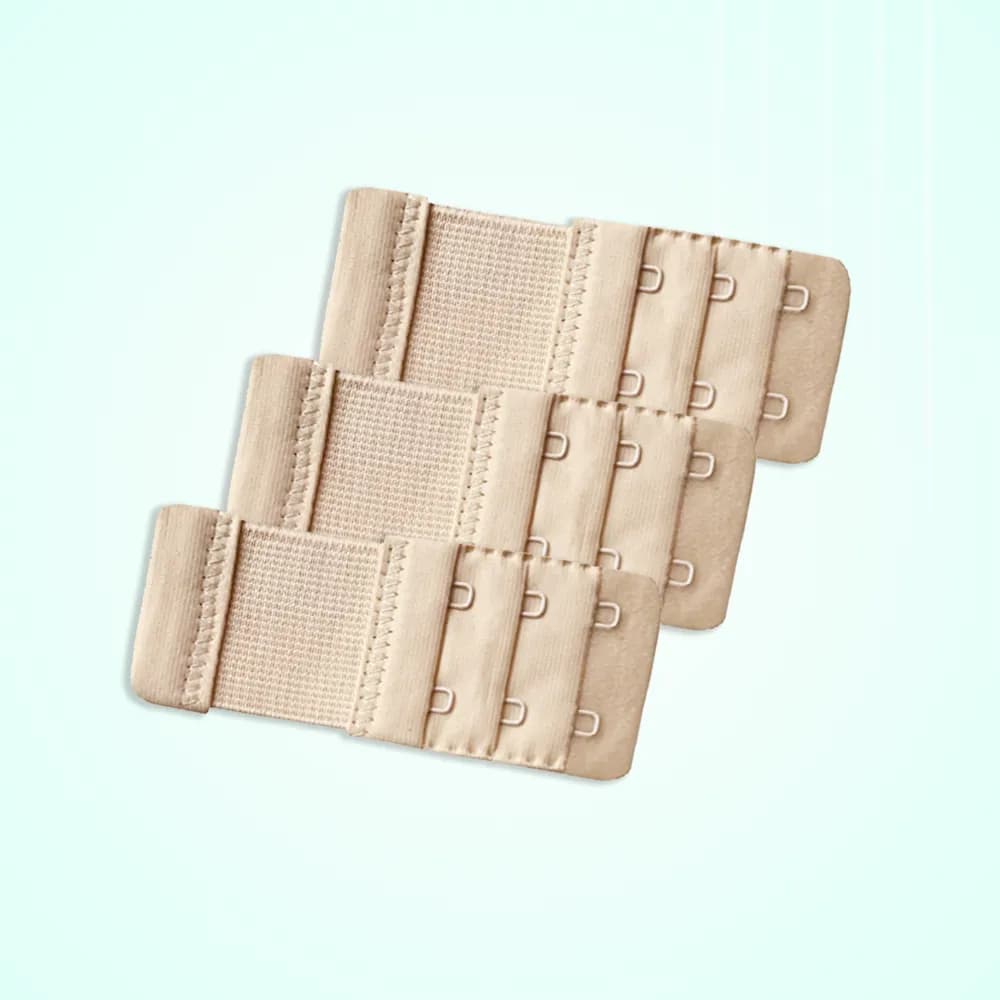
- What can ease your last pregnancy days? Explore our Bra Extenders (Skin) - Pack of 3.

 4.7
 4.2
 4.5
 4.3
Quick Answer
No labour pain in the ninth month is common and usually normal. Only about half of women who go into labour on their own do so by the end of 39 weeks, and almost all by 42 weeks. If you pass 41 weeks, your doctor will discuss induction. Call them straight away if your baby moves less than usual.
You have packed the hospital bag, everyone at home keeps asking "abhi tak dard nahi hua?", and every twinge makes you wonder if this is it. It is completely understandable to feel impatient or anxious. The good news is that most babies simply arrive in their own time. Here is what is normal, what your doctor will do if labour does not start, and which signs mean you should call right away.
Is it normal to have no labour pain at 9 months?
Yes. In India, the "ninth month" roughly covers 36 to 40 weeks of pregnancy, and many women do not feel any labour pain in this whole stretch.
The UK's NICE guideline on inducing labour shares data on when labour starts naturally, based on dating-scan dates:
Weeks of pregnancy | Labours that started in this week | Labours that had started by the end of this week |
|---|---|---|
37 weeks | 5.1% | 12.8% |
38 weeks | 12.1% | 24.9% |
39 weeks | 25.4% | 50.3% |
40 weeks | 32.5% | 82.8% |
41 weeks | 16.2% | 99.0% |
42 weeks and over | 0.9% | 100% |
In other words, at the end of 39 weeks, about half of the women who will go into labour on their own are still waiting. Even at 40 weeks, more than 1 in 6 have not started yet. NICE also says labour usually starts naturally before 42 weeks.
What counts as full term and overdue?
Your due date is only an estimate. The American College of Obstetricians and Gynecologists (ACOG) uses these terms:
Term | Weeks of pregnancy |
|---|---|
Early term | 37 weeks to 38 weeks 6 days |
Full term | 39 weeks to 40 weeks 6 days |
Late term | 41 weeks to 41 weeks 6 days |
Postterm | 42 weeks and beyond |
So if you are 37 or 38 weeks and have no pain, your baby is not even at full term yet. Waiting is normal.
Why has labour not started yet?
No one knows exactly what triggers labour. ACOG says the causes of a pregnancy going past the due date are unknown, but a few things make it more likely:
this is your first baby
you are carrying a baby boy
you have had a pregnancy that went past its due date before
you are living with obesity
Your due date may also be slightly off if it was worked out from your last period instead of an early dating scan.
How do you know if labour is starting?
Labour often builds slowly, and the early part, called the latent phase, can take hours or even days. The NHS lists these signs:
contractions or tightenings that become longer, stronger and closer together
a "show", when the plug of mucus from your cervix comes away
backache or a heavy, aching feeling
an urge to go to the toilet, as your baby's head presses on your bowel
your waters breaking
Many women have Braxton Hicks contractions, or "practice" tightenings, towards the end of pregnancy. These may feel uncomfortable but are usually painless, do not last long, do not come often and do not build up. Real contractions keep getting stronger and more regular. Our guides to the signs of labour and false labour explain the difference in more detail.
The NHS suggests calling your doctor or hospital when you have regular contractions coming every 5 minutes or more often, or whenever you are unsure.
What will your doctor do if labour does not start?
Your doctor will keep a closer eye on you and your baby as you go past your due date, and talk to you about your options.
Membrane sweep
After 39 weeks, NICE suggests doctors discuss a membrane sweep. During an internal examination, the doctor gently runs a finger around the cervix to separate the membranes from it. This may help labour start on its own, without medicines. It can cause some discomfort, cramping and light bleeding afterwards. You can choose whether to have it.
Extra monitoring
ACOG says testing is not usually needed between 40 and 41 weeks, but from 41 weeks your doctor may recommend checks once or twice a week. These may include a non-stress test (NST), which records your baby's heart rate, and an ultrasound to check the amniotic fluid.
Induction of labour
NICE recommends giving women with uncomplicated pregnancies every chance to go into labour naturally. It also says some risks increase after 41 weeks, including a higher chance of caesarean birth, of the baby needing neonatal intensive care, and of stillbirth. Induction from 41 weeks may reduce these risks, so your doctor will usually discuss it with you around this time.
Induction is when labour is started with medicines, a balloon device or by breaking the waters. NICE notes that an induced labour may feel more painful than one that starts naturally, and the hospital stay may be longer. It is your decision, and you can ask your doctor to explain the reasons, the method and the alternatives.
If you have a medical condition, such as high blood pressure, diabetes, a small baby or reduced fluid, your doctor may advise induction or a caesarean earlier.
Do home remedies really bring on labour pain?
Many Indian families suggest desi ghee, castor oil, papaya, pineapple, climbing stairs or sex to "bring the pain". According to NICE, the available evidence does not support these methods for starting labour:
herbal supplements
acupuncture
homeopathy
castor oil
hot baths
enemas
sexual intercourse
Please talk to your doctor before trying any home remedy. Staying gently active, eating well and resting are good for you, but they are not a proven way to start labour.
What can you do while you wait?
The last few days can feel very long. A few things that may help:
Keep track of your baby's movements. Get to know your baby's usual pattern and notice any change.
Rest and sleep when you can. Labour takes energy, and early labour can last a long time.
Stay gently active, if your doctor is happy for you to do so, with short walks and stretches.
Eat regular meals and drink enough water.
Keep your hospital bag, documents and transport ready, and save your hospital's labour room number in your phone.
Practise breathing techniques. Our guide to breathing techniques during labour walks you through them.
Limit the "kab hoga?" calls. It is fine to ask family to give you some space.
When should you call your doctor immediately?
Do not wait for labour pain if you notice any of these. Call your doctor or hospital at once, even in the middle of the night, if:
your baby is moving less than usual, or you cannot feel your baby move, or the pattern of movements changes. The NHS says you should feel your baby move right up to and during labour, and there is no need to wait and see
your waters break, even without pain
you have vaginal bleeding
any contraction lasts longer than 2 minutes, or you are having 6 or more contractions in 10 minutes
you have a severe headache, blurred vision, sudden swelling of the face or hands, or pain just below the ribs, which can be signs of pre-eclampsia, a high blood pressure condition in pregnancy
Call 108 for an ambulance if you feel the baby is coming now and you have a strong urge to push, as the NHS advises.
Frequently Asked Questions
1. Is it normal to have no labour pain at 40 weeks? Yes. NICE data shows that more than 1 in 6 women who go into labour naturally have not started by the end of 40 weeks. Your doctor will monitor you more closely and talk to you about a membrane sweep or induction.
2. Can labour start without any pain? Sometimes it starts with other signs first, such as your waters breaking, a show or backache. Contractions usually follow and become painful as labour progresses. If your waters break, call your doctor even if you have no pain.
3. How long can you safely go past your due date? Most labours start naturally before 42 weeks. NICE says some risks increase after 41 weeks, so doctors usually discuss induction from 41 weeks. Your doctor will advise based on your health and your baby's checks.
4. Is there a natural way to induce labour pain? No home method has been proven to start labour. NICE says the evidence does not support castor oil, herbal supplements, hot baths, enemas, acupuncture, homeopathy or sex for this. A membrane sweep, done by your doctor, is the gentlest medical option.
5. Does no labour pain mean I will need a C-section? No. Not having pain yet does not, by itself, mean you will need a caesarean. Your doctor will explain your options based on your situation.
6. Should I worry if my baby moves less in the ninth month? Yes, contact your doctor at once. Babies should keep moving right up to and during labour. Less movement can be a sign of a problem, and it needs checking straight away, not the next day.
7. Does a first baby come later? Often, yes. ACOG lists a first pregnancy as one of the factors that make it more likely for a pregnancy to go past the due date.
Related Articles
The 3 Stages of Labour: What Happens, How Long Each Takes, and When to Call Your Doctor
Breathing Techniques During Labour: How to Ease Pain and Stay Calm
References
National Institute for Health and Care Excellence (NICE). Inducing labour (NG207): recommendations. https://www.nice.org.uk/guidance/ng207/chapter/Recommendations
American College of Obstetricians and Gynecologists (ACOG). Definition of Term Pregnancy, Committee Opinion. https://www.acog.org/clinical/clinical-guidance/committee-opinion/articles/2013/11/definition-of-term-pregnancy
ACOG. When Pregnancy Goes Past Your Due Date. https://www.acog.org/womens-health/faqs/when-pregnancy-goes-past-your-due-date
NHS. Signs that labour has begun. https://www.nhs.uk/pregnancy/labour-and-birth/signs-of-labour/signs-that-labour-has-begun/
NHS. Your baby's movements. https://www.nhs.uk/pregnancy/keeping-well/your-babys-movements/
NHS. Pre-eclampsia. https://www.nhs.uk/conditions/pre-eclampsia/
Medical disclaimer: This article is for general information only and is not a substitute for advice from your doctor. Every pregnancy is different, so please follow your doctor's advice about monitoring and induction.


Trusted By Mamas Awaiting Their Little One
Gentle essentials to keep you nourished, comfortable and ready as you wait for labour to begin naturally.
Pregnancy Massage Oil + Coconut Oil - 200 ml each



Bra Extenders (Skin) - Pack of 3
Makes Bra Comfortable | Increases Bra Band Strength



Compression Stocking Socks - S
Compression Stockings for Varicose Veins | Reduces Swelling | Boosts Blood Circulation


Baby Wellness Kit | Skincare Gift Set for Newborns


Article Posted Under
Related Articles




Related Topics

Medical Disclaimer
This content is for informational purposes only and should not replace professional medical advice. Consult with a physician or other health care professional if you have any concerns or questions about your health. If you rely on the information provided here, you do so solely at your own risk.


AWARDS AND RECOGNITION

Mylo wins Forbes D2C Disruptor award

Mylo wins The Economic Times Promising Brands 2022
AS SEEN IN













- Mylo Care: Effective and science-backed personal care and wellness solutions for a joyful you.
- Mylo Baby: Science-backed, gentle and effective personal care & hygiene range for your little one.
- Mylo Community: Trusted and empathetic community of 10mn+ parents and experts.


Product Categories
Baby Carrier | Baby Soap | Stretch Marks Cream | Baby Cream | Baby Shampoo | Baby Massage Oil | Baby Hair Oil | Stretch Marks Oil | Baby Body Wash | Baby Powder | Baby Lotion | Diaper Rash Cream | Teether | Baby Kajal |