


Orders
.png&w=48&q=75 "login")
Profile


Wallet

Whooping Cough: Symptoms, Risks & Prevention
 1 Likes|
 5 min
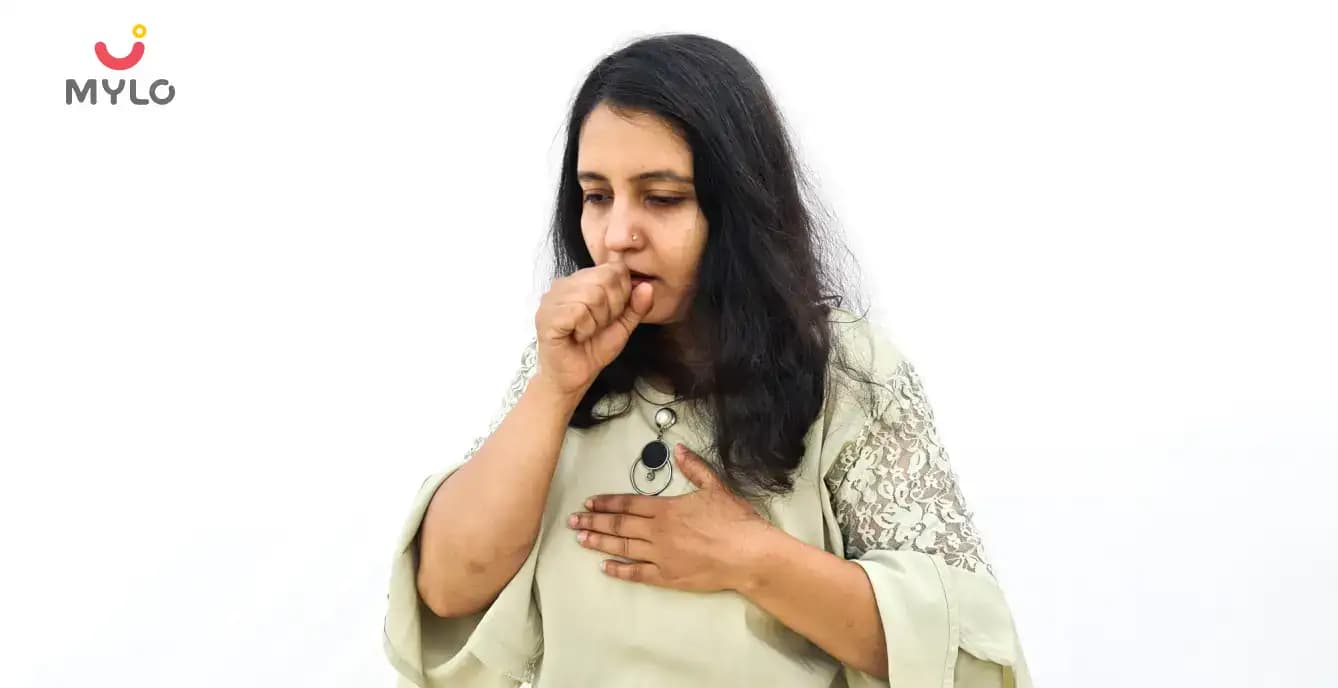
5 minWhooping cough, also known as pertussis, is an extremely contagious infection of the respiratory tract. The condition is characterized by a severe hacking cough along with a high-pitched breath intake sounding like “whoop”. Before the development of the vaccine, whooping cough was a common childhood disease. However, now it primarily affects children who have not yet received vaccination for it or adults and teenagers with faded immunity from the vaccine.
Though whooping cough is not considered a fatal disease, it usually occurs in infants. Therefore, it is essential for pregnant women and people in close contact with infants to get themselves vaccinated against whooping cough.
Symptoms of whooping cough
If you are infected with whooping cough, it would usually take around 7-10 days for the whooping cough symptoms to appear, sometimes even longer. In most cases, symptoms are mild in the beginning and appear similar to the common cold.
Early whooping cough symptoms include:
· Nasal congestion
· Runny nose
· Fever
· Cough
· Red and watery eyes
After a couple of weeks, the symptoms get much worse. Thick mucus accumulates in the airways and leads to uncontrollable coughing. Prolonged bouts of severe coughing can lead to:
· Vomiting
· Extreme fatigue
· Blue or red face
· A high-pitched ‘whoop’ sound when you breathe next after coughing
However, keep in mind that not everyone develops the ‘whoop’ sound while breathing. In many cases, persistent coughing is the only sign of whooping cough, especially in adults and adolescents.
Reasons to visit a doctor
It is important to consult a doctor if you or your child has been experiencing prolonger coughing spells that are leading to:
· Vomiting
· Inhaling with a high-pictured whooping sound
· Turning blue or red
· Struggling to breathe and experiencing noticeable pauses between breaths
Risk factors of Whooping Cough
We all receive vaccines for whooping cough during our childhood. However, the efficacy of this vaccine eventually wears off. As a result, most teenagers as well as adults are left susceptible to infection in case of an outbreak. Besides this, infants below 12 months of age who have not been vaccinated or have not received the full dose of recommended vaccinations are at the greatest risk of suffering from complications and even death from whooping cough.
Complications related to Whooping Cough
Adults and teenagers are usually able to recover from pertussis without any problems. However, in case of complications, there may be a ton of side effects due to persistent and strenuous coughing. These include:
· Abdominal hernias
· Cracked or bruised ribs
· Broken blood vessels in the whites or skin of the eyes
In the case of infants, particularly below the age of 6 months, complications related to whooping cough tend to be more severe and include:
· Pneumonia
· Seizures
· Slow or stopped breathing
· Brain damage
· Dehydration or weight loss
Since toddlers and infants are at the highest risk of suffering from whooping cough complications, they are more likely to require hospitalization. In younger infants, the complications can even be life-threatening.
Prevention of Whooping Cough
The only and most effective way to prevent whooping cough is to take the pertussis vaccine. This vaccine is given in combination with vaccines for two other serious diseases – tetanus and diphtheria. Doctors around the world recommend vaccines to infants to keep them away from serious diseases. The pertussis vaccine is given with a series of 5 injections, given at different ages including 2 months, and 4 months, followed by vaccines at 6 months, 18 months, and finally 4-6 years of age.
Side Effects of Vaccines
The most common side effect of the vaccine is mild fever, headache, crankiness, soreness at the injection site, and fatigue.
Booster shots
Your doctor may recommend booster shots for pertussis medications in the following cases:
-
Adolescents
Since the immunity due to the vaccine wanes off around age 11, your doctor may recommend taking a booster shot around this age to keep your child protected against tetanus, diphtheria, as well as whooping cough.
-
Adults
In adults, doctors advise taking vaccines for tetanus, diphtheria, and pertussis every 10 years. This vaccine also reduces the risk of you spread whooping cough to infants around you.
Pregnant women: Many doctors recommend pregnant women take pertussis vaccines between weeks 27 and 36 of gestation to keep the infant protected during the first few months of their lives.
Preventive medications
If you have been in contact with someone suffering from whooping cough, your doctor may recommend you take a course of antibiotics to keep you protected. Preventative medications may also be recommended in case you are:
· Pregnant
· A healthcare provider
· Below 12 months of age
· Having a health condition that puts you at a higher risk of complications, like asthma or a weak immune system
· Living with someone with pertussis
· Living with someone at a higher risk of whooping cough infection.
Reference Links
Mayo Clinic Staff. Feb. 11, 2022. Whooping cough
Centre for Disease Control and Prevention team.August 8, 2022. Pertussis (Whooping Cough)
Article Posted Under
Related Articles



Related Topics
.webp&w=32&q=75)
Medical Disclaimer
This content is for informational purposes only and should not replace professional medical advice. Consult with a physician or other health care professional if you have any concerns or questions about your health. If you rely on the information provided here, you do so solely at your own risk.


AWARDS AND RECOGNITION

Mylo wins Forbes D2C Disruptor award

Mylo wins The Economic Times Promising Brands 2022
AS SEEN IN













- Mylo Care: Effective and science-backed personal care and wellness solutions for a joyful you.
- Mylo Baby: Science-backed, gentle and effective personal care & hygiene range for your little one.
- Mylo Community: Trusted and empathetic community of 10mn+ parents and experts.


Product Categories
Baby Carrier | Baby Soap | Baby Wipes | Stretch Marks Cream | Baby Cream | Baby Shampoo | Baby Massage Oil | Baby Hair Oil | Stretch Marks Oil | Baby Body Wash | Baby Powder | Baby Lotion | Diaper Rash Cream | Newborn Diapers | Teether | Baby Kajal | Baby Diapers Pants | Cloth Diapers | Laundry Detergent | Lactation Granules |