


Orders
.png&w=48&q=75 "login")
Profile


Wallet

Diaper Change Time: How Often Should You Change Your Baby's Diaper?
 7 Likes|
 13 min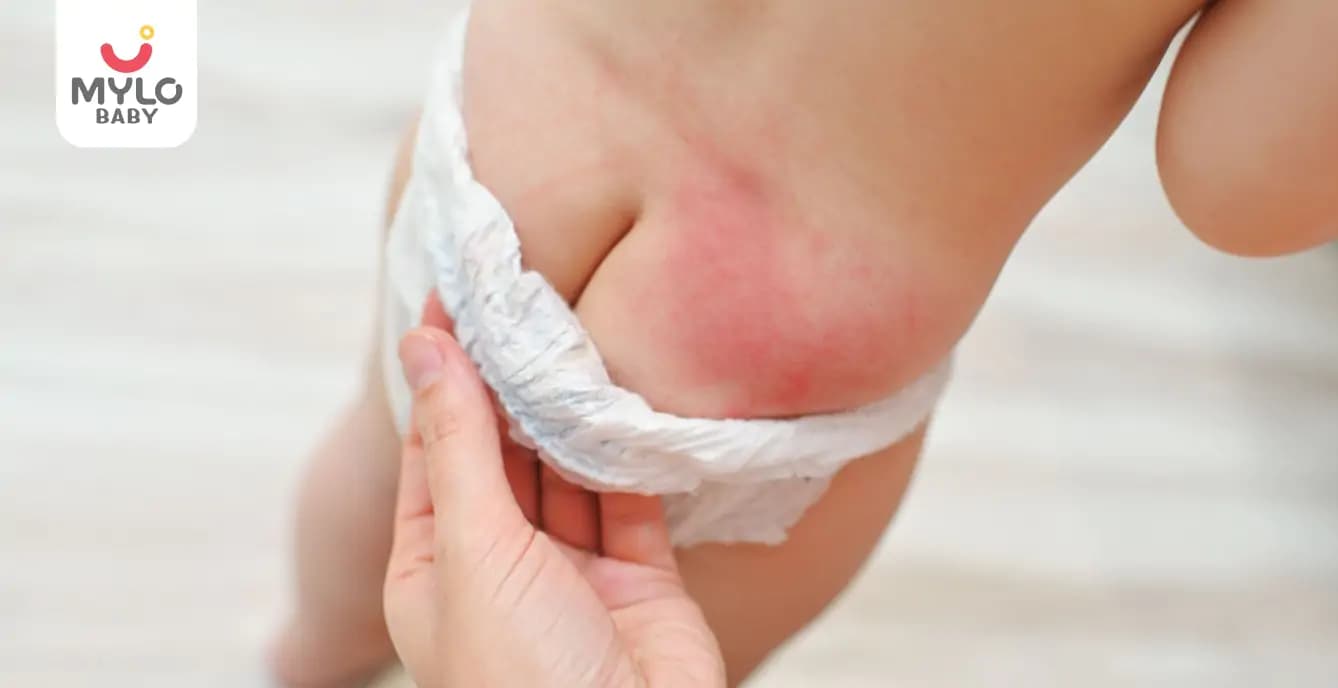
Key Takeaways
Quick overview in 30 seconds.webp&w=32&q=75)
Summary
- Newborns typically need a diaper change every two to three hours, while older babies with better bladder control can go three to four hours between changes.
- Cloth diapers should be changed every 2-4 hours since they lack wetness indicators, and pooped diapers must always be changed immediately to prevent rashes.
- At night, choose high-absorbency overnight diapers that offer up to 12 hours of leak protection, ensuring sound sleep without frequent disruptions for changes.
- Looking for diapers that keep baby dry and comfy? Explore our Adjustable & Reusable Cloth Diaper - Red & Blue - Pack of 2.
.webp&w=1900&q=75)
 4.6
4.6TL;DR
Newborns need a diaper change roughly every 2 to 3 hours, about 10 to 12 times a day, and older babies with better bladder control can often go 3 to 4 hours (NHS). The one rule with no exceptions: a soiled (poopy) diaper must be changed immediately, day or night, because stool irritates skin very quickly (AAD). For wet diapers, change as soon as you notice, do not deliberately stretch it out just because the diaper is absorbent, since prolonged contact with wetness is the main cause of diaper rash (Mayo Clinic). At night, you do not need to wake a sleeping baby for a slightly wet diaper if you use an absorbent overnight diaper, but always change a soiled one.
Quick Answer
Change a newborn's diaper every 2 to 3 hours (about 10 to 12 times a day), and an older baby's every 3 to 4 hours, or sooner if wet. Always change a poopy diaper straight away, whatever the time. At night, newborns are usually changed during feeds; once your baby sleeps longer, an absorbent overnight diaper means you do not have to wake them for a slightly wet nappy, though a soiled or very wet one should still be changed. Change more often if your baby has a rash or sensitive skin. The core principle is simple: the less time your baby's skin spends against wetness and stool, the lower the rash risk.
Author: Mylo Editorial Team, Mylo Parenting Desk Medically reviewed by: Mylo Editorial Board, aligned with NHS, AAP and IAP (Indian Academy of Pediatrics) guidance Last updated: 14 July 2026
Medical Disclaimer: This article is for informational purposes only and is not a substitute for professional medical advice. If your baby has a rash that is severe, blistering, bleeding, spreading or not improving within a few days, or comes with fever, please consult your paediatrician.
Key Takeaways
- Newborns: change roughly every 2 to 3 hours, about 10 to 12 times a day (NHS)
- Older babies: often every 3 to 4 hours, as bladder control improves
- ALWAYS change a soiled (poopy) diaper immediately, day or night (AAD)
- Change wet diapers as soon as you notice; do not stretch them out on purpose
- Prolonged contact with wetness and stool is the main cause of diaper rash (Mayo Clinic)
- At night, you need not wake a sleeping baby for a slightly wet diaper
- "Up to 12 hours of leak protection" describes leak performance, NOT a recommended wear time
- Change more often if your baby has a rash or sensitive skin (NHS)
How Often Should a Diaper Be Changed?
How often depends mainly on your baby's age, and on whether the diaper is wet or soiled.
| Baby's Age | Typical Change Frequency |
|---|---|
| Newborn (0 to 1 month) | Every 2 to 3 hours, about 10 to 12 times a day |
| Young infant (1 to 6 months) | Roughly every 2 to 3 hours, or as soon as wet |
| Older baby (6 months and up) | Often every 3 to 4 hours, as bladder control improves |
| Any age, soiled diaper | Immediately, no waiting |
| Any age, with a rash | More often than usual, to keep skin dry |
Newborns need the most changes because they feed frequently, have small bladders and pass stool often (NHS). As babies grow, the gaps naturally lengthen.
Wet Diapers vs Soiled Diapers: The Important Difference
This is where a lot of confusing advice circulates, so let us be clear.
Soiled (poopy) diapers: change immediately. Stool contains enzymes that irritate skin very quickly, so a poopy diaper should never wait, including at night (AAD).
Wet diapers: change as soon as you notice. Modern diapers are absorbent and pull moisture away from the skin, which is genuinely helpful. But that is not a reason to deliberately delay a change. The most common type of diaper rash is irritant dermatitis, caused precisely by the skin spending much of the day in contact with urine and stool (AAP) (Cleveland Clinic), and prolonged contact with a wet diaper is the leading cause (Mayo Clinic) (NHS). So the honest guidance is: absorbency buys you comfort and flexibility, not permission to leave your baby wet for hours.
You may also like: A beginner's guide: how to change a baby's diaper
How Long Can a Baby Wear a Diaper at Night?
Nights are the practical question every parent has. Here is the sensible approach:
- Newborns wake frequently for feeds anyway, so the natural rhythm is to change during night feeds, roughly every 2 to 3 hours
- Once your baby sleeps for longer stretches, you do not need to wake them purely because the diaper is a little wet. Use a high-absorbency or overnight diaper and change at the next natural waking
- Always change a soiled or very wet diaper, even if it means disturbing sleep. Skin comes before sleep here
- If your baby has a rash, change overnight too until it clears
An important clarification on "12-hour" claims: diapers advertised with "up to 12 hours of leak protection" are describing how long they resist leaking, not how long a baby should sit in one. A diaper can hold liquid without leaking and still leave skin against moisture. Use overnight diapers for comfort and fewer disruptions, not as a reason to skip changes.
What Affects How Often You Need to Change?
| Factor | How It Affects Change Frequency |
|---|---|
| Age | Newborns need the most changes; frequency drops as bladder control improves |
| Feeding | Exclusively breastfed newborns often pass stool more frequently, especially in the early weeks; formula-fed babies may go less often |
| Diaper type and absorbency | Higher-absorbency diapers manage moisture better, but do not change the need for prompt changes |
| Cloth vs disposable | Cloth holds moisture against the skin more, so it usually needs changing sooner |
| Skin sensitivity or rash | Babies with a rash or sensitive skin need more frequent changes (NHS) |
| Hot, humid weather | Sweat and trapped heat add to moisture, so change more often |
A note on a common claim: being more physically active does not meaningfully increase how much a baby wees. What actually drives output is how much milk or fluid they are taking in.
When to Change a Cloth Diaper
Cloth diapers usually need changing every 2 to 3 hours, and sooner for newborns, because cloth holds wetness closer to the skin than disposables do. Cloth also has no wetness indicator, so check by:
- Feeling for weight, dampness or firmness
- Touching the inside of the diaper
- Noticing warmth, or any smell
- Checking the fit for gaps or sagging
Change cloth as soon as it is wet, and immediately if soiled.
You may also like: Do you need to change your baby's cloth diaper after every episode of pee?
Signs It Is Time for a Change
- The wetness indicator has changed colour (on diapers that have one)
- The diaper feels heavy, swollen or firm
- You can smell that it is soiled
- Your baby is fussy, squirming or uncomfortable
- The diaper is sagging or gaping at the legs
- Any poop, at any time
How to Prevent Diaper Rash While You Are At It
Since prompt changing is the main protection, pair it with these (Mayo Clinic) (AAD) (Johns Hopkins Medicine):
- Clean gently with warm water and a soft cloth or mild wipe, wiping front to back
- Pat dry, do not rub
- Give some nappy-free air time when you can
- Use a thin layer of barrier cream, ointments containing zinc oxide are particularly helpful, if your baby is prone to rash or at the first sign of redness (AAFP)
- Make sure the fit is right; a too-tight or too-loose diaper causes friction and leaks (StatPearls)
- See a doctor if the rash is severe, blistering, bleeding, spreading, not improving in a few days, or comes with fever
Making Diaper Changes Easier
Keep everything within arm's reach before you start: a clean diaper, wipes or cotton and warm water, a barrier cream if needed, and a change of clothes. Never leave your baby unattended on a changing table or any raised surface, even for a moment. Wash your hands before and after.
If you prefer a ready-to-go bundle, Mylo's Diapering Kit brings the basics together (cloth diapers, disposable diapers, gentle baby wipes, organic coconut oil and cloth diaper inserts, plus a paediatrician consultation). Mylo's Baby Diaper Pants are dermatologically tested and made with ADL technology for up to 12 hours of leak protection, which can help reduce night-time disruptions. As above, treat leak-protection claims as a measure of leak performance, and still change promptly when wet and immediately when soiled.
Indian Context
In India's heat and humidity, moisture and sweat build up fast under a diaper, so the interval between changes often needs to be shorter than in cooler climates, and nappy-free air time helps a lot. Many families use cloth langots at home and disposables for outings and nights, which is fine as long as cloth is changed as soon as it is wet. Skip talcum powder in the diaper area, and if a rash keeps returning despite frequent changes, see your paediatrician rather than trying home remedies, as it may be a fungal (candida) rash needing specific antifungal treatment (Cleveland Clinic).
Myths vs Facts
| Myth | Fact |
|---|---|
| Absorbent diapers mean you can delay changes | Absorbency helps comfort, but prolonged wetness still causes rash |
| A "12-hour" diaper can be worn for 12 hours | That describes leak protection, not recommended wear time |
| A wet diaper can wait, and so can a poopy one | A poopy diaper must be changed immediately, no exceptions |
| You must wake a sleeping baby for every wet diaper | For a slightly wet diaper you need not; for a soiled one you must |
| More active babies wee more, so need more changes | Output depends on milk and fluid intake, not activity level |
Frequently Asked Questions
Bacche ka diaper kitne ghante mein badalna chahiye? (Hinglish)
Newborn ka diaper har 2 se 3 ghante mein badalna chahiye, yaani din mein lagbhag 10 se 12 baar. Bade bacchon mein 3 se 4 ghante tak ja sakte hain. Lekin agar potty (poop) ho gayi hai to turant badlein, chahe raat ho. Geela diaper bhi dikhte hi badal dein, jaan bujh kar der na karein.
Raat mein diaper kitni der tak rakh sakte hain? (Hinglish)
Agar aap high-absorbency ya overnight diaper use kar rahi hain, to thoda sa geela hone par sote hue bacche ko jagane ki zaroorat nahin. Lekin agar diaper mein potty hai ya wo bahut zyada geela hai, to turant badlein. Newborn aksar feed ke liye jaagte hain, to usi waqt diaper badal dein.
Can I leave a wet diaper on for a few extra hours?
It is best not to. Modern diapers pull moisture away, but prolonged contact with wetness is the main cause of diaper rash, so change as soon as you notice it is wet (Mayo Clinic).
Should I wake my baby at night to change the diaper?
Not for a slightly wet diaper if you are using an absorbent overnight diaper. But do change a soiled or very wet diaper even if it wakes your baby, and change overnight if your baby has a rash.
How often should a newborn's diaper be changed?
About every 2 to 3 hours, roughly 10 to 12 times a day, and immediately whenever they poop (NHS).
How often should cloth diapers be changed?
Usually every 2 to 3 hours, and sooner for newborns, since cloth holds moisture against the skin more than disposables. Change immediately if soiled.
References
- NHS. How to change your baby's nappy. www.nhs.uk
- NHS. Nappy rash. www.nhs.uk
- American Academy of Pediatrics (HealthyChildren.org). Common Diaper Rashes and Treatments. www.healthychildren.org
- Mayo Clinic. Diaper rash: Symptoms and causes. www.mayoclinic.org
- Mayo Clinic. Diaper rash: Diagnosis and treatment. www.mayoclinic.org
- American Academy of Dermatology (AAD). How to treat diaper rash. www.aad.org
- Cleveland Clinic. Diaper Rash (Diaper Dermatitis). my.clevelandclinic.org
- Cleveland Clinic. Yeast Diaper Rash (Candidal Diaper Dermatitis). my.clevelandclinic.org
- Johns Hopkins Medicine. Diaper Dermatitis. www.hopkinsmedicine.org
- StatPearls (NCBI Bookshelf). Diaper Dermatitis. www.ncbi.nlm.nih.gov
- American Academy of Family Physicians (AAFP). Diaper Rash. www.aafp.org
Trusted by Mamas Through Every Diaper Change
Keep your little one dry, comfortable and rash-free with gentle diapering essentials made for delicate baby skin.


Article Posted Under
Related Articles


Related Topics
.webp&w=32&q=75)
Medical Disclaimer
This content is for informational purposes only and should not replace professional medical advice. Consult with a physician or other health care professional if you have any concerns or questions about your health. If you rely on the information provided here, you do so solely at your own risk.


AWARDS AND RECOGNITION

Mylo wins Forbes D2C Disruptor award

Mylo wins The Economic Times Promising Brands 2022
AS SEEN IN













- Mylo Care: Effective and science-backed personal care and wellness solutions for a joyful you.
- Mylo Baby: Science-backed, gentle and effective personal care & hygiene range for your little one.
- Mylo Community: Trusted and empathetic community of 10mn+ parents and experts.


Product Categories
Baby Carrier | Baby Soap | Baby Wipes | Stretch Marks Cream | Baby Cream | Baby Shampoo | Baby Massage Oil | Baby Hair Oil | Stretch Marks Oil | Baby Body Wash | Baby Powder | Baby Lotion | Diaper Rash Cream | Newborn Diapers | Teether | Baby Kajal | Baby Diapers Pants | Cloth Diapers | Laundry Detergent | Lactation Granules |