


Orders
.png&w=48&q=75 "login")
Profile


Wallet

Is Zinc Oxide-Based Diaper Rash Cream Safe for a Newborn Baby?
 3 Likes|
 8 min
8 min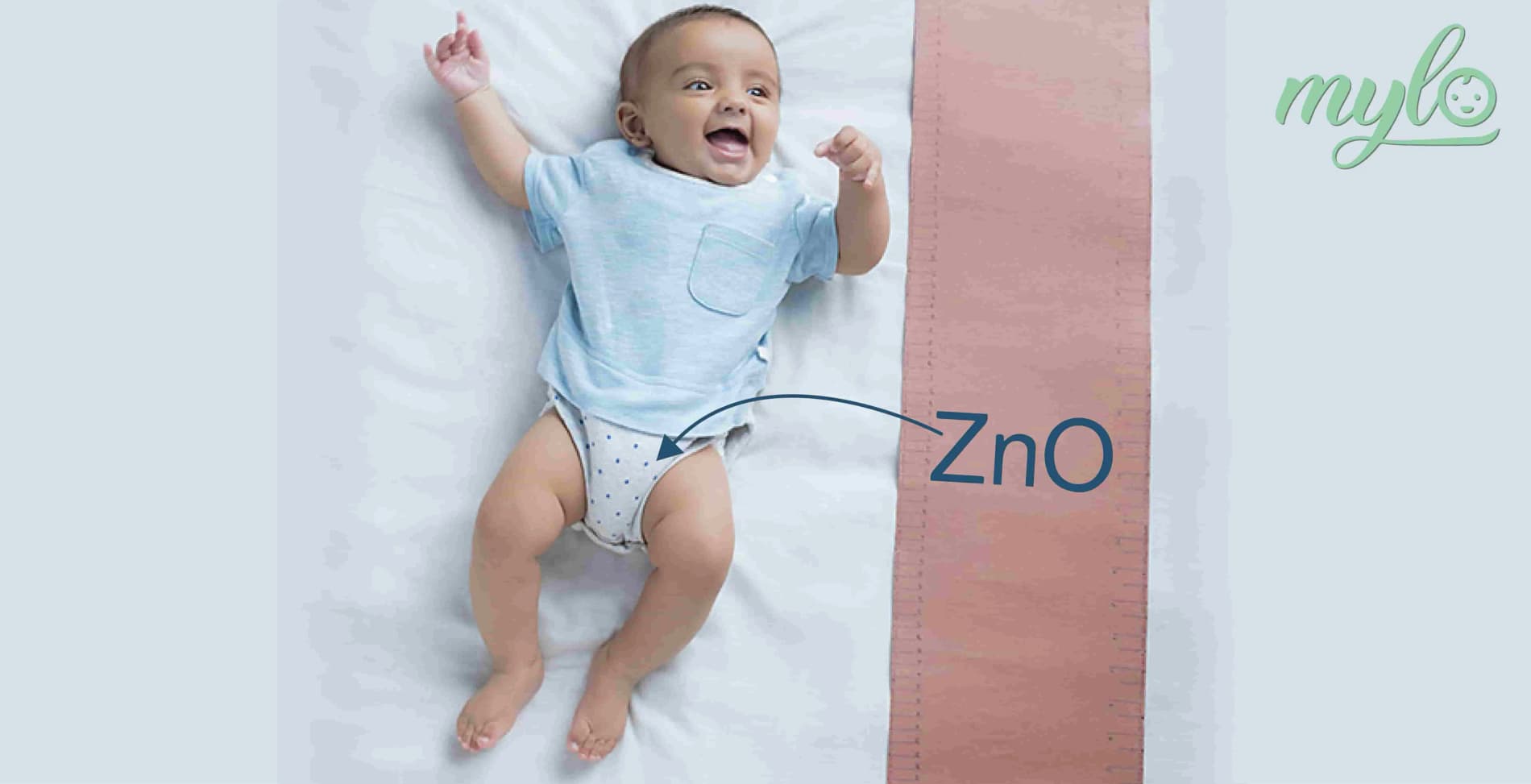
TL;DR
Zinc oxide is the main ingredient in most diaper rash creams, and it is safe and effective, in fact, zinc oxide (and petroleum jelly) barrier creams are the first-line treatment doctors recommend for diaper rash (Mayo Clinic) (AAP). It works by forming a protective barrier between the skin and moisture, and it sits on the skin rather than being absorbed, so common fears about it "entering the bloodstream" are unfounded. Apply a thin layer at the first sign of redness or if your baby is prone to rash. Two honest points: it does not need to be slathered on at every single change if the skin is healthy, and it soothes and protects but does not cure yeast or bacterial infections, which need a doctor's treatment (AAD).
Quick Answer
Yes, zinc oxide diaper rash cream is safe for babies and is the recommended barrier for preventing and treating ordinary diaper rash. It forms a protective layer over the skin, stays on the surface (it is not absorbed into the bloodstream), and soothes irritation. Apply a thin layer at the first sign of redness, or if your baby is prone to rash, after cleaning and drying the skin. You do not have to use it at every change if the skin is fine. If a rash has pus, blisters, satellite spots, or is not improving in 2 to 3 days, see a doctor, some rashes need antifungal or antibiotic treatment.
Author: Mylo Editorial Team, Mylo Parenting Desk Medically reviewed by: Mylo Editorial Board, aligned with AAP, NHS and IAP (Indian Academy of Pediatrics) guidance Last updated: 16 July 2026
Medical Disclaimer: This article is for informational purposes only and is not a substitute for professional medical advice. If your baby's rash is severe, blistering, bleeding, has pus, spreads, comes with fever, or does not improve within 2 to 3 days, please consult your paediatrician, as it may need medicated treatment.
Key Takeaways
- Zinc oxide barrier cream is the doctor-recommended first-line for diaper rash (Mayo Clinic)
- It works by forming a protective barrier against moisture and irritants
- It sits on the skin surface and is not absorbed into the bloodstream
- Apply a thin layer at the first sign of redness, or if your baby is prone to rash
- You do NOT need to apply it at every change if the skin is healthy
- It soothes and protects but does not cure yeast or bacterial infections (AAD)
- With cloth diapers, use a liner so the cream does not reduce absorbency
- See a doctor for pus, blisters, satellite spots, fever or a rash lasting beyond 2 to 3 days
How Zinc Oxide Diaper Rash Cream Works
Zinc oxide is a mild mineral that forms a water-repellent barrier on the skin. In a diaper rash cream, it is blended into a soothing base (ointment or lotion) and spread over the diaper area. That barrier keeps urine and stool from sitting against the skin, which is the main cause of rash, and gives irritated skin a chance to heal (AAP).
This is exactly why doctors recommend zinc oxide (and petroleum jelly) as the first-line barrier for both preventing and treating diaper rash.
Read more: Types of diaper rash: causes, treatment and remedies
Common Myths About Zinc Oxide Cream
| Myth | Fact |
|---|---|
| Zinc oxide nanoparticles enter the bloodstream | Zinc oxide sits on the skin surface and is not meaningfully absorbed; it works as a topical barrier |
| Zinc oxide is a "harsh chemical" unsuitable for babies | It is a gentle, well-established barrier ingredient, blended into a soothing base, and is doctor-recommended |
| You must apply it thickly at every single change | Apply at the first sign of redness or if prone to rash; healthy skin does not need it every time |
| Zinc oxide cures all rashes, including infections | It soothes and protects, but yeast and bacterial rashes need specific medical treatment |
Benefits of Zinc Oxide Diaper Rash Cream
- Prevents and relieves diaper rash: the barrier keeps moisture and irritants off the skin
- Soothes irritation: helps calm redness and discomfort
- Protects healing skin: gives inflamed skin a chance to recover
- Gentle and safe: a well-established, skin-surface barrier ingredient
An honest note on some wider claims: zinc oxide is soothing and mildly anti-inflammatory, but it is not a cure for eczema or skin infections. For eczema, follow your doctor's plan; for a suspected yeast or bacterial rash, you need the right antifungal or antibiotic, not a barrier cream alone.
How to Use Zinc Oxide Diaper Rash Cream
- Clean gently: wipe front to back with water or a fragrance-free wipe
- Dry fully: pat the skin dry, do not rub, and let it air-dry a moment
- Apply a thin layer: spread a thin layer over the affected or at-risk area at the first sign of redness
- When to use: at first redness, or as protection if your baby is prone to rash, you do not need it at every change if the skin is healthy
- With cloth diapers: place a liner between the cream and the cloth, as zinc oxide reduces absorbency
- Wash your hands afterwards
Read more: Do you need to change your baby's cloth diaper after every episode of pee?
Barrier Cream Is Only Part of the Picture
Even the best zinc oxide cream works best alongside good habits, since frequent changing is what actually prevents rash (Mayo Clinic):
- Change every 2 to 3 hours, and immediately after a poop
- Clean front to back and pat the skin dry
- Give some nappy-free air time
- Avoid talcum powder, which is not recommended for babies
- Make sure the diaper size and fit are right
Read more: Browse baby diapers
When to See a Doctor
Barrier cream handles most rashes, but see a doctor if:
- The rash blisters, bleeds, oozes, or has pus or yellow crust
- It is bright red with small satellite spots (possible yeast)
- It is spreading, or comes with fever
- It does not improve within 2 to 3 days of home care
Indian Context
In India's heat and humidity, diaper rash is common, and a zinc oxide barrier cream is a reliable, affordable first-line. Apply it at the first sign of redness, and pair it with frequent changing and nappy-free air time. Skip talcum powder in the diaper area, a common habit best avoided. Do not use leftover steroid or antifungal creams on your own, and if a rash keeps returning despite frequent changes and barrier cream, see your paediatrician, as it may be a fungal (candida) rash needing specific antifungal treatment (Cleveland Clinic). Mylo's diaper rash cream combines zinc oxide with soothing ingredients like aloe vera and vitamin E as one gentle option.
Frequently Asked Questions
Is zinc oxide diaper rash cream safe for babies?
Yes. Zinc oxide is a gentle, well-established barrier ingredient and is the doctor-recommended first-line for diaper rash. It sits on the skin surface and is not absorbed into the bloodstream (Mayo Clinic).
Should I apply diaper rash cream at every change?
Not necessarily. Apply a thin layer at the first sign of redness, or as protection if your baby is prone to rash. Healthy skin does not need cream at every single change.
Can zinc oxide cream cure a yeast or bacterial diaper rash?
No. It soothes and protects, but yeast (Candida) and bacterial rashes need specific antifungal or antibiotic treatment from a doctor. See your paediatrician if a rash is not improving.
Can I use zinc oxide cream with cloth diapers?
Yes, but place a liner between the cream and the cloth. Zinc oxide and petroleum creams coat the fibres and reduce absorbency if applied directly.
Does zinc oxide cream work as sunscreen for babies?
Zinc oxide is used in mineral sunscreens, but a diaper rash cream is not a sunscreen. For babies under 6 months, use shade and clothing rather than sunscreen, and ask your doctor about sun protection.
References
- Mayo Clinic. Diaper rash: Diagnosis and treatment. www.mayoclinic.org
- Mayo Clinic. Diaper rash: Symptoms and causes. www.mayoclinic.org
- American Academy of Pediatrics (HealthyChildren.org). Common Diaper Rashes and Treatments. www.healthychildren.org
- American Academy of Dermatology (AAD). How to treat diaper rash. www.aad.org
- NHS. Nappy rash. www.nhs.uk
- Cleveland Clinic. Yeast Diaper Rash (Candidal Diaper Dermatitis). my.clevelandclinic.org
Related Articles



Related Topics
.webp&w=32&q=75)
Medical Disclaimer
This content is for informational purposes only and should not replace professional medical advice. Consult with a physician or other health care professional if you have any concerns or questions about your health. If you rely on the information provided here, you do so solely at your own risk.


AWARDS AND RECOGNITION

Mylo wins Forbes D2C Disruptor award

Mylo wins The Economic Times Promising Brands 2022
AS SEEN IN













- Mylo Care: Effective and science-backed personal care and wellness solutions for a joyful you.
- Mylo Baby: Science-backed, gentle and effective personal care & hygiene range for your little one.
- Mylo Community: Trusted and empathetic community of 10mn+ parents and experts.


Product Categories
Baby Carrier | Baby Soap | Baby Wipes | Stretch Marks Cream | Baby Cream | Baby Shampoo | Baby Massage Oil | Baby Hair Oil | Stretch Marks Oil | Baby Body Wash | Baby Powder | Baby Lotion | Diaper Rash Cream | Newborn Diapers | Teether | Baby Kajal | Baby Diapers Pants | Cloth Diapers | Laundry Detergent | Lactation Granules |