


Orders
.png&w=48&q=75 "login")
Profile


Wallet

Is Shatavari Good for Breastfeeding? Benefits, Safety & How to Use It

 13 min
AI-Generated Summary
Quick overview in 30 seconds.webp&w=32&q=75)
- Shatavari (Asparagus racemosus) is a traditional Ayurvedic galactagogue believed to support breast milk supply by nudging prolactin, the main milk-making hormone.
- Small clinical trials show promising results with higher prolactin and milk output, but evidence is limited—treat shatavari as a support, not a cure.
- Generally safe and well-tolerated for most breastfeeding mothers, but avoid if allergic to asparagus and always consult your doctor before starting.
- Looking for a trusted shatavari-based lactation supplement? Explore our MamaGro™ Protein Diskettes - High Protein & No Added Sugar - 250gm (50 Diskettes).
 4.5
4.5

TL;DR
Shatavari (Asparagus racemosus) is one of the most widely used Ayurvedic galactagogues, herbs traditionally taken to support breast milk supply. It is thought to work by supporting prolactin, the main milk-making hormone, while also helping with postpartum recovery and hormonal balance. A few small, well-designed trials are encouraging, but overall the evidence is still limited and mixed, so shatavari is best seen as a support, not a cure. The strongest, best-proven way to build supply remains frequent, effective feeding or pumping (NHS). Shatavari is generally considered safe for most breastfeeding mothers, with no adverse effects reported in small studies, but avoid it if you have an asparagus allergy, and always check with your doctor before starting any supplement (NIH LactMed).
Quick Answer
Yes, shatavari is considered good for most breastfeeding mothers as a traditional milk-supply support, and it is one of the safest and most researched galactagogue herbs in Ayurveda. It may help by nudging prolactin levels, supporting hormonal balance, and easing postpartum fatigue and recovery. But it is not magic: it works best alongside good latch, frequent feeding, hydration, and rest, not instead of them. Choose a clean, tested product, start at the label dose, and stop and consult a doctor if you notice any reaction.
Author: Mylo Editorial Team, Mylo Parenting Desk
Medically reviewed by: Mylo Editorial Board, aligned with NHS, NIH LactMed and IAP (Indian Academy of Pediatrics) guidance
Last updated: 22 July 2026
Medical Disclaimer: This article is for informational purposes only and is not a substitute for professional medical advice. Herbs can interact with medicines and health conditions. If you have low supply, take regular medication, or have a health condition (including PCOS, thyroid issues or diabetes), talk to your doctor or a lactation consultant before starting shatavari or any supplement. Stop use and seek care if you or your baby develop any unusual symptoms.
Key Takeaways
-
Shatavari (Asparagus racemosus) is a classic Ayurvedic galactagogue, a herb used to support breast milk supply.
-
It is believed to work mainly by supporting prolactin, the hormone that drives milk production.
-
Evidence is promising but limited; a few small trials show benefit, but treat it as a support, not a guaranteed fix.
-
The best-proven way to build supply is still frequent, effective feeding or pumping (NHS).
-
It also has a traditional role in postpartum recovery, hormonal balance and reducing fatigue.
-
Generally safe for most mothers, with no adverse effects in small studies; avoid if allergic to asparagus (NIH LactMed).
-
Always consult your doctor before starting, especially if you take medication or have a health condition.
What Is Shatavari?
Shatavari is a herb made from the roots of Asparagus racemosus, a plant used in Ayurveda for centuries. The name is often translated as “she who has a hundred roots,” and traditionally it has been considered a rejuvenating tonic for women across all life stages, from puberty to pregnancy, breastfeeding and menopause. Note that Asparagus racemosus is a different plant from the asparagus you eat as a vegetable (Asparagus officinalis).
In the context of feeding, shatavari is classed as a galactagogue: a food, herb or medicine used to help start, maintain or increase breast milk supply. In India it is one of the most popular natural choices for new mothers, taken as a powder, in capsules, or blended into ready-to-eat lactation granules.
Read more: Shatavari Powder for Breast Milk: A Comprehensive Guide
Is Shatavari Good for Breastfeeding? What the Evidence Says
Here is an honest, at-a-glance look at what shatavari may and may not do.
|
Claim |
What we can say |
|---|---|
|
Increases milk supply |
May help. Some small, well-designed trials found more milk and higher prolactin vs placebo, but the overall body of evidence is mixed (NIH LactMed). |
|
Raises prolactin |
Supported in small studies. At least one good study found higher serum prolactin with shatavari than placebo. |
|
Supports postpartum recovery |
Traditional use. Valued in Ayurveda as a restorative, nourishing tonic after birth. |
|
Helps hormonal balance |
Traditional use. Long used to support women’s hormonal health. |
|
Replaces frequent feeding |
No. No herb replaces regular, effective milk removal, which is the real driver of supply (NHS). |
|
Works instantly |
No. Herbal galactagogues usually take days to a couple of weeks, and effects vary. |
Honest framing: Shatavari is one of the more studied lactation herbs, and both tradition and early research are encouraging, but the science is not yet strong enough to promise results. Think of it as one supportive piece of the puzzle, alongside the fundamentals below.
Read more: The Science Behind Lactation Support: How It Helps with Milk Production
How Shatavari Is Thought to Support Milk Supply
|
Way it may help |
Why it matters for a nursing mom |
|---|---|
|
Supports prolactin |
Prolactin signals the breasts to make milk; supporting it may aid supply. |
|
Nourishing & restorative |
Postpartum bodies are depleted; a nourishing tonic supports overall recovery. |
|
Hormonal balance |
Steadier hormones can create a better environment for steady milk production. |
|
Eases fatigue |
Less exhaustion can indirectly help a mom keep up with frequent feeds. |
Remember: milk supply mostly works on supply and demand. The more milk is removed (by baby or pump), the more the body tends to make. Shatavari is a support to that process, not a substitute for it.
Choosing a Shatavari Supplement
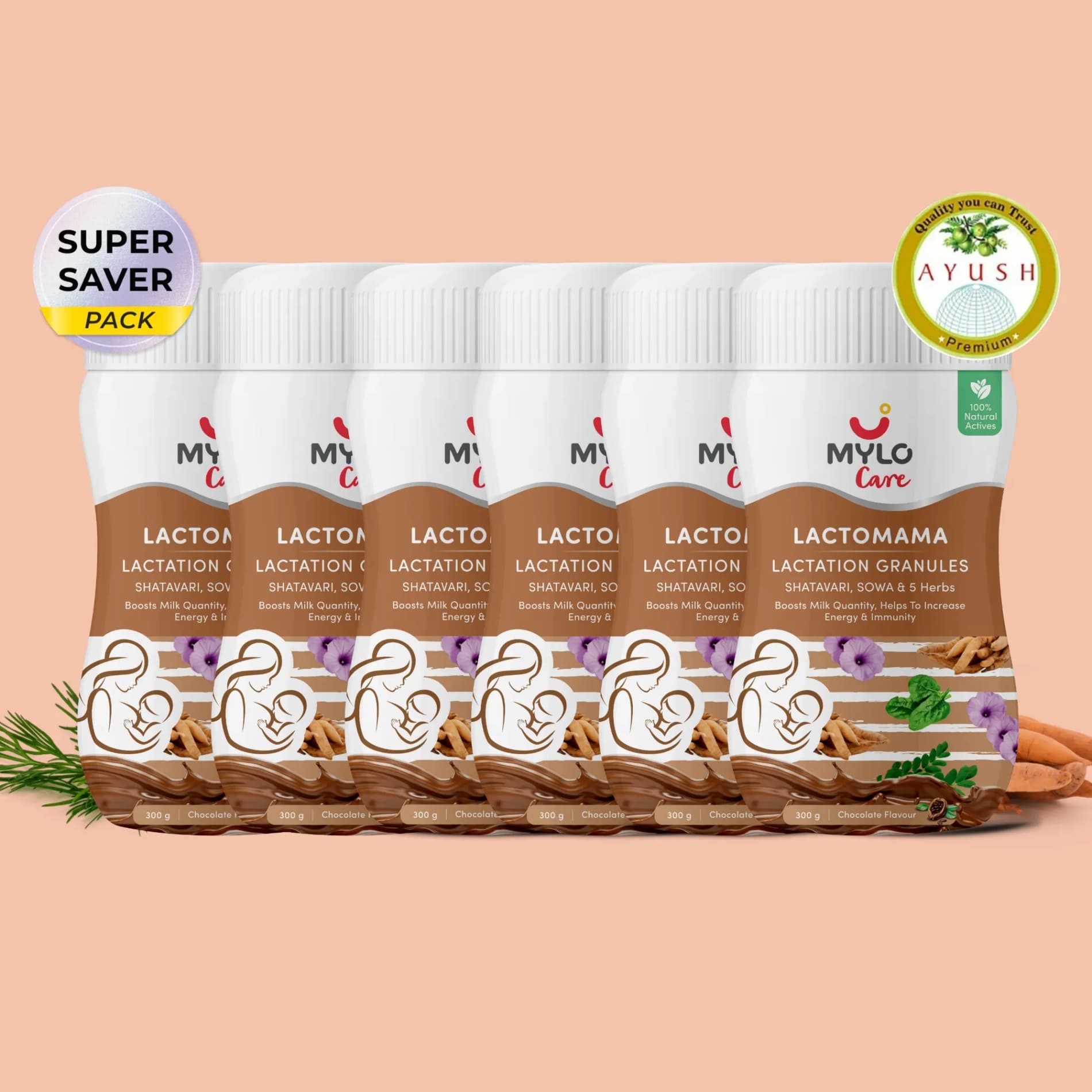
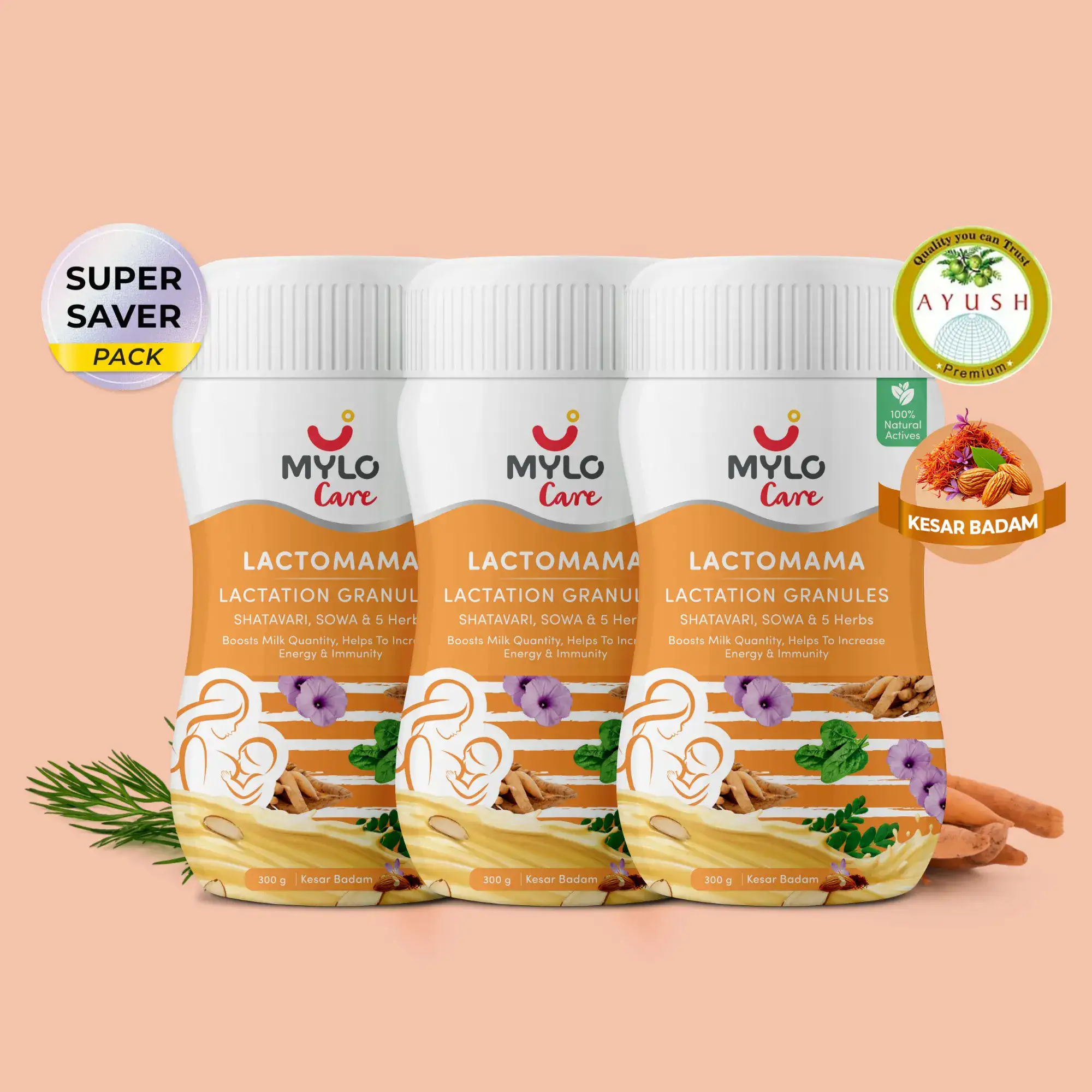
Shatavari comes as a plain powder, in capsules, or blended into ready-to-eat lactation granules. Powder is simple and flexible, while a ready-made blend can be easier to stay consistent with in the busy newborn weeks. If you want a shatavari-based option, Mylo LactoMama™ Lactation Granules use shatavari as the hero ingredient alongside other traditional galactagogues and nutrients such as Sowa, Moringa, Safed Jeera (with iron and calcium), Palak and Panchafrina Mool, and come in flavours like Elaichi, Chocolate and Kesar Badam. Whichever form you pick, choose a genuine, clearly labelled, tested product from a trusted seller.
Read more: What’s Inside Lactation Granules & How They Support Milk Production
How to Take Shatavari While Breastfeeding
|
Point |
Guidance |
|---|---|
|
Form |
Powder, capsules, or ready-to-eat granules, whichever you will actually keep up with. |
|
Dosage |
Follow the label or your doctor or Ayurvedic practitioner. Do not self-escalate the dose. |
|
With or without food |
Powder is often taken with warm milk or water; granules can be eaten directly. |
|
Timing |
Consistency matters more than exact timing, so take it daily. |
|
How long to try |
Give it 1 to 2 weeks alongside frequent feeding before judging, unless you react. |
|
Quality |
Pick a genuine, clearly labelled, tested brand from a trusted seller. |
Important: More is not better. Stick to the recommended amount, and add only one new supplement at a time so you can tell what is helping or causing any reaction.
The Fundamentals That Matter More Than Any Herb
No galactagogue works well without the basics. To genuinely support supply (NHS, La Leche League):
-
Feed or pump often, roughly 8 to 12 times in 24 hours in the early weeks; more removal signals more milk.
-
Check the latch; an effective latch empties the breast better, and a lactation consultant can help.
-
Do not skip night feeds, as prolactin runs higher at night.
-
Stay hydrated and eat enough; drink to thirst and do not under-eat.
-
Rest where you can, because exhaustion and stress can work against supply.
-
Get help early for pain, poor weight gain or persistent low supply.
Read more: Are Lactation Supplements Safe and How to Choose the Right One?
Safety, Side Effects & Who Should Be Cautious
Shatavari is generally considered well tolerated for most breastfeeding mothers; small clinical studies found no adverse effects in mothers or their nursing infants (NIH LactMed). Still, keep these in mind:
-
Allergy: Avoid if you are allergic to asparagus, since shatavari comes from the asparagus family.
-
Existing conditions or medication: Check with your doctor first if you have PCOS, thyroid issues, diabetes, or take any regular medicine, as herbs can interact.
-
Watch your baby: Note any unusual fussiness, rash or tummy upset after you start, and stop if you are concerned.
-
One change at a time: Do not start several new supplements together.
-
Quality counts: Poorly made herbal products can be contaminated, so buy tested, reputable brands.
If you have any reaction, or your supply concerns continue, stop and speak to your doctor or lactation consultant.
Indian Context
In Indian households, shatavari is a familiar postpartum remedy, often recommended by elders and Ayurvedic practitioners, and blended into laddoos, granules and tonics for new mothers. It even appears in the official Ayurvedic pharmacopeia as a galactagogue. That familiarity is a plus, but two reminders help. First, “natural” still means “check with your doctor,” especially if you are on medication. Second, no herb, laddoo or granule replaces frequent feeding and a good latch. Used sensibly alongside the basics, shatavari can be a comforting, nourishing part of the fourth-trimester routine. Many families choose a standardised, tested blend for consistency and convenience over home preparations of uncertain strength.
Read more: Understanding Lactation Supplements and How They Support Breastfeeding Moms
Myths vs Facts
|
Myth |
Fact |
|---|---|
|
Shatavari alone will fix low supply |
It is a support; frequent, effective milk removal is what mainly drives supply (NHS). |
|
More shatavari means more milk |
Higher doses are not proven to help and may cause side effects, so stick to the label. |
|
Herbal means totally risk-free |
“Natural” can still cause allergy or interactions; check with your doctor (NIH LactMed). |
|
It works instantly |
Herbal galactagogues usually take days to weeks, and results vary. |
|
If it worked for a friend, it will work for you |
Every mother’s supply and body differ, so response is individual. |
Frequently Asked Questions
Is shatavari safe while breastfeeding?
For most mothers it is considered well tolerated, and small studies found no adverse effects in mothers or babies. Avoid it if you are allergic to asparagus, and check with your doctor first if you take medication or have a health condition (NIH LactMed).
Does shatavari really increase milk supply?
It may help. A few small, well-designed trials found more milk and higher prolactin versus placebo, though the overall evidence is still mixed. Use it alongside frequent feeding, not instead of it.
How long does shatavari take to work?
There is no fixed timeline. Many mothers give it 1 to 2 weeks of consistent use, combined with regular feeding or pumping, before judging the effect. Results vary from person to person.
How much shatavari should I take when breastfeeding?
Follow the dose on your product’s label or the advice of your doctor or Ayurvedic practitioner. Do not increase the dose on your own.
Is shatavari powder or lactation granules better?
Both can deliver shatavari. Plain powder is simple and flexible; ready-to-eat blends add other galactagogues and nutrients and are easier to take consistently. Choose what you will actually keep up with.
Can shatavari replace feeding or pumping?
No. Nothing replaces regular, effective milk removal, which is the main signal your body uses to make milk (NHS). Shatavari is a support to that.
Are there any side effects?
It is usually well tolerated. The main caution is allergy, since it is from the asparagus family, and possible interactions if you have certain conditions or take medicines. Watch your baby for any unusual symptoms and stop if concerned.
References
-
NHS. Breastfeeding: is my baby getting enough milk? nhs.uk
-
NIH, Drugs and Lactation Database (LactMed). Wild Asparagus (Asparagus racemosus, Shatavari). ncbi.nlm.nih.gov
-
Gupta M, Shaw B. A Double-Blind Randomized Clinical Trial of Asparagus racemosus (Shatavari) as a Galactogogue in Lactational Inadequacy. pubmed.ncbi.nlm.nih.gov
-
Postpartum Use of Shavari Bar® Improves Breast Milk Output: A Double-Blind, Prospective, Randomized, Controlled Clinical Study. ncbi.nlm.nih.gov
-
Academy of Breastfeeding Medicine. ABM Clinical Protocol #9: Use of Galactogogues in Initiating or Augmenting Maternal Milk Production. bfmed.org
-
La Leche League International. Increasing Breastmilk Supply. llli.org
-
Indian Academy of Pediatrics (IAP). Guidelines on Breastfeeding. iapindia.org
Chosen by Breastfeeding Mamas Nurturing Their Milk Supply
A gentle shatavari-based lactation blend can support your milk supply alongside frequent feeding and postpartum recovery.


Related Articles




Related Topics
.webp&w=32&q=75)
Medical Disclaimer
This content is for informational purposes only and should not replace professional medical advice. Consult with a physician or other health care professional if you have any concerns or questions about your health. If you rely on the information provided here, you do so solely at your own risk.


AWARDS AND RECOGNITION

Mylo wins Forbes D2C Disruptor award

Mylo wins The Economic Times Promising Brands 2022
AS SEEN IN













- Mylo Care: Effective and science-backed personal care and wellness solutions for a joyful you.
- Mylo Baby: Science-backed, gentle and effective personal care & hygiene range for your little one.
- Mylo Community: Trusted and empathetic community of 10mn+ parents and experts.


Product Categories
Baby Carrier | Baby Soap | Baby Wipes | Stretch Marks Cream | Baby Cream | Baby Shampoo | Baby Massage Oil | Baby Hair Oil | Stretch Marks Oil | Baby Body Wash | Baby Powder | Baby Lotion | Diaper Rash Cream | Newborn Diapers | Teether | Baby Kajal | Baby Diapers Pants | Cloth Diapers | Laundry Detergent | Lactation Granules |