


Orders
.png&w=48&q=75 "login")
Profile


Wallet

The Science Behind Lactomama: How It Helps with Milk Production


MSc in Food Science & Nutrition · 10 years experience

 14 min
AI-Generated Summary
Quick overview in 30 seconds.webp&w=32&q=75)
- Breast milk production depends on hormones like prolactin and oxytocin, regular feeding, hydration, nutrition, and postpartum recovery working together in the mother's body.
- Lactomama granules combine Shatavari, Safed Jeera, Sowa seeds, and Moringa to support milk supply, digestion, maternal nutrition, and postpartum healing naturally.
- The granule format mixes easily with warm milk or water, making it a comforting, consistent daily routine for tired new mothers.
- Looking for natural lactation support that truly nourishes you? Explore our MamaGro™ Protein Diskettes - High Protein & No Added Sugar - 250gm (50 Diskettes).
 4.5
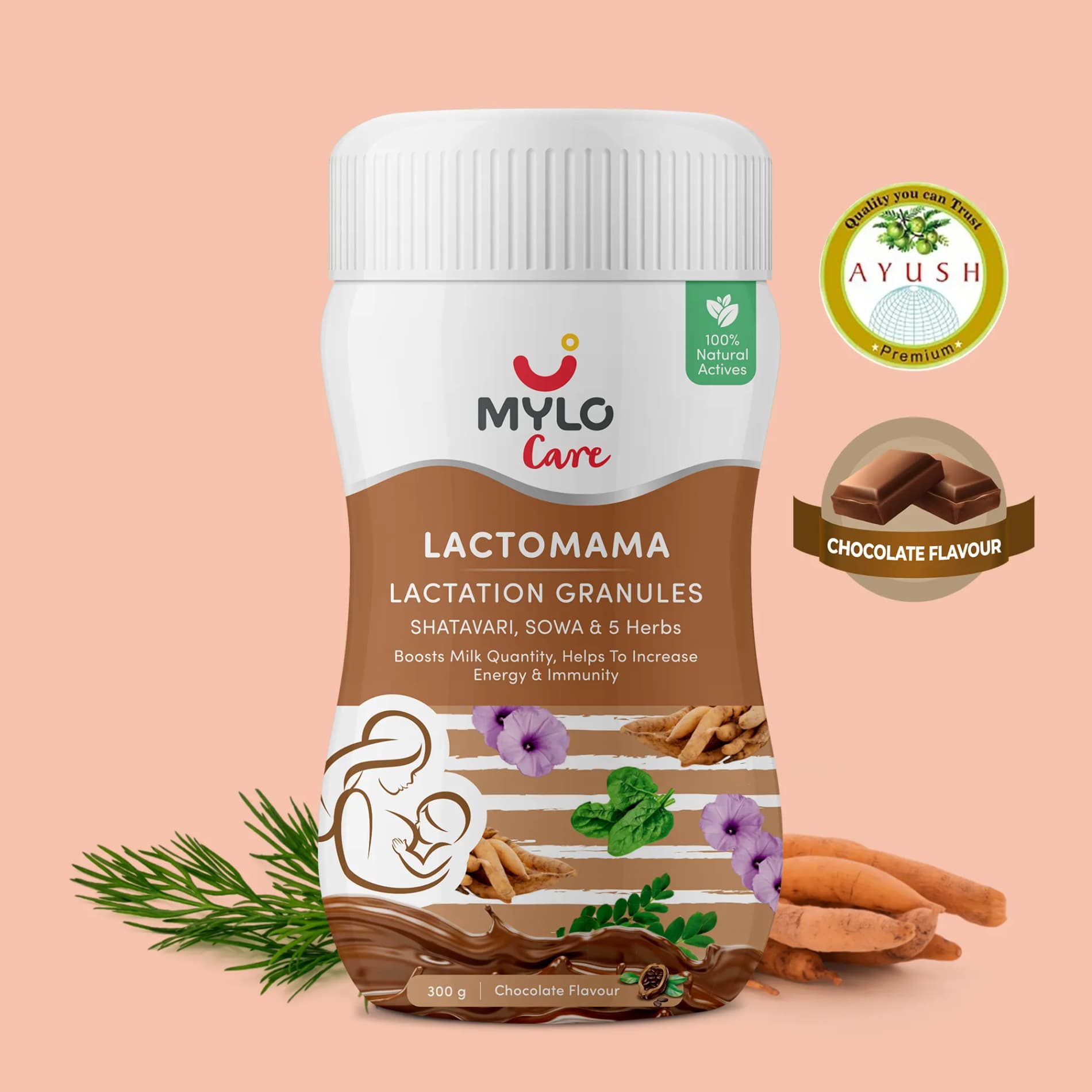
4.5Lactomama helps with milk production by supporting the body’s natural breastfeeding process through a combination of traditional lactation-supporting ingredients, maternal nourishment, and daily consistency. Breast milk production depends on regular milk removal, hormones like prolactin and oxytocin, hydration, nutrition, and postpartum recovery. Lactomama ingredients such as Shatavari, Safed Jeera, Sowa seeds, and Moringa are commonly used to support these areas. Together, they help create better conditions for healthy lactation by supporting milk supply, digestion, maternal nutrition, and recovery during breastfeeding.
Introduction
Breastfeeding is natural, but that does not mean it always feels easy.
Many new mothers worry about whether they are producing enough milk for their baby. Some notice delayed milk flow, some feel their baby is never fully satisfied, and others struggle because of postpartum weakness, stress, or recovery after delivery.
This is why many breastfeeding mothers start looking for support through:
foods that increase breast milk
natural galactagogues
home remedies to increase breast milk
lactation supplements for breastfeeding mothers
One supplement that has become popular among new moms is Mylo Lactomama granules. It is often chosen as a natural breast milk booster supplement because it combines multiple traditional ingredients known for supporting lactation and maternal health.
But how does it actually help?
To understand that, it helps to first understand the science of milk production itself—and then see how Lactomama ingredients fit into that process.
In this article, we’ll break down the science behind Lactomama, how milk production works, and how its ingredients support breastfeeding mothers in a practical and natural way.
How Milk Production Works
To understand how Lactomama helps, it is important to understand how the body makes breast milk.
Breast milk production is mainly driven by two things:
1. Hormones
The two most important hormones involved in lactation are:
Prolactin
This hormone helps the body make milk.
Oxytocin
This hormone helps release milk from the breast during feeding.
When a baby suckles at the breast, the body receives signals that trigger these hormones.
2. Supply and Demand
Milk production works on a simple rule:
The more milk is removed, the more milk the body is encouraged to make.
That means frequent breastfeeding or pumping is one of the most important parts of maintaining milk supply.
However, this natural process can be affected by several things, including:
stress
fatigue
poor nutrition
dehydration
poor latch
postpartum recovery
C-section delivery
This is why some mothers look for a natural lactation supplement to support the body while breastfeeding is being established.
Why Some Mothers Need Extra Lactation Support
Even though the body is designed to produce milk, not every mother has the same breastfeeding experience.
Some mothers may need extra support because of:
delayed milk coming in after delivery
low milk supply concerns
poor appetite during postpartum recovery
weakness or exhaustion
digestive discomfort
increased nutritional demands while breastfeeding
In these situations, support is not only about “boosting milk.” It is also about helping the mother feel nourished, recovered, and able to continue regular feeding.
That is where a multi-benefit supplement like Lactomama granules becomes relevant.
What Is Lactomama?
Lactomama is a lactation supplement for breastfeeding mothers designed to support milk production naturally while also helping with postpartum nutrition and recovery.
It comes in granule form, which can be mixed with warm milk or water and consumed as part of a daily routine.
Unlike supplements built around only one ingredient, Lactomama breastfeeding supplement combines multiple traditional ingredients that are commonly associated with lactation support.
That is one of the reasons many mothers see Mylo Lactomama as a more complete postpartum lactation supplement rather than just a basic milk booster.
The Science Behind Lactomama
When people say “the science behind Lactomama,” they are really talking about how the product supports the biological and nutritional conditions required for milk production.
Lactation is not only about one ingredient or one shortcut. It depends on a combination of:
regular breast stimulation
hormonal response
maternal nutrition
hydration
digestion
energy and recovery
Lactomama supports this process by helping the mother’s body in several connected ways.
1. It Supports the Body During the Supply-and-Demand Process
Milk production increases when the breasts are stimulated regularly through feeding or pumping.
But for the body to keep responding well to this demand, the mother also needs enough nourishment and recovery support.
That is why a supplement like Lactomama works best as part of a routine that includes:
frequent breastfeeding
pumping when needed
hydration
nourishing meals
In this way, Lactomama granules do not replace the biology of lactation, they help support it.
2. It Helps Support Maternal Nutrition
One of the most practical parts of the “science” behind lactation is that milk production is physically demanding.
Breastfeeding mothers need extra nutrients, fluids, and energy.
If a mother is:
eating poorly
feeling weak
recovering slowly
low in energy
then maintaining breastfeeding can feel more difficult.
This is why Lactomama benefits go beyond milk supply. Ingredients like Moringa add nutritional value that can support the mother while she is feeding her baby.
A nourished mother is better supported for regular breastfeeding, and regular breastfeeding supports milk production.
3. It Supports Digestive Comfort and Nutrient Use
Digestion is often overlooked in breastfeeding conversations, but it matters.
If a mother is dealing with:
heaviness
bloating
poor digestion
low appetite
then eating enough and absorbing nutrients well becomes harder.
Ingredients like Safed Jeera and Sowa seeds are traditionally associated with digestive comfort. This matters because better digestion supports overall maternal well-being, which in turn supports lactation.
So part of the science behind Lactomama ingredients is not just direct lactation support, but also helping the body stay comfortable enough to eat, recover, and continue breastfeeding well.
4. It Supports Postpartum Recovery
The body after childbirth is not in a neutral state.
It is healing, adjusting hormonally, often sleeping less, and trying to establish breastfeeding at the same time.
This is especially relevant for mothers who:
had a C-section
experienced delayed lactation
feel physically depleted
need more structured recovery support
A product like Lactomama can be useful because it fits into this postpartum recovery phase, not just the milk supply conversation.
That broader support is part of what makes Lactomama granules feel more practical than products focused only on a single milk-boosting claim.
Lactomama Ingredients and How They Support Milk Production
The strongest part of the “science behind Lactomama” is really its ingredient combination.
Each ingredient supports a different piece of the breastfeeding puzzle.
Shatavari
Shatavari is one of the most well-known Ayurvedic herbs used for women’s health and breastfeeding support.
How Shatavari helps
It is traditionally used to support:
lactation
hormonal balance
postpartum strength
Because milk production is influenced by hormonal response and maternal recovery, Shatavari for breastfeeding is widely valued in lactation support products.
It is one of the most important Lactomama ingredients because it directly connects with the traditional lactation-support role many mothers are looking for.
Safed Jeera (Cumin Seeds)
Safed jeera for lactation is already familiar to many mothers because cumin is commonly used in postpartum diets and home remedies.
How Safed Jeera helps
It is traditionally associated with:
digestive support
better appetite
postpartum nourishment
support for milk production
Since breastfeeding mothers need to eat well and recover well, ingredients that support digestion can play an important indirect role in better lactation support.
That is why Safed Jeera adds more than just one benefit to Lactomama granules.
Sowa Seeds (Dill Seeds)
Sowa seeds benefits are often discussed in the context of digestion and postpartum care.
How Sowa Seeds help
They are commonly used to support:
digestion
comfort after meals
postpartum wellness
lactation support
When a mother feels physically more comfortable, it becomes easier to stay consistent with meals, hydration, and breastfeeding routines.
So while Sowa seeds may not be discussed as aggressively as some other herbs, they still add real value to the overall logic of a natural galactagogue supplement.
Moringa
Moringa is one of the most nutritionally dense ingredients used in breastfeeding support.
How Moringa helps
It provides nutritional support through:
iron
calcium
vitamins
minerals
antioxidant value
This makes it especially useful for mothers who feel weak, depleted, or nutritionally stretched during breastfeeding.
From a practical standpoint, Moringa supports the mother’s body while she is doing the demanding work of feeding her baby.
This is one of the reasons Lactomama feels more complete than products that rely only on one milk-focused herb.
Why the Combination Matters More Than a Single Ingredient
Many breastfeeding products are built around only one ingredient.
That can still be useful, but lactation is rarely a one-issue problem.
A new mother may simultaneously be dealing with:
low milk supply
poor appetite
weakness
digestive discomfort
postpartum recovery
That is why the combination of Shatavari, Safed Jeera, Sowa seeds, and Moringa gives Lactomama an advantage.
Instead of supporting only one narrow area, the formula supports multiple parts of the breastfeeding experience together.
This is one of the biggest reasons many mothers consider Lactomama vs other lactation supplements and choose Lactomama as a more complete option.
Why Granules Make a Difference
The granule format of Lactomama also matters.
Some mothers do not enjoy taking capsules or tablets during the postpartum period, especially when they already feel tired, overwhelmed, or physically uncomfortable.
Granules can be mixed with warm milk or water, which makes the routine feel:
easier
more nourishing
more comforting
more natural in a postpartum context
This can improve consistency, and consistency matters because natural lactation support usually works best with regular use.
So part of the science behind Lactomama granules is not only the ingredients themselves, but also how easy the format is to include in a daily routine.
How to Use Lactomama Effectively
Knowing Lactomama how to use is important because even the right ingredients work best when used correctly.
Recommended use
Mix 1 scoop of Lactomama granules with warm milk or water and take it twice daily after meals.
For better results, mothers should also:
breastfeed or pump frequently
stay hydrated
eat nourishing foods
get as much rest as possible
This is important because the supplement supports the body, but the body still needs regular milk removal to maintain supply.
Who May Benefit Most From Lactomama
Lactomama may be especially useful for:
new mothers worried about low milk supply
mothers recovering from delivery or C-section
breastfeeding moms who feel weak or nutritionally low
mothers looking for a natural milk booster for moms
women who want a more complete breast milk booster supplement India option
It is particularly relevant for mothers who want something that supports both milk production and postpartum wellness together.
Lactomama Benefits in Real Breastfeeding Routine Terms
When mothers think about the “science” behind a supplement, what they usually really want to know is:
How does this help me in real life?
In practical terms, Lactomama benefits include support for:
Milk production support
Through traditional lactation-friendly ingredients.
Recovery support
Important during the early postpartum phase.
Nutritional support
Especially relevant for breastfeeding mothers who need more nourishment.
Digestive support
Useful for maternal comfort and consistency in eating well.
Routine support
Because it is easy to use regularly.
These are the real-life reasons the product feels helpful to many new mothers.
FAQs for Lactomama
1. How does Lactomama help with milk production?
Lactomama helps with milk production by supporting the natural breastfeeding process through ingredients like Shatavari, Safed Jeera, Sowa seeds, and Moringa, which are traditionally used to support lactation, nutrition, digestion, and postpartum recovery.
2. What are the main Lactomama ingredients?
The main Lactomama ingredients include Shatavari, Safed Jeera, Sowa seeds, and Moringa.
3. Is Lactomama a natural galactagogue supplement?
Yes, Lactomama is positioned as a natural galactagogue supplement for breastfeeding mothers because it uses traditional ingredients associated with lactation support.
4. Why is Shatavari used in Lactomama?
Shatavari for breastfeeding is commonly used because it is traditionally associated with lactation and hormonal support.
5. What does Safed Jeera do in Lactomama?
Safed Jeera is commonly used for digestive support and is also associated with traditional lactation support.
6. What are the benefits of Sowa seeds in Lactomama?
Sowa seeds benefits include digestive comfort and postpartum support, which can help mothers stay better supported during breastfeeding.
7. How do I use Lactomama granules?
Mix 1 scoop with warm milk or water and take it twice daily after meals.
8. Does Lactomama work alone without breastfeeding frequently?
No. Lactomama supports the body, but milk production still depends heavily on regular breastfeeding or pumping because lactation works on supply and demand.
Conclusion
The science behind Lactomama is not about one magical ingredient or one instant shortcut. It is about supporting the natural biology of breastfeeding in a more complete way.
Milk production depends on:
regular breast stimulation
hormonal response
maternal nutrition
digestion
recovery
hydration
That is why Lactomama granules are built around more than just one milk-supply claim. With Lactomama ingredients like Shatavari, Safed Jeera, Sowa seeds, and Moringa, the product is designed to support breastfeeding mothers in a broader, more realistic way.
For new moms looking for a natural lactation supplement that fits both milk production and postpartum care, Mylo Lactomama stands out as a strong and practical option.
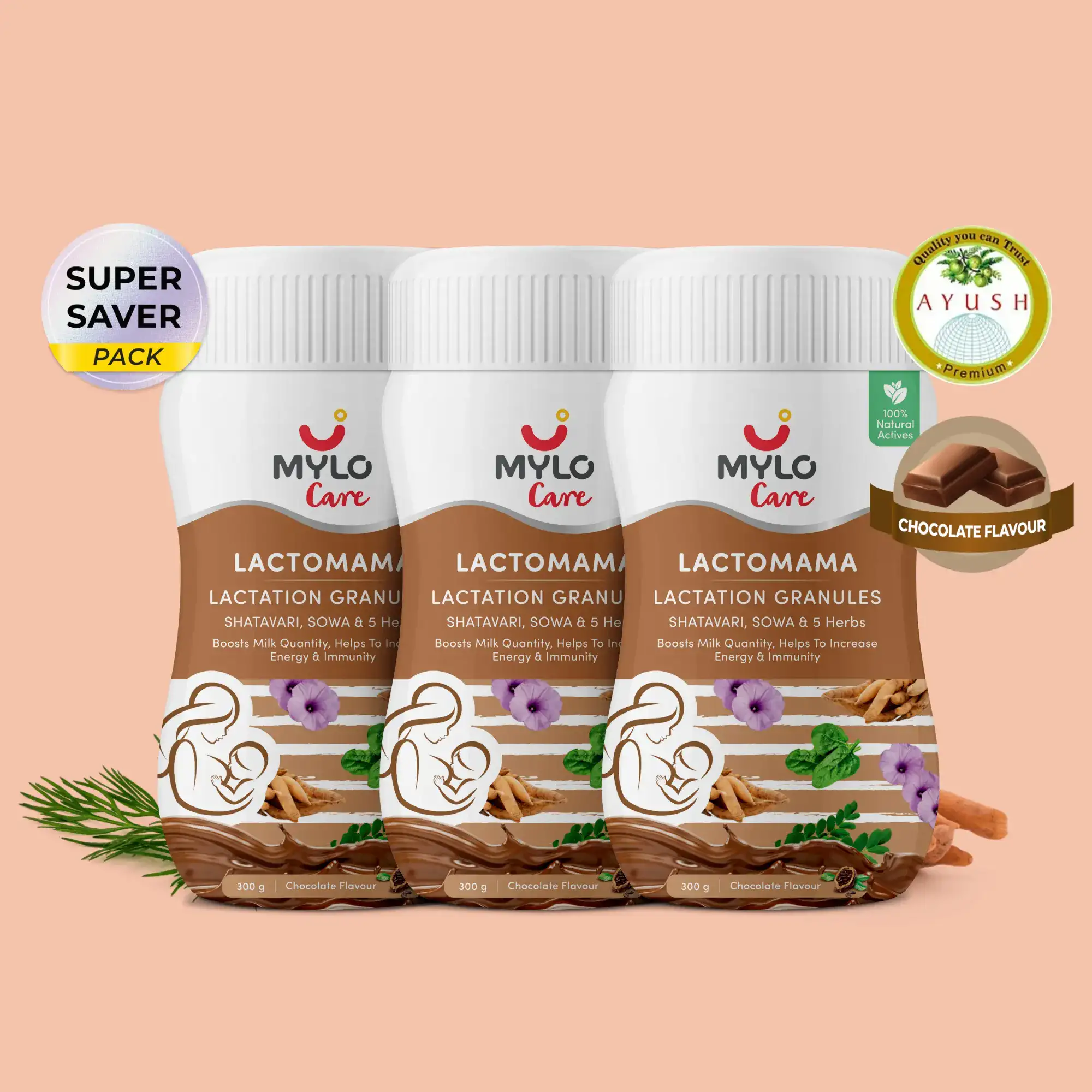
“Explore Mylo Lactomama Now!”

“Explore Mylo Lactomama Now!”
Trusted by New Moms Building Their Milk Supply
Gentle, herb-based lactation support to nurture your milk supply while helping your body recover after delivery.



Article Posted Under
Related Articles
Best Pregnancy and Parenting App in India: 5 Must-Have Features to Look For (2026)
 20 min
 Best Hairstyles for Postpartum Hair Loss and Regrowth
 10 min
 HairVivine Pro: What This Pumpkin Seed Hair Active Does and What the Studies Show
 15 min
 Postpartum Hair Loss and Confidence: Why It Hits So Hard and What Helps
 9 min
9 min
Related Topics
.webp&w=32&q=75)
Medical Disclaimer
This content is for informational purposes only and should not replace professional medical advice. Consult with a physician or other health care professional if you have any concerns or questions about your health. If you rely on the information provided here, you do so solely at your own risk.


AWARDS AND RECOGNITION

Mylo wins Forbes D2C Disruptor award

Mylo wins The Economic Times Promising Brands 2022
AS SEEN IN













- Mylo Care: Effective and science-backed personal care and wellness solutions for a joyful you.
- Mylo Baby: Science-backed, gentle and effective personal care & hygiene range for your little one.
- Mylo Community: Trusted and empathetic community of 10mn+ parents and experts.


Product Categories
Baby Carrier | Baby Soap | Baby Wipes | Stretch Marks Cream | Baby Cream | Baby Shampoo | Baby Massage Oil | Baby Hair Oil | Stretch Marks Oil | Baby Body Wash | Baby Powder | Baby Lotion | Diaper Rash Cream | Newborn Diapers | Teether | Baby Kajal | Baby Diapers Pants | Cloth Diapers | Laundry Detergent | Lactation Granules |