


Orders
.png&w=48&q=75 "login")
Profile


Wallet

How Often Should a Newborn's Diaper Be Changed?
 9 min
9 minQuick Answer
A newborn's diaper should be changed roughly every 2 to 3 hours, which usually works out to about 8 to 12 times a day in the early weeks (AAP). On top of that routine, change the diaper immediately after every poop, and check it around each feed. You do not always need to wake a sleeping baby for a wet diaper at night, but a soiled (poopy) diaper should be changed promptly to protect the skin (NHS). Frequent changing is the single best way to prevent diaper rash, because it stops pee and poop from sitting against your baby's skin (Cleveland Clinic). Whichever diaper you use, a snug fit, good absorbency and quick changes keep your baby comfortable and rash-free.
Author: Mylo Editorial Team, Mylo Parenting Desk
Medically reviewed by: Mylo Editorial Board, aligned with AAP, NHS and Cleveland Clinic guidance
Last updated: 4 August 2026
Medical Disclaimer: This article is for informational purposes only and is not a substitute for professional medical advice. If your baby has very few wet diapers, signs of dehydration, or a diaper rash that is severe, blistering, bleeding, spreading or not improving in a few days, or comes with fever, please consult your paediatrician.
Key Takeaways
Change a newborn's diaper about every 2 to 3 hours, roughly 8 to 12 times a day (AAP).
Always change immediately after a poop, and check the diaper around each feed.
You usually do not need to wake a sleeping baby just for a wet diaper (NHS).
Always change a soiled diaper promptly, even overnight, to protect the skin.
Frequent changing prevents diaper rash, the number one prevention step (Cleveland Clinic).
Watch wet diaper counts as a sign your baby is feeding and hydrating well.
A snug fit and good absorbency keep your baby comfortable between changes.
How Often Should You Change a Newborn's Diaper?
In the early weeks, newborns need very frequent changes. The American Academy of Pediatrics notes a newborn may need a diaper change as many as 8 to 12 times a day, which is about once every 2 to 3 hours (AAP). Here is a simple guide by situation.
Situation | What to do |
|---|---|
Routine, daytime | Change every 2 to 3 hours (about 8 to 12 times a day) |
After a poop | Change immediately, every time |
Around a feed | A good moment to check and change if wet or soiled |
Wet at night | You usually do not need to wake baby just for a wet diaper |
Soiled at night | Change promptly, even if it means waking baby |
Umbilical cord healing | Fold the diaper below the stump and change often (AAP) |
When Exactly Should You Change the Diaper?
After every poop: stool is the biggest cause of skin irritation, so change it right away (Cleveland Clinic).
When it feels wet or heavy: or when a wetness indicator line changes colour, if your diaper has one.
Around feeds: newborns often pee or poop during or soon after feeding, so it is a natural time to check.
Before bed and after waking: a fresh diaper at these times keeps your baby comfortable.
Do You Need to Change the Diaper at Night?
Not always for a wet diaper. Sleep matters for your baby, and if they are only wet, you usually do not need to wake them just to change it (NHS). A good, absorbent overnight diaper can often keep your baby comfortable until morning. However, if your baby has pooped, change it promptly even overnight, because stool sitting on the skin is the main trigger for diaper rash (Cleveland Clinic).
How Many Diapers a Day Is Normal for a Newborn?
Wet diaper counts are a useful sign that your baby is feeding and hydrating well. Output builds over the first week (NHS, AAP):
Baby's age | Wet diapers per day (at least) |
|---|---|
Day 1 | 1 |
Day 2 | 2 |
Day 3 | 3 |
Day 4 to 5 | 4 to 6 |
After the first week | 6 to 8 heavy wet diapers |
Because babies also poop several times a day early on, total diaper changes often add up to 8 to 12 or more. If your baby has very few wet diapers or seems unwell, contact your doctor.
Why Do Frequent Diaper Changes Matter?
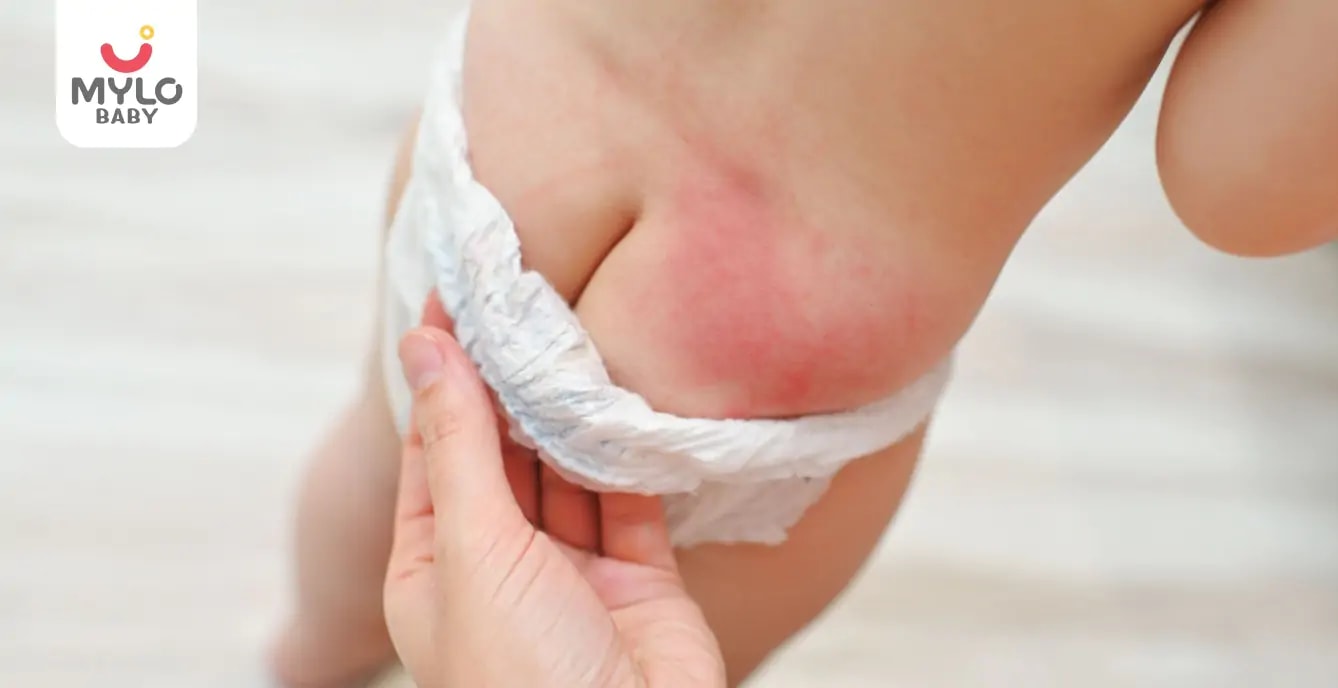
The main reason is skin health. When pee and poop sit against the skin, they break down the skin barrier and cause diaper rash. Changing often, and immediately after a poop, is the single most effective way to prevent it (Cleveland Clinic, Nationwide Children's). Frequent changes also keep your baby comfortable, reduce fussiness, and let you spot any rash early. To help further, clean gently, pat the skin dry before the fresh diaper, and use a thin layer of a barrier cream only if your baby is prone to rash. Avoid talcum powder, which is not recommended for babies (AAP).
Choosing a Diaper That Makes Frequent Changes Easier
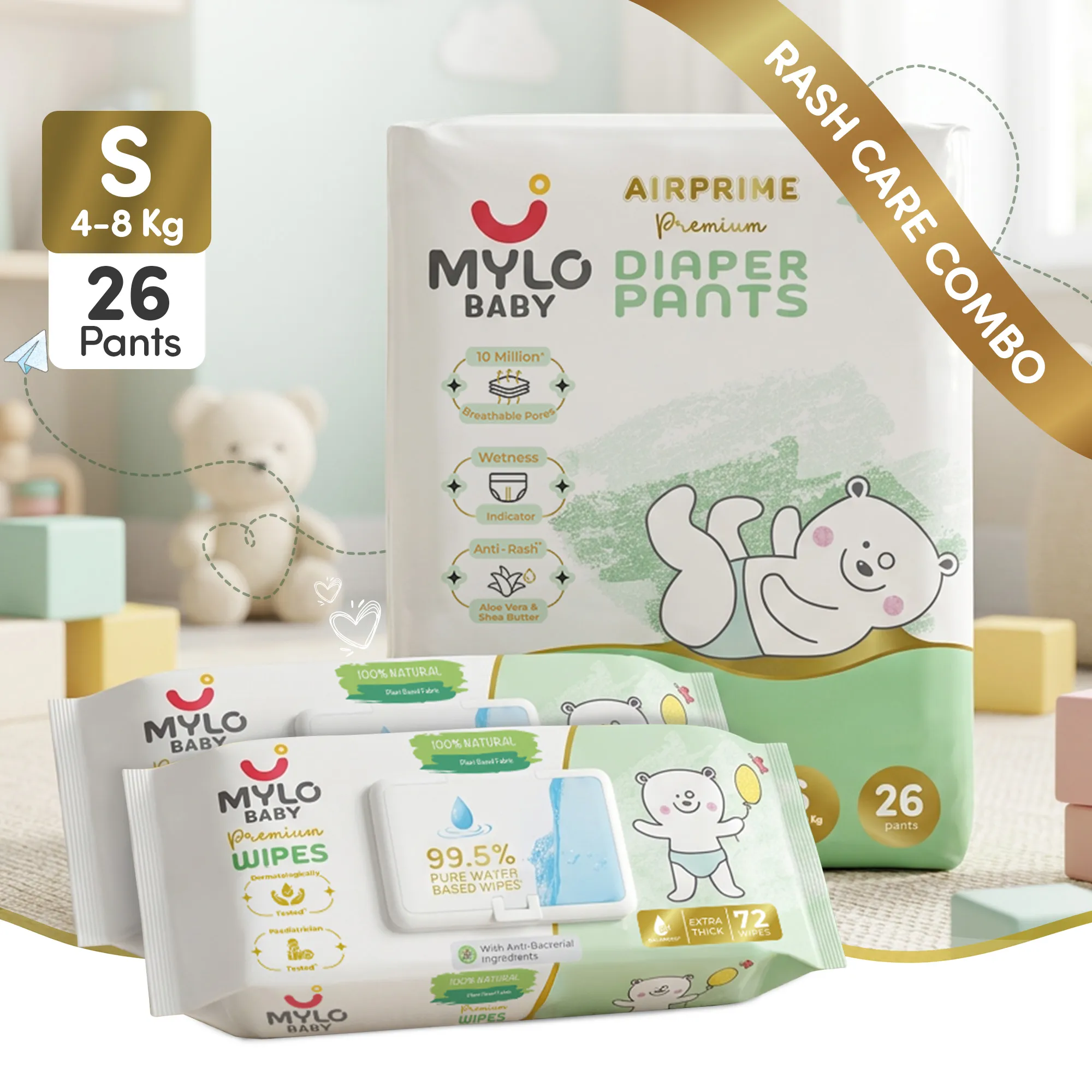
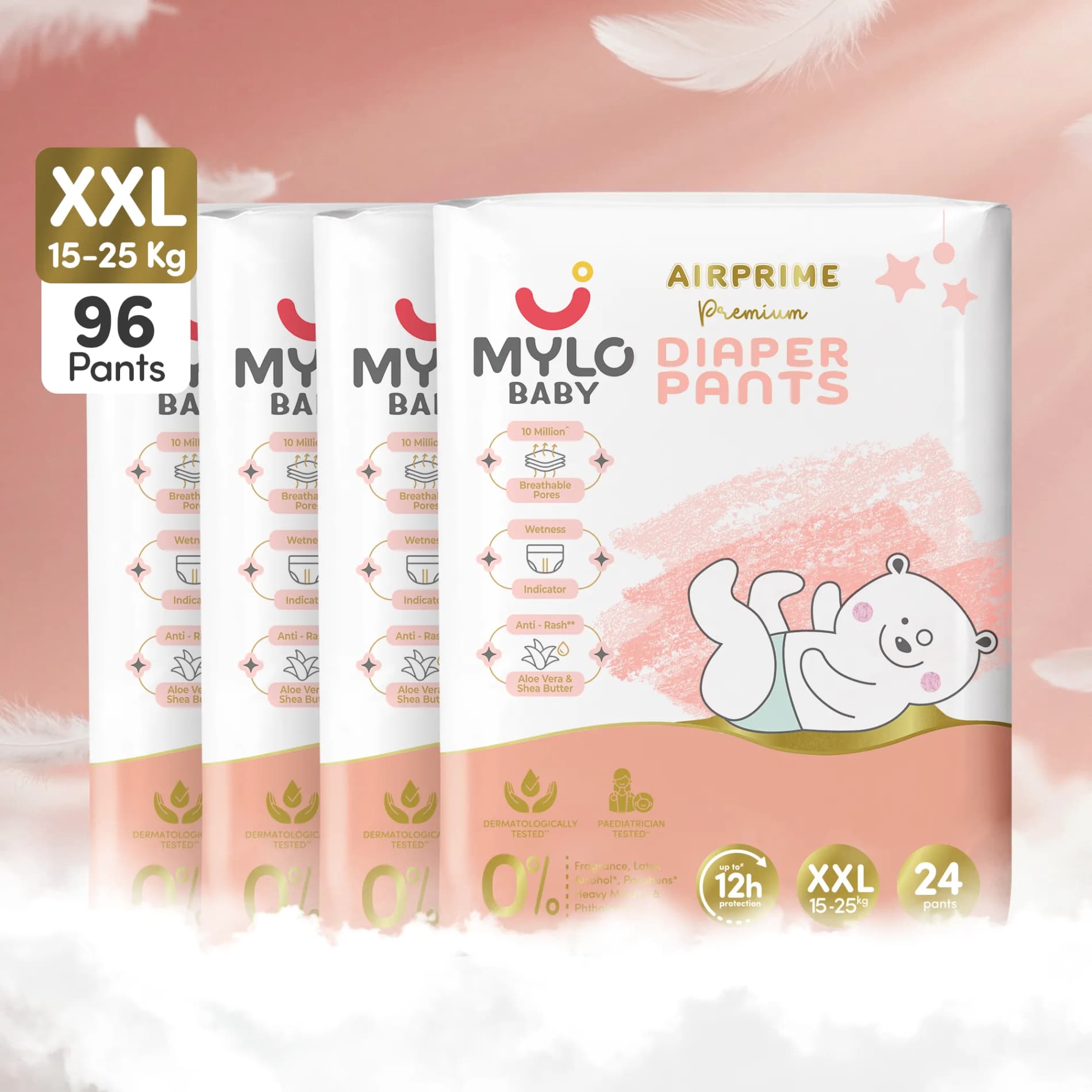
Frequent changing does the heavy lifting, but a good diaper makes it easier and keeps skin drier between changes. Look for a snug fit at the waist and thighs, soft and breathable materials, strong absorbency, and a wetness indicator that tells you at a glance when it is time to change. For a newborn-friendly option, the Mylo Care Diapering Range offers soft, absorbent diapers designed to keep your baby's skin dry and comfortable between changes. Remember, no diaper prevents rash on its own; frequent changing does, so change often whichever diaper you choose.
Myths vs Facts
Myth | Fact |
|---|---|
You only need to change a diaper a few times a day | Newborns need about 8 to 12 changes a day, roughly every 2 to 3 hours (AAP). |
Always wake the baby to change a wet diaper at night | You usually do not need to wake baby just for wet; change soiled diapers promptly (NHS). |
A more absorbent diaper means you can change less often | Absorbency helps, but frequent changing is what prevents rash (Cleveland Clinic). |
Powder keeps the area dry and rash-free | Talc is not recommended for babies; use a barrier cream if needed instead (AAP). |
A little poop in the diaper can wait | Change poop immediately; stool on the skin is the main cause of rash. |
Frequently Asked Questions
How often should a newborn's diaper be changed?
About every 2 to 3 hours, or roughly 8 to 12 times a day in the early weeks, and immediately after every poop (AAP).
Should I change my newborn's diaper after every feed?
Feeds are a good time to check and change, since newborns often pee or poop during or soon after feeding. Change if the diaper is wet or soiled.
Do I need to wake my baby to change a wet diaper at night?
Usually not, if your baby is only wet. A good overnight diaper can keep them comfortable until morning. But change a poopy diaper promptly, even at night (NHS).
How many diapers a day does a newborn use?
Most newborns go through 8 to 12 or more diaper changes a day. Wet diapers build from about 1 on day one to 6 to 8 after the first week, a sign your baby is well hydrated.
How does frequent changing prevent diaper rash?
It stops pee and poop from sitting against the skin, which is what breaks down the skin and causes rash. Change often and immediately after a poop (Cleveland Clinic).
Can leaving a diaper on too long harm my baby?
A diaper left wet or soiled for too long can lead to diaper rash and discomfort. Change regularly, and always change soiled diapers promptly.
When should I see a doctor?
See your paediatrician if your baby has very few wet diapers, signs of dehydration, or a rash that is severe, blistering, bleeding, spreading, not improving in a few days, or comes with fever.
References
American Academy of Pediatrics (HealthyChildren.org). Diapering Your Baby. healthychildren.org
NHS UK. Nappies and nappy changing. nhs.uk
Cleveland Clinic. Diaper Rash. my.clevelandclinic.org
Nationwide Children's Hospital. Diaper Dermatitis (Diaper Rash). nationwidechildrens.org





Article Posted Under
Related Articles

Related Topics
.webp&w=32&q=75)
Medical Disclaimer
This content is for informational purposes only and should not replace professional medical advice. Consult with a physician or other health care professional if you have any concerns or questions about your health. If you rely on the information provided here, you do so solely at your own risk.


AWARDS AND RECOGNITION

Mylo wins Forbes D2C Disruptor award

Mylo wins The Economic Times Promising Brands 2022
AS SEEN IN













- Mylo Care: Effective and science-backed personal care and wellness solutions for a joyful you.
- Mylo Baby: Science-backed, gentle and effective personal care & hygiene range for your little one.
- Mylo Community: Trusted and empathetic community of 10mn+ parents and experts.


Product Categories
Baby Carrier | Baby Soap | Baby Wipes | Stretch Marks Cream | Baby Cream | Baby Shampoo | Baby Massage Oil | Baby Hair Oil | Stretch Marks Oil | Baby Body Wash | Baby Powder | Baby Lotion | Diaper Rash Cream | Newborn Diapers | Teether | Baby Kajal | Baby Diapers Pants | Cloth Diapers | Laundry Detergent | Lactation Granules |