


Orders
.png&w=48&q=75 "login")
Profile


Wallet

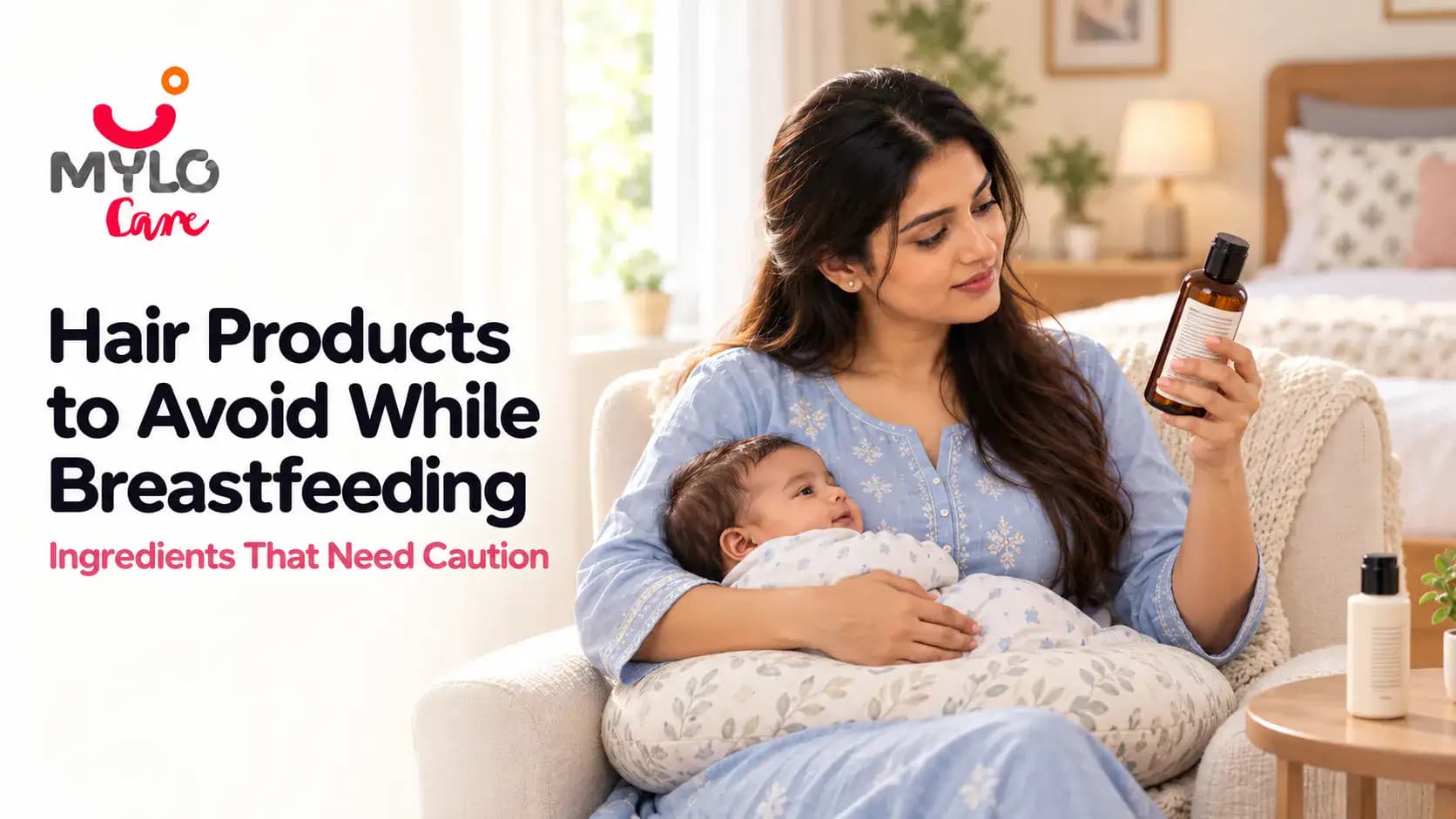
Hair Products to Avoid While Breastfeeding: Ingredients That Need Caution
 13 min
Quick Answer
Most rinse-off hair products like shampoos and conditioners are generally considered fine while breastfeeding, because very little gets absorbed into your body. The ingredients that deserve real caution are medicated hair growth actives like minoxidil, prescription hair loss medicines like finasteride, high-dose supplements, and concentrated essential oils. Check these with your doctor before using them. Common worries like sulphates, parabens, silicones, and fragrance are mostly about scalp comfort and personal preference, not breastfeeding safety. Choosing gentle products with clear ingredient lists is sensible, but you don't need to fear every unfamiliar name on a label.
Introduction
If you have found yourself squinting at the back of a shampoo bottle, googling ingredient names one by one, you are far from alone. New mothers spend a lot of time reading labels, and understandably so: you want to keep yourself and your baby safe. The trouble is that ingredient lists are intimidating, and much of what is online exaggerates risk, turning ordinary cosmetic ingredients into things to fear.
This guide makes label-reading calmer and clearer. We will cover the hair care ingredients to avoid while breastfeeding (a genuinely short list), the widely feared ingredients that are actually fine, and how to choose gentle products without second-guessing every purchase.
Ingredient Safety Snapshot
Ingredient | Generally OK While Breastfeeding? | Notes |
|---|---|---|
Gentle shampoo ingredients | Usually yes | Cosmetic use |
Conditioning agents | Usually yes | Cosmetic use |
Sulphates (SLS/SLES) | Generally fine in rinse-off products | Can irritate sensitive scalps |
Parabens | Exposure generally considered low | A personal preference |
Silicones | Generally fine | Cosmetic benefit only |
Fragrance | Usually fine unless it irritates | Patch test if sensitive |
Hair dye | Generally considered low risk | Little is absorbed through the scalp |
Minoxidil | Ask your doctor first | Extra caution with a newborn or premature baby |
Finasteride and other prescription hair loss medicines | Avoid unless your doctor advises | Not enough safety data |
High-dose hair supplements | Ask your doctor first | Doses can stack with postnatal vitamins |
Concentrated essential oils | Ask your doctor first | Potent, and not well studied |
Are Hair Care Products Safe While Breastfeeding?
For the most part, yes. Here is why:
Most cosmetic hair products are barely absorbed. What you put on your hair and scalp, especially in a rinse-off product, largely stays on the outside and washes away.
Safety depends on the active ingredients, not the marketing. A "clinical" label doesn't make something risky, and a "natural" label doesn't make it safe. The actual formula is what matters.
Rinse-off is different from leave-on. A shampoo you rinse off in two minutes is very different from a medicated serum you leave on your scalp all day.
Your situation counts. Any medical conditions or prescriptions you have should always be part of the decision.
Which Hair Care Ingredients Should You Avoid While Breastfeeding?
The genuine "check first" list is short.
Minoxidil
Minoxidil is the most common hair regrowth active and is found in many over-the-counter serums. The guidance is cautious:
The official product information for a widely sold minoxidil foam says it should not be used while breastfeeding, and notes that minoxidil absorbed into the body passes into breast milk.
The NIH's LactMed drugs and lactation database says topical minoxidil is likely low risk for older, full-term babies, but is best avoided while breastfeeding a newborn or premature baby. It reports a case of a premature baby who developed extra facial hair while the mother used 5% minoxidil; it went away after she stopped.
Bottom line: don't start minoxidil while breastfeeding without your doctor's advice, especially in the early weeks. Oral minoxidil tablets are a prescription medicine and should only be used under medical supervision.
Finasteride and other prescription hair loss medicines
Finasteride and anti-androgen medicines should only ever be used under medical supervision. According to MotherToBaby, finasteride has not been studied in breastfeeding, and the product label advises breastfeeding women not to use it. Never start these on your own during this period.
High-dose vitamin supplements
More is not better, and some vitamins carry real risks at high doses:
Vitamin A can be harmful in excess, according to the NIH Office of Dietary Supplements
Biotin is often megadosed in "hair" supplements, and high doses can give falsely abnormal results on some blood tests, including thyroid tests, according to Singapore's Health Sciences Authority. Tell your doctor if you take it before any blood test.
Iron should be dosed based on your actual blood levels, not guesswork
Zinc can cause its own problems in excess
Avoid adding extra hair supplements on top of your postnatal vitamins without medical advice, because doses can quietly add up.
Concentrated essential oils and herbal blends
This is where "natural" trips people up: natural does not automatically mean breastfeeding-safe. Concentrated botanical formulas and essential oils can be potent, and most have not been studied in breastfeeding. Choose products with clear ingredient lists, and be cautious with concentrated herbal blends that don't disclose what is inside. If you use onion-based products, our guide on whether onion oil is safe during breastfeeding explains what is known.
Are Sulphates, Parabens and Silicones Actually Harmful?
For breastfeeding safety, these are largely misunderstood.
Sulphates (SLS and SLES). These are cleansing agents that make shampoo lather and lift away oil. They are not known to reach breast milk through normal use. Their real downside is that they can dry out or irritate some scalps, which is why sulphate-free products exist. Going sulphate-free is a comfort choice, not a breastfeeding requirement.
Parabens. These are preservatives that stop products growing bacteria and mould. Exposure from cosmetics is generally considered low, and they are regulated in most markets. Many brands now avoid them because customers prefer it, which is perfectly valid, but preferring paraben-free is a personal choice rather than an evidence-based breastfeeding rule.
Silicones. These smooth the hair, reduce frizz, and add shine. They are purely cosmetic and are not a breastfeeding concern. Some people avoid them because of build-up, which is a styling preference.
Fragrance. Usually fine, but it is the most common cause of scalp irritation. If your skin is reactive, patch test new products or choose fragrance-free. This is about your comfort, not milk safety.
Alcohols. "Alcohol" on a label is not one thing. Drying alcohols can dehydrate hair, while fatty alcohols like cetyl or stearyl alcohol actually condition and soften it. Fatty alcohols are common, gentle, and nothing to worry about.
Can I Colour My Hair While Breastfeeding?
Generally, yes. Very little hair dye is absorbed through the scalp, and e-lactancia, a breastfeeding medicine database, rates hair dyes as low risk while breastfeeding. Work in a well-ventilated space, avoid dye on broken skin, and consider gentler or ammonia-free options if you are concerned.
Ingredients That Are Usually Fine While Breastfeeding
Ingredient | Purpose |
|---|---|
Glycerin | Moisturises hair |
Aloe vera | Hydrates the scalp |
Plant oils | Condition hair |
Shea butter | Softens hair |
Panthenol | Conditions hair |
Hydrolysed proteins | Reduce breakage |
Ceramides | Protect hair |
These support the look, feel, and manageability of your hair. They are not hair growth actives and won't stimulate regrowth, but they help keep hair conditioned and less prone to breakage.
How to Read a Hair Care Label
A quick checklist:
Look for a complete ingredient list; full disclosure is a good sign
Spot any medicated actives, like minoxidil, that need a doctor's okay
Avoid miracle regrowth claims; honest products don't promise the impossible
Prefer brands that tell you exactly what is inside
Choose products made for everyday cosmetic care
Ask before using any medicated treatment
A Gentle Hair Routine for Breastfeeding Mothers
Here is the honest context first: postpartum hair shedding is driven by the hormone shift after delivery, and no shampoo or serum switches that off. What gentle hair care can do is reduce breakage, make hair easier to manage, and keep your scalp comfortable while your body recovers.
.webp)

This is cosmetic hair care, not a medical treatment. It isn't designed to stop postpartum hair fall, reverse hormonal shedding, or replace medical advice. If you have a medical condition or take other supplements, check with your doctor before adding the gummies.
How Can Breastfeeding Mothers Reduce Hair Fall Safely?
Beyond products, these habits genuinely help:
Eat enough protein at each meal
Keep taking your postnatal vitamins as prescribed
Stay well hydrated
Sleep whenever it is practical
Manage stress where you realistically can
Avoid tight hairstyles that pull at the roots
Use a wide-tooth comb and detangle gently
Reduce heat styling
Treat any scalp conditions early
Postpartum shedding is mainly hormone-driven and can't always be prevented. For more on why it happens and how nutrition fits in, read our guides on whether breastfeeding causes hair loss and which vitamin deficiency causes postpartum hair loss. For a week-by-week plan, see our 90-day postpartum hair recovery routine.
When Should I See a Doctor?
See a doctor or dermatologist if you notice:
Severe hair loss
Clearly defined bald patches
Shedding that continues beyond one year after delivery
Scalp inflammation, sores, or pain
Hair loss with fatigue or dizziness
Signs of iron deficiency or thyroid problems
Any question about prescription hair treatments
Your doctor may suggest blood tests and can advise what is safe to use while breastfeeding.
Key Takeaway
Breastfeeding mothers don't need to fear every cosmetic ingredient. The important step is telling the difference between everyday hair care products and medicated treatments. Keep minoxidil, prescription hair loss medicines, high-dose supplements, and concentrated essential oils for a conversation with your doctor, and choose gentle, transparent products for everything else.
Frequently Asked Questions
Which hair products should I avoid while breastfeeding?
Check with your doctor before using minoxidil, prescription hair loss medicines like finasteride, high-dose vitamin supplements, and concentrated essential oils or herbal blends. Most everyday shampoos and conditioners are fine.
Is minoxidil safe while breastfeeding?
Ask your doctor first. Official product information says minoxidil foam should not be used while breastfeeding, and the NIH's LactMed database advises avoiding it with a newborn or premature baby. Don't start it on your own.
Is finasteride safe while breastfeeding?
No, not without medical advice. It has not been studied in breastfeeding, and the product label advises breastfeeding women not to use it.
Can I use shampoo while breastfeeding?
Yes. Everyday shampoos are rinsed off and barely absorbed, so a gentle formula is generally fine.
Are sulphates safe during breastfeeding?
Yes, in rinse-off products. Sulphates are not known to reach breast milk through normal use. They can dry sensitive scalps, so sulphate-free is a comfort preference, not a safety must.
Are parabens harmful while breastfeeding?
Cosmetic exposure to parabens is generally considered low, and they are regulated in most markets. Choosing paraben-free is a valid personal preference rather than a breastfeeding requirement.
Can I use a hair serum while nursing?
Check the ingredients. Cosmetic conditioning serums are generally fine, but serums with medicated actives like minoxidil should be cleared with your doctor first, since they stay on the scalp.
Can I use onion shampoo while breastfeeding?
A gentle, rinse-off onion shampoo used as cosmetic hair care is generally considered fine. Check the full ingredient list and choose a mild formula.
Can I colour my hair while breastfeeding?
Generally, yes. Very little hair dye is absorbed through the scalp, and breastfeeding medicine databases rate it as low risk. Work in a ventilated space and avoid dye on broken skin.
Can hair care products pass into breast milk?
For ordinary cosmetic products, absorption is minimal, so meaningful transfer into breast milk is very unlikely. The concern is mainly medicated actives like minoxidil, which is why those need your doctor's input.
Should I stop using hair growth products while breastfeeding?
Not necessarily, but check what is in them. Gentle cosmetic products are usually fine; anything with a medicated hair growth active should be discussed with your doctor.
Are hair growth gummies safe while breastfeeding?
Check with your doctor, especially if you already take a postnatal vitamin, because doses can add up. If they contain biotin, tell your doctor before any blood test, as biotin can affect some results.
References
Hair Fall Control Kit for Moms
Stronger, healthier hair after pregnancy
.webp&w=1900&q=75)




Article Posted Under
Related Articles




Medical Disclaimer
This content is for informational purposes only and should not replace professional medical advice. Consult with a physician or other health care professional if you have any concerns or questions about your health. If you rely on the information provided here, you do so solely at your own risk.


AWARDS AND RECOGNITION

Mylo wins Forbes D2C Disruptor award

Mylo wins The Economic Times Promising Brands 2022
AS SEEN IN












- Mylo Care: Effective and science-backed personal care and wellness solutions for a joyful you.
- Mylo Baby: Science-backed, gentle and effective personal care & hygiene range for your little one.
- Mylo Community: Trusted and empathetic community of 10mn+ parents and experts.


Product Categories
Baby Carrier | Baby Soap | Baby Wipes | Stretch Marks Cream | Baby Cream | Baby Shampoo | Baby Massage Oil | Baby Hair Oil | Stretch Marks Oil | Baby Body Wash | Baby Powder | Baby Lotion | Diaper Rash Cream | Newborn Diapers | Teether | Baby Kajal | Baby Diapers Pants | Cloth Diapers | Laundry Detergent | Lactation Granules |