


Orders
.png&w=48&q=75 "login")
Profile


Wallet

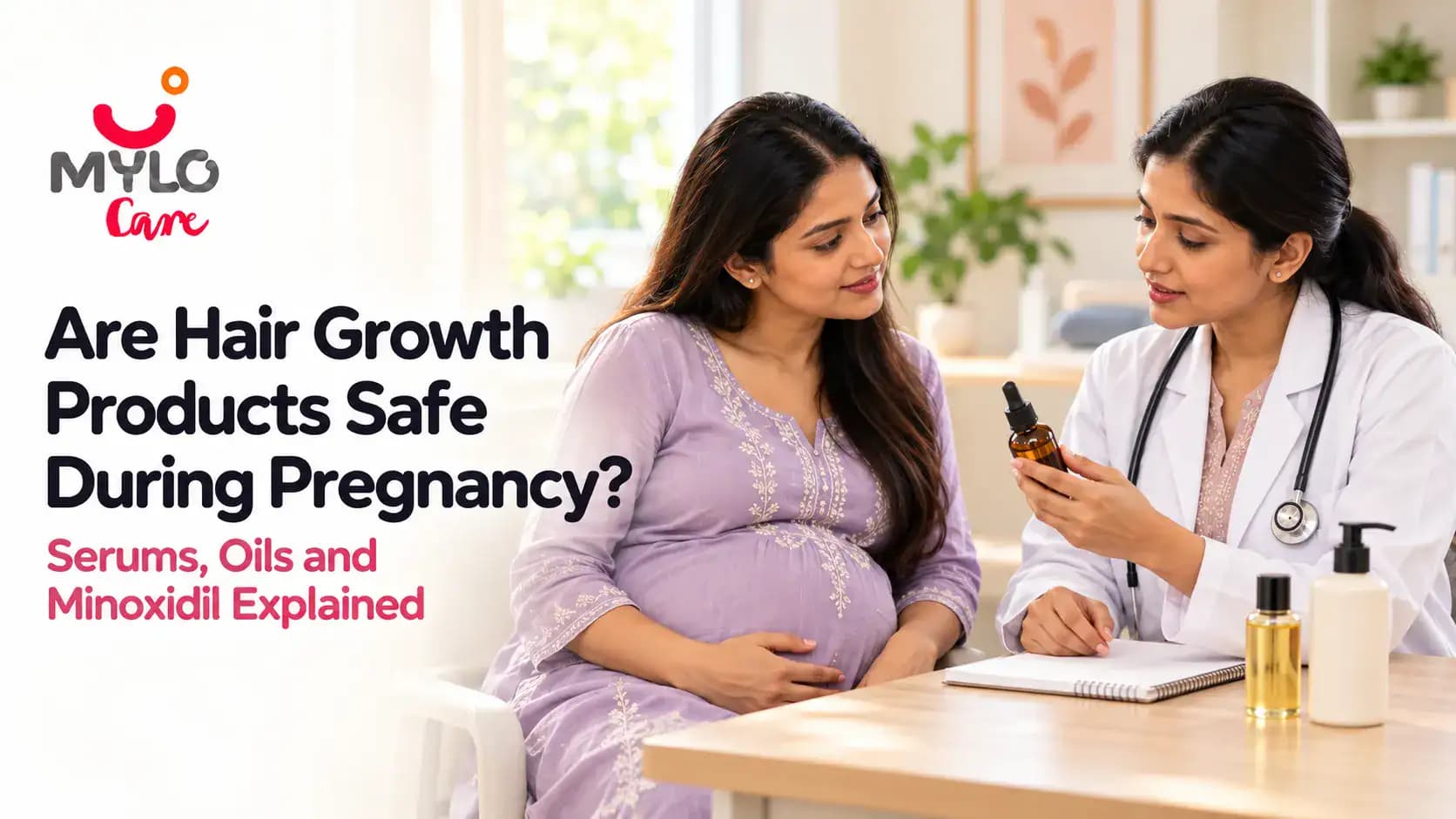
Are Hair Growth Products Safe During Pregnancy? Serums, Oils and Minoxidil Explained
 12 min
Quick Answer
Not all hair growth products are suitable during pregnancy. Gentle cosmetic products like shampoos and conditioners are generally fine as part of your normal routine. But anything sold specifically for hair growth, or containing an active ingredient, should only be used after checking with your doctor. Some actives have little pregnancy safety data, and a few, like minoxidil, are not recommended while you are expecting. The safest approach is to choose products with clear ingredient lists, stick to mild everyday care, and avoid self-medicating with supplements or medicated treatments.
Introduction
Pregnancy does funny things to your hair. Some women find it thicker and glossier than ever; others notice more shedding, a change in texture, or a scalp that behaves differently. It is completely understandable that these changes send many mums-to-be searching for hair growth serums, oils, and anti-hairfall shampoos.
But pregnancy is exactly the time when what is in a product matters far more than what the label promises. A bottle can claim "clinically proven regrowth," yet the more useful question is whether its ingredients are right to use now. This guide walks you through which hair products are generally fine, which need a doctor's go-ahead, and how to shop with confidence.
If you are dealing with hair fall right now, our guide to hair fall during pregnancy: causes and when to worry explains what may be behind it.
Quick Safety Reference
Product Type | General Guidance |
|---|---|
Gentle shampoo | Usually fine for routine washing |
Conditioner | Generally fine as cosmetic hair care |
Hair oil | Depends on the ingredients; check for essential oils |
Hair growth serum | Check the active ingredients and ask your doctor |
Minoxidil (foam, solution, or tablets) | Not recommended unless your doctor specifically advises it |
Medicated scalp treatment | Ask your doctor first |
Hair supplements | Do not self-prescribe during pregnancy |
Are Hair Growth Products Safe During Pregnancy?
There is no single yes-or-no answer, because "hair growth products" covers everything from a mild shampoo to a medicated scalp treatment. Safety depends on:
The active ingredients in the formula
The type of product: a cosmetic cleanser or a medicated treatment
How it is used: rinsed off, left on, or taken by mouth
Your stage of pregnancy
Your personal medical history
The key distinction is this: everyday cosmetic hair care and medicated hair growth treatments are not the same category. A gentle shampoo you rinse out is very different from a leave-on serum with a drug-level active. Lumping them together is where most of the confusion comes from.
Why Should Pregnant Women Be Careful With Hair Growth Products?
This is about sensible caution, not fear:
Skin absorption. Some ingredients applied to the scalp can be absorbed into the body, so leave-on actives deserve more care than rinse-off products.
Limited pregnancy data. Most hair products have not been studied in pregnant women, so "no known risk" often means "not enough is known."
Hormonal changes. Pregnancy can change how your skin and scalp react to products you used comfortably before.
Medicated treatments need oversight. Anything with a drug-level active is a conversation for your doctor, not a solo decision.
None of this means stripping your routine back to water. It just means leave-on and medicated products deserve a second look.
Is Minoxidil Safe During Pregnancy?
Minoxidil is the most common active in hair regrowth products, and it is the one to be most careful with. The official product information for a widely sold minoxidil foam states that it should not be used during pregnancy or breastfeeding. This applies to foams, solutions, and sprays, and oral minoxidil tablets should only ever be taken under a doctor's supervision.
Many over-the-counter "hair growth" serums contain minoxidil, sometimes in small print, so always check the ingredient list. If you used a minoxidil product before you knew you were pregnant, don't panic; stop using it and mention it to your doctor at your next visit.
Which Other Ingredients Need Caution?
Rather than an alarming "banned list," think of these as things not to start during pregnancy without medical advice:
Prescription hair loss medications, which belong under medical supervision
High-dose supplements. More is not better. Too much vitamin A, for example, can harm a developing baby, according to the NIH Office of Dietary Supplements, and "hair" supplements often stack vitamins on top of your prenatal vitamin.
Concentrated herbal formulations and essential oils, such as concentrated rosemary oil, which are more potent than they sound and have not been well studied in pregnancy
If a product contains any of these, ask your doctor before using it.
Are Natural or Herbal Hair Products Automatically Safe?
This is one of the biggest misconceptions: natural does not automatically mean pregnancy-safe. Many herbal ingredients are potent, and "herbal" formulas can contain concentrated actives or essential oils that are not advised during pregnancy.
A plant origin tells you nothing on its own about safety. What matters far more is ingredient transparency: knowing exactly what is in the bottle and at what strength. If a herbal product won't tell you its full formula, that is a reason for caution, however wholesome it sounds.
How Do I Choose Pregnancy-Safe Hair Care Products?
A simple checklist to shop by:
A full ingredient list you can read and understand
A gentle formula designed for regular cosmetic use
No exaggerated claims ("miracle," "guaranteed," "regrows in X days")
No medicated actives you don't need
A trusted brand with clear labelling
A doctor's check when unsure, especially for leave-on or active products
Avoid:
Miracle hair growth claims; hair biology doesn't work on dramatic promises
Products with vague or hidden formulas
High-dose hair supplements without medical advice
Prescription treatments used without a consultation
Several overlapping supplements that can add up to unsafe totals
If a product's main selling point is an aggressive regrowth promise rather than gentle care, it is usually not the right choice for pregnancy.
Choosing Gentle Hair Care During Pregnancy
Here is the reassuring reality: hair changes during pregnancy often settle on their own, and DermNet notes that many women actually have thicker hair while pregnant because more hairs stay in the growth phase. So the goal during pregnancy isn't to chase regrowth; it is to keep your hair comfortable, manageable, and less prone to breakage.
.webp)

To be clear, cosmetic hair care products like these are not designed to stop pregnancy hair loss, regrow hair, or cure thinning, and no honest brand would claim they do. Think of them as kind, everyday care while your body does its work. If you have specific concerns about any leave-on product, check with your doctor.
Can I Reduce Hair Fall Without Hair Growth Products?
Absolutely, and these habits often matter more than any product:
Eat enough protein, the building block of hair (dal, eggs, paneer, dairy, fish, chicken)
Include iron-rich foods like lentils, beans, and leafy greens
Stay well hydrated
Detangle gently from the ends up with a wide-tooth comb
Avoid tight hairstyles that pull at the roots
Reduce heat styling and harsh chemical treatments
Manage stress where you realistically can
Keep taking your prescribed prenatal vitamins
If you suspect your diet is a factor, our guide on whether low protein is the hidden reason for hair fall in pregnancy explains what to eat. For more everyday tips, see how to deal with hair fall during pregnancy.
When Should I Speak to a Doctor?
Reach out to your doctor or a dermatologist for:
Sudden, severe hair loss
Clearly defined bald patches
Scalp pain, redness, sores, or persistent itching
Hair loss with fatigue, dizziness, or breathlessness
Suspected thyroid problems or iron deficiency
Any question about prescription treatments or supplements
Your doctor may suggest blood tests, for example to check your iron or thyroid levels, and guide you on what is safe to use.
Key Takeaway
The safest hair care routine during pregnancy is usually a simple one. Focus on gentle cleansing, conditioning, good nutrition, and clear ingredient lists, and leave hair growth actives like minoxidil until after you have spoken to your doctor.
Frequently Asked Questions
Is minoxidil safe during pregnancy?
No, not without a doctor's specific advice. Official product information for minoxidil foam says it should not be used during pregnancy or breastfeeding. Many over-the-counter hair growth products contain it, so read labels carefully.
Is oral minoxidil safe during pregnancy?
Oral minoxidil is a prescription medicine and should only be taken under your doctor's supervision. Don't start or continue it during pregnancy without medical advice.
Can I use a hair growth serum during pregnancy?
Check the ingredients first. Many contain actives like minoxidil that aren't recommended in pregnancy. Because serums are left on the scalp, run yours past your doctor before using it.
Is shampoo safe during pregnancy?
Gentle, everyday shampoos are generally fine during pregnancy. As a rinse-off product, a mild formula with a clear ingredient list is usually a safe choice.
Can I use conditioner while pregnant?
Yes. Ordinary cosmetic conditioners are generally fine during pregnancy. Choose a gentle formula, and check with your doctor if it contains any specific active you are unsure about.
Can I use an anti-hairfall shampoo during pregnancy?
A gentle, rinse-off anti-hairfall shampoo with a clear ingredient list is usually fine as everyday care. If it contains a medicated active, check with your doctor first.
Are hair oils safe during pregnancy?
It depends on the ingredients. Plain nourishing oils like coconut oil used on the hair are generally fine, but oils containing concentrated essential oils or actives should be checked with your doctor.
Is rosemary oil safe during pregnancy?
Concentrated rosemary essential oil has not been well studied in pregnancy, so it is best to avoid applying it unless your doctor approves. A product with a tiny amount of rosemary extract is different from undiluted essential oil, so check the label and ask if unsure.
Are herbal hair products safe during pregnancy?
Not automatically. Natural or herbal doesn't guarantee pregnancy safety, and some contain concentrated actives or essential oils best avoided. A clear ingredient list matters more than a "herbal" label.
Which ingredients should I avoid in hair products during pregnancy?
Don't start minoxidil, prescription hair loss medicines, high-dose supplements, or concentrated herbal actives and essential oils without medical advice. Choose products with gentle, clearly listed ingredients.
Do pregnancy-safe hair products actually work?
Gentle products can make hair more manageable, reduce breakage, and keep your scalp comfortable, but they won't override hormonal hair changes. Honest care beats miracle claims.
Will my hair go back to normal after pregnancy?
Usually yes. Many hair changes settle after delivery, though many women then have a separate wave of postpartum shedding around 2 to 4 months after birth. The American Academy of Dermatology notes this is temporary, and most women regain normal fullness by their child's first birthday.
References
Hair Fall Control Kit for Moms
Stronger, healthier hair after pregnancy
.webp&w=1900&q=75)




Article Posted Under
Related Articles

Medical Disclaimer
This content is for informational purposes only and should not replace professional medical advice. Consult with a physician or other health care professional if you have any concerns or questions about your health. If you rely on the information provided here, you do so solely at your own risk.


AWARDS AND RECOGNITION

Mylo wins Forbes D2C Disruptor award

Mylo wins The Economic Times Promising Brands 2022
AS SEEN IN












- Mylo Care: Effective and science-backed personal care and wellness solutions for a joyful you.
- Mylo Baby: Science-backed, gentle and effective personal care & hygiene range for your little one.
- Mylo Community: Trusted and empathetic community of 10mn+ parents and experts.


Product Categories
Baby Carrier | Baby Soap | Baby Wipes | Stretch Marks Cream | Baby Cream | Baby Shampoo | Baby Massage Oil | Baby Hair Oil | Stretch Marks Oil | Baby Body Wash | Baby Powder | Baby Lotion | Diaper Rash Cream | Newborn Diapers | Teether | Baby Kajal | Baby Diapers Pants | Cloth Diapers | Laundry Detergent | Lactation Granules |