


Orders
.png&w=48&q=75 "login")
Profile


Wallet

Fasting During Pregnancy: Is It Safe for You and Your Baby?

 50 Likes|
 20 min
For millions of Indian women, fasting is a deep expression of faith, love and tradition. It might be Karwa Chauth or Teej, Navratri or Ekadashi, the holy month of Ramadan, Paryushan, Lent or a weekly vrat. Whatever your faith, these fasts carry deep meaning. So when you are pregnant, it is natural to ask: “Can I still keep my fast? Will it harm my baby?”
The good news is that you do not have to choose between your faith and your baby’s health. With the right information, your doctor’s approval and a few smart changes, many women find a safe way to honour their traditions. This guide explains what research says about fasting during pregnancy, who should avoid it, and how to fast more safely if your doctor says yes.
Quick answer: Fasting during pregnancy is not automatically dangerous, but it is not risk-free either. Short, modified fasts with water and food allowed (like a phalahar or fruit-and-milk fast) are generally safer than long or waterless (nirjala) fasts. Women with diabetes, low blood pressure, anaemia, poor baby growth, twins or other complications should not fast. Always speak to your gynaecologist before keeping any fast during pregnancy.
What Happens to Your Body When You Fast During Pregnancy?
During pregnancy, your baby depends completely on you for a steady supply of glucose, nutrients, oxygen and fluids. When you fast:
Your blood sugar drops faster than it would if you were not pregnant. This can make you feel dizzy, weak or shaky sooner.
Your body starts burning fat for energy, which produces ketones. Pregnant women reach this state more quickly than non-pregnant women.
You lose fluids through breathing, sweating and urine, and if you are not drinking water, dehydration can set in within hours, especially in hot weather.
This is why doctors take fasting in pregnancy seriously, even for women who fasted easily before.
Is It Safe to Fast During Pregnancy? What Research Says
Most research on fasting in pregnancy comes from studies of Ramadan, because millions of pregnant women around the world choose to fast during this month. The findings help us understand longer fasts in general.
A large systematic review and meta-analysis of 22 studies covering more than 31,000 pregnancies found that fasting did not lower average birth weight and did not increase preterm birth. However, fasting mothers had lower placental weight, and the researchers said more studies are needed.
A later review on offspring health found that results are mixed. Some studies link fasting, especially in the first trimester, to slightly lower birth weight, while many others found no effect.
The British Nutrition Foundation notes that although the evidence is not clear cut, many experts believe it is not a good idea to fast during pregnancy, and that dehydration is a particular concern when fasts fall in hot weather.
What this means for you: Healthy women with uncomplicated pregnancies may be able to fast safely for short periods with medical guidance. But the evidence is not strong enough to call fasting completely safe for everyone, and waterless fasts carry the most risk.
Does Fasting Affect the Baby During Pregnancy?
A single short fast is unlikely to harm a healthy baby. The concern is with long, frequent or waterless fasts, which may:
Reduce the steady supply of glucose and nutrients your baby needs to grow
Cause dehydration, which can affect the amount of amniotic fluid around your baby
Temporarily reduce your baby’s movements in some cases
Lead to nutritional gaps if fasts are repeated over many days
If you notice your baby moving less than usual on a fasting day, break your fast, drink water, eat something and call your doctor.
Can Fasting Cause Miscarriage in Early Pregnancy?
There is no strong evidence that a single short fast causes miscarriage. Most early miscarriages happen because of chromosomal problems in the baby that no one can prevent.
However, the first trimester is a time of rapid organ development, and many women already struggle with nausea, vomiting and poor appetite. Fasting on top of this can quickly lead to dehydration and low blood sugar, which is why many doctors advise avoiding fasts in the first trimester, especially if you have severe morning sickness. To learn which foods truly matter in early pregnancy, read our guide on foods that can cause miscarriage: myths and facts.
Fasting During Pregnancy Trimester by Trimester
Trimester | What to Know | General Advice |
|---|---|---|
First trimester (week 1 to 13) | Baby’s organs are forming. Nausea and vomiting are common. Some studies link fasting at this stage to lower birth weight. | Most doctors advise avoiding fasts. If you fast, keep it very light, with water and fruit. |
Second trimester (week 14 to 27) | Often the most comfortable phase. Energy needs increase by about 350 kcal a day (ICMR-NIN 2020). | Often considered the safest time for a short, modified fast, if your doctor agrees. |
Third trimester (week 28 to 40) | Baby grows fastest. You may tire easily and feel dizzy sooner. | Avoid long or waterless fasts. A light fruit-and-milk fast may be possible with your doctor’s approval. |
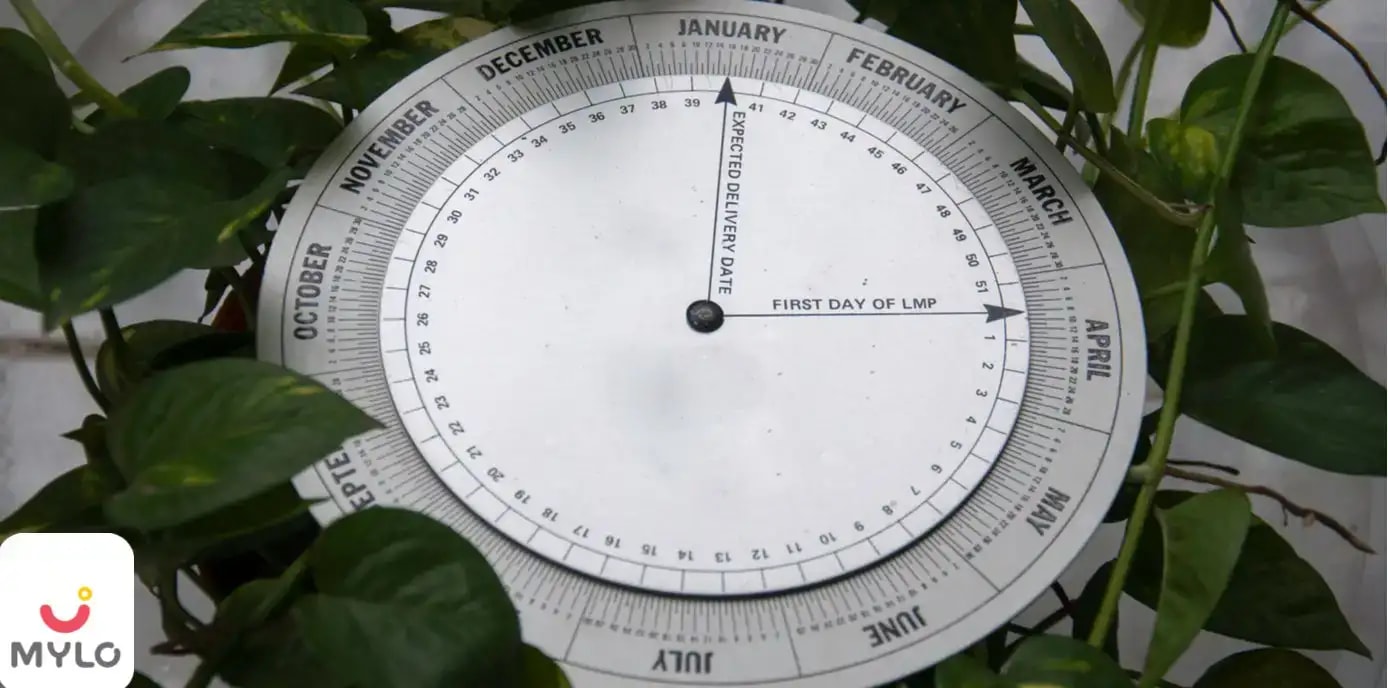
Not sure which trimester you are in? Check with our Due Date Calculator or the pregnancy week by week guide.
Who Should NOT Fast During Pregnancy?
Avoid fasting completely if you have any of these:
Gestational diabetes or diabetes, especially if you take insulin or tablets (high risk of dangerously low blood sugar)
Anaemia or low haemoglobin
Low blood pressure or frequent dizziness
High blood pressure or preeclampsia
Severe morning sickness (hyperemesis gravidarum)
Poor baby growth (fetal growth restriction) or low amniotic fluid
Twins or a multiple pregnancy
Kidney disease, urine infections or a history of kidney stones
Heart problems, thyroid problems that are not well controlled, or any high-risk pregnancy
Low weight gain during pregnancy or being underweight
Fasting During Pregnancy in India: A Guide for Every Faith and Festival
India is home to many faiths, and each has its own beautiful fasting traditions. The biggest health factor in pregnancy is not which fast you keep, but how long it lasts and whether you can drink water.
This section offers health guidance only, with respect for every tradition. For religious guidance, please speak to your priest, pandit, maulana, guru, pastor or spiritual guide.
Hindu Fasts (Vrat and Upvas)
Fast | How It Is Usually Kept | Risk in Pregnancy | Safer Way to Observe |
|---|---|---|---|
Karwa Chauth | Nirjala (no food, no water) from sunrise to moonrise | High | Skip the nirjala rule. Take a healthy sargi, drink water and coconut water, and eat fruit or milk through the day |
Hartalika Teej and Hariyali Teej | Often nirjala, sometimes for 24 hours | Very high | Avoid the waterless fast. Take part in the puja, songs and rituals while eating light meals |
Chhath Puja | Nirjala fast for about 36 hours | Very high | Avoid the fast. Join the arghya and prayers with your family |
Jivitputrika (Jitiya) | Nirjala fast, often for more than 24 hours | Very high | Avoid the waterless fast. Offer prayers for your children while staying fed and hydrated |
Vat Savitri and Ahoi Ashtami | Often nirjala until puja or until the stars appear | High | Keep a fruit-and-milk fast with water, and complete the puja as usual |
Navratri (Chaitra and Sharad) | Phalahar (fruits, milk, sabudana, kuttu, singhara) for 9 days | Low to moderate | Eat every 2 to 3 hours, avoid fried foods, and consider fasting only on the first and last day |
Maha Shivratri and Janmashtami | Phalahar or nirjala, often until midnight | Moderate to high | Choose phalahar with water, and do not wait until midnight to eat |
Ekadashi, Pradosh and Purnima | Grains avoided, phalahar allowed | Low | Keep a phalahar fast with enough protein and fluids |
Weekly fasts (Somvar, Mangalvar, Guruvar, Shanivar) and Sawan Somvar | One meal or phalahar | Low to moderate | Do not skip meals. Have regular fruit, milk and nuts, and pause weekly fasts if you feel weak |
Varalakshmi Vratam and Karadaiyan Nombu | Fast until the puja is completed | Moderate | Eat a light breakfast and stay hydrated before the puja |
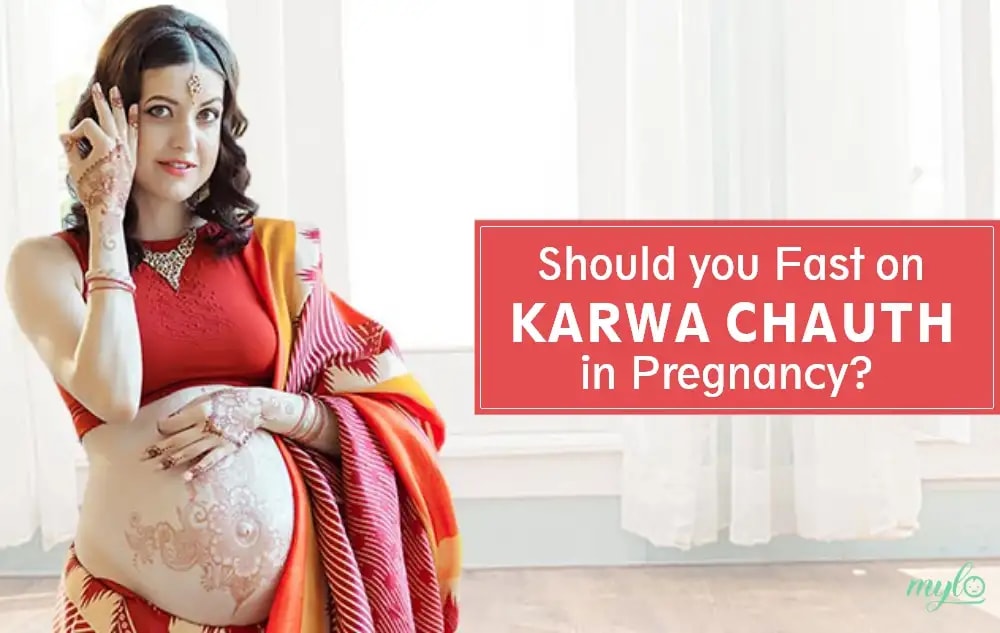
Karwa Chauth during pregnancy: This is one of the hardest fasts because it is kept without water for 12 hours or more. Doctors strongly advise pregnant women not to keep a nirjala fast. Many families happily accept a modified fast with a nourishing sargi, water, fruit and rest, while the puja and moon sighting are completed as usual.
Navratri fast during pregnancy: Navratri fasting is usually easier because fruits, milk and fasting foods are allowed. The risk comes from long gaps between meals and heavy fried foods. See our full guide on what to eat and avoid while fasting in Navratri during pregnancy.
Muslim Fasts (Roza)
Fast | How It Is Usually Kept | Risk in Pregnancy | What to Know |
|---|---|---|---|
Ramadan | No food or water from sehri (pre-dawn) to iftar (sunset), for a month | High | Islam exempts pregnant and breastfeeding women if fasting may harm them or their baby |
Voluntary fasts (Ashura, Shawwal, Mondays and Thursdays) | Same as Ramadan, for single days | Moderate to high | These are optional and can be kept after pregnancy |
Many women make up missed Ramadan fasts later or give fidya, depending on their school of thought. Speak to your religious scholar about what applies to you. If you do decide to fast, take your doctor’s advice first, eat a balanced sehri and drink plenty of water between iftar and sehri.
Jain Fasts
Fast | How It Is Usually Kept | Risk in Pregnancy | Safer Way to Observe |
|---|---|---|---|
Paryushan and Das Lakshan | Ranges from one meal a day to upvas (no food, sometimes no water) for one or more days | Moderate to very high | Avoid upvas and multi-day fasts. Choose the lightest form your tradition allows |
Ayambil and Ekasana | One or two simple meals a day | Low to moderate | Make sure meals include enough protein, and drink water through the day |
Please discuss the right practice with your doctor and your family guru or Maharaj Saheb.
Christian Fasts
Fast | How It Is Usually Kept | Risk in Pregnancy | What to Know |
|---|---|---|---|
Lent, Ash Wednesday and Good Friday | Smaller meals, giving up certain foods, or skipping meat | Low | Many churches, including the Catholic Church, excuse pregnant and breastfeeding women from obligatory fasting. Prayer, charity or giving up one treat are common alternatives |
Buddhist Fasts
Fast | How It Is Usually Kept | Risk in Pregnancy | What to Know |
|---|---|---|---|
Uposatha days and Buddha Purnima | No solid food after midday | Moderate | Pregnant women can observe the precepts without skipping evening meals. Speak to your monk or teacher |
Jewish Fasts
Fast | How It Is Usually Kept | Risk in Pregnancy | What to Know |
|---|---|---|---|
Yom Kippur and Tisha B’Av | About 25 hours without food or water | Very high | Jewish law places health first. Speak to your rabbi and doctor before fasting |
How to Fast Safely During Pregnancy: 10 Doctor-Approved Tips
If your doctor has approved a short fast, follow these tips:
Get a check-up first. Ask your doctor to check your haemoglobin, blood pressure, blood sugar and your baby’s growth.
Never skip water. Avoid waterless (nirjala) fasts. Sip water, coconut water, buttermilk or milk regularly.
Eat a strong pre-fast meal (sargi or sehri). Include protein, complex carbohydrates and healthy fats.
Eat small amounts often if your fast allows it, instead of one large meal.
Do not stop salt completely. Use sendha namak (rock salt) to keep your electrolytes balanced.
Keep taking your supplements (iron, calcium, folic acid) as your doctor advises.
Avoid fried and very sugary fasting foods. They cause acidity and sugar spikes.
Rest. Avoid heavy housework, long hours in the kitchen, travel and the afternoon heat.
Break the fast gently. Start with water, coconut water or fruit, then eat a light, balanced meal. Do not overeat.
Listen to your body. Breaking a fast to protect your baby is always the right choice.
What to Eat Before a Fast During Pregnancy
Whether it is sargi, sehri or a simple early breakfast, choose foods that release energy slowly and keep you hydrated:
Protein: Paneer, curd, milk, eggs, dal or sprouts
Complex carbohydrates: Oats, whole wheat roti, poha or a multigrain paratha
Healthy fats: A handful of soaked almonds, walnuts or 1 to 2 dates
Hydrating fruits: Banana, orange, pomegranate, watermelon or apple
Fluids: Water, milk or coconut water
Avoid very salty, spicy or fried foods and too much tea or coffee before a fast, as they increase thirst and acidity.
What to Eat to Break Your Fast During Pregnancy
Start with a glass of water or coconut water and a few dates or fruit
Follow with a light, balanced meal: dal, roti, sabzi, curd or khichdi
Include protein like paneer, eggs, fish, chicken or dal, according to your diet
Have a glass of milk before bed
Avoid eating a large, oily or very sweet meal all at once
Warning Signs: Break Your Fast Immediately
Stop fasting, drink water, eat something and call your doctor if you notice:
Dizziness, fainting, blurred vision or shakiness
Severe headache or extreme tiredness
Your baby moving less than usual
Very dark urine or not passing urine for several hours
Stomach pain, cramps, tightening or contractions
Vaginal bleeding or leaking fluid
Vomiting that does not stop, or a fast heartbeat
Can You Fast While Breastfeeding?
Fasting while breastfeeding, especially without water, can leave you dehydrated and tired, and may temporarily reduce your milk supply. If you choose to fast, drink plenty of fluids before and after the fast, eat nourishing meals, and watch your baby for signs of feeding well, such as regular wet nappies. In the first six months, when your baby depends only on breast milk, it is best to talk to your doctor before fasting.
Ways to Keep Your Faith Without a Full Fast
Your devotion does not need to be measured in hours without food or water. Many women in pregnancy choose to:
Keep a fruit-and-milk fast instead of a waterless one
Fast for only one or two days of a longer festival instead of every day
Take part fully in the puja, prayers, namaz, path, mass or rituals while eating normally
Offer charity, seva or food donation in place of fasting
Make up the fast after delivery and breastfeeding, where your tradition allows
Across faiths, many religious leaders agree that protecting the health of the mother and baby comes first.
How Mylo Helps You Through Every Pregnancy Festival
The Mylo app gives you week-by-week pregnancy updates, Indian diet charts and a community of moms who share your due date. Before your next fast, you can ask other mothers how they managed their fasts during pregnancy and read expert-verified guidance for your exact week.
The Bottom Line
Fasting during pregnancy is a personal decision, but it should never be made alone. Short, modified fasts with water and food allowed are much safer than long or waterless ones. If you have any medical condition or a high-risk pregnancy, it is best not to fast at all. Talk to your gynaecologist before every fast, eat a nourishing meal before you begin, keep drinking water, and break your fast the moment you feel unwell. Your faith and your baby’s health can go hand in hand.
Frequently Asked Questions
1. Is it safe to fast during pregnancy?
Fasting can be safe for some healthy women with an uncomplicated pregnancy, but only with a doctor’s approval. Short fasts that allow water and food, like a fruit-and-milk fast, are safer than waterless (nirjala) fasts. Women with diabetes, anaemia, low blood pressure or other complications should not fast.
2. Can fasting cause miscarriage in early pregnancy?
There is no strong evidence that a single short fast causes miscarriage. However, fasting in the first trimester can worsen nausea and lead to dehydration and low blood sugar, so many doctors advise avoiding fasts during this time.
3. Can I keep the Karwa Chauth fast during pregnancy?
You can take part in Karwa Chauth, but doctors advise against the traditional nirjala (no water) fast. Eat a healthy sargi, drink water and coconut water through the day, eat fruit or milk, rest, and complete the puja as usual.
4. Can I fast during Navratri while pregnant?
Many pregnant women keep a light phalahar fast during Navratri with their doctor’s approval. Eat every 2 to 3 hours, choose milk, fruit, nuts, sabudana and kuttu, avoid fried foods, and drink plenty of fluids.
5. Are pregnant women allowed to fast in Ramadan?
Islam exempts pregnant and breastfeeding women from fasting if it may harm them or their baby. Missed fasts can usually be made up later or compensated with fidya, depending on your school of thought. Speak to your doctor and religious scholar before deciding.
6. Can I keep nirjala fasts like Teej, Chhath or Jitiya during pregnancy?
Doctors advise against all waterless fasts during pregnancy, as they can quickly cause dehydration. You can still take part in the puja and rituals while eating light meals and drinking water.
7. Can I keep weekly fasts like Somvar or Ekadashi while pregnant?
Light weekly fasts that allow fruit, milk and water are usually easier on the body. Do not skip meals for long, keep up your fluids, and pause weekly fasts if you feel weak or your doctor advises against them.
8. How long can a pregnant woman go without eating?
Most doctors recommend that pregnant women eat something every 3 to 4 hours during the day and avoid going without food for long stretches. Waterless fasts of 12 hours or more carry the highest risk of dehydration.
9. Can I fast if I have gestational diabetes?
No. Fasting with gestational diabetes, especially if you take insulin or tablets, can cause dangerously low blood sugar and is not advised.
10. Does fasting reduce baby movements?
Some women notice fewer movements when their blood sugar is low or they are dehydrated. If your baby moves less than usual, break your fast, drink water, eat something and contact your doctor right away.
11. Can I drink water during a fast while pregnant?
Yes, and you should. Drinking water, coconut water, milk or buttermilk during a fast helps prevent dehydration and protects the amniotic fluid around your baby. Avoid waterless fasts during pregnancy.
12. Which trimester is safest for fasting?
The second trimester (week 14 to 27) is often considered the most comfortable time for a short, modified fast, if your doctor agrees. Most doctors advise avoiding fasts in the first trimester and being very careful in the third.
Medical Disclaimer: This article is for general information only and is not a substitute for professional medical advice. Always consult your gynaecologist before fasting during pregnancy or breastfeeding. For religious guidance, please consult your spiritual or religious leader.
Article Posted Under
Related Articles

Medical Disclaimer
This content is for informational purposes only and should not replace professional medical advice. Consult with a physician or other health care professional if you have any concerns or questions about your health. If you rely on the information provided here, you do so solely at your own risk.


AWARDS AND RECOGNITION

Mylo wins Forbes D2C Disruptor award

Mylo wins The Economic Times Promising Brands 2022
AS SEEN IN












- Mylo Care: Effective and science-backed personal care and wellness solutions for a joyful you.
- Mylo Baby: Science-backed, gentle and effective personal care & hygiene range for your little one.
- Mylo Community: Trusted and empathetic community of 10mn+ parents and experts.


Product Categories
Baby Carrier | Baby Soap | Baby Wipes | Stretch Marks Cream | Baby Cream | Baby Shampoo | Baby Massage Oil | Baby Hair Oil | Stretch Marks Oil | Baby Body Wash | Baby Powder | Baby Lotion | Diaper Rash Cream | Newborn Diapers | Teether | Baby Kajal | Baby Diapers Pants | Cloth Diapers | Laundry Detergent | Lactation Granules |