


Orders
.png&w=48&q=75 "login")
Profile


Wallet

Toddler Skin Care: Rashes, Eczema and Mosquito Bites
 18 min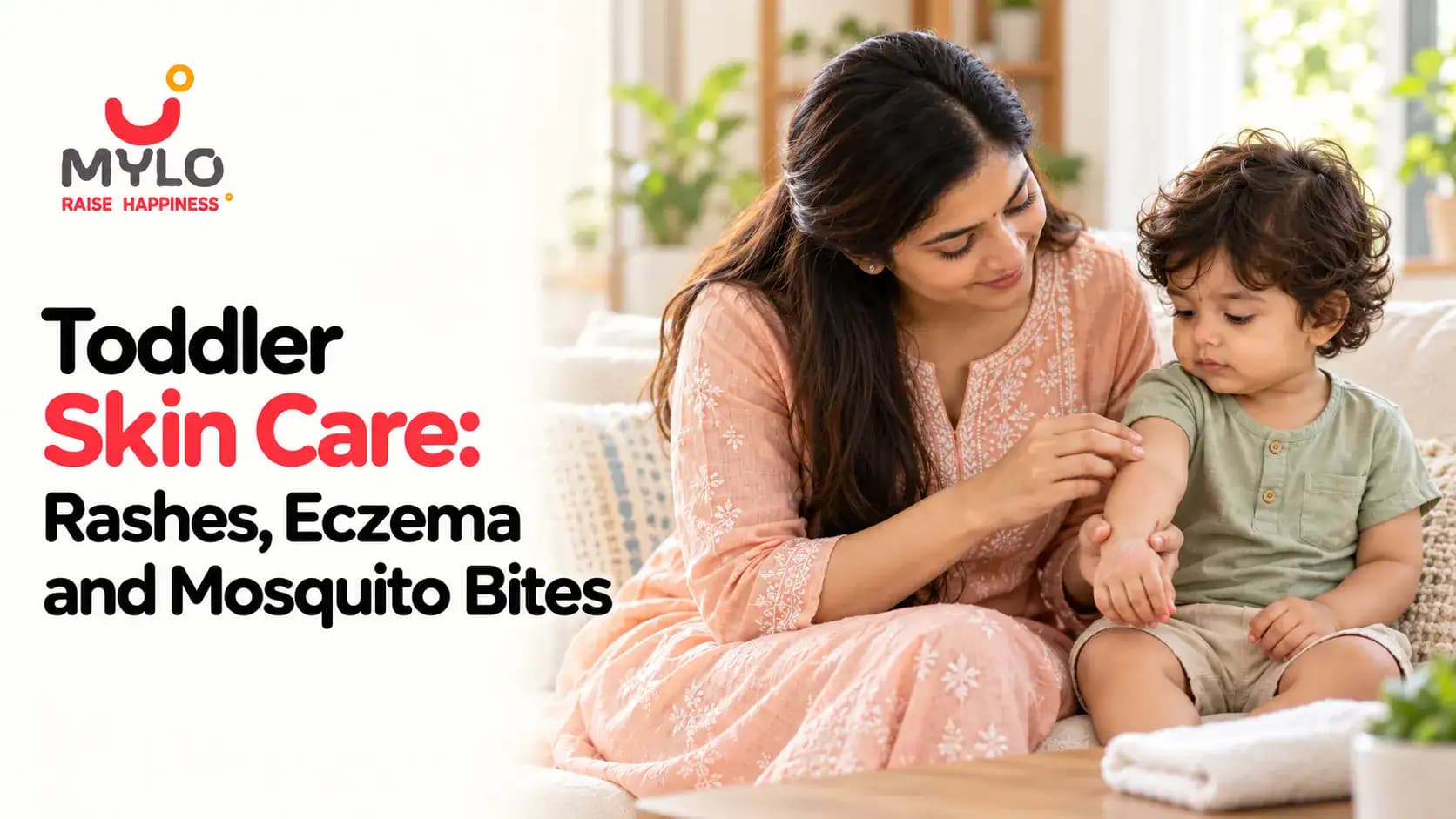
Quick Answer
Toddler skin care means keeping the skin of children aged 1 to 3 clean, moisturised and protected from heat and insects. Common problems are rashes, eczema and itchy mosquito bites, and most get better with simple home care. Use nets and safe repellents, moisturise daily, and see a doctor for rashes with fever.
Toddler Skin at a Glance
Question | Short Answer |
|---|---|
Most common skin problems | Heat rash, eczema, mosquito bite bumps, hives, viral rashes, diaper rash |
When is a rash an emergency? | Spots that don't fade when pressed with a glass, especially with fever, or swelling of the lips and face with breathing trouble |
Eczema care | Moisturise twice a day, short lukewarm baths, mild soap, cotton clothes |
Mosquito bite care | Wash, cool compress, calamine, short nails |
Preventing bites | Nets, screens, long light clothes, no standing water, child-safe repellent |
Avoid | Steroid or mixed creams from the chemist without a doctor, talc on rashes, home pastes on broken skin |
Key Facts Every Parent Should Know
Toddler skin is thinner and more sensitive: It reacts more easily to heat, sweat and irritants
Most rashes aren't serious: Many come with viral infections and fade in a few days
The glass test helps: If spots don't fade when you press a clear glass on them, see a doctor urgently
Eczema is common: It often starts in babyhood and many children outgrow it
Mosquitoes spread serious diseases: Dengue, malaria and chikungunya are common in India, so prevention matters
Scratching makes things worse: It can lead to infection. Keep nails short
Common Rash Types in Toddlers
Short answer: The most common toddler rashes are heat rash, eczema, insect bite bumps, hives and rashes from viral infections. Each looks a little different.
Rash | What It Looks Like | Where | What Helps |
|---|---|---|---|
Heat rash (ghamoriyan, prickly heat) | Tiny red or clear bumps, prickly or itchy | Neck, chest, back, skin folds | Cool the skin, loose cotton clothes, avoid heavy oils |
Eczema | Dry, rough, itchy, red patches | Cheeks, elbow and knee creases, wrists | Moisturise twice a day (see below) |
Insect bite bumps | Itchy raised bumps, often in groups | Arms, legs, face | Cool compress, calamine (see below) |
Hives (urticaria) | Raised, itchy welts that move around | Anywhere | Often from a virus or allergy. Usually fade within hours to days |
Diaper rash | Red, sore skin | Diaper area | Frequent changes, barrier cream, diaper-free time |
Contact rash | Red, itchy patch where skin touched something | Where the irritant touched | Remove the trigger, gentle moisturiser |
Ringworm (daad) | Round, scaly ring with a clearer centre | Body, scalp | Needs an antifungal from a doctor |
Impetigo | Sores with a honey-coloured crust | Around the nose and mouth | Needs a doctor. It's contagious |
Scabies | Very itchy bumps, worse at night | Between fingers, wrists, waist | Needs a doctor. Treat the whole family |
Rashes from viral infections
Infection | What Happens |
|---|---|
Roseola | High fever for 3 to 5 days, then a pink rash appears as the fever goes |
Hand, foot and mouth disease | Fever, mouth sores and small blisters on hands, feet and bottom |
Chickenpox | Itchy spots that turn into blisters, then crust, in waves |
Measles | Fever, cough, red eyes and runny nose, then a rash spreading from the face down |
General viral rash | Small pink spots during or after a cold or fever |
Vaccines protect against measles and chickenpox. See the toddler vaccination schedule.
Eczema in Toddlers
Short answer: Eczema (atopic dermatitis) causes dry, itchy, red patches of skin. It comes and goes in flares. Daily moisturising and avoiding triggers keep it under control.
Signs of eczema
Dry, rough or scaly skin
Red, itchy patches, often in elbow and knee creases, on the cheeks, neck and wrists
Scratching, especially at night
Darker or thicker skin from long-term scratching
Small bumps that may ooze when scratched
Common eczema triggers
Trigger | What Helps |
|---|---|
Dry weather and winter | Moisturise more often |
Heat and sweat | Light cotton clothes, cool rooms |
Soaps and bubble baths | Mild, fragrance-free cleanser |
Woollen or rough clothes | Soft cotton next to the skin |
Dust and dust mites | Wash bedding weekly in hot water |
Strong detergents | Mild detergent, extra rinse |
Some foods (in a few children) | Only remove foods if a doctor advises |
How to care for eczema at home
Moisturise at least twice a day: Use a thick, fragrance-free cream or ointment all over, not just on patches.
Soak and seal: After a short, lukewarm bath, pat the skin dry and apply moisturiser within 3 minutes.
Keep baths short: 5 to 10 minutes in lukewarm water.
Use mild cleansers: Only where needed.
Keep nails short: Use soft cotton mittens at night if scratching is bad.
Dress in cotton: Avoid wool and synthetic fabrics next to the skin.
Treating eczema flares
Your doctor may prescribe a mild steroid cream for a short time during flares. Used as your doctor directs, these are safe and effective. Don't buy steroid creams from the chemist without a prescription, and don't use adult creams on toddlers.
When to see a doctor for eczema
Eczema isn't improving with daily moisturising
Your toddler can't sleep because of itching
Yellow crusts, oozing or pus (possible infection)
Sudden painful blisters or sores with fever: See a doctor urgently
Severe eczema before starting allergy foods like peanut or egg: ask your doctor first
Read more on eczema relief and eczema causes and symptoms.
Mosquito Bites in Toddlers
Short answer: Mosquito bites cause itchy red bumps. Most get better in a few days with simple care. Preventing bites is important in India because mosquitoes spread dengue, malaria and chikungunya.
How to treat itchy mosquito bites
What Helps | How |
|---|---|
Wash the bite | Gently, with soap and water |
Cool compress | A clean, cool cloth for a few minutes |
Calamine lotion | Helps soothe the itch |
Short nails | Prevents scratching and infection |
Antihistamine | Only if your doctor advises, for very itchy bites |
Large bite reactions: Some toddlers get big, swollen bumps from bites. This is common and not usually an allergy. A cool compress helps.
See a doctor if the bite becomes red, hot, swollen, very painful or has pus, or if your toddler gets a fever a few days after being bitten.
How to prevent mosquito bites
Prevention | Tip |
|---|---|
Mosquito nets | Over the bed and cot, every night |
Window and door screens | Keep mosquitoes out of the home |
Clothing | Light-coloured, loose, long-sleeved cotton clothes and pants |
Remove standing water | Empty coolers, flower pots, buckets and old tyres every week |
Avoid peak times | Dengue mosquitoes bite in the daytime, especially early morning and late afternoon |
Child-safe repellent | Use one approved for your toddler's age (see below) |
Using mosquito repellent safely on toddlers
Choose a repellent labelled for your toddler's age, and follow the label
An adult should apply it, never the toddler
Apply on exposed skin and clothes only, not on hands, near eyes or mouth, or on cuts
Spray into your hands first, then apply to the face carefully
Wash it off at the end of the day
Avoid using coils or liquid vaporisers in a closed room where your toddler sleeps
Read more about protecting your toddler from mosquito bites and which mosquito repellents are safe for young children.
Mosquito-borne diseases to watch for
See a doctor if your toddler has fever with body ache, rash, vomiting, red eyes or unusual tiredness, especially in the monsoon. These can be signs of dengue, malaria or chikungunya.
When Is a Toddler's Skin Problem Serious?
Short answer: Most skin problems aren't serious. See a doctor urgently if a rash doesn't fade when pressed, comes with high fever or breathing trouble, or your toddler seems very unwell.
The glass test
Press the side of a clear glass firmly on the rash. If the spots don't fade and you can still see them through the glass, see a doctor immediately, especially if your toddler has a fever.
Go to a doctor or hospital immediately if your toddler has:
A rash that doesn't fade with the glass test
Swelling of the lips, tongue or face, or trouble breathing
A rash with high fever and your toddler is very sleepy, floppy or hard to wake
Large blisters, peeling skin or sores in the mouth and eyes
Sudden painful blisters on eczema, with fever
Purple spots or bruises with fever in the monsoon (may be dengue)
See a doctor soon if:
The rash started after a new medicine
The skin looks infected: red, warm, swollen, with pus or spreading redness
The rash lasts more than a few days or keeps coming back
Your toddler can't sleep because of itching
Other family members are also very itchy (possible scabies)
How to Care for a Toddler's Rash at Home
Short answer: Keep the skin cool, clean and moisturised. Stop scratching and avoid strong creams without a doctor's advice.
Do | Don't |
|---|---|
Give short, lukewarm baths | Use hot water |
Use a mild, fragrance-free soap | Use strongly scented soaps or bubble baths |
Pat skin dry, don't rub | Rub with a rough towel |
Apply a fragrance-free moisturiser after baths | Apply talc on rashes |
Dress in loose cotton clothes | Use tight or woollen clothes on itchy skin |
Keep nails short and clean | Let your toddler scratch |
Use calamine lotion for itchy bites or heat rash | Apply steroid or mixed creams from the chemist without a doctor |
Wash clothes with a mild detergent and rinse well | Put home pastes on broken or oozing skin |
Daily Skin Care Routine for Toddlers
Short answer: A simple routine of a short bath, mild soap, moisturiser and bug protection keeps toddler skin healthy.
Step | Tip |
|---|---|
Bath | 5 to 10 minutes in lukewarm water, every day or every other day |
Soap | Mild and fragrance-free, mainly on dirty areas |
Moisturiser | Within a few minutes after the bath, especially in winter and for eczema |
Massage | Light oil massage is fine. Avoid heavy oils on heat rash |
Clothing | Soft cotton, washed in a mild detergent |
Bug protection | Nets at night and child-safe repellent outdoors |
Who Can Help?
Who | When to See Them |
|---|---|
Pediatrician | Any rash with fever, bites with fever, or a rash you're unsure about |
Pediatric dermatologist | Eczema, ringworm, scabies or rashes that keep coming back |
Allergist | Hives, severe eczema or rashes linked to food |
Free government support in India
Primary health centres and government hospitals: Free check-ups and many medicines
RBSK: Free health checks for children from birth to 18 years
National Center for Vector Borne Diseases Control: Free dengue and malaria testing at government centres
Emergency: Call 108 or 112
What Should Indian Parents Keep in Mind?
Short answer: Many Indian homes use chemist creams, home pastes and talc for skin problems. These can make things worse. Simple care and a doctor's advice work better.
Mixed steroid creams from the chemist: Commonly used for ringworm, but they can make fungal infections spread and harm toddler skin
Steroid fear: A mild steroid cream prescribed by a doctor for eczema is safe when used as directed
Haldi, besan or neem pastes: Avoid on broken or oozing skin
Talc on rashes: Talc can be breathed in. Use cotton clothes and keep skin dry instead
Heavy oil massage in summer: Can block sweat glands and cause heat rash
Coolers and flower pots: Common mosquito breeding spots. Empty and clean them weekly
"Fair skin" creams: Never use skin-lightening creams on children
Myths vs Facts
Myth | Fact |
|---|---|
Talc helps heat rash | Talc can be breathed in. Cool skin and cotton clothes are better |
Eczema is caused by dirty skin | Eczema is linked to genes and a weak skin barrier |
All steroid creams are dangerous | Mild steroids prescribed by a doctor are safe for short-term use |
Big bite reactions mean an allergy | Large swelling after bites is common in toddlers and usually not an allergy |
Mosquito coils are safe in a closed room | Smoke in closed rooms isn't good for toddlers' lungs |
Any rash cream from the chemist is safe | Steroid and mixed creams can harm toddler skin |
Frequently Asked Questions
1. What are the most common skin problems in toddlers?
Heat rash, eczema, mosquito bite bumps, hives, diaper rash and rashes from viral infections.
2. When should I worry about a toddler rash?
If spots don't fade when pressed, or if there's fever, swelling of the face, breathing trouble or your toddler seems very unwell.
3. How do I care for my toddler's eczema?
Moisturise twice a day, give short lukewarm baths, use mild soap and cotton clothes, and keep nails short. See a doctor for flares.
4. How do I treat itchy mosquito bites on my toddler?
Wash the bite, use a cool compress or calamine lotion, and keep nails short. See a doctor if it looks infected.
5. Which mosquito repellent is safe for toddlers?
Choose one labelled for your toddler's age and follow the instructions. An adult should apply it, avoiding hands, eyes and mouth.
6. Can I use a chemist cream for my toddler's ringworm?
Ask a doctor first. Many chemist creams contain steroids that can make ringworm worse.
7. Bacche ke sharir par daane ho gaye, kya karein?
Zyada tar daane garmi, machhar ke kaatne ya virus se hote hain aur apne aap theek ho jaate hain. Halke kapde pehnaiye aur thande paani se nahlaiye. Agar daane glass se dabane par na mitein, ya tez bukhar ho, to turant doctor ke paas jaiye.
8. Bacche ko machhar se kaise bachayein?
Raat ko machhardani lagaiye, poore baazu ke halke kapde pehnaiye, cooler aur gamlon ka paani har hafte badliye, aur umar ke hisaab se surakshit repellent lagaiye.
Related Reads on Mylo
References
American Academy of Pediatrics (AAP). "Choosing an Insect Repellent for Your Child." HealthyChildren.org. https://www.healthychildren.org
American Academy of Dermatology (AAD). "Eczema: Tips for Managing." https://www.aad.org
National Institute for Health and Care Excellence (NICE). "Atopic eczema in under 12s." CG57.
NHS (UK). "Rashes in babies and children." https://www.nhs.uk/conditions/rashes-babies-and-children/
National Center for Vector Borne Diseases Control (NCVBDC), Government of India. "Dengue" and "Malaria." https://ncvbdc.mohfw.gov.in
Medical Disclaimer
This article is for information only and does not replace professional medical advice. If your toddler has a rash with fever, spots that don't fade when pressed, swelling or breathing trouble, seek medical help immediately.

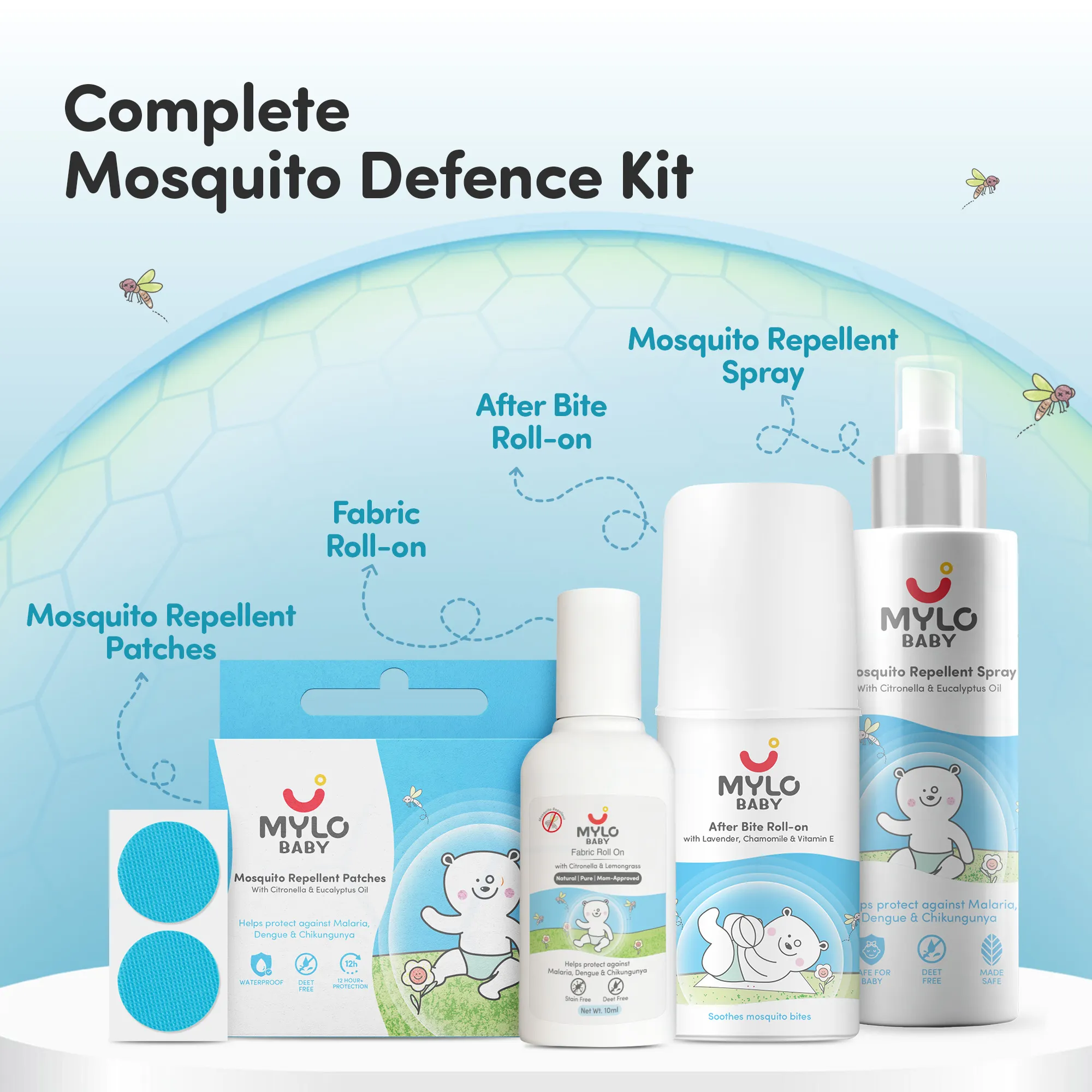

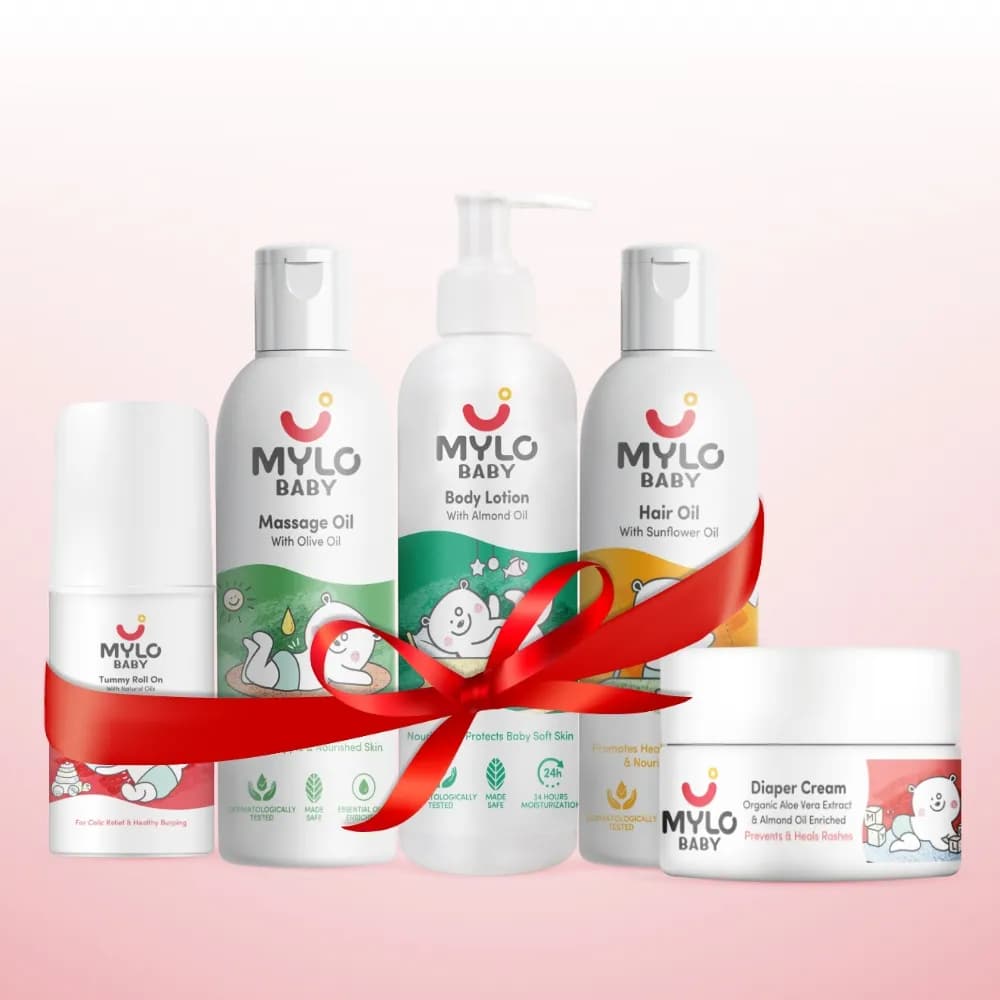
Skin Care Basics
Everyday picks for little ones




Article Posted Under
Related Articles
Right Side Abdominal Pain: Common Causes, Home Care and When to See a Doctor
 14 min
 Growth Scan in Pregnancy: When It Is Done, What It Checks and What Your Report Means
 17 min
 Hair Colour During Pregnancy: Is It Safe? Trimester Guide, Mehndi and Safer Options
 14 min
 Mylo: The Made-in-India Pregnancy and Parenting App Built for Indian Parents
 7 min
7 min
Related Topics
.webp&w=32&q=75)
Medical Disclaimer
This content is for informational purposes only and should not replace professional medical advice. Consult with a physician or other health care professional if you have any concerns or questions about your health. If you rely on the information provided here, you do so solely at your own risk.


AWARDS AND RECOGNITION

Mylo wins Forbes D2C Disruptor award

Mylo wins The Economic Times Promising Brands 2022
AS SEEN IN













- Mylo Care: Effective and science-backed personal care and wellness solutions for a joyful you.
- Mylo Baby: Science-backed, gentle and effective personal care & hygiene range for your little one.
- Mylo Community: Trusted and empathetic community of 10mn+ parents and experts.


Product Categories
Baby Carrier | Baby Soap | Baby Wipes | Stretch Marks Cream | Baby Cream | Baby Shampoo | Baby Massage Oil | Baby Hair Oil | Stretch Marks Oil | Baby Body Wash | Baby Powder | Baby Lotion | Diaper Rash Cream | Newborn Diapers | Teether | Baby Kajal | Baby Diapers Pants | Cloth Diapers | Laundry Detergent | Lactation Granules |