


Orders
.png&w=48&q=75 "login")
Profile


Wallet

Polycystic Ovarian Disease (PCOD): Causes, Symptoms, And Treatment


MBBS, DGO · 41 years experience
 1 Likes|
 6 min
6 minPCOD is not just a medical condition but a silent predator that stalks its prey relentlessly, attacking their self-esteem, fertility, and overall health. It's a condition affecting up to 1 in 10 women of reproductive age, yet it's still widely misunderstood and often misdiagnosed. The women who suffer from PCOD are warriors, fighting a battle that is not just physical but emotional and mental as well. They face stigma, discrimination, and often a lack of support from those around them. But they never give up. They never stop fighting. This is their story, and it deserves to be told.
What is PCOD?
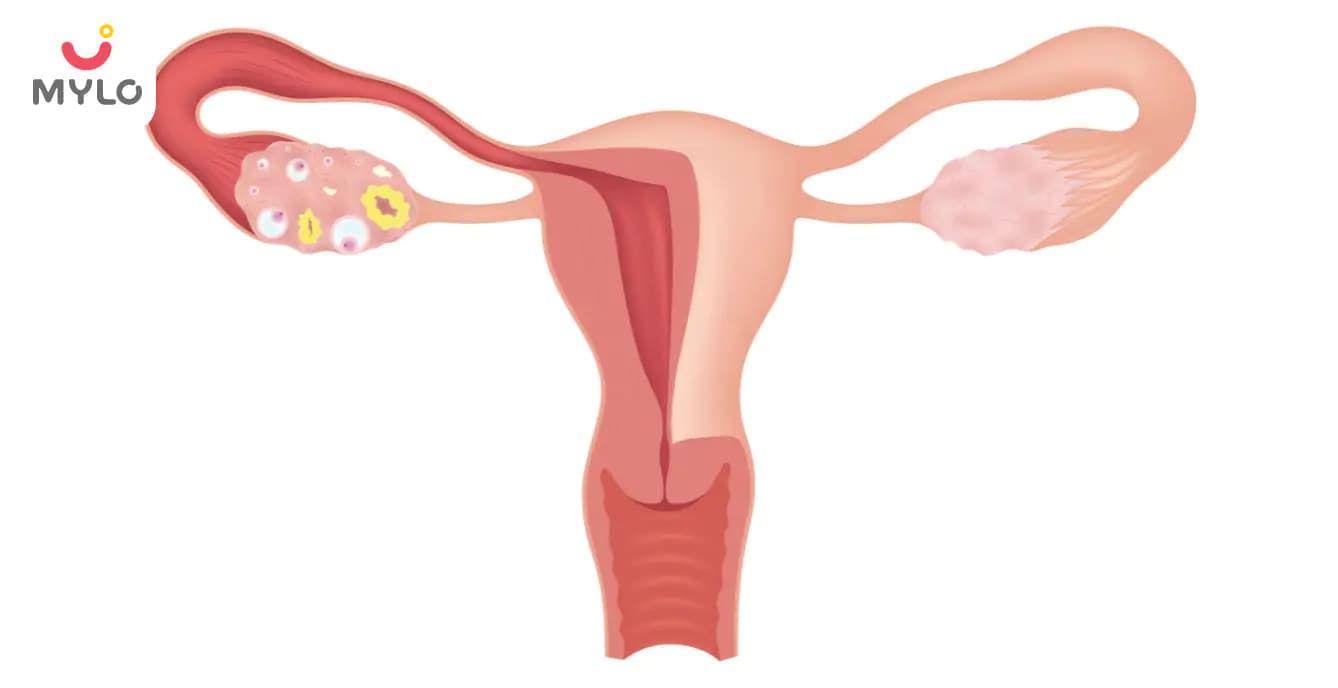
PCOD (Polycystic Ovary Syndrome), also known as PCOS (Polycystic Ovary Syndrome), is a hormonal disorder that affects the ovaries in women of reproductive age. In PCOD, the ovaries produce excessive amounts of androgens (male hormones), which can interfere with the normal functioning of the ovaries and cause a range of symptoms.
Some common symptoms of PCOD include irregular periods, acne, excessive hair growth, weight gain, and difficulty getting pregnant. However, the symptoms and severity of PCOD can vary significantly from person to person.
The exact cause of PCOD is not yet fully understood, but it is believed to be a combination of genetic and environmental factors. It is also associated with insulin resistance and metabolic disorders like type 2 diabetes.
PCOD can significantly impact a woman's quality of life and overall health. Therefore, early diagnosis and treatment are crucial in managing the symptoms and preventing long-term complications.
You may also like : PCOD Cure: The Ultimate Guide to Managing PCOD at Home
Causes of PCOD
The exact causes of PCOD are not fully understood, but several factors may contribute to the development of this condition. Here are some of the possible causes of PCOD:
Hormonal Imbalances:
In women with PCOD, the ovaries produce excessive amounts of androgens (male hormones), such as testosterone, which can interfere with the normal functioning of the ovaries and cause a range of symptoms.
Insulin Resistance:
Insulin is a hormone that regulates blood sugar levels in the body. Women with PCOD may have insulin resistance, which means their body does not respond to insulin as they should. This can cause the ovaries to produce more androgens, leading to PCOD.
Inflammation:
Inflammation can cause insulin resistance and hormonal imbalances, contributing to developing PCOD.
Genetic Factors:
PCOD may run in families, suggesting that there may be a genetic component to this condition.
Environmental Factors:
Exposure to certain environmental toxins and pollutants may also contribute to developing PCOD.
Symptoms of PCOD
PCOD (Polycystic Ovary Syndrome) can cause various symptoms that vary in severity and presentation from person to person. Here are some of the most common symptoms of PCOD:
Women with PCOD may have infrequent, irregular periods or experience long stretches without a period.
-
Excessive hair growth:
PCOD can cause excess hair growth on the face, chest, abdomen, and back.
-
Acne:
Women with PCOD may experience acne on the face, chest, and back.
-
Weight gain:
PCOD can cause unexplained weight gain or difficulty losing weight.
-
Hair loss:
Thinning hair or hair loss on the scalp may also be a symptom of PCOD.
-
Mood changes:
PCOD can cause mood swings, anxiety, and depression.
-
Sleep apnea:
Women with PCOD may be at an increased risk for sleep apnea, where breathing is disrupted during sleep.
PCOD is a common cause of infertility due to irregular ovulation and hormonal imbalances.
Also read: How Sara Ali Khan handled PCOD and became an inspiration for many?
Management of PCOD
PCOD (Polycystic Ovary Syndrome) is a chronic condition with no cure, but the symptoms can be effectively managed with lifestyle changes and medical treatment. Here are some of the ways to manage PCOD:
Making healthy lifestyle changes can help manage PCOD symptoms. This includes regular exercise, a healthy diet, and weight loss if needed. A healthy diet low in carbohydrates and fibre can help manage insulin resistance, which is commonly associated with PCOD. You can include Mylo PCOD tea to balance hormones, maintain skin health, and manage overweight issues.
-
Medications:
Hormonal birth control pills can regulate periods and reduce androgen production, which can help manage symptoms such as acne and excessive hair growth. Metformin, a medication used to treat type 2 diabetes, can also effectively manage PCOD symptoms.
-
Fertility Treatments:
Women with PCOD trying to conceive may require fertility treatments, such as ovulation induction or in vitro fertilization (IVF).
-
Surgery
In rare cases, surgery may be required to remove ovarian cysts that are causing pain or other symptoms.
-
Mental Health Support:
PCOD can significantly impact a woman's mental health, and seeking support from a mental health professional can help manage the emotional and psychological effects of this condition.
Final Thoughts
PCOD can have a significant impact on a woman's quality of life and overall health. Therefore, early diagnosis and treatment are crucial in managing the symptoms and preventing long-term complications.PCOD is a common occurrence, and the need of the hour is to manage it effectively with appropriate life choices. A healthy lifestyle can help you manage the condition and prevent further disease deterioration.
References
1. Ndefo UA, Eaton A, Green MR. (2013). Polycystic ovary syndrome: a review of treatment options with a focus on pharmacological approaches.
2. Rasquin Leon LI, Anastasopoulou C, Mayrin JV. (2022). Polycystic Ovarian Disease.
Article Posted Under
Related Articles




Related Topics
.webp&w=32&q=75)
Medical Disclaimer
This content is for informational purposes only and should not replace professional medical advice. Consult with a physician or other health care professional if you have any concerns or questions about your health. If you rely on the information provided here, you do so solely at your own risk.


AWARDS AND RECOGNITION

Mylo wins Forbes D2C Disruptor award

Mylo wins The Economic Times Promising Brands 2022
AS SEEN IN













- Mylo Care: Effective and science-backed personal care and wellness solutions for a joyful you.
- Mylo Baby: Science-backed, gentle and effective personal care & hygiene range for your little one.
- Mylo Community: Trusted and empathetic community of 10mn+ parents and experts.


Product Categories
Baby Carrier | Baby Soap | Baby Wipes | Stretch Marks Cream | Baby Cream | Baby Shampoo | Baby Massage Oil | Baby Hair Oil | Stretch Marks Oil | Baby Body Wash | Baby Powder | Baby Lotion | Diaper Rash Cream | Newborn Diapers | Teether | Baby Kajal | Baby Diapers Pants | Cloth Diapers | Laundry Detergent | Lactation Granules |