


Orders
.png&w=48&q=75 "login")
Profile


Wallet

Mucus in a Baby's Poop: Causes & Treatment
 6 Likes|
 6 min
6 min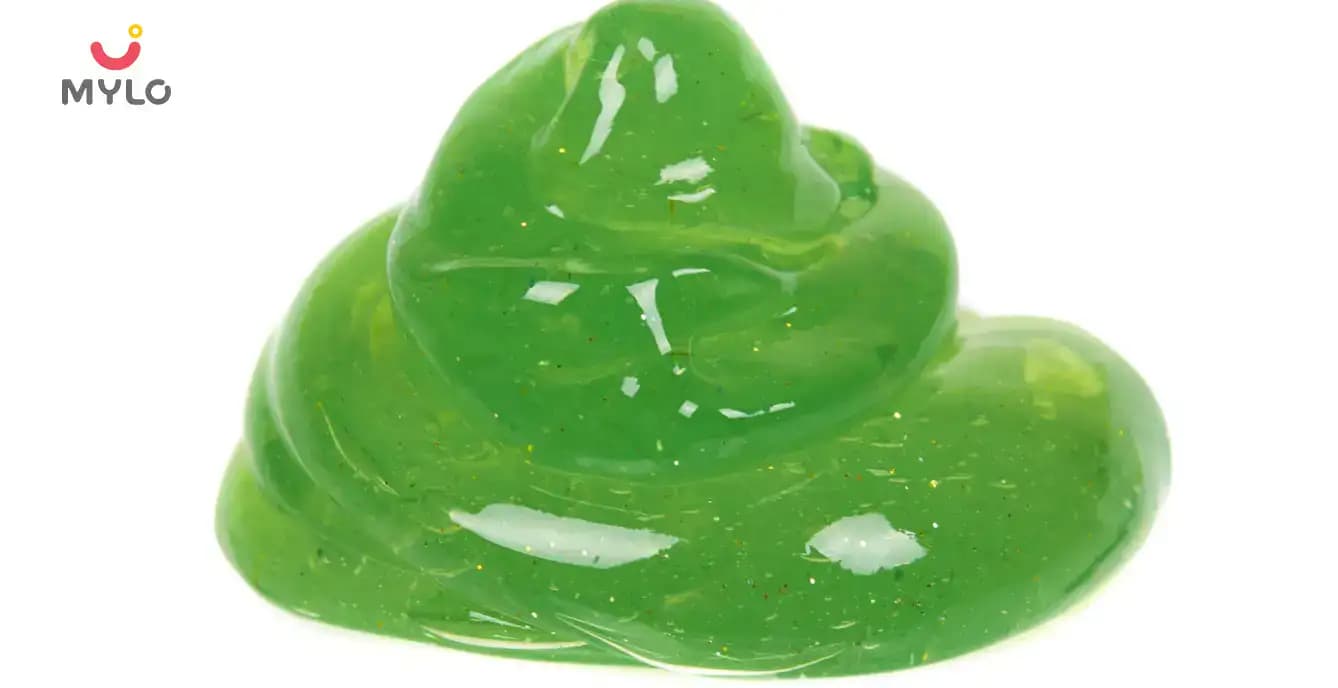
Key Takeaways
Quick overview in 30 seconds.webp&w=32&q=75)
Summary
- Mucus in a baby's poop appears as a jelly-like substance and is often harmless, caused by normal intestinal secretions or mild reactions to mom's diet.
- Common causes include viral or bacterial infections, food allergies or intolerance, excessive drooling from teething, cystic fibrosis, and rarely intussusception in babies.
- Treatment depends on the cause - dietary changes, switching formula, or eliminating allergens like cow milk often help, while infections may need prescribed medication.
- What can soothe your baby's tummy gently? Explore our Adjustable & Reusable Cloth Diaper - Red & Blue - Pack of 2.
 4.0
4.0 4.2
4.2Babies' poop can be a topic of concern and confusion for new parents, especially when they notice mucus in their baby's stool. While it can be alarming to see, mucus in baby poop is actually quite common and usually not a cause for worry. However, it's important to understand the potential causes and treatment options to ensure your baby's health and well-being. In this article, we'll explore the various reasons why mucus may appear in a baby's poop and what steps you can take to address it.
What is mucus in baby's poop?
Mucus in a baby's poop refers to the presence of a jelly-like substance in their stool. The color of mucus in a baby's poop can vary from clear to white, yellow, green, or brown, depending on the underlying cause. This can be a common occurrence and is usually not a concern. It can be caused by normal secretions from a baby's intestines to assist in bowel movement or an allergic reaction to the mother's diet.
However, if mucus is present in copious amounts accompanied by blood and other symptoms of discomfort, it could indicate a serious health issue such as a stomach infection, intussusception, or cystic fibrosis. It's always best to consult a pediatrician if you notice any abnormality in your baby's poop.
Why is there mucus in my baby's poop?
There can be several reasons why you may notice mucus in baby stool:
1. Infection
Babies have low immune function and can catch infections easily. Viral or bacterial infections can cause inflammation in the intestines, leading to mucus in a baby's poop.
2. Food allergy or intolerance
Babies may develop mucus in their poop if they have an allergy or intolerance to a particular food. In such cases, the baby may also have other symptoms like bloating, gas, and skin rashes.
3. Teething
Another common reason for mucus in baby poop can be excessive drooling and undigested saliva. Teething can cause an increase in saliva production, which can lead to mucus in a baby's poop.
4. Cystic fibrosis
A genetic disorder that affects the respiratory, digestive, and reproductive systems, and can cause mucus buildup in various organs, including the pancreas and intestines, leading to mucus in a baby's poop.
5. Intussusception
A condition where one part of the intestine slides into another, causing a blockage and leading to mucus in baby stool. Other symptoms may include abdominal pain, vomiting, and lethargy.
Treatments to prevent mucus in baby poop
Treatment for excess mucus in baby stool depends on the underlying cause. If it is caused by an infection, medication may be prescribed to treat it. However, it is important to note that mucus in a baby's stool can be a sign of a medical emergency in rare cases, such as intussusception. Therefore, it is crucial to consult a pediatrician if a baby appears unwell or has other gastrointestinal symptoms.
In most cases, dietary changes, such as switching to a different formula or adjusting the mother's diet if breastfeeding, can help resolve the issue. If the mucus is caused by an allergic reaction to a food or dairy products, then you should immediately eliminate such food items. For example, in case you suspect that the addition of cow milk to your baby's diet has led to baby poop with mucus, then you should avoid giving your baby cow milk and consult a pediatrician.
Additionally, formula-fed babies may also pass mucus in their stools. The best way to avoid this is to switch to a milk-free option. You can also opt for almond or soy milk. The best approach for the treatment should be discussed with your doctor.
Health difficulties related to bleeding organs and other serious concerns
If your baby has been execreting mucus in poop for a long time, then there can be serious health consequences. Consult a doctor immediately for a detailed examination and treatment. Delayed consequences of mucus in baby poop can cause dehydration, blood passing through stools, diarrhea, bleeding in the intestines, and inability to absorb nutrition by the intestines.
As a parent, if you notice mucus in baby stool for one day, it might not be a serious issue, but if this is often happening, then you must consult a doctor.
When should you go to the doctor if you found baby poop with mucus?
If your baby continues to pass mucus in stools for consecutively two days, then you should consult a paediatrician. If there is blood in the poop, multiple episodes of diarrhea, or signs of pain, it is recommended to contact a doctor immediately. In the meanwhile, you should ensure that your baby is well-fed and hydrated.
Final Thoughts
In conclusion, mucus in a baby's poop can be a cause of concern for parents. However, it is not always a sign of a serious health issue. In most cases, mucus in baby stool is caused by a viral or bacterial infection, and it can be treated with simple home remedies. However, if the mucus persists or is accompanied by other symptoms such as fever, vomiting, or diarrhea, it is important to seek medical attention. By understanding the causes and treatments of mucus in baby poop, parents can ensure the health and well-being of their little ones.
References
1. Johansson, M. E. V., et al. (2013). The gastrointestinal mucus system in health and disease. NCBI
2. Winslow BT, Westfall JM and Nicholas RA. (1996). Intussusception. American Family Physician
3. de Silva, G W K C; et al. (2022). Blood and mucous stools in an exclusively breastfed infant due to cow’s milk in the maternal diet. Sri Lanka Journal of Child Health
Trusted by mamas caring for sensitive little tummies
Gentle, baby-safe essentials to support digestion, hygiene, and comfort during those uncertain diaper-change moments.






Article Posted Under
Related Articles
Related Topics
.webp&w=32&q=75)
Medical Disclaimer
This content is for informational purposes only and should not replace professional medical advice. Consult with a physician or other health care professional if you have any concerns or questions about your health. If you rely on the information provided here, you do so solely at your own risk.


AWARDS AND RECOGNITION

Mylo wins Forbes D2C Disruptor award

Mylo wins The Economic Times Promising Brands 2022
AS SEEN IN












- Mylo Care: Effective and science-backed personal care and wellness solutions for a joyful you.
- Mylo Baby: Science-backed, gentle and effective personal care & hygiene range for your little one.
- Mylo Community: Trusted and empathetic community of 10mn+ parents and experts.


Product Categories
Baby Carrier | Baby Soap | Baby Wipes | Stretch Marks Cream | Baby Cream | Baby Shampoo | Baby Massage Oil | Baby Hair Oil | Stretch Marks Oil | Baby Body Wash | Baby Powder | Baby Lotion | Diaper Rash Cream | Newborn Diapers | Teether | Baby Kajal | Baby Diapers Pants | Cloth Diapers | Laundry Detergent | Lactation Granules |