


Orders
.png&w=48&q=75 "login")
Profile


Wallet

Misconceptions Related to Breast Milk Production Every Nursing Mother Must Know
 198 Likes|
 4 min
4 min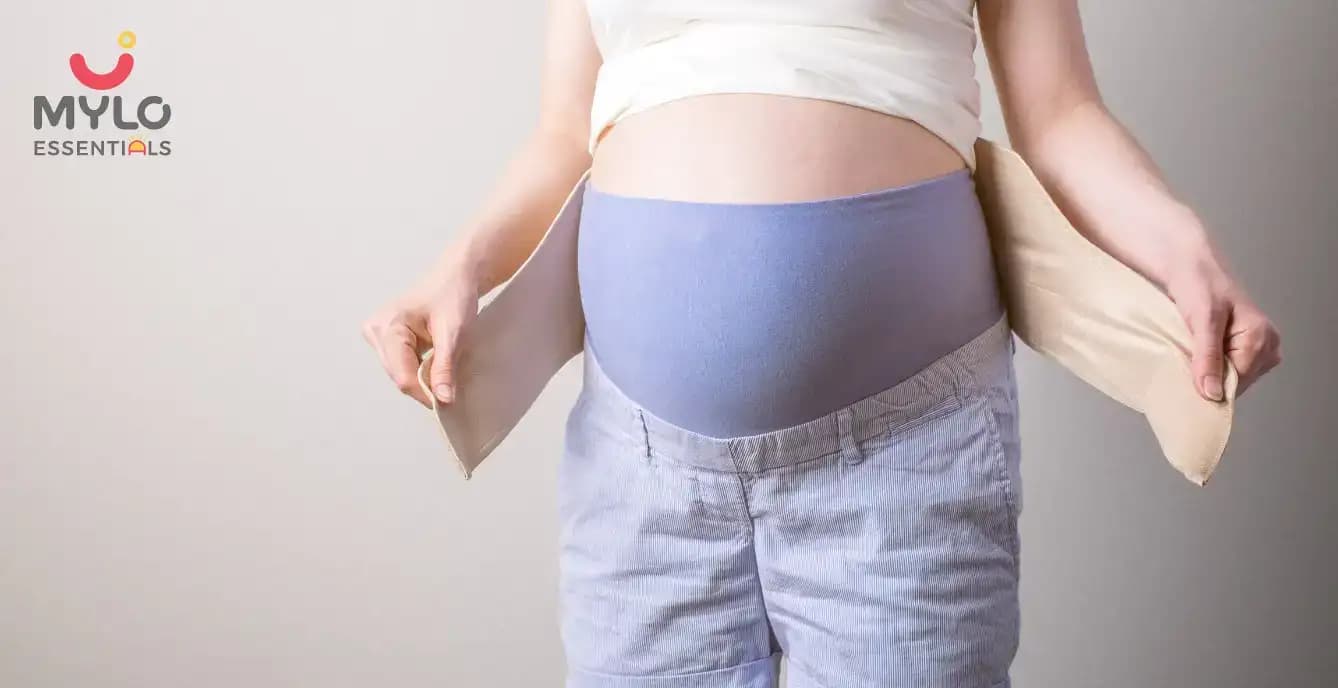
As a new mother, you will come across several misconceptions about breastfeeding and milk production. These misconceptions centre on daily activities, making women more scared about the production of breast milk. This article focuses on the four most common misconceptions and clarifies them.
Myths About Breastfeeding and Breast Milk Production
Here are the four most common misconceptions about breastfeeding and breast milk production and the truth behind them:
1. Exercise inhibits breast milk production
Exercising does not inhibit the production of breast milk. Instead, regular exercises help in reducing stress and improve psychological health during your postpartum period. However, you need to remember a few things about exercising while you are breastfeeding your baby, which will ensure that the milk supply remains unaffected. You need to stay hydrated, eat enough and wear a supportive sports bra or maternity bra.
2. Working mothers should not breastfeed
It is a common concern for most new mothers that they won't be able to breastfeed their baby if they return to work. If you have the option of pumping breast milk at work, you can feed your baby the pumped milk. Alternatively, you can also supplement breast milk with formula. Try to stimulate your breasts on a schedule similar to your baby’s feeding schedule; you can do anything to maintain the supply. Moreover, today most workplaces offer new mothers lactation rooms so that you can pump in privacy.
3. Formula milk can reduce breast milk supply
When you return to work or when your baby is eating more than your body can produce, you might need to supplement with formula. Supplementing does not decrease the milk supply if you are still stimulating your breasts. If your baby usually eats after every three hours, you need to stimulate your breast after every three hours, even if you are at work. However, if you fail to stimulate your breasts at scheduled hours, it might reduce breast milk supply over time.
4. Wearing a maternity support belt reduces breast milk
Most women tend to get back in shape after their pregnancy, for which they use several maternity support garments. Maternity support belts are the most common and preferred maternity support garments used by women. However, most women fear wearing postpartum belts, as they might inhibit the production of breast milk. However, wearing a maternity belt does not affect the supply of breast milk and can be worn by breastfeeding mothers without any worries.
Generally, women wear maternity support belts on their belly, which helps distribute the overall weight of their baby bump throughout the stomach and lower back during pregnancy. Post childbirth, the maternity support belt helps lose tummy fat, reduces backaches, and corrects the body’s posture. Moreover, you need to wear these belts only when you engage yourself in daily activities and during exercises. You need to use them while you are sitting, relaxing, or breastfeeding your baby.
While purchasing a maternity support belt, do not forget to check the quality of the material used for its manufacturing. It is better to choose a lightweight and breathable belt. Do not forget to check on Mylo Essentials’ Post Pregnancy Support Belt. The belt will tighten your sagged skin post-pregnancy and will never interfere with the production of breast milk. It consists of breathable fabric and flexible nylon reeves that will not stab your body. Besides, Mylo’s Support Belt is soft to touch, skin-friendly, adjustable, and easy to wear. However, it is better to consult your doctor before you wear a maternity belt.
Article Posted Under



Medical Disclaimer
This content is for informational purposes only and should not replace professional medical advice. Consult with a physician or other health care professional if you have any concerns or questions about your health. If you rely on the information provided here, you do so solely at your own risk.


AWARDS AND RECOGNITION

Mylo wins Forbes D2C Disruptor award

Mylo wins The Economic Times Promising Brands 2022
AS SEEN IN












- Mylo Care: Effective and science-backed personal care and wellness solutions for a joyful you.
- Mylo Baby: Science-backed, gentle and effective personal care & hygiene range for your little one.
- Mylo Community: Trusted and empathetic community of 10mn+ parents and experts.


Product Categories
Baby Carrier | Baby Soap | Baby Wipes | Stretch Marks Cream | Baby Cream | Baby Shampoo | Baby Massage Oil | Baby Hair Oil | Stretch Marks Oil | Baby Body Wash | Baby Powder | Baby Lotion | Diaper Rash Cream | Newborn Diapers | Teether | Baby Kajal | Baby Diapers Pants | Cloth Diapers | Laundry Detergent | Lactation Granules |