


Orders
.png&w=48&q=75 "login")
Profile


Wallet

UTI During Pregnancy: Symptoms, Causes, Safe Treatment & Prevention

 63 Likes|
 9 min
9 minAI-Generated Summary
Quick overview in 30 seconds.webp&w=32&q=75)
Summary
- Urinary tract infections (UTIs) affect about 10% of pregnant women due to lowered immunity, bladder pressure from the growing fetus, and a more sensitive bladder lining.
- Prevent UTIs during pregnancy by drinking plenty of water, managing stress, maintaining good hygiene, urinating frequently, and washing hands regularly to flush out bacteria.
- Treatment involves doctor-prescribed antibiotics taken in full course, along with hydration, rest, and prompt medical attention for symptoms like burning, fever, or blood in urine.
- What can support hygiene and hydration during pregnancy? Explore our Adjustable & Reusable Cloth Diaper - Red & Blue - Pack of 2.
 4.0
4.0TL;DR
Urinary tract infections (UTIs) are common in pregnancy, affecting up to about 10% of women, because pregnancy hormones slow the flow of urine and the growing uterus presses on the bladder (Cleveland Clinic). Typical symptoms are burning when you pee, needing to go often and urgently, and cloudy or strong-smelling urine, but some pregnant women have infection with NO symptoms at all, which is why doctors test your urine routinely. UTIs in pregnancy should always be treated with a pregnancy-safe antibiotic prescribed by your doctor, never with over-the-counter UTI products on your own, because untreated infection can spread to the kidneys and raise the risk of preterm labour and low birth weight (NHS). Prevent them by drinking plenty of water, urinating often and after sex, and wiping front to back.
Quick Answer
A UTI in pregnancy is a common bacterial infection of the urinary tract that causes burning, frequent and urgent urination, and sometimes cloudy urine or lower tummy pain. It is more likely in pregnancy because hormones slow urine flow and the uterus presses on the bladder. Importantly, some infections cause no symptoms, so doctors test your urine at antenatal visits. Always treat a pregnancy UTI with a doctor-prescribed, pregnancy-safe antibiotic, and finish the full course, do not self-medicate. Untreated UTIs can reach the kidneys and cause complications, so see your doctor promptly if you have symptoms.
Author: Mylo Editorial Team, Mylo Parenting Desk Medically reviewed by: Mylo Editorial Board, aligned with NHS, ACOG and FOGSI guidance Last updated: 8 July 2026
Medical Disclaimer: This article is for informational purposes only and is not a substitute for professional medical advice. In pregnancy, UTIs need medical diagnosis and prescription treatment. Do not use over-the-counter UTI medicines or leftover antibiotics on your own. Seek urgent care if you have fever, chills, back or side pain, vomiting, or blood in your urine, as these can signal a kidney infection.
Key Takeaways
- UTIs affect up to about 10% of pregnant women and are treatable (Cleveland Clinic)
- They are more common in pregnancy because hormones slow urine flow and the uterus presses on the bladder
- Symptoms: burning, frequent and urgent urination, cloudy or smelly urine, lower tummy pain
- Some UTIs have NO symptoms, so urine is tested routinely in antenatal care
- Always treat with a pregnancy-safe antibiotic prescribed by your doctor
- NEVER self-treat with over-the-counter UTI products or leftover antibiotics
- Untreated UTIs can reach the kidneys and raise the risk of preterm labour and low birth weight (NHS)
- Prevent with plenty of water, frequent urination, peeing after sex, and wiping front to back
What Is a UTI?
A urinary tract infection (UTI) is a bacterial infection anywhere in the urinary tract, the system that removes waste and extra water from your body. It includes the kidneys, ureters, bladder and urethra. Most UTIs happen when bacteria travel up the urethra into the bladder, causing pain, burning and a frequent urge to pee. UTIs are very common in general and occur especially often during pregnancy.
Why Are UTIs More Common in Pregnancy?
Several normal pregnancy changes make UTIs more likely (Cleveland Clinic):
| Factor | Why It Raises UTI Risk |
|---|---|
| Hormonal changes (progesterone) | Relax and slow the urinary tract, so urine drains more slowly and bacteria can grow |
| Pressure from the growing uterus | Presses on the bladder, making it harder to empty fully |
| Changes in urine | Pregnancy urine can contain more sugar and nutrients that bacteria feed on |
Because urine sits longer and empties less completely, bacteria have more chance to multiply, which is why pregnant women get UTIs more easily.
Symptoms of a UTI in Pregnancy
See your doctor if you notice:
- Burning or pain when you urinate
- Needing to urinate very often or urgently
- Passing only small amounts of urine
- Cloudy, bloody or strong-smelling urine
- Pain or pressure in the lower tummy
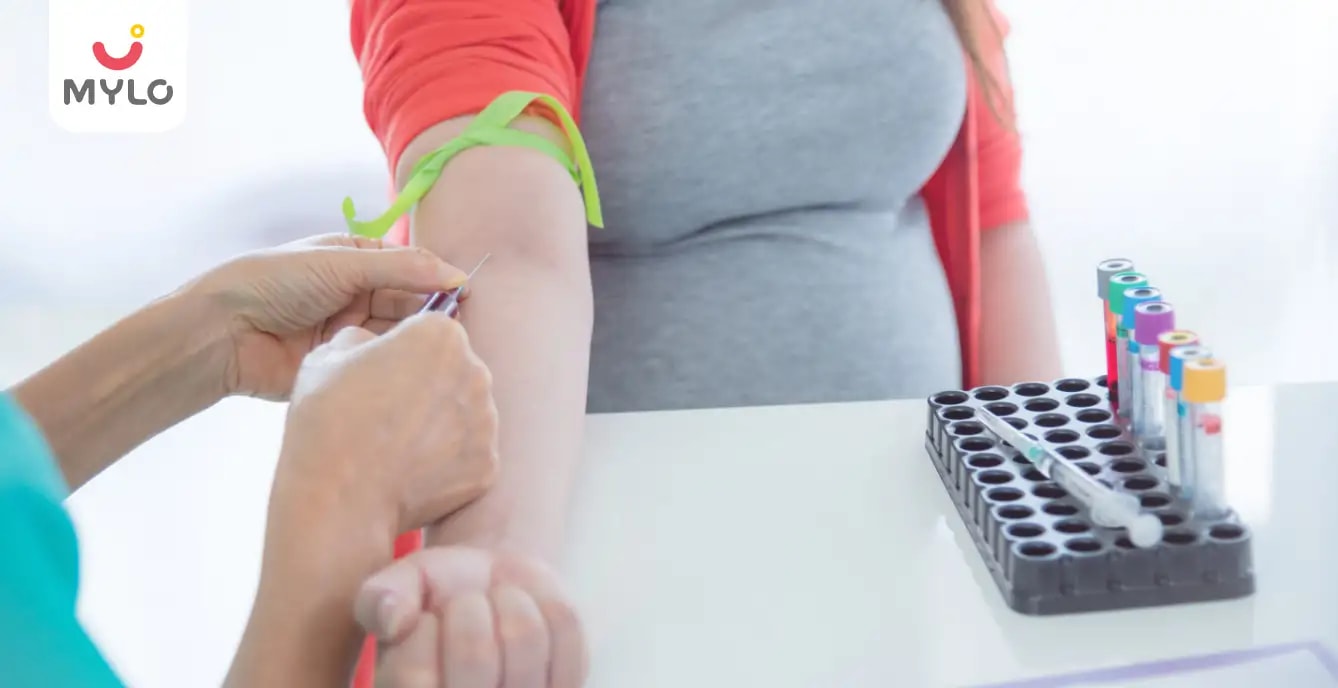
Important: some pregnant women have bacteria in the urine with no symptoms at all (called asymptomatic bacteriuria). This still needs treatment because it can progress to a kidney infection, which is exactly why your doctor tests your urine at antenatal visits even when you feel fine.
How Are UTIs Treated in Pregnancy?
UTIs in pregnancy are treated with antibiotics that are safe for pregnancy, prescribed by your doctor after a urine test (NHS). A few key points:
- Take the full course exactly as prescribed, even if you feel better after a day or two, to fully clear the infection
- Do not use over-the-counter UTI products, herbal "cures," or leftover antibiotics on your own, some are not safe in pregnancy and can delay proper treatment
- Drink plenty of water and urinate often to help flush out bacteria alongside the antibiotics
- Your doctor may re-test your urine afterwards to confirm the infection has cleared
Antibiotics do kill some good bacteria too, but leaving a pregnancy UTI untreated is far riskier than the treatment, so never skip or stop your prescribed course out of worry.
How to Prevent UTIs During Pregnancy
Simple habits lower your risk:
- Drink plenty of water, aim for around 2 litres a day unless your doctor advises otherwise
- Do not hold urine, go as soon as you need to and empty your bladder fully
- Urinate before and after sex to flush out bacteria
- Wipe from front to back after using the toilet
- Wear cotton, breathable underwear and avoid tight, damp clothing
- Avoid harsh soaps, douches or strong intimate washes in the genital area
- Keep good general hygiene and wash hands regularly
When to Seek Urgent Medical Care
Contact your doctor the same day if you have UTI symptoms. Seek urgent care if you develop signs that the infection may have reached the kidneys (pyelonephritis):
- Fever and chills
- Pain in your back or side (below the ribs)
- Nausea or vomiting
- Blood in the urine
- Feeling very unwell
Untreated UTIs can lead to bladder infection (cystitis) or a kidney infection, and are linked to complications like preterm labour and low birth weight, so prompt treatment protects both you and your baby.
Indian Context
In India, UTIs are very common in pregnancy, and warm weather, dehydration and holding urine while travelling or at work can add to the risk. Drink safe, clean water regularly and do not cut back on fluids to avoid frequent bathroom trips. Routine urine testing is a standard part of antenatal care, so attend your check-ups even if you feel fine. Avoid self-medicating from the pharmacy, always get a prescription, as the right pregnancy-safe antibiotic and dose matter.
Myths vs Facts
| Myth | Fact |
|---|---|
| No symptoms means no UTI in pregnancy | Some UTIs have no symptoms; that is why urine is tested routinely |
| You can treat a pregnancy UTI with OTC medicine | UTIs in pregnancy need a doctor-prescribed, pregnancy-safe antibiotic |
| Antibiotics in pregnancy are too risky to take | Doctors use antibiotics known to be safe; untreated UTI is the bigger risk |
| Drinking less water means fewer bathroom trips and fewer UTIs | Less water raises UTI risk; staying hydrated helps flush out bacteria |
Frequently Asked Questions
Pregnancy mein UTI ke liye khud se medicine le sakte hain kya? (Hinglish)
Nahin. Pregnancy mein UTI ka ilaaj sirf doctor ki batayi hui pregnancy-safe antibiotic se hona chahiye, urine test ke baad. Medical store se khud OTC dawa ya purani antibiotic lena safe nahin hai. Poora course zaroor complete karein, chahe aaram mehsoos ho jaaye.
UTI ke koi symptoms nahin hain, phir bhi test kyun zaroori hai? (Hinglish)
Kyunki pregnancy mein kai baar UTI bina kisi symptom ke bhi ho sakta hai (asymptomatic bacteriuria), jo aage chalkar kidney infection ban sakta hai. Isliye antenatal check-ups mein urine test routine roop se kiya jaata hai, taaki infection jaldi pakda aur theek kiya ja sake.
Are UTI antibiotics safe during pregnancy?
Yes. Doctors specifically choose antibiotics that are safe to use in pregnancy. Leaving a UTI untreated is far more dangerous than the medicine, so take the full prescribed course.
Can a UTI harm my baby?
An untreated UTI can, as it may spread to the kidneys and is linked to preterm labour and low birth weight. Treated promptly with the right antibiotic, the risk to your baby is greatly reduced.
Does cranberry juice cure a UTI in pregnancy?
Cranberry may modestly help prevent UTIs in some people, but it does NOT cure an infection. If you have a UTI in pregnancy, you still need proper antibiotic treatment from your doctor.
References
- NHS. Urinary tract infection (UTI) in pregnancy. www.nhs.uk
- Cleveland Clinic. Urinary Tract Infections (UTIs). my.clevelandclinic.org
- American College of Obstetricians and Gynecologists (ACOG). Urinary Tract Infections. www.acog.org
Trusted by Mamas Navigating Pregnancy Discomforts
Gentle hygiene and hydration essentials to help you care for yourself and lower UTI risk during pregnancy.



Article Posted Under
Related Articles



Related Topics
.webp&w=32&q=75)
Medical Disclaimer
This content is for informational purposes only and should not replace professional medical advice. Consult with a physician or other health care professional if you have any concerns or questions about your health. If you rely on the information provided here, you do so solely at your own risk.


AWARDS AND RECOGNITION

Mylo wins Forbes D2C Disruptor award

Mylo wins The Economic Times Promising Brands 2022
AS SEEN IN













- Mylo Care: Effective and science-backed personal care and wellness solutions for a joyful you.
- Mylo Baby: Science-backed, gentle and effective personal care & hygiene range for your little one.
- Mylo Community: Trusted and empathetic community of 10mn+ parents and experts.


Product Categories
Baby Carrier | Baby Soap | Baby Wipes | Stretch Marks Cream | Baby Cream | Baby Shampoo | Baby Massage Oil | Baby Hair Oil | Stretch Marks Oil | Baby Body Wash | Baby Powder | Baby Lotion | Diaper Rash Cream | Newborn Diapers | Teether | Baby Kajal | Baby Diapers Pants | Cloth Diapers | Laundry Detergent | Lactation Granules |