


Orders

Profile

Fat Vagina (Mons Pubis): Average Size, Types, Causes, FUPA Explained and When to See a Doctor (2026)
 2 Likes|
 17 min
A "fat vagina" is a common but anatomically inaccurate phrase. It usually refers to a fuller or more prominent mons pubis, the soft fatty tissue area that sits above the pubic bone and just below the lower abdomen. Mons pubis fullness is completely normal anatomical variation caused by genetics, hormones, weight, pregnancy, and age. It has no impact on health, fertility, or sexual function. Mons pubis size varies widely among women, and there is no medical "standard." Body acceptance, overall weight management, and pelvic floor health are the recommended approaches.
The term "fat vagina" appears in many online searches, but it is technically not accurate. The vagina is the internal canal connecting the uterus to the outside. What people usually mean by "fat vagina" is fullness of the mons pubis, the visible cushioned area above the pubic bone. This article explains what is normal, why mons pubis size varies, and when to consult your doctor.
What Is the Mons Pubis?
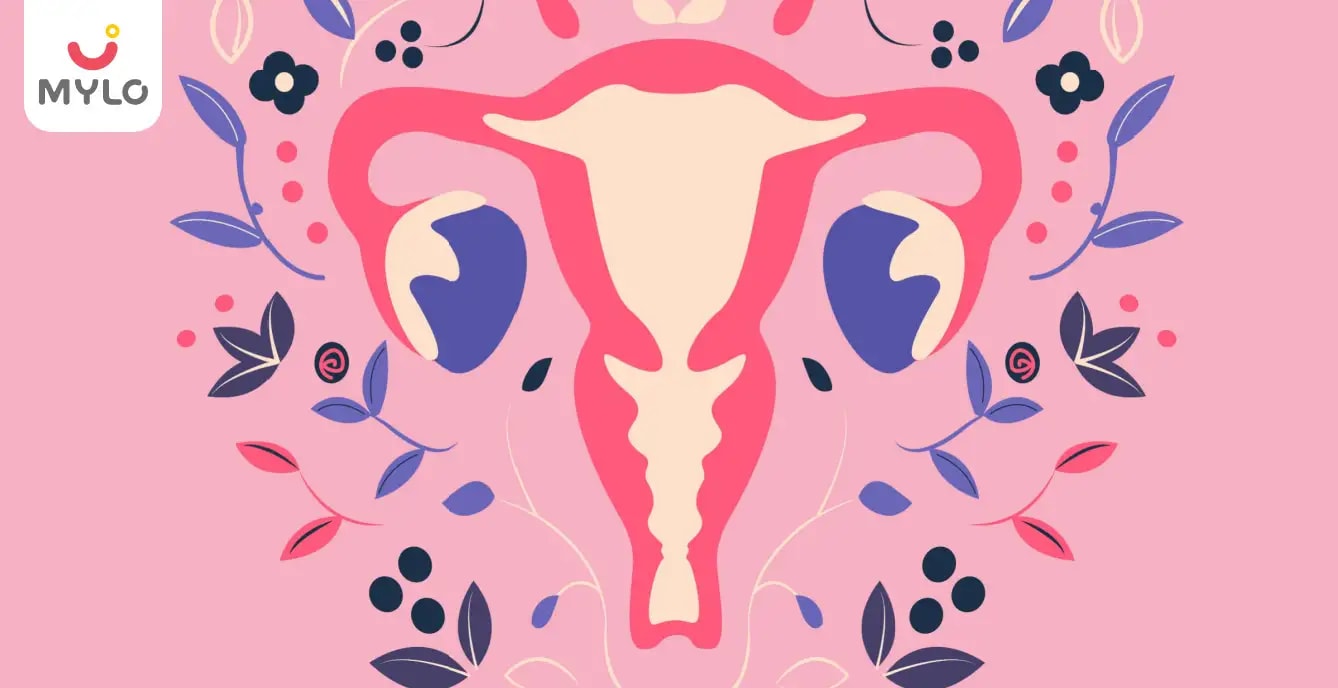
The mons pubis (also called mons veneris, meaning "mound of Venus") is the rounded mass of soft fatty tissue that sits over the pubic bone, just below the lower abdomen. It is a normal part of female anatomy in every woman.
The mons pubis is made up of skin on the outer surface, fatty (adipose) tissue underneath, and connective tissue holding everything together. Pubic hair grows on the surface after puberty.
It is important to know that the mons pubis is part of the vulva (external genitalia), not part of the vagina. The vagina is internal. The vulva includes the mons pubis, labia majora, labia minora, clitoris, and the openings of the urethra and vagina.
The mons pubis serves several biological functions. It cushions the pubic bone during physical activity and sexual intercourse. It contains nerve endings that contribute to sexual sensation. It has sebaceous and apocrine glands that produce natural body scent.
What Is the Average Size of the Mons Pubis?
There is no universal average or "standard" mons pubis size. Mons pubis size, shape, and prominence vary widely among women, and all variations are normal.
Studies of female anatomy have documented extreme variation in vulvar appearance, including mons pubis size. Just as breast size, body shape, height, and skin tone vary among women, mons pubis appearance varies too. Genetic factors are the strongest influence, followed by body weight, hormonal status, age, and pregnancy history.
Comparing yourself to images you see online (especially curated or filtered content) is unrealistic. Most images of female anatomy in mainstream media are either selectively chosen or surgically altered, creating a false sense of "normal." Real bodies are diverse.
What Causes a Fuller or "Fat" Mons Pubis?
A fuller mons pubis can result from a combination of six common factors.
1. Genetics
Genetics is the single biggest determinant of mons pubis appearance. If your mother, grandmother, or sisters have a similar body type, you most likely will too. Some women naturally have more fatty tissue in this area regardless of weight or lifestyle.
2. Hormonal Changes
Oestrogen influences fat distribution in the female body, particularly directing fat storage to the hips, thighs, lower belly, and mons pubis area. Hormonal shifts during puberty, menstrual cycles, pregnancy, breastfeeding, and perimenopause all affect this distribution.
3. Body Weight
The mons pubis stores fat like other parts of the body. Weight gain can make it more prominent, while weight loss can reduce its size. However, weight loss does not always shrink the mons pubis proportionally, as fat is lost from different body areas at different rates.
4. Pregnancy and Postpartum Changes
During pregnancy, hormonal shifts and weight gain increase mons pubis fullness. After delivery, the skin and tissues take time to retract. Many women find their mons pubis remains fuller for 12 to 18 months postpartum, especially after multiple pregnancies or larger babies.
If you are dealing with postpartum body changes, see our complete postpartum weight loss guide for diet, exercise, and recovery tips.
5. Aging
The mons pubis changes throughout a woman's life. After age 35, reduced collagen production, slower metabolism, and hormonal shifts can affect its appearance. Some women find it becomes fuller with age, others find it becomes flatter due to reduced fat.
6. Underlying Conditions
In rare cases, mons pubis prominence can be linked to medical conditions such as hormonal imbalances, thyroid issues, polycystic ovary syndrome (PCOS), or lymphatic conditions. These are exceptions, not the rule. If accompanied by other symptoms, consult your gynaecologist.
What Is FUPA and How Is It Different from a Fat Mons Pubis?
FUPA stands for Fat Upper Pubic Area. It refers to the same anatomical region as the mons pubis. FUPA is a slang term that became popular through body-positive social media movements, while mons pubis is the medical term.
Both terms describe the same body part: the soft tissue above the pubic bone. The body-positive FUPA movement has helped destigmatise discussion of this completely natural area, encouraging women to accept their bodies rather than view this area as a "flaw."
Whether you call it your mons pubis or your FUPA, it is normal, healthy, and shared by women of all sizes and shapes.
What Are the Different Types of Mons Pubis Appearance?
Vulvar diversity is widely documented in medical literature. While there is no formal "types" classification system, mons pubis appearance can range across several patterns.
Less prominent: A flatter mons pubis with less subcutaneous fat. Common in some genetic body types and in women with lower body fat.
Average prominence: A gently rounded mons pubis with moderate fat. The most commonly seen in general population.
Fuller mons pubis: More pronounced fatty cushioning. Can be due to genetics, weight, hormones, or postpartum changes.
Asymmetric appearance: Mild left-right asymmetry. Very common and considered normal in women.
Post-weight-loss appearance: After significant weight loss, the mons pubis may appear softer or have loose skin. This is part of the normal weight loss process.
All of these are within the spectrum of normal female anatomy. None require treatment unless they cause physical discomfort or medical concerns.
Can the Mons Pubis Change in Size Over Time?
Yes. The mons pubis is not static. It changes throughout a woman's life in response to multiple factors.
Puberty: Develops fatty tissue and grows pubic hair under oestrogen's influence.
Menstrual cycles: Mild monthly changes due to hormonal fluctuations and water retention.
Pregnancy: Becomes fuller due to hormones, weight gain, and tissue expansion.
Postpartum: May remain fuller for months as the body recovers. Read more in our postpartum body changes guide.
Weight changes: Increases with weight gain, decreases with weight loss, though not always proportionally.
Menopause: May become smaller and flatter due to declining oestrogen and reduced tissue volume.
Aging: Gradual changes in skin elasticity and fat distribution.
These changes are normal parts of being a woman. Resisting them entirely is neither necessary nor possible. Working with your body, supporting it through diet and exercise, and accepting natural changes is the healthiest approach.
Is a Fat Mons Pubis a Health Concern?
In almost all cases, no. Mons pubis fullness is a normal anatomical variation and does not indicate any health problem.
Mons pubis fullness does not affect fertility. It does not affect sexual function or sensation. It does not increase any disease risk. It does not impact pregnancy outcomes. It does not require medical treatment.
The only situations where mons pubis changes warrant medical attention are when you notice sudden swelling, lumps, pain, discharge, skin changes (redness, darkening), itching that does not resolve, or skin lesions. These could indicate cysts, infections, hormonal imbalances, or rare lymphatic conditions that benefit from gynaecological evaluation.
Routine fullness from weight, hormones, pregnancy, or genetics is not a medical concern.
How Can You Reduce Mons Pubis Fat Naturally?
You cannot spot-reduce fat in any one body area, including the mons pubis. However, overall body composition changes can reduce mons pubis fullness over time through holistic approaches.
Sustainable Weight Management
Balanced, calorie-aware eating with adequate protein, fibre, and healthy fats. Avoid crash diets. They cause rebound weight gain and are particularly harmful during postpartum recovery or breastfeeding.
Regular Exercise
A combination of cardiovascular exercise (walking, brisk walking, light jogging, cycling, swimming) and strength training (bodyweight squats, lunges, lower body work, core engagement) supports overall fat loss including the mons pubis area.
Specific exercises that engage the lower abdominal region include pelvic tilts, glute bridges, modified planks, mountain climbers (when ready), and dead bug exercises. None of these will "spot reduce" mons fat, but they tone the surrounding area.
Hydration and Sleep
Adequate water intake (3 to 4 litres daily) supports metabolism and reduces water retention. Sleep is critical. Sleep deprivation raises cortisol, which directs fat storage to the lower belly and mons area.
Mylo Weight Loss Tea as Part of the Routine
For women working on overall weight loss, Mylo Weight Loss Tea can be a supportive addition to a complete routine. Formulated with green tea extract, ginger, fennel, cinnamon, and tulsi, it supports metabolism and digestion when paired with balanced eating, regular movement, and good sleep.
It is not a standalone solution. It works as part of a complete approach. Always consult your doctor before adding any new product, especially if you are breastfeeding.
[Explore Mylo Weight Loss Tea]
Postpartum-Specific Approach
If your mons pubis fullness is due to recent pregnancy, give your body time. Most postpartum women see meaningful body composition changes between months 6 and 18. Use this period for gentle exercise, balanced eating, and self-acceptance. Read our complete postpartum weight loss guide for the realistic timeline and method.
What About Cosmetic Procedures for the Mons Pubis?
Non-invasive and surgical options exist but are rarely medically necessary. They should be considered carefully and only after lifestyle approaches.
Non-Invasive Options
CoolSculpting: Uses controlled cooling to reduce fat. Multiple sessions needed, gradual results, moderate-to-high cost.
Laser lipolysis: Uses focused laser to reduce fat. Minimal downtime, moderate cost.
Radiofrequency tightening: Tightens skin in the area. Mild results, requires multiple sessions.
Surgical Options
Monsplasty: Surgical lift and reduction of the mons pubis. Major surgery requiring recovery time. Usually done alongside abdominoplasty (tummy tuck) after significant weight loss.
Liposuction: Surgical fat removal from the mons area. Carries surgical risks and recovery time.
If you are considering any cosmetic procedure, consult a qualified plastic surgeon. Most reputable surgeons recommend waiting at least 12 to 18 months postpartum for body to stabilise, completing breastfeeding (most procedures are not safe during lactation), reaching and maintaining stable weight before surgery, and addressing the emotional reasons behind the decision.
Many women find body acceptance and counselling more transformative than surgery.
When Should You See a Gynaecologist?
Routine mons pubis changes do not require a doctor's visit. However, consult your gynaecologist if you experience any of the following.
A new lump, mass, or swelling in the mons or vulvar area. Persistent pain or tenderness. Skin changes such as redness, darkening, or discoloration. Skin lesions, sores, or rashes that do not heal. Itching that does not resolve with basic hygiene. Discharge with unusual odour or colour. Sudden swelling with no clear cause. Lumps that grow over time.
These symptoms can indicate cysts (Bartholin's cyst, sebaceous cyst), infections (folliculitis, bacterial infections), hormonal imbalances, or rarely, more serious conditions. Early evaluation leads to easier treatment.
For routine postpartum fullness, weight-related changes, or genetic body variations, no medical visit is needed.
How to Develop a Positive Body Image About Your Vulva
Body image around the vulva is one of the least openly discussed topics in women's health, yet it affects many women emotionally. Online misinformation, comparison culture, and lack of accurate education contribute to anxiety about normal anatomy.
Practical Approaches
Limit exposure to unrealistic vulvar images online. Most are filtered, surgically altered, or carefully curated.
Educate yourself on real vulvar diversity. Resources like The Great Wall of Vagina art project by artist Jamie McCartney document the immense natural variation in female anatomy. Knowing how diverse normal is can be deeply reassuring.
Connect with other women. Trusted friends, women's health groups, or postpartum communities can normalise body image concerns. You are not alone in your feelings.
Focus on function over appearance. Your vulva is part of your reproductive and pleasure system. It serves vital biological purposes regardless of how it looks.
Talk to a gynaecologist if you have specific concerns. They have seen thousands of vulvas and can give you medical reassurance about what is normal.
If body image distress is significantly affecting your mental health or quality of life, consult a therapist or counsellor. Body dysmorphic disorder and postpartum depression are treatable conditions that deserve professional support.
How Does Sex and Sexual Health Relate to Mons Pubis Size?
Mons pubis size has no impact on sexual function, fertility, or pleasure. The vagina (internal) and vulva (external) function independently of mons pubis fullness.
Some women worry that a fuller mons pubis affects their sex life or their partner's perception. In reality, healthy sexual function depends on overall health, hormonal balance, emotional connection, communication, and physical comfort. Mons pubis appearance is not a meaningful factor.
If you experience pain during intercourse, decreased sensation, or other sexual function concerns, these are medical issues unrelated to mons pubis size. Consult your gynaecologist for evaluation.
Frequently Asked Questions
Is having a "fat vagina" or fuller mons pubis a health concern?
No. Mons pubis fullness is a normal anatomical variation caused by genetics, hormones, weight, pregnancy, or aging. It does not affect health, fertility, or sexual function. Medical attention is needed only if you notice lumps, pain, swelling, skin changes, or unusual discharge.
What causes mons pubis fat?
Six main factors: genetics (the biggest cause), hormonal changes, body weight, pregnancy and postpartum recovery, aging, and in rare cases underlying conditions like PCOS or thyroid issues.
Can I reduce mons pubis fat through exercise alone?
You cannot spot-reduce fat in any one area. Overall body composition changes through cardiovascular exercise, strength training, balanced eating, and lifestyle improvements gradually reduce mons pubis fullness over time. Spot reduction is a myth.
Is mons pubis fullness the same as FUPA?
Yes. FUPA (Fat Upper Pubic Area) is slang. Mons pubis is the medical term. Both describe the same anatomical region.
Does mons pubis fat affect sex or sexual function?
No. Mons pubis size has no impact on sexual function, sensation, or fertility. Sexual function depends on overall health, hormonal balance, and emotional and physical connection, not mons pubis appearance.
How does pregnancy affect the mons pubis?
Pregnancy increases mons pubis fullness due to hormonal changes, weight gain, fluid retention, and tissue stretching. Postpartum, the area may remain fuller for 12 to 18 months as the body recovers, and may not fully return to pre-pregnancy appearance.
Can weight loss reduce mons pubis fullness?
Yes, but indirectly. Overall body fat reduction will reduce mons pubis fullness over time, though the rate varies based on individual fat distribution patterns. Some women retain more fat in this area even at lower body weights, which is genetically determined.
Is monsplasty surgery safe?
Monsplasty is a recognised plastic surgery procedure but carries surgical risks, recovery time, and significant cost. It is recommended only when significant excess tissue causes functional issues. Consult a board-certified plastic surgeon and consider non-surgical approaches first.
Can hormones affect mons pubis appearance?
Yes. Oestrogen, progesterone, thyroid hormones, and cortisol all influence fat distribution in the female body, including the mons pubis area. Hormonal shifts during puberty, pregnancy, postpartum, and menopause all change mons pubis appearance.
When should I see a gynaecologist about mons pubis concerns?
See your doctor if you notice new lumps, persistent pain, unusual discharge, skin changes, persistent itching, or sudden swelling. Routine fullness due to weight, pregnancy, or genetics does not require medical attention.
Does Mylo Weight Loss Tea help with mons pubis fat?
Mylo Weight Loss Tea supports overall metabolism and gentle fat loss when combined with balanced diet, exercise, and sleep. It is not a spot-reduction product for any specific body area. Overall body composition changes will gradually reduce mons pubis fullness as part of broader weight management. Always consult your doctor before adding new products, especially during breastfeeding.
Why do some women have a more prominent mons pubis even when thin?
Genetics is the primary reason. Some women naturally have more fatty tissue distributed to the mons pubis area regardless of overall body fat percentage. This is a hereditary pattern and completely normal. Other contributing factors include bone structure (a more prominent pubic bone makes the mons pubis appear fuller) and hormonal patterns.
Can men also have a "fat pubic area"?
Yes. Men also have fatty tissue over the pubic bone, though it is less prominent. Weight gain, age, and hormonal changes can cause similar fullness in the pubic area in men. The condition is sometimes called "panniculus" when significant.
Final Thoughts
The mons pubis is a normal, healthy, functional part of female anatomy. Its size and appearance vary widely among women, and all variations are within the spectrum of normal.
If you are dealing with mons pubis concerns related to recent pregnancy, the answer is patience and supported recovery. Your body has done extraordinary work, and the timeline for visible change is 12 to 18 months, not 12 to 18 weeks.
If you are working on overall weight management, focus on balanced nutrition, regular movement, sleep, and stress management. Add Mylo Weight Loss Tea as a supportive ritual, not a magic fix. Real, sustainable results come from consistency, not extremes.
If you have specific medical concerns, see your gynaecologist. If you have body image concerns, talk to other women or a counsellor. And every day, give your body the same kindness you give those you love.
You are not alone in these concerns. The conversation deserves more openness, more accuracy, and more compassion. Mylo is here to support you with information, products, and care that respects your real journey.
Related Reads on Mylo
How to Lose Weight After Pregnancy: Complete 2026 Postpartum Guide
Baby Growth Stages Month-by-Month: Complete Milestones Chart
Smelly Farts and Gas During Pregnancy: Causes and Relief
Plum (Aloo Bukhara) in Pregnancy: Benefits and Safe Daily Amount
Sabja Seeds During Pregnancy: Safe Daily Amount and Benefits
How to Self-Examine Your Stomach for Pregnancy
 Yes
Yes
 No
No
Your parenting partner
in your pocket.
supportive community.

Your parenting partner
in your pocket.
supportive community.


Article Posted Under

Related Articles
How to Lose Weight After Pregnancy: The Complete 2026 Guide for New Moms (Diet, Exercise and Real Results)
19 min 60+ Gen Z & Gen Alpha Slangs Indian Parents Must Know in 2026: A Complete Decoder Guide
18 min The Floor Toddlers Live on and Why Keeping It Clean and Safe Matters
5·4 min Home Hygiene and the Importance of Clean Floors During Pregnancy
6·4 min
Questions about this article
- Asked when 33 weeks pregnant
Influenza and boostrix injection kisiko laga hai kya 8 month pregnancy me and q lagta hai ye plz reply me
- Asked when 7 weeks pregnant
Hai.... My last period was in feb 24. I tested in 40 th day morning 3:30 .. That is faint line .. I conculed mylo thz app also.... And I asked tha dr wait for 3 to 5 days ... Im also waiting ... Then I test today 4:15 test is sooooo faint ... And I feel in ma body no pregnancy symptoms. What can I do .
- 26 weeks pregnant
Baby kicks KB Marta hai Plz tell mi
- trying to conceive
PCOD kya hota hai
- Asked when trying to conceive
How to detect pcos
Recently Published Articles
Your body needs extra nutrition this trimester - these can help.

Bold Web Series for Moms on Hotstar (2026) : 10 Binge Watch List
How to Lose Weight After Pregnancy: The Complete 2026 Guide for New Moms (Diet, Exercise and Real Results)
Sabja (Basil) Seeds During Pregnancy: Safe Daily Amount, Benefits, Side Effects and Trimester Guide (2026)
220+ Bengali Baby Girl Names with Meanings (2026): Modern, Uncommon, Goddess, A-Z and Dak Naam Collection for Your Little Princess
Smelly Farts and Gas During Pregnancy: Why It Happens, Trimester-by-Trimester Causes and Fast Home Relief (2026)
Medical Disclaimer
This content is for informational purposes only and should not replace professional medical advice. Consult with a physician or other health care professional if you have any concerns or questions about your health. If you rely on the information provided here, you do so solely at your own risk.


AWARDS AND RECOGNITION

Mylo wins Forbes D2C Disruptor award
Mylo wins The Economic Times Promising Brands 2022
AS SEEN IN












- Mylo Care: Effective and science-backed personal care and wellness solutions for a joyful you.
- Mylo Baby: Science-backed, gentle and effective personal care & hygiene range for your little one.
- Mylo Community: Trusted and empathetic community of 10mn+ parents and experts.


Product Categories
Baby Carrier | Baby Soap | Baby Wipes | Stretch Marks Cream | Baby Cream | Baby Shampoo | Baby Massage Oil | Baby Hair Oil | Stretch Marks Oil | Baby Body Wash | Baby Powder | Baby Lotion | Diaper Rash Cream | Newborn Diapers | Teether | Baby Kajal | Baby Diapers Pants | Cloth Diapers | Laundry Detergent | Lactation Granules |