


Orders
.png&w=48&q=75 "login")
Profile


Wallet

Back Pain During Periods: Causes, Relief and When to Worry (Complete 2026 Guide)
 15 min

BDS (Gold Medalist), Certified Lactation Consultant – BPNI Delhi, Maternal & Infant Nutrition Expert · 15 years experience
Key Takeaways
Quick overview in 30 seconds.webp&w=32&q=75)
Summary
- Back pain during periods is a common but often overlooked symptom, caused by hormonal changes, prostaglandins, and uterine contractions that radiate discomfort to the lower back.
- Conditions like endometriosis, fibroids, ovarian cysts, adenomyosis, and pelvic congestion can intensify menstrual back pain, alongside everyday factors like stress and poor posture.
- Instant relief comes from heat therapy, gentle yoga or walking, relaxation techniques, supportive sleep posture, and over-the-counter pain relievers like ibuprofen when needed.
- Looking for soothing relief from period back pain? Explore our Baby Wellness Kit | Skincare Gift Set for Newborns.
TL;DR
Back pain during periods (especially lower back pain) is very common and usually caused by prostaglandins, hormone-like chemicals that trigger uterine contractions, which can radiate pain to the lower back (Cleveland Clinic) (NHS). This is called dysmenorrhea and is normal for most women. Relief comes from heat therapy, gentle exercise, NSAIDs like ibuprofen, stretching and hydration. However, severe, worsening or one-sided back pain with very heavy bleeding may signal endometriosis, adenomyosis, fibroids or ovarian cysts and needs a doctor's evaluation (ACOG). See a doctor if pain is disabling, suddenly changes, or does not respond to usual relief measures.
Quick Answer
Back pain during periods is usually caused by prostaglandins that trigger uterine contractions, sending pain to the lower back. It is a normal part of period pain (dysmenorrhea) for most women. Relief comes from heat, gentle exercise, stretching and NSAIDs. See a doctor if pain is severe, one-sided, worsening or comes with very heavy bleeding.
Author: Anandita Sharma, Senior Women's Health Editor, Mylo Parenting Desk Medically reviewed by: Mylo Editorial Board, aligned with ACOG, NHS and FOGSI guidance Last updated: 11 June 2026
Medical Disclaimer: This article is for informational purposes only and not a substitute for professional medical advice. If your period back pain is severe, worsening, one-sided, or accompanied by very heavy bleeding, fever or pain during sex, please consult a gynaecologist to rule out endometriosis, adenomyosis, fibroids or infection.
Key Takeaways
-
Period back pain is usually caused by prostaglandins triggering uterine contractions (Cleveland Clinic)
-
It is a normal part of dysmenorrhea (painful periods) for most women
-
Pain often starts 1 to 2 days before the period and eases within a few days
-
Heat therapy and gentle movement are the most effective home remedies (NHS)
-
NSAIDs (ibuprofen) work by reducing prostaglandins (ACOG)
-
Severe or worsening back pain may signal endometriosis, adenomyosis or fibroids
-
See a doctor if pain is disabling, one-sided, or does not respond to usual measures
Why Do You Get Back Pain During Your Period?
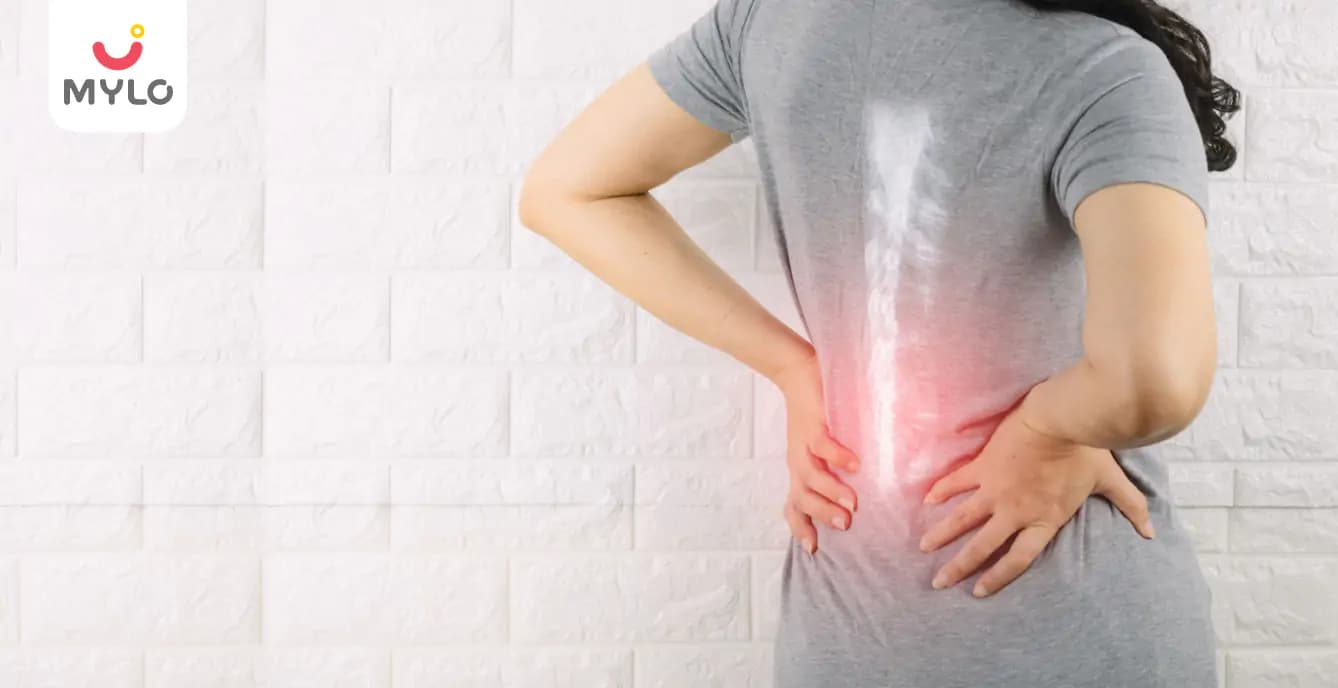
Back pain is one of the most common period symptoms. The main reason is prostaglandins (Cleveland Clinic):
-
During your period, the uterus contracts to shed its lining
-
These contractions are triggered by prostaglandins (hormone-like chemicals)
-
Higher prostaglandin levels cause stronger contractions and more pain
-
This pain often radiates from the uterus to the lower back and thighs
This type of period pain is called primary dysmenorrhea and is not caused by any underlying disease (NHS).
What Causes Back Pain Before Your Period?
Prostaglandins not only increase uterine contractions but also reduce blood flow to uterine muscles, this lack of oxygen along with stimulation of pain sensitive nerve endings, contributes to back pain and mensurational cramp.
Pain can begin 1 to 2 days before bleeding starts, due to (ACOG):
|
Cause |
How It Triggers Back Pain |
|
Hormonal changes |
Estrogen and progesterone shifts cause water retention and bloating |
|
Prostaglandin rise |
Hormonal changes may also increase ligament laxity, muscle sensitivity, making it uncomfortable |
|
Pelvic congestion |
Increased blood flow to the pelvis creates heaviness |
|
PMS muscle tension |
Stress and hormonal mood changes tense back muscles |
|
Bloating and constipation |
Add pressure on the lower back |
What Causes Back Pain During Your Period?
Once bleeding starts, back pain can be caused by (Cleveland Clinic) (NHS):
|
Cause |
Details |
|
Uterine contractions |
Strong contractions to shed the lining radiate to the back |
|
High prostaglandins |
More prostaglandins mean more pain |
|
Poor posture |
Discomfort changes how you sit and stand |
|
Underlying conditions |
Endometriosis, adenomyosis, fibroids, ovarian cysts (secondary dysmenorrhea) |
Primary vs Secondary Dysmenorrhea: What Is the Difference?
This distinction matters for knowing when back pain is normal versus when to see a doctor (ACOG):
|
Feature |
Primary Dysmenorrhea |
Secondary Dysmenorrhea |
|
Cause |
Normal prostaglandins |
Underlying condition (endometriosis, fibroids, adenomyosis) |
|
When it starts |
Begins in teens, soon after periods start |
Often starts later, after years of normal periods |
|
Timing |
1 to 2 days before and during period |
May last longer, beyond the period |
|
Pain pattern |
Predictable, eases with age or after childbirth |
Worsening over time |
|
Response to NSAIDs/heat |
Usually good |
Often poor or partial |
|
Other symptoms |
Usually none |
Heavy bleeding, pain during sex, bleeding between periods |
If your back pain matches the secondary column, especially if it is getting worse over time, see a gynaecologist (ACOG).
What Underlying Conditions Can Cause Period Back Pain?
If back pain is severe or worsening, these conditions may be involved (ACOG) (NHS):
1. Endometriosis
Tissue similar to the uterine lining grows outside the uterus, causing severe pain, often in the lower back and pelvis, painful sex and heavy periods (ACOG Endometriosis).
2. Adenomyosis
The uterine lining grows into the muscular wall of the uterus, causing heavy, painful periods and a tender, enlarged uterus (Cleveland Clinic Adenomyosis).
3. Uterine Fibroids
Non-cancerous growths in the uterus that can cause heavy bleeding, pelvic pressure and lower back pain (ACOG Fibroids).
4. Ovarian Cysts
Fluid-filled sacs on the ovaries that can cause one-sided pain and pressure (Mayo Clinic Ovarian Cysts).
5. Pelvic Inflammatory Disease (PID)
An infection of the reproductive organs that causes pelvic and back pain, often with fever and unusual discharge (CDC PID).
How Can You Relieve Back Pain During Your Period? (Quick Relief)
Try these proven methods (NHS) (Cleveland Clinic):
Immediate Relief
-
Apply heat: A heating pad, hot water bottle or warm compress on the lower back (one of the most effective remedies)
-
Take a warm bath or shower
-
Gentle movement: Walking or light stretching eases muscle tension
-
Over-the-counter NSAIDs: Ibuprofen or naproxen reduce prostaglandins (take with food; follow label)
-
Massage: Gentle lower back and abdominal massage
-
Rest in a comfortable position: Lying on your side with knees bent (fetal position)
-
Stay hydrated: Reduces bloating that worsens back pressure
-
TENS machine: Some women find relief with mild electrical stimulation
What Are the Best Home Remedies and Long-Term Solutions?
1. Heat Therapy
Studies show heat can be as effective as some pain medications for period cramps and back pain (NHS). Use a heating pad for 15 to 20 minutes.
2. Exercise and Yoga
Regular exercise reduces period pain over time. Helpful yoga poses include:
-
Balasana (Child's Pose) for lower back relief
-
Marjariasana (Cat-Cow) to ease the spine
-
Supta Matsyendrasana (Reclined Twist)
-
Setu Bandhasana (Bridge Pose)
-
Bhujangasana (Cobra Pose)
3. Anti-Inflammatory Diet
Foods that may reduce prostaglandin-driven inflammation (ICMR):
-
Omega-3 sources: Flaxseeds (alsi), walnuts, fish
-
Turmeric (haldi) and ginger (adrak)
-
Leafy greens (palak, methi)
-
Magnesium-rich foods (almonds, bananas, dark chocolate)
-
Whole grains (ragi, jowar, oats)
4. Stay Hydrated
Drink 2.5 to 3 litres of water daily; warm water and herbal teas (ginger, chamomile) soothe cramps.
5. Magnesium and Vitamin Support
Magnesium and vitamin B1 may reduce period pain; ask your doctor before supplementing (NIH ODS Magnesium).
6. Stress Management
Meditation, deep breathing and adequate sleep reduce muscle tension and pain perception.
7. Good Posture and Support
Use a supportive chair and mattress; avoid slouching, which strains the lower back during periods.
What Foods Help With Period Back Pain? (Indian Diet)
|
Food |
How It Helps |
|
Ginger (adrak) tea |
Natural anti-inflammatory, reduces prostaglandins |
|
Turmeric (haldi) milk |
Anti-inflammatory and soothing |
|
Bananas |
Magnesium and potassium ease muscle cramps |
|
Spinach (palak), methi |
Iron and magnesium |
|
Flaxseeds (alsi) |
Omega-3 reduces inflammation |
|
Almonds, walnuts |
Magnesium and healthy fats |
|
Dark chocolate |
Magnesium (in moderation) |
|
Coconut water |
Hydration and electrolytes |
|
Warm dal and soups |
Easy to digest, comforting |
Foods to Limit During Periods
-
Excess salt (worsens bloating and water retention)
-
Caffeine (can increase tension)
-
Fried and processed foods
-
Excess sugar
-
Alcohol
When Should You See a Doctor for Period Back Pain?
Consult a gynaecologist if you experience (ACOG) (NHS):
-
Severe back pain that disrupts daily life every month
-
Pain that is getting worse over time
-
One-sided or sharp pain that is new or unusual
-
Very heavy bleeding (soaking a pad or tampon every 1 to 2 hours)
-
Bleeding between periods or after sex
-
Pain during or after intercourse
-
Fever, chills or unusual vaginal discharge (possible infection)
-
Pain that does not respond to heat, rest or NSAIDs
-
Periods that suddenly became much more painful
-
Difficulty getting pregnant with painful periods (possible endometriosis)
-
Pain with bowel movements or urination during periods
These can be signs of endometriosis, adenomyosis, fibroids, ovarian cysts or PID, all of which are treatable with early diagnosis (ACOG Endometriosis).
Indian Context: What Indian Women Should Know
-
Cultural silence: Period pain is often dismissed as "normal" in Indian families, delaying diagnosis of conditions like endometriosis (which takes an average of years to diagnose). Do not ignore severe pain (FOGSI)
-
Iron deficiency: Heavy periods plus common iron deficiency in Indian women can worsen fatigue and pain; get tested (ICMR)
-
Traditional remedies: Ajwain water, ginger tea and warm haldi milk are popular and may help mild cramps; they do not replace medical care for severe pain
-
Heat methods: Hot water bottle (garam pani ki bottle) is a trusted, effective home remedy
-
Avoid self-medicating with strong painkillers regularly without a doctor's advice
-
Work and school: Severe period pain is a valid medical reason to rest; some Indian states and companies now offer period leave
-
Cost of evaluation: A gynaecology consult plus pelvic ultrasound typically costs INR 1,000 to INR 3,500
Myths vs Facts About Period Back Pain
|
Myth |
Fact |
Source |
|
"Severe period pain is just normal, bear it" |
False. Severe or worsening pain can signal a treatable condition |
|
|
"Exercise makes period pain worse" |
False. Gentle exercise reduces pain |
|
|
"Heat is just a temporary distraction" |
False. Heat genuinely relaxes uterine and back muscles |
|
|
"Only older women get endometriosis" |
False. It often starts in teens and 20s |
|
|
"Painkillers during periods are harmful" |
False. NSAIDs used correctly are safe and effective for most |
|
|
"Drinking cold water causes period pain" |
No scientific evidence supports this |
|
|
"Marriage or childbirth cures period pain" |
Partly true for some, but not a guaranteed cure, and not a treatment plan |
FAQs: Back Pain During Periods
Why do I get lower back pain during my period?
Lower back pain during periods is mainly caused by prostaglandins, chemicals that trigger uterine contractions to shed the lining. These contractions and the resulting inflammation send pain to the lower back (Cleveland Clinic). It is a normal part of period pain for most women.
Periods mein kamar dard kyun hota hai? (Hinglish)
Periods mein kamar dard prostaglandins naam ke chemicals ki wajah se hota hai, jo uterus ko contract karwate hain taaki lining shed ho sake. Ye contractions aur inflammation kamar tak pain bhejte hain. Ye normal hai. Heat (garam pani ki bottle), halki exercise aur ibuprofen se aaram milta hai. Lekin agar dard bahut zyada ho, ya badhta ja raha ho, toh doctor se milein.
Is back pain during periods normal?
Yes, mild to moderate back pain is normal and very common, caused by uterine contractions (NHS). However, severe, worsening or one-sided pain that disrupts your life or does not respond to usual remedies is NOT normal and should be checked by a doctor.
What is the fastest way to relieve period back pain?
The fastest relief usually comes from (NHS):
-
Heat (heating pad or hot water bottle on the lower back)
-
NSAIDs like ibuprofen (taken with food)
-
Gentle movement or stretching
-
A warm bath
-
Lying in the fetal position
Can back pain during periods be a sign of endometriosis?
Yes, it can be. Severe, worsening lower back pain with very painful periods, heavy bleeding and pain during sex may be a sign of endometriosis (ACOG Endometriosis). Endometriosis is often underdiagnosed, so see a gynaecologist if your symptoms match.
Does period back pain mean something is wrong?
Usually not. Most period back pain is normal primary dysmenorrhea. But it may indicate a problem if it is severe, getting worse, one-sided, or comes with heavy bleeding, fever or pain during sex (ACOG). When in doubt, get evaluated.
Periods ke back pain ke liye konsa yoga accha hai? (Hinglish)
Period back pain ke liye ye yoga poses helpful hain:
-
Balasana (Child's Pose)
-
Marjariasana (Cat-Cow)
-
Supta Matsyendrasana (Reclined Twist)
-
Setu Bandhasana (Bridge Pose)
-
Bhujangasana (Cobra Pose)
In poses ko gently karein aur deep breathing ke saath. Agar dard zyada ho toh force na karein.
Can I exercise with period back pain?
Yes, gentle exercise actually helps. Walking, light stretching and yoga improve blood flow and release endorphins (natural painkillers) that reduce pain (NHS). Avoid intense workouts if you feel very unwell, but staying mildly active is beneficial.
Does heat really help period back pain?
Yes. Heat is one of the most effective remedies. It relaxes the uterine and back muscles and improves blood flow, and research suggests it can be as effective as some pain medications for period pain (Cleveland Clinic). Use a heating pad for 15 to 20 minutes at a time.
How long does period back pain usually last?
It typically starts 1 to 2 days before your period and eases within the first 2 to 3 days of bleeding (NHS). If your back pain lasts much longer, occurs outside your period, or is worsening each cycle, see a doctor.
Can painkillers during periods cause harm?
For most women, NSAIDs like ibuprofen are safe and effective when used as directed (with food, at the recommended dose) (NHS). Avoid them if you have stomach ulcers, kidney problems or aspirin allergy, and consult your doctor if you need them every month at high doses.
What deficiency causes period back pain?
While prostaglandins are the main cause, low levels of magnesium, vitamin D and vitamin B1 may worsen period pain in some women (NIH ODS Magnesium). Iron deficiency from heavy bleeding can add fatigue. A balanced diet and, if needed, doctor-advised supplements can help.
Is period back pain different from pregnancy back pain?
Yes. Period back pain is cyclical, tied to your menstrual cycle and eases after your period. Pregnancy back pain is persistent, related to the growing uterus, weight gain and posture changes, and continues over weeks. If your period is late and you have back pain, take a pregnancy test (Cleveland Clinic).
References
-
Cleveland Clinic. "Dysmenorrhea (Painful Periods)." https://my.clevelandclinic.org/health/diseases/4148-dysmenorrhea
-
NHS UK. "Period Pain." https://www.nhs.uk/conditions/period-pain/
-
American College of Obstetricians and Gynecologists (ACOG). "Dysmenorrhea: Painful Periods." https://www.acog.org/womens-health/faqs/dysmenorrhea-painful-periods
-
ACOG. "Endometriosis." https://www.acog.org/womens-health/faqs/endometriosis
-
ACOG. "Uterine Fibroids." https://www.acog.org/womens-health/faqs/uterine-fibroids
-
ACOG. "Premenstrual Syndrome (PMS)." https://www.acog.org/womens-health/faqs/premenstrual-syndrome
-
Cleveland Clinic. "Adenomyosis." https://my.clevelandclinic.org/health/diseases/14167-adenomyosis
-
Mayo Clinic. "Ovarian Cysts." https://www.mayoclinic.org/diseases-conditions/ovarian-cysts/symptoms-causes/syc-20353405
-
NHS UK. "Endometriosis." https://www.nhs.uk/conditions/endometriosis/
-
CDC. "Pelvic Inflammatory Disease (PID)." https://www.cdc.gov/std/pid/stdfact-pid.htm
-
NIH Office of Dietary Supplements. "Magnesium." https://ods.od.nih.gov/factsheets/Magnesium-HealthProfessional/
-
ICMR / NIN. "Dietary Guidelines for Indians." https://www.nin.res.in/dietaryguidelines/pdfjs/locale/DGI07052024P.pdf
-
FOGSI (Federation of Obstetric and Gynaecological Societies of India). https://www.fogsi.org/
Article Posted Under
Related Articles
Hair Colour During Pregnancy: Is It Safe? Trimester Guide, Mehndi and Safer Options
 14 min
 Mylo: The Made-in-India Pregnancy and Parenting App Built for Indian Parents
 7 min
7 min Diwali During Pregnancy: Safety Tips for Pregnant Women on Crackers, Sweets and Diet
 17 min
 Best Pregnancy and Parenting App in India: 5 Must-Have Features to Look For (2026)
 20 min
Related Topics
.webp&w=32&q=75)
Medical Disclaimer
This content is for informational purposes only and should not replace professional medical advice. Consult with a physician or other health care professional if you have any concerns or questions about your health. If you rely on the information provided here, you do so solely at your own risk.


AWARDS AND RECOGNITION

Mylo wins Forbes D2C Disruptor award

Mylo wins The Economic Times Promising Brands 2022
AS SEEN IN













- Mylo Care: Effective and science-backed personal care and wellness solutions for a joyful you.
- Mylo Baby: Science-backed, gentle and effective personal care & hygiene range for your little one.
- Mylo Community: Trusted and empathetic community of 10mn+ parents and experts.


Product Categories
Baby Carrier | Baby Soap | Baby Wipes | Stretch Marks Cream | Baby Cream | Baby Shampoo | Baby Massage Oil | Baby Hair Oil | Stretch Marks Oil | Baby Body Wash | Baby Powder | Baby Lotion | Diaper Rash Cream | Newborn Diapers | Teether | Baby Kajal | Baby Diapers Pants | Cloth Diapers | Laundry Detergent | Lactation Granules |