


Orders
.png&w=48&q=75 "login")
Profile


Wallet

Baby’s First Diwali: How to Keep Your Newborn Safe, Plus Celebration Ideas
 16 min
Your baby’s first Diwali is a moment you will treasure forever: the first tiny festive outfit, the first family puja and the first photos surrounded by diyas and flowers. This year, Diwali falls on Sunday, 8 November 2026.
But newborns and young babies are much more sensitive than adults to loud noise, smoke, heat and germs, and Diwali brings plenty of all four. With a few simple precautions, you can make your little one’s first Diwali both magical and safe. This guide covers everything new parents need to know, from protecting tiny ears to what your baby should and should not eat.
Expecting another baby or celebrating while pregnant? Read our Diwali safety tips during pregnancy.
Quick answer: To keep your baby safe on Diwali, stay indoors in a quiet, closed room during firecracker hours, keep windows shut and run an air purifier, keep diyas and candles out of reach, dress your baby in soft cotton without beads or sequins, ask visitors to wash their hands, and never give honey, sweets or whole nuts to babies. Call your doctor if your baby has trouble breathing, keeps coughing or gets burned.
Why Newborns Need Extra Care During Diwali
Delicate ears: Babies’ ears are more sensitive, and very loud sounds can harm hearing and frighten them.
Small, developing lungs: Babies breathe faster than adults, so they take in more smoke for their body size.
Sensitive skin: Heat, sparks and rough fabrics can easily hurt or irritate a baby’s skin.
A developing immune system: Crowds of visitors can bring colds, flu and other infections.
Changes in routine: Noise, lights and guests can disturb feeding and sleep.
1. How to Protect Your Baby’s Ears From Firecracker Noise
India’s rules limit firecracker noise to 125 decibels at 4 metres, but crackers burst close by can be much louder. Sounds this loud can startle babies, disturb their sleep and may harm their hearing.
How to protect your baby:
Choose the quietest room in your home, away from the street and balconies, for the loudest hours of the evening.
Close all windows and doors, and draw thick curtains to reduce noise.
Use soft, well-fitted baby earmuffs made for infants if your baby must be in a noisy place.
Never put cotton, earplugs or tissue inside your baby’s ears. They can get stuck or become a choking hazard.
Play soft white noise or a gentle lullaby to mask the sudden bangs.
Plan feeds and naps so your baby is calm and settled before the noisiest time.
Hold and comfort your baby if they get startled. Skin-to-skin contact and feeding can help them settle.
2. Keep Your Baby Away From Firecracker Smoke
Smoke from crackers, along with the winter smog that often follows Diwali, can irritate your baby’s lungs and trigger coughing, wheezing and breathing problems.
Do not take your baby outside on Diwali night or when crackers are being burst nearby.
Keep windows closed from early evening, and run an air purifier with a HEPA filter in your baby’s room.
Keep agarbatti, dhoop, camphor and havan smoke away from your baby’s room.
Do not allow anyone to smoke near your baby, indoors or outdoors.
Remember that smog can last for days after Diwali. Check the AQI before taking your baby out.
Masks are not safe for babies and children under 2 years. Do not put a mask on your baby. Protect them by keeping the air around them clean instead.
3. Fire and Burn Safety Around Diyas and Crackers
Keep diyas, candles and lamps out of reach, and never leave them burning near your baby, the crib or curtains.
Never hold your baby while lighting diyas or near anyone bursting crackers or using sparklers.
Tuck in your dupatta or saree pallu while holding your baby near diyas.
Use LED diyas and fairy lights in your baby’s room instead of real flames.
Keep floating diya bowls and water containers out of reach. Babies can drown in very little water.
Keep matchboxes, lighters and crackers locked away.
Teach older siblings and cousins to keep crackers and sparklers far away from the baby.
If your baby gets burned: Cool the burn under cool, gently running water for 20 minutes, as advised by the British Red Cross. Keep the rest of your baby warm. Do not use ice, butter, toothpaste or oil, and always take your baby to a doctor after any burn.
4. How to Dress Your Baby Safely for Their First Diwali
That first festive outfit is special, but comfort and safety come first.
Choose soft, breathable cotton. Silk, synthetic and net fabrics can irritate the skin and catch fire more easily.
Avoid outfits with beads, sequins, small buttons, bells or loose stones. Babies put everything in their mouths, and these can be choking hazards.
Avoid long, loose dupattas, strings and ties that can tangle around your baby.
Do not put necklaces, chains or threads around your baby’s neck, as they carry a risk of choking and strangulation.
Change into a soft, simple outfit after the photos and puja.
Dress your baby in layers suited to the weather, and do not overheat them.
See more soft, comfortable baby clothes for your little one’s first festive season.
5. Keep Visitors and Germs Away From Your Newborn
Diwali means lots of family and friends who want to hold and kiss the new baby, but winter is also cold and flu season.
Ask everyone to wash their hands before holding your baby.
Politely ask people not to kiss your baby’s face or hands.
Anyone with a cold, cough or fever should not hold your baby.
Limit how much your baby is passed around, and give them quiet breaks away from the crowd.
Never leave your baby alone with people they do not know well.
Keep your baby’s vaccinations up to date, as your paediatrician advises.
6. Can Babies Eat Diwali Sweets? Food Safety Rules for Babies
Relatives often want to give the baby a small taste of mithai. However sweet the intention, it is not safe.
Babies under 6 months need only breast milk or formula. No water, sweets or any other food.
No honey before 1 year. Honey can cause infant botulism, a rare but serious illness.
No sweets, mithai or added sugar. Most paediatric guidelines advise no added sugar for babies, ideally until age 2.
No whole nuts, dry fruits, popcorn or hard pieces. These are choking hazards for children under 5.
No salty namkeen, fried snacks or packaged juices, which are too salty, sugary or heavy for babies.
For babies over 6 months who have started solids, you can include them in the celebrations with simple, homemade, age-appropriate food such as mashed fruit, soft khichdi or a little plain kheer made without sugar.
7. Keep Your Baby’s Feeding and Sleep Routine on Track
Stick to regular feeding times, even on busy days.
Give your baby a quiet, dark room for naps away from the guests and noise.
Always put your baby to sleep on their back, on a firm, flat surface, without pillows or soft toys.
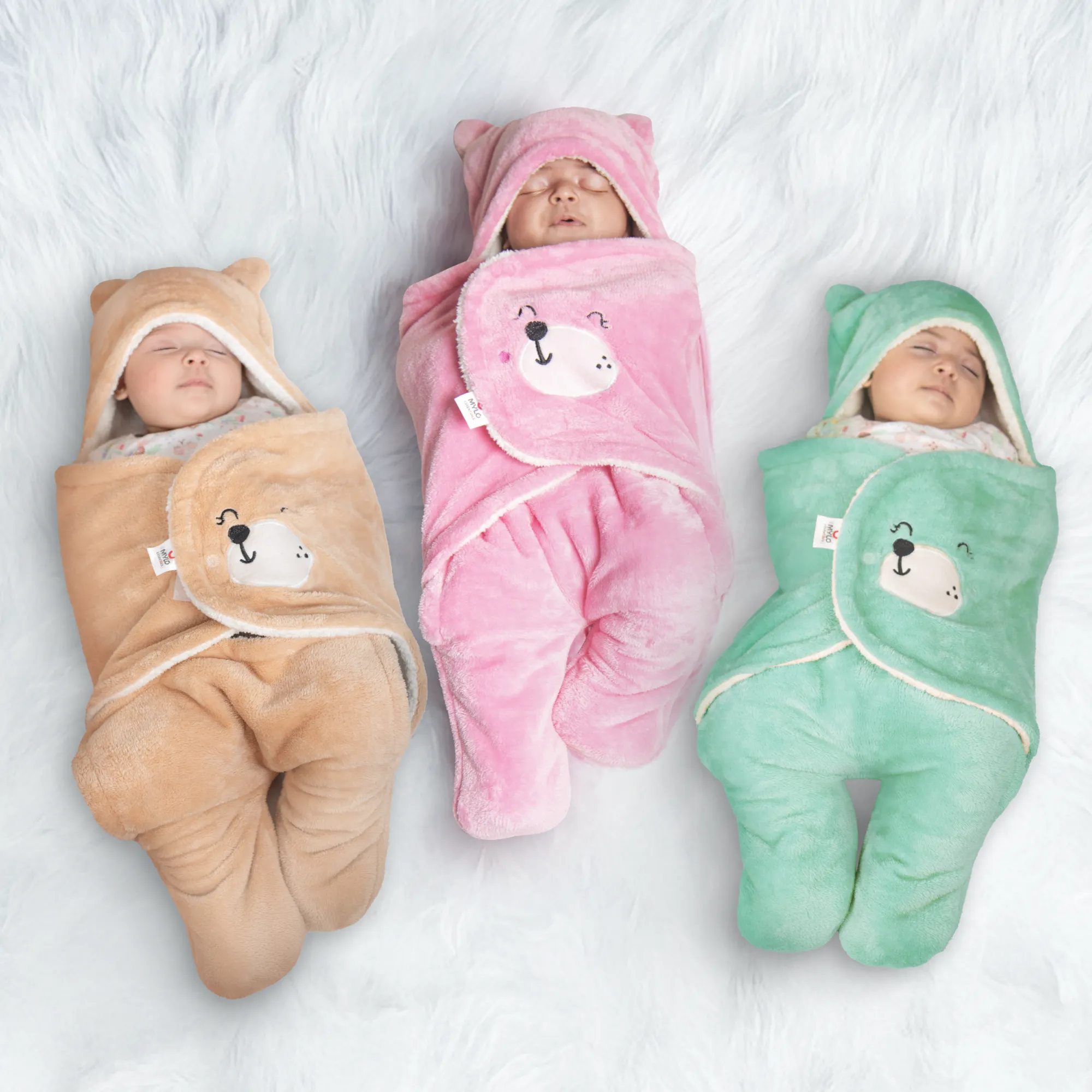
If you swaddle your baby, use a light, breathable wrap, keep the hips loose, and stop swaddling once your baby shows signs of rolling over.
Watch for signs of tiredness, such as rubbing eyes, fussing or turning away, and take your baby somewhere calm.

8. Diwali Traditions: What’s Safe for Babies?
Tradition | Is It Safe? | What to Do |
|---|---|---|
Oil massage (abhyanga) | ✅ Usually safe | Use a gentle baby oil and do a patch test first |
Kajal or surma | ❌ Not recommended | Some kajal can contain lead and can cause eye infections. Read is kajal safe for babies |
Black thread or nazar charm on the neck | ❌ Risky | Avoid anything around the neck. Keep charms out of reach, not on the baby |
Rangoli near the baby | ⚠️ Careful | Keep powders away from crawling babies, as they may put them in their mouths |
Ubtan or heavy creams | ⚠️ Careful | Newborn skin is delicate. Use only gentle products after a patch test |
Ear piercing during festivities | ⚠️ Plan ahead | Choose a clean, trusted place and ask your paediatrician about the right age |

9. Baby-Proof Your Home Before Diwali
Keep decorations, small diyas and candles at a height babies cannot reach.
Cover electrical sockets and hide loose wires from fairy lights.
Pick up small items such as coins, decorations, flower petals and puja items from the floor.
Keep crackers, matches and lighters in a locked cupboard.
Keep cleaning products and paint out of reach after your Diwali cleaning.
Safe and Beautiful Ideas for Your Baby’s First Diwali
You can make the day memorable without any risk:
A first Diwali photoshoot with LED diyas, flowers and soft fabrics, in daylight or good indoor light, without real flames near your baby.
A first family puja during the day, before the noise and smoke of the evening.
A tiny traditional outfit in soft cotton for photos, followed by comfortable clothes.
Handprint or footprint art using baby-safe, non-toxic colours, to keep as a memory.
A first Diwali memory book with photos, wishes from family and your baby’s age and milestones.
Thoughtful gifts such as soft toys without small parts, cotton clothes or baby care kits.
Looking for the perfect words? Share warm wishes from our list of newborn baby wishes for new parents.
Warning Signs: When to Call Your Paediatrician
Contact your doctor straight away if your baby:
Has trouble breathing, breathes very fast, or has a whistling or wheezing sound
Keeps coughing or the cough gets worse
Has blue or pale lips or looks very unwell
Has a fever. For babies under 3 months, any fever needs urgent medical care.
Is not feeding well or has fewer wet nappies than usual
Cries constantly, pulls at their ears or seems in pain after loud noise
Has any burn, even a small one
Has swallowed something small, such as a decoration, bead or piece of cracker
Your Baby-Safe Diwali Checklist
✅ Do | ❌ Avoid |
|---|---|
Keep baby in a quiet, closed room during cracker hours | Taking baby outside on Diwali night |
Use soft infant earmuffs if needed | Cotton or earplugs inside baby’s ears |
Run an air purifier with windows closed | Agarbatti, dhoop and smoking near baby |
Use LED diyas in baby’s room | Real flames near the crib or curtains |
Dress baby in soft cotton | Beads, sequins, bells and neck threads |
Ask visitors to wash hands | Kissing and passing baby around |
Breast milk or formula for under 6 months | Honey, sweets, nuts or namkeen |
How Mylo Helps You Celebrate Your Baby’s First Festivals
The Mylo app helps you track your baby’s growth and milestones, follow baby diet charts and connect with other parents. Share your baby’s first Diwali photos, ask questions anytime and get expert-verified parenting tips for every stage. Explore more baby care guides.
The Bottom Line
Your baby’s first Diwali can be full of love, light and beautiful memories. Keep your little one indoors, away from firecracker noise and smoke, keep diyas out of reach, dress them in soft cotton, protect them from germs, and never give honey, sweets or nuts. With these simple steps, you can celebrate with peace of mind.
Have an older child too? Read our Diwali and festival safety guide for toddlers.
Wishing your family and your little one a very happy and safe first Diwali!
Frequently Asked Questions
1. How can I protect my newborn from firecracker noise?
Keep your baby in the quietest room of your home with windows and doors closed, use soft infant earmuffs if needed, play gentle white noise and plan feeds and naps before the noisiest hours. Never put cotton or earplugs inside a baby’s ears.
2. Is firecracker smoke harmful for babies?
Yes. Babies breathe faster and have developing lungs, so smoke can cause coughing, wheezing and breathing problems. Keep your baby indoors with windows closed and run an air purifier.
3. Can my baby wear a mask during Diwali?
No. Masks are not safe for babies and children under 2 years. Instead, keep your baby indoors in clean air, away from smoke.
4. Can I take my newborn outside on Diwali night?
It is best not to. The noise, smoke and fire risks are highest on Diwali night. Celebrate indoors and enjoy the lights from inside.
5. Can I give my baby Diwali sweets?
No. Babies under 6 months need only breast milk or formula. Babies under 1 year should never have honey, and most guidelines advise no added sugar until age 2. Whole nuts and dry fruits are choking hazards for children under 5.
6. What should my baby wear for their first Diwali?
Choose soft, breathable cotton without beads, sequins, bells, small buttons or long strings. Avoid anything around the neck, and change your baby into a simple outfit after photos.
7. Is it safe to apply kajal to my baby on Diwali?
It is not recommended. Some kajal can contain lead and may cause eye infections.
8. What should I do if my baby gets burned?
Cool the burn under cool, gently running water for 20 minutes, keep the rest of your baby warm, do not apply ice, butter, toothpaste or oil, and take your baby to a doctor straight away.
9. How can I keep visitors from making my baby sick during Diwali?
Ask everyone to wash their hands before holding the baby, avoid kissing, keep people with a cold or fever away, and limit how much the baby is passed around.
10. How can I celebrate my baby’s first Diwali safely?
Do a daytime puja, a photoshoot with LED diyas, handprint art with baby-safe colours and a memory book. Keep your baby away from real flames, noise and smoke.
Medical Disclaimer: This article is for general information only and is not a substitute for professional medical advice. Always consult your paediatrician about your baby’s health.
References
Baby’s First Diwali Essentials
Keep your little one dry and comfy all through the celebrations
.webp&w=1900&q=75)




Article Posted Under
Related Articles
Medical Disclaimer
This content is for informational purposes only and should not replace professional medical advice. Consult with a physician or other health care professional if you have any concerns or questions about your health. If you rely on the information provided here, you do so solely at your own risk.


AWARDS AND RECOGNITION

Mylo wins Forbes D2C Disruptor award
Mylo wins The Economic Times Promising Brands 2022
AS SEEN IN













- Mylo Care: Effective and science-backed personal care and wellness solutions for a joyful you.
- Mylo Baby: Science-backed, gentle and effective personal care & hygiene range for your little one.
- Mylo Community: Trusted and empathetic community of 10mn+ parents and experts.


Product Categories
Baby Carrier | Baby Soap | Baby Wipes | Stretch Marks Cream | Baby Cream | Baby Shampoo | Baby Massage Oil | Baby Hair Oil | Stretch Marks Oil | Baby Body Wash | Baby Powder | Baby Lotion | Diaper Rash Cream | Newborn Diapers | Teether | Baby Kajal | Baby Diapers Pants | Cloth Diapers | Laundry Detergent | Lactation Granules |