


Orders

Profile


Wallet


Baby Care
9 minutes ago
Q: Mujhe baby k bad periods nhi aa rhe 2months hone ja rhe h.. kya kre?
 1Answer


Quick Answer
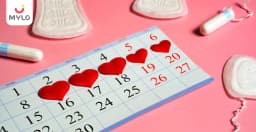
If you bottle feed or mix feed, your first period may return as soon as 5 to 6 weeks after birth. If you fully breastfeed, day and night, periods often stay away until you feed less. No period at 2 months is usually normal. You can get pregnant from 3 weeks after birth, even before your first period.
Waiting for your period to return after having a baby can feel confusing. Some mothers get it back within weeks, while others go months without one, and both can be normal. Here is what decides when your period returns, what the first one may be like, and when it is worth checking with your doctor.
When do periods return after delivery?
It depends mostly on how you feed your baby. The NHS says it is hard to be exact, because everyone is different.
How you feed your baby | When your first period may return |
|---|---|
Bottle feeding (formula only) | As soon as 5 to 6 weeks after birth |
Mixed feeding (breast milk and formula) | As soon as 5 to 6 weeks after birth |
Fully breastfeeding, including at night | Often not until you start breastfeeding less |
The American College of Obstetricians and Gynecologists (ACOG) explains that if you are not breastfeeding, ovulation (the release of an egg) may happen within a few weeks of childbirth. If you are breastfeeding, ovulation may be delayed, but it usually returns by about 6 months.
Why does breastfeeding delay periods?
Frequent breastfeeding, especially at night, can delay ovulation, so your periods stay away for longer. The NHS says you are unlikely to have periods if you breastfeed exclusively (breast milk only) and your baby is under 6 months old.
This is why many breastfeeding mothers do not get a period for several months. Your period is more likely to return when:
your baby starts formula, other drinks or solid foods
you stop night feeds
there are longer gaps between feeds
your baby is more than 6 months old
Is it normal to have no period 2 months after delivery?
Yes, very often it is. If you are breastfeeding, especially fully and at night, having no period at 2 months is common. Even if you are bottle feeding, a period that has not started by 8 weeks can still be within the normal range, since every woman is different.
What matters more is whether you could be pregnant. Because you can ovulate before your first period, you can become pregnant again before you ever see a period. If you have had sex without contraception, take a pregnancy test.
Can you get pregnant before your first period after delivery?
Yes. The NHS says you can get pregnant again just 3 weeks after the birth of your baby, even if you are breastfeeding and your periods have not started yet. It advises starting contraception within 21 days of giving birth to avoid a new pregnancy.
ACOG explains why: ovulation usually happens about 2 weeks before a period starts, so an egg can be released before you see any bleeding.
Does breastfeeding work as contraception?
It can, but only when strict conditions are met. This is called the lactational amenorrhoea method (LAM). According to the NHS, LAM is more than 99% effective if followed correctly all the time, and about 98% effective if not followed exactly.
The NHS says you should start another form of contraception if:
your baby is more than 6 months old
you give your baby anything other than breast milk, such as formula, solid foods or a dummy
your periods start again (even light spotting counts)
you stop night feeding, breastfeed less often, or there are longer gaps between feeds
Talk to your doctor about which contraception suits you, as some methods can be started straight after birth and others after a few weeks.
Is the bleeding after delivery my period?
Usually not. The bleeding you have straight after birth is called lochia. The NHS explains that it is heavy at first, then gradually turns brownish and lessens over a few weeks until it stops.
An NHS maternity guide says this blood loss can last from 2 to 6 weeks. If the lochia has stopped and a fresh red bleed returns later, it could be your period restarting.
What is the first period after delivery like?
Your first period after birth is likely to be heavier than you are used to, according to the same NHS maternity guide. Your cycle may also take some time to settle into a regular pattern, especially while you are still breastfeeding.
Use pads rather than tampons or menstrual cups until after your 6 week postnatal check. The NHS explains that internal products before then could increase the chance of infection, because the area where the placenta was attached is still healing.
Does a C-section change when periods return?
The NHS and ACOG describe how you feed your baby as the main thing that affects when your period returns, and their guidance applies after both normal and C-section births. If you had a C-section and your bleeding or recovery feels different from what you expected, ask your doctor. Read more in our guide to the first period after a C-section.
Will my period affect my breast milk?
If your periods return while you are breastfeeding and you feel your milk supply or your baby's feeding has changed, speak to your doctor or a lactation counsellor for support. You can also read our guide on whether you can get pregnant while breastfeeding.
When should you see a doctor?
See your doctor if:
you have had sex without contraception and your pregnancy test is positive, or you are not sure
you have stopped breastfeeding, or are bottle feeding, and your periods have not returned after about 3 months
your periods return and then you miss 3 in a row, as the NHS advises for missed periods
you have no periods along with other symptoms like weight changes, tiredness, facial hair growth or changes in your skin
you want to plan contraception or your next pregnancy
Get help straight away if you have any of these after birth, as the NHS advises:
sudden or very heavy bleeding from your vagina, feeling faint or a fast heartbeat
large blood clots
a high temperature with a sore, tender tummy
pain, swelling or redness in one calf
chest pain or difficulty breathing
Myths vs facts
Myth | Fact |
|---|---|
You cannot get pregnant until your period returns | You can get pregnant from 3 weeks after birth, before your first period |
Breastfeeding always prevents pregnancy | It only works as contraception under strict conditions, and only until 6 months |
No period for months after birth means something is wrong | If you are fully breastfeeding, this is common and usually normal |
The bleeding after delivery is your first period | That bleeding is lochia. Your period usually comes later |
Frequently Asked Questions
1. When will I get my period after a normal delivery? If you bottle feed or mix feed, it may return as soon as 5 to 6 weeks after birth. If you fully breastfeed, it may not return until you start breastfeeding less.
2. I am breastfeeding and have not had a period in 4 months. Is that normal? Yes, this is common when you breastfeed often, including at night. If there is any chance you could be pregnant, take a pregnancy test.
3. Can I get pregnant while breastfeeding if my periods have not come back? Yes. You can get pregnant from 3 weeks after birth, even before your first period, so use contraception if you do not want another pregnancy yet.
4. Why are my periods irregular after delivery? It can take time for your cycle to settle after birth, especially while you are breastfeeding. If your periods stay irregular or you miss 3 in a row, see your doctor.
5. Is my first period after delivery heavier? It often is. If you are soaking pads very quickly, passing large clots or feel faint, get medical help straight away.
6. Can I use a menstrual cup after delivery? Wait until after your 6 week postnatal check, and use pads until then.
Related Articles
References
NHS. Your body after the birth. https://www.nhs.uk/pregnancy/labour-and-birth/your-body/
NHS. Sex and contraception after birth. https://www.nhs.uk/conditions/baby/support-and-services/sex-and-contraception-after-birth/
NHS. Natural family planning (fertility awareness), including the lactational amenorrhoea method. https://www.nhs.uk/conditions/contraception/natural-family-planning/
NHS. Missed or late periods. https://www.nhs.uk/conditions/stopped-or-missed-periods/
NHS Bedfordshire, Luton and Milton Keynes Healthier Together. Blood loss: what to expect after birth. https://www.blmkhealthiertogether.nhs.uk/wessex-updated-content-jan-2022/blood-loss-what-expect-after-birth
American College of Obstetricians and Gynecologists. Postpartum birth control (FAQ). https://www.acog.org/womens-health/faqs/postpartum-birth-control
Medical disclaimer: This article is for general information only and is not a substitute for advice from your doctor. If you have heavy bleeding, clots, fever or think you may be pregnant, please see a doctor.


Ask your question about baby care
Get expert answers within 5 minutes for FREE only on Mylo App
Related Questions
Aaj mere c section ko 1 month ho gye....bt Abhi bhi mere stiches ke just niche aur aas pass pain rehta hai....uthne baithne me bahut jyada hota hai.....kya ye normal hai.....aur ye pain kab tk rhega??? Pls reply

Meri bachchi ki aakho se kabhi kabhi pani nikalta h mtlb bo roti nhi h Tab bhi ye normal h kya ya ushki eyes m koi problem h doctor ko dikhna sahi rhega.. plzzz tell me ye normal h kya?? Plz
Hello......mere next period 8 ko Hui thi jo ki iss baar 3 ko hone waali thi...btujhe feel nhi ho Raha tha ki period aayegi pr meri di ki beti mere pet me weight dekar khadi ho gyi tbhi se mujhe period cramps ho rhe h or right side dard ho rhe h or vaginal discharge ho rhe h to kya isse period aa jaayenge please bataye mujhe
Posted In
Baby Care
4475045 Posts
Related Articles
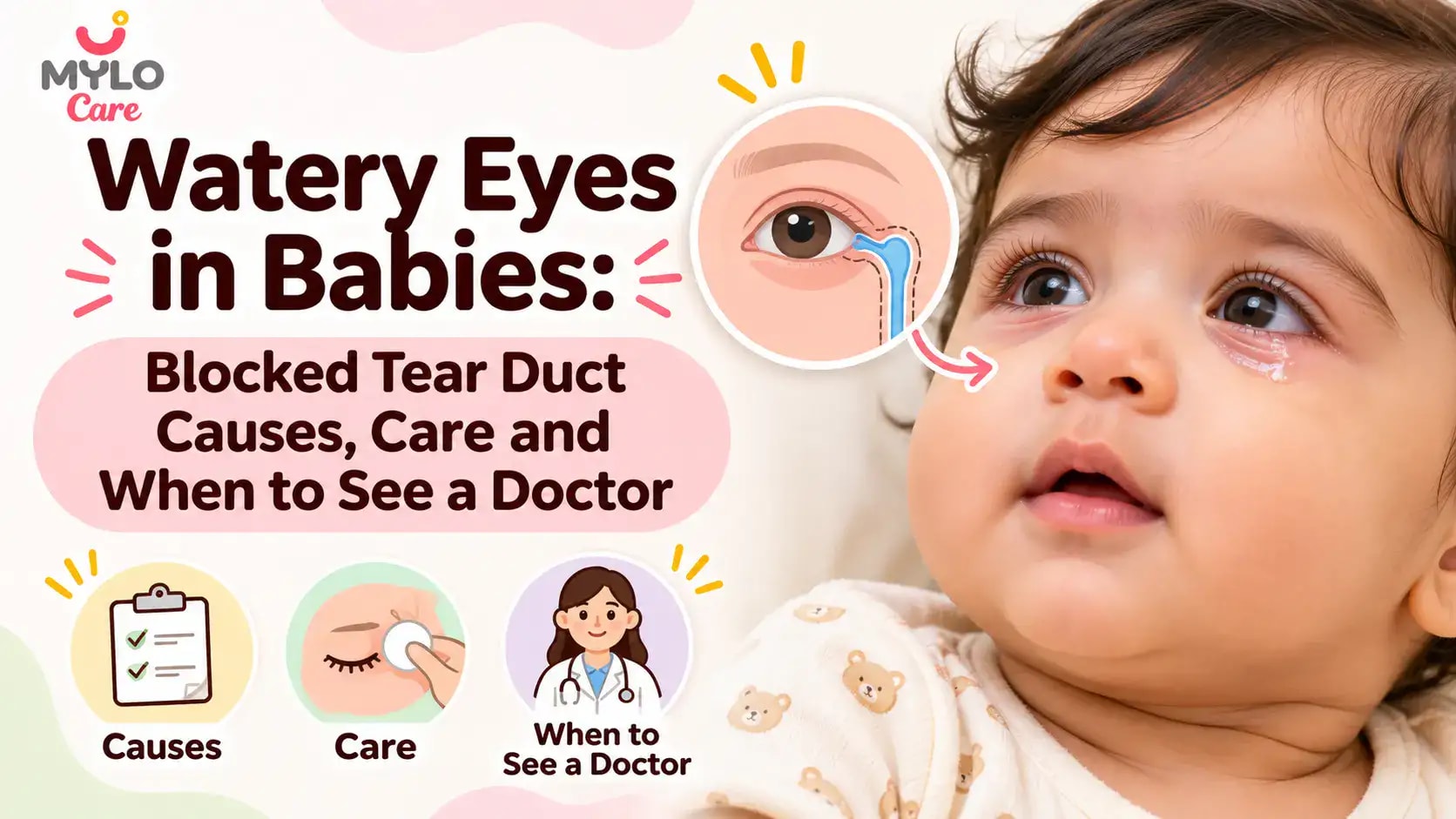
Watery Eyes in Babies: Blocked Tear Duct Causes, Care and When to See a Doctor
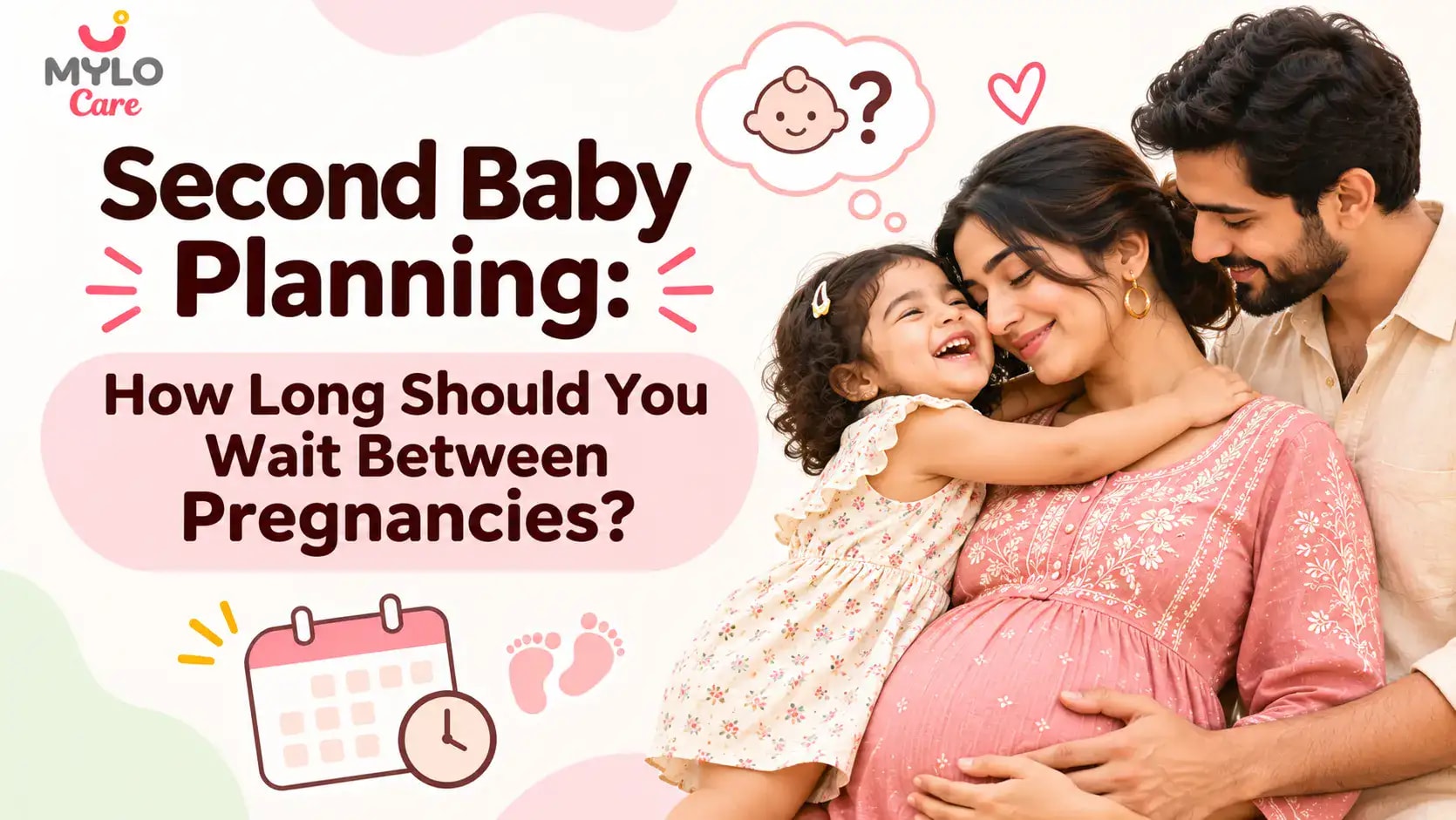
Second Baby Planning: How Long Should You Wait Between Pregnancies?
Baby Kidney Swelling on Ultrasound (Antenatal Hydronephrosis): Will It Go Away?
Foods for Height Growth in Toddlers and Kids: What Really Helps (Indian Guide)
Related Topics


AWARDS AND RECOGNITION

Mylo wins Forbes D2C Disruptor award

Mylo wins The Economic Times Promising Brands 2022
AS SEEN IN













- Mylo Care: Effective and science-backed personal care and wellness solutions for a joyful you.
- Mylo Baby: Science-backed, gentle and effective personal care & hygiene range for your little one.
- Mylo Community: Trusted and empathetic community of 10mn+ parents and experts.


