


Orders

Profile


Wallet

Browse faster in app
ADDED TO CART SUCCESSFULLY GO TO CART

Pregnancy
1 hour ago
Asked when 9 weeks pregnant
Q: I am feeling too sleepy and lazy in the morning.i m in 8th week of pregnancy
 4Answer
Share
Expert Recommendation

Dr. Sweta Baajaj
<li>BDS (Gold Medalist)</li><li>Certified Lactation Consultant – BPNI Delhi</li><li>Maternal & Infant Nutrition Expert</li>
A: Yes, protein can help reduce pregnancy fatigue, but gradually, not instantly. It steadies blood sugar, supports hemoglobin and muscle strength, and helps balance hormones, all of which affect energy. Protein needs rise to about 50 to 75 grams a day across the trimesters. When meals fall short, low-sugar high-protein snacks can help.
Article
Can Protein Help Reduce Pregnancy Fatigue? The Science, Explained for Indian Moms
.tiptap-table{border-collapse:collapse;width:100%}.tiptap-table td,.tiptap-table th{border:1px solid #d1d5db;padding:8px}.tiptap-table th{background:#f3f4f6;text-align:left} TL;DR Pregnancy fatigue is real and physical, not just "feeling tired," and protein can genuinely help, though it is energy support, not a magic fix ( WHO , ACOG ). Protein helps by steadying blood sugar (so you avoid the crash that sugary biscuits cause), supporting hemoglobin production alongside iron, maintaining muscle strength, and helping regulate hormones. Protein needs rise across pregnancy, from about 50 to 75 grams a day depending on the trimester. When meals alone fall short, smart snacks like high-protein biscuits with around 6 to 8 grams of protein and low sugar can help fill the gap. Choose snacks by their protein, sugar and calories, and see your doctor if fatigue is extreme, since it can also signal iron deficiency, thyroid issues or gestational diabetes. Quick Answer Yes, protein can help reduce pregnancy fatigue, but gradually, not instantly. It steadies blood sugar, supports hemoglobin and muscle strength, and helps balance hormones, all of which affect energy. Protein needs rise to about 50 to 75 grams a day across the trimesters. When meals fall short, low-sugar high-protein snacks can help. Author: Mylo Editorial Team, Mylo Parenting Desk Medically reviewed by: Mylo Editorial Board, aligned with WHO, ICMR-NIN, ACOG and FOGSI guidance Last updated: 24 June 2026 Medical Disclaimer: This article is for informational purposes only and is not a substitute for professional medical advice. Protein needs and the causes of fatigue vary from mother to mother. Always follow your obstetrician's or dietitian's advice, especially if your tiredness is severe or worsening. Key Takeaways Pregnancy fatigue is physical, caused by extra blood, placenta and fetal growth, and hormones ( ACOG ) Protein supports steady energy, unlike sugary snacks that cause a spike and crash It helps build hemoglobin, so iron works better against tiredness Protein maintains muscle strength as your body carries more weight Protein needs rise to roughly 50 to 75 grams a day, by trimester High-protein biscuits with 6 to 8 grams of protein and low sugar can help fill gaps Choose snacks by protein, sugar and calories, and let them complement, not replace, meals See a doctor for severe fatigue, as it can signal iron deficiency, thyroid issues or gestational diabetes Why Does Pregnancy Fatigue Happen in the First Place? Pregnancy fatigue is not just "being a little tired." It is the kind of exhaustion where simple tasks feel heavy, you wake up drained, and no amount of sleep feels enough. The good news is that it happens for clear physiological reasons, not randomly ( ACOG , NHS ). Your body during pregnancy is: Producing more blood Building the placenta Supporting your baby's organ development Managing big hormonal shifts Expanding tissue and muscle All of this takes energy, and protein plays a key role in how that energy is produced and sustained. Featured answer: Protein can help reduce pregnancy fatigue by steadying blood sugar, supporting hemoglobin production, maintaining muscle strength and helping balance hormones, all of which affect your energy. It works gradually rather than instantly. Protein needs rise to about 50 to 75 grams a day across the trimesters, and low-sugar high-protein snacks can help when meals alone fall short. How Does Protein Actually Affect Your Energy? Protein does not give you a quick "sugar rush" like refined carbs. Instead, it supports energy in steadier, longer-lasting ways ( WHO , ICMR-NIN ). How protein helps Why it matters for fatigue Stabilises blood sugar Slows digestion and reduces the spike-and-crash that feels like sudden tiredness Supports hemoglobin Protein is needed to build hemoglobin, so iron can carry oxygen well Maintains muscle strength Keeps muscles strong as you carry extra weight, reducing exhaustion Helps regulate hormones Supports hormones that affect mood, appetite and energy balance A quick note on snacks: ordinary biscuits may contain around 4 to 6 grams of sugar per piece, usually with refined flour. That combination spikes blood sugar, then drops it, which can leave you feeling more tired soon after. A protein-rich snack is the smarter choice for steady energy. How Much Protein Do You Need in Each Trimester? Fatigue and protein needs both change as pregnancy progresses ( ICMR-NIN , ACOG ). These are general guides; your dietitian will personalise them to your weight and diet. Trimester Why fatigue shows up Approximate daily protein First trimester Rapid hormone rise, placenta forming, body adjusting About 50 to 60 grams Second trimester Energy often improves, if nutrition is adequate About 60 to 70 grams Third trimester Baby's rapid growth, extra weight, disturbed sleep About 70 to 75 grams Small, frequent protein snacks can help smooth out energy dips, especially in the first trimester when appetite is unpredictable. Can High-Protein Biscuits and Snacks Help? Yes, when chosen wisely. Many moms struggle to hit their protein target through meals alone, particularly when nausea or a small appetite gets in the way. A well-formulated snack can bridge that gap ( ICMR-NIN ). A typical protein biscuit has about 70 to 100 calories per piece. The key is that those calories deliver meaningful protein, ideally around 6 to 8 grams per serving, rather than just sugar and refined flour. The table below shows the difference. Type Protein per serving Sugar Effect on energy Regular biscuit About 1 to 2 grams Higher Spike then crash Protein-enriched biscuit About 6 to 8 grams Lower Steadier, more sustained What Should You Look for in a High-Protein Snack? The protein biscuit market in India is growing, but not all options are equal, and some "gym" cookies are high in calories in ways that are not ideal during pregnancy. Read the label and check ( ICMR-NIN , FSSAI ): Protein per serving: Aim for around 6 to 8 grams Sugar content: Choose low or no added sugar Calorie count: Keep it moderate, around 70 to 100 per piece Ingredient transparency: Clear, honest labelling Suitability: Made for everyday nutrition, not heavy sports formulas A good pregnancy snack offers protein and satiety without contributing to unwanted weight gain. How Do You Add Protein Without Overshooting Calories? Snacks should complement balanced meals, not replace them. A simple method helps you hit your protein goal without too many extra calories ( ACOG ): 🥜 Smart Protein Snacking in Pregnancy Use this easy routine to stay on target: Know your number: Work out your daily protein target for your trimester Count meals first: Add up the protein from your regular meals Fill the gap: Add one protein snack only if you are falling short Watch total calories: Keep snacks moderate, around 70 to 100 calories Mix your sources: Pair snacks with Indian protein foods like dal, curd, eggs, paneer and sprouts Stay hydrated: Tiredness is often worsened by dehydration, so drink enough water Snacks are a top-up, not a meal replacement. Whole foods plus one smart snack usually does the job. What Are the Signs Your Fatigue May Be Linked to Low Protein? Watch for these patterns, which can point to inadequate protein ( ICMR-NIN , NHS ): Energy crashes soon after eating snacks Feeling hungry again very quickly Muscle weakness Hair thinning Slow recovery after even light activity If these persist, talk to your healthcare provider, who can check your overall diet and bloodwork. When Does Pregnancy Fatigue Need Medical Attention? Protein helps, but fatigue can also come from other causes that need treatment ( ACOG , FOGSI ). See your doctor promptly if your exhaustion is extreme or getting worse, as it may be linked to: Iron deficiency or anemia (common in Indian women) Thyroid imbalance Dehydration Poor sleep Gestational diabetes Your doctor can run simple tests to find the real cause and treat it. Indian Context: What Indian Moms Should Know Many Indian diets fall short on protein: Especially vegetarian diets, so plan protein into every meal ( ICMR-NIN ) Reach for desi protein: Dal, rajma, chana, paneer, curd, milk, eggs, sprouts, soya, peanuts, sattu and besan are affordable, familiar sources Mind anemia: Pair protein with iron-rich foods like palak, dates and gur, since both work together against fatigue Be smart with chai-time biscuits: Swapping sugary biscuits for a low-sugar high-protein option steadies your energy Read FSSAI labels: Check protein, sugar and calories, and avoid heavy sugar or unclear labelling Keep up your IFA tablets: Iron-folic acid supplements from your antenatal care also help fight tiredness Emergency number: Dial 108 for ambulance services across most states Myths vs Facts About Protein and Pregnancy Fatigue Myth Fact Source "Protein gives an instant energy boost" It supports steady energy gradually, not a quick rush WHO "Sugary biscuits fight tiredness" They spike then crash blood sugar, worsening fatigue ICMR-NIN "Only iron matters for tiredness" Protein is needed to build hemoglobin so iron works ACOG "More protein is always better" Needs are specific by trimester; balance matters ICMR-NIN "Snacks can replace meals in pregnancy" Snacks should complement balanced meals, not replace them ACOG Frequently Asked Questions Can protein really reduce pregnancy fatigue? Yes. Protein stabilises blood sugar, supports hemoglobin production, and maintains muscle strength, all of which affect energy ( WHO ). It works gradually, not as an instant fix. Pregnancy mein protein se thakaan kam hoti hai? (Hinglish) Haan, protein dheere-dheere thakaan kam karne mein madad karta hai. Yeh blood sugar ko sthir rakhta hai, hemoglobin banane mein madad karta hai, aur muscles ko mazboot rakhta hai, jisse energy banti hai. Lekin yeh jaadu ki tarah turant kaam nahi karta. Har trimester mein lagbhag 50 se 75 gram protein chahiye. How much protein do pregnant women need? About 50 to 75 grams a day, rising across the trimesters ( ICMR-NIN ). Your dietitian can personalise this to your weight and diet. Ek biscuit mein kitni sugar hoti hai? (Hinglish) Aam (regular) biscuit mein lagbhag 4 se 6 gram sugar ho sakti hai, aksar refined flour ke saath. Yeh combination blood sugar ko tezi se badhakar phir gira deta hai, jisse achanak thakaan mehsoos hoti hai. Low-sugar high-protein biscuit behtar option hai. Which biscuit has more protein? Protein-enriched biscuits (around 6 to 8 grams per serving) contain significantly more protein than regular biscuits (around 1 to 2 grams), and usually less sugar ( ICMR-NIN ). How many calories are in a typical protein biscuit? Usually between 70 and 100 calories per piece ( FSSAI ). The key is that those calories deliver meaningful protein, ideally 6 to 8 grams. Are high-protein biscuits in India reliable for daily protein? They can be, when they clearly display nutritional information, keep sugar low, follow FSSAI standards, and are formulated for everyday nutrition ( FSSAI ). Always read the label. When should I see a doctor about pregnancy fatigue? If your tiredness is extreme or worsening, see your doctor ( ACOG ). Fatigue can also stem from iron deficiency, thyroid issues, dehydration, poor sleep or gestational diabetes, which need proper testing. Final Thoughts: Protein Is Energy Support, Not a Quick Fix So, can protein help reduce pregnancy fatigue? Yes, but not as a magic solution. It works by stabilising blood sugar, supporting red blood cell production, strengthening muscles and balancing hormones. When your daily protein aligns with your trimester needs, energy improves gradually and sustainably. Pregnancy fatigue is common, but it should not feel overwhelming every single day. Sometimes the answer is not more sleep. It is smarter nutrition, and protein is right at the centre of it. References World Health Organization (WHO). "Nutrition in Pregnancy." https://www.who.int American College of Obstetricians and Gynecologists (ACOG). "Nutrition During Pregnancy." https://www.acog.org/womens-health/faqs/nutrition-during-pregnancy Indian Council of Medical Research, National Institute of Nutrition (ICMR-NIN). "Dietary Guidelines and RDA for Indians." https://www.nin.res.in NHS UK. "Tiredness and Sleep in Pregnancy." https://www.nhs.uk/pregnancy/ FOGSI (Federation of Obstetric and Gynaecological Societies of India). https://www.fogsi.org Food Safety and Standards Authority of India (FSSAI). "Food Labelling Standards." https://www.fssai.gov.in


Expert Recommendation
Dr. Sweta Baajaj
<li>BDS (Gold Medalist)</li><li>Certified Lactation Consultant – BPNI Delhi</li><li>Maternal & Infant Nutrition Expert</li>
A: The first trimester pregnancy tips can help an expecting mother avoid some major complications for the fetus and lead to a happy and healthy pregnancy. The first three months of pregnancy dos and don’ts can help new mothers make sure there are no complications and the pregnancy is smooth.
Article
First Trimester Pregnancy Tips Every Expecting Mother Should Follow
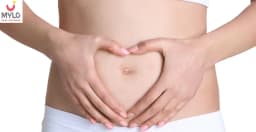
With the start of the exciting journey of motherhood, the first trimester is usually filled with mixed feelings. The first trimester brings some unexpected events, and as a new mother can often be overwhelming. The first trimester is particularly important as the pregnancy has just been established, and the fetal heartbeat develops. One should follow early pregnancy tips to avoid miscarriage. The first trimester brings body changes, nausea, tiredness, and emotional changes. Here are some useful first-trimester pregnancy tips for new mothers. Signs your pregnancy is going well in the first trimester The journey of motherhood can be full of unexpected events with signs your pregnancy is going well in the first trimester. Understanding the signs and symptoms of the first trimester can ease anxiety. The first trimester of pregnancy is eventful, with physical and emotional ups and downs. The physical signs your pregnancy is going well in the first trimester to consider include exhaustion, continuing to miss the period cycle, acidity, breast engorgement with pain in and around the area, considerable bloating, constipation, nausea, headaches, food cravings and vaginal discharge. For some, the mentioned symptoms may be negligible, while others may have exacerbated for one or two. This might not necessarily imply that the pregnancy is not going well. Danger signs of pregnancy in the first trimester The first trimester is crucial for mothers as pregnancy can be vulnerable. Look out for these danger signs of pregnancy in the first trimester as early pregnancy tips to avoid miscarriage. The first trimester of pregnancy precautions include: Vaginal bleeding: Bleeding can be a sign of miscarriage, especially during the first trimester of pregnancy. Vaginal bleeding is also common in a pregnancy that has been established outside the uterus. An ectopic pregnancy can cause spotting or bleeding. Cramps and abdominal pain: Cramps and abdominal pain associated with vaginal bleeding should not be ignored. The pain is specifically in the lower abdominal area. Excessive nausea: Nausea and vomiting during the first trimester are often common, but excessive vomiting can cause dehydration. High-grade fever: Fever is a sign of inflammation, and a high-grade fever during pregnancy can be life-threatening for the fetus. Burning sensation during urination: Pregnancy can be accompanied by a urinary infection. Urethra infection can cause the vagina to become inflamed, making fetal infection easier. Do and don'ts in first-trimester pregnancy Prenatal care is of equal importance to the fetus and the mother. The first three months of pregnancy dos and don’ts are important. Here is a list that one can follow: Doctor visits: For an uneventful pregnancy, ensure regular visits to the doctor. A physician may ask for a minimum of three visits during pregnancy for the general well-being of the fetus. The doctor will also advise on care schedules, feeding methods and other fetal growth-related aspects from time to time and guide on the first three months of pregnancy dos and don'ts. Regular vitamins: For a healthy pregnancy, essential vitamins are folate, iron, and zinc with other micro and macronutrients. Do take regular vitamins for the development of a healthy fetus. Disorders due to malnourishment and lack of essential vitamins include spina bifida, underweight fetus, brittle bones, low IQ etc. Exercise: It is a well-established fact that active pregnancy leads to healthier baby weight, higher IQ, lower risk of gestational diabetes and juvenile diabetes, lesser sleep issues and elevated mood. Balanced diet: A balanced diet should include high protein, fibre, dairy and fruits. High fibre will help to alleviate constipation and improve bowel movements. Whole grains will add the necessary zinc and magnesium to the diet. Hydration: Hydration during the first trimester will help relieve nausea and vomiting. A minimum of 8-12 glasses of water with a mix of green tea, herbal tea and other juices can suffice the requirement. While there are so many dos for a healthy pregnancy, a few don'ts can be equally beneficial. Cut down on caffeine: Caffeine can lead to a lack of sleep, especially if taken at night. Alcohol: Fetal alcohol syndrome is associated with facial feature abnormality, reduced amniotic fluid, low birth weight, memory issues, hyperactive disorder, attention issues and inability to focus, slow learning and other cognitive issues. Tobacco: Tobacco chewing or smoking can be hazardous for the fetus. Even passive smoking can be harmful to the fetus. Apart from cognitive issues and learning disabilities, sudden infant death syndrome is associated with smoking during pregnancy. Conclusion The first trimester pregnancy tips can help an expecting mother avoid some major complications for the fetus and lead to a happy and healthy pregnancy. The first three months of pregnancy dos and don’ts can help new mothers make sure there are no complications and the pregnancy is smooth.
Read More Answers (2)


Ask your question about pregnancy
Get expert answers within 5 minutes for FREE only on Mylo App
Related Questions
In my report on 2nd page it is written ectopic and molar pregnancy and screening of down syndrome and trisomy 18 is there anything to worry about it please tell me i am very worried..

My baby has these small acne on her head and forehead, few on cheeks.. doctor said khud se thik ho jayege.. kuch nai karna.. but ye increase hi rahe hai.. I am worried and scared ? what should I do? Meri MIL ne pic dekhi to she said tumse khyal nai rakha ja raha hai.. m aake le jaugi apni poti ko.. I m feeling very bad.. whole 9 month I took care of her inside me.. nobody was there for me to take care of me.. now such words hurting me a lot.. ???

Posted In
Pregnancy
3762811 Posts
Related Articles


Related Topics


AWARDS AND RECOGNITION

Mylo wins Forbes D2C Disruptor award

Mylo wins The Economic Times Promising Brands 2022
AS SEEN IN













About Us
At Mylo, we help young parents raise happy and healthy families with our innovative new-age solutions:
- Mylo Care: Effective and science-backed personal care and wellness solutions for a joyful you.
- Mylo Baby: Science-backed, gentle and effective personal care & hygiene range for your little one.
- Mylo Community: Trusted and empathetic community of 10mn+ parents and experts.


All trademarks are properties of their respective owners.2017-2026©Blupin Technologies Pvt Ltd. All rights reserved.